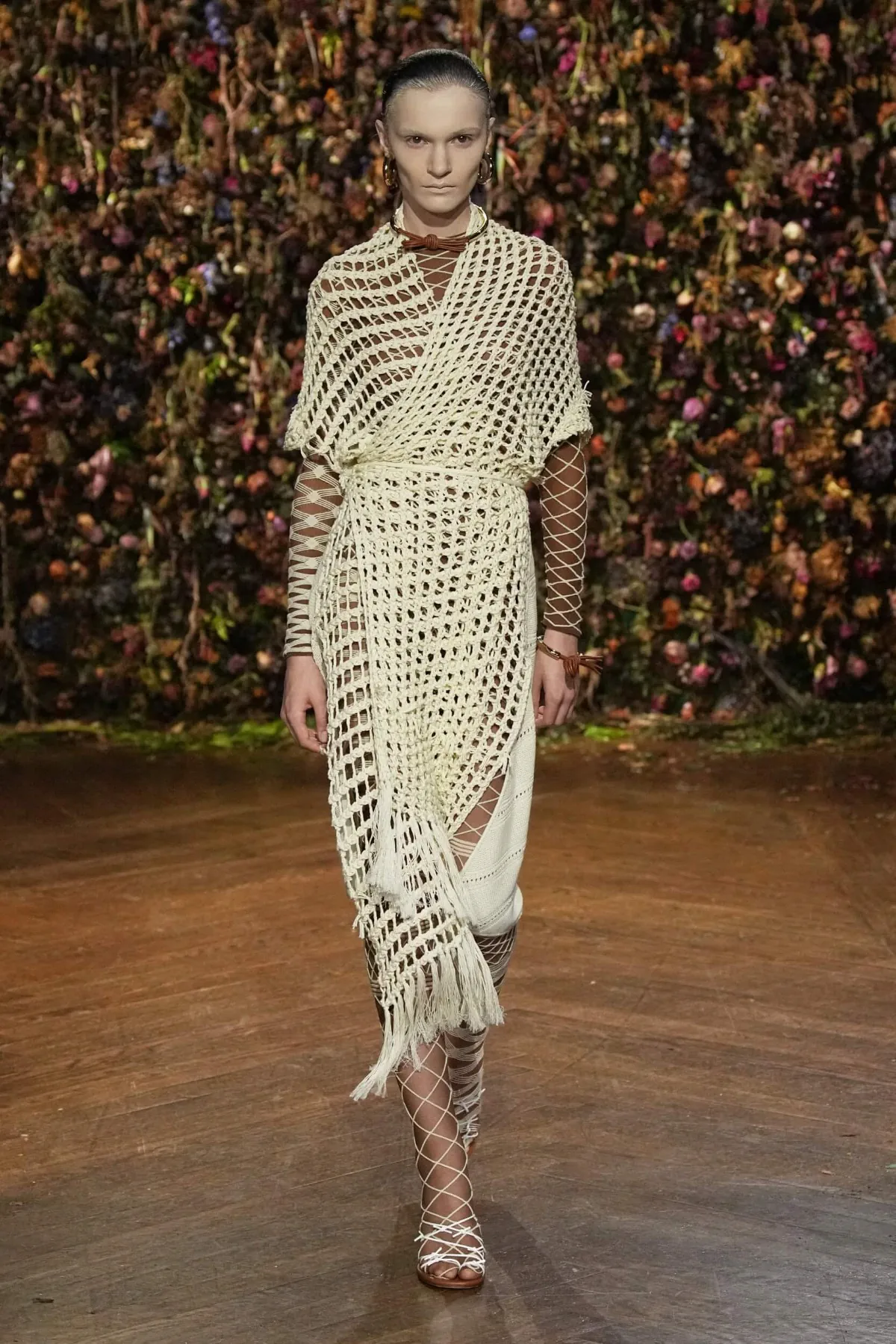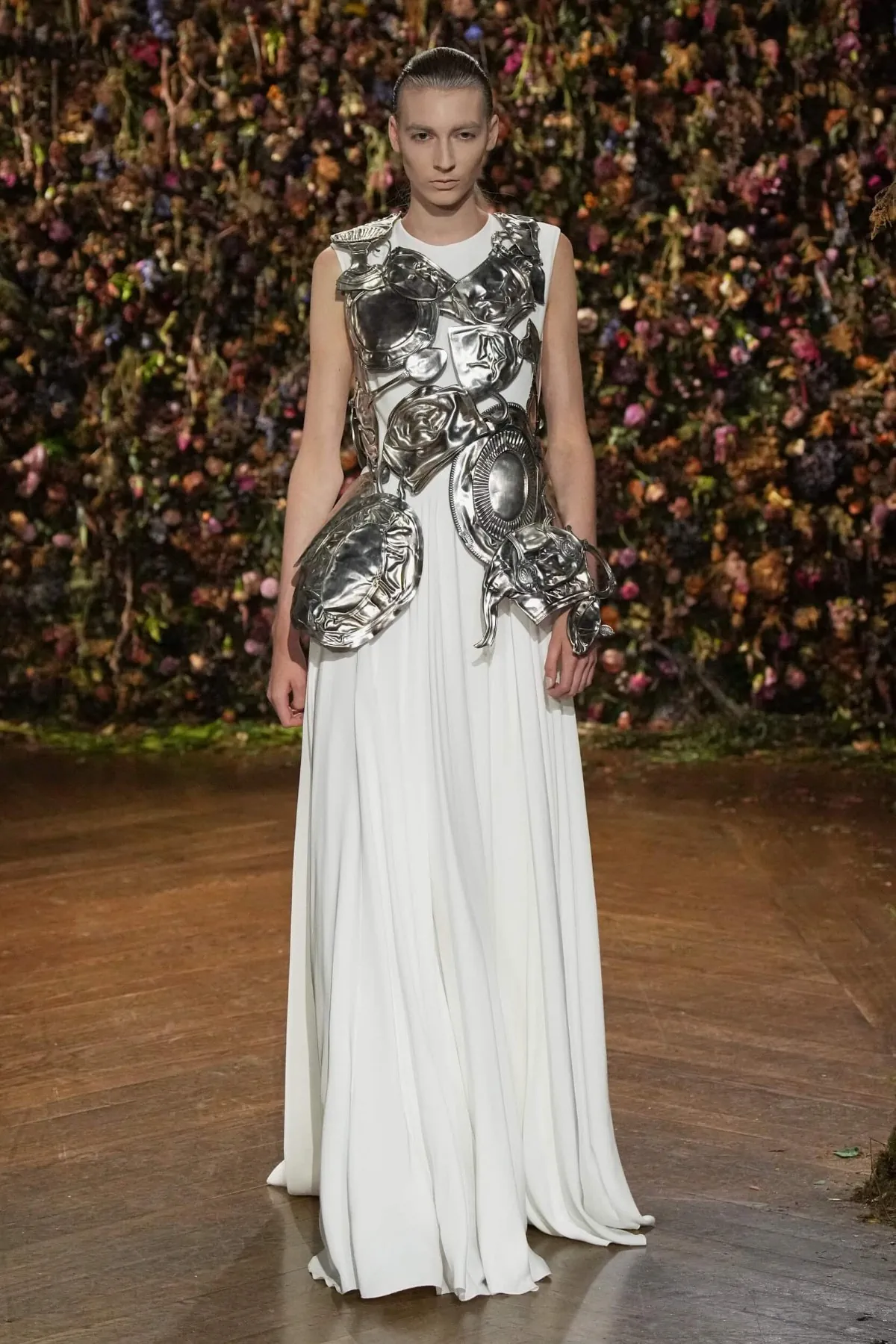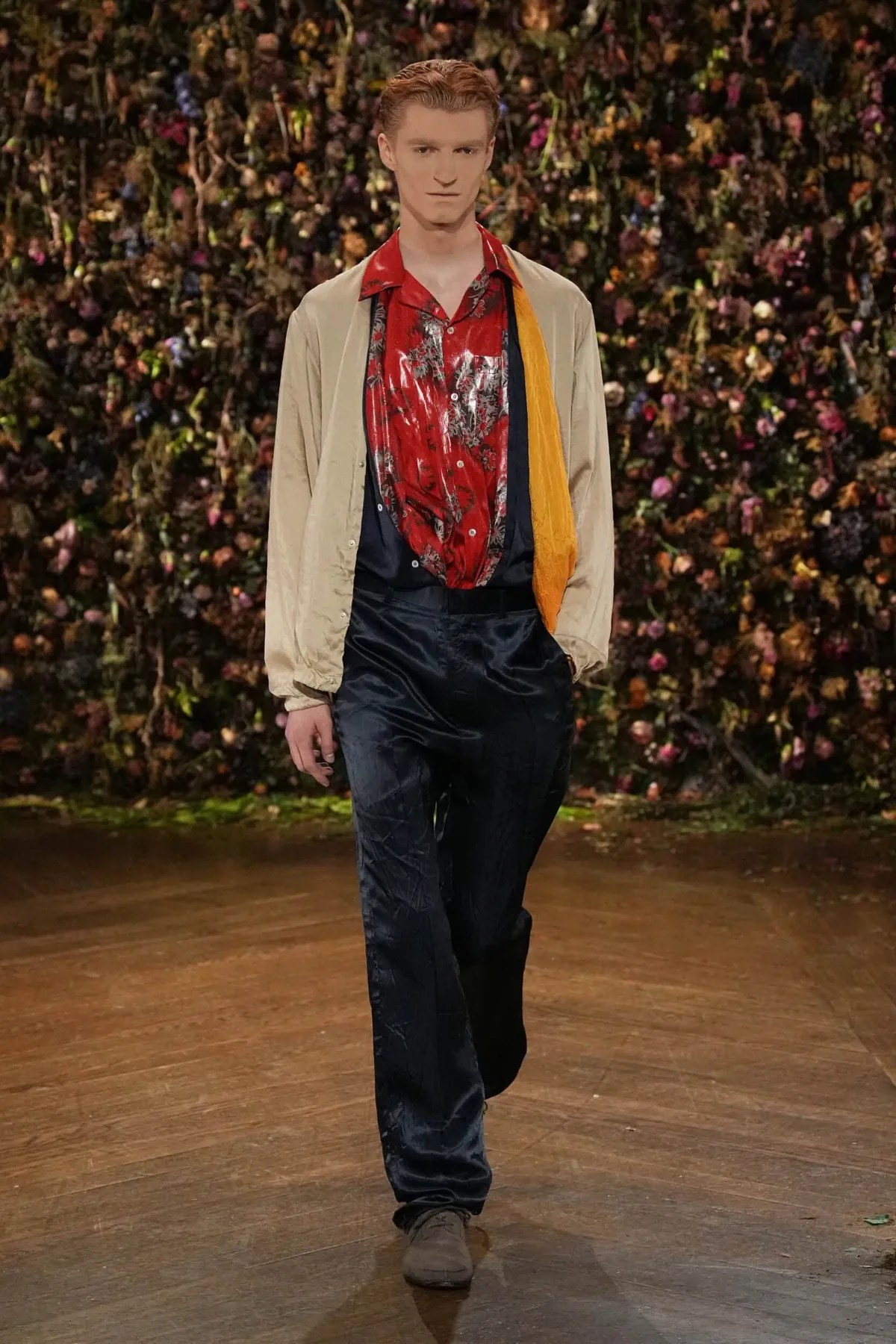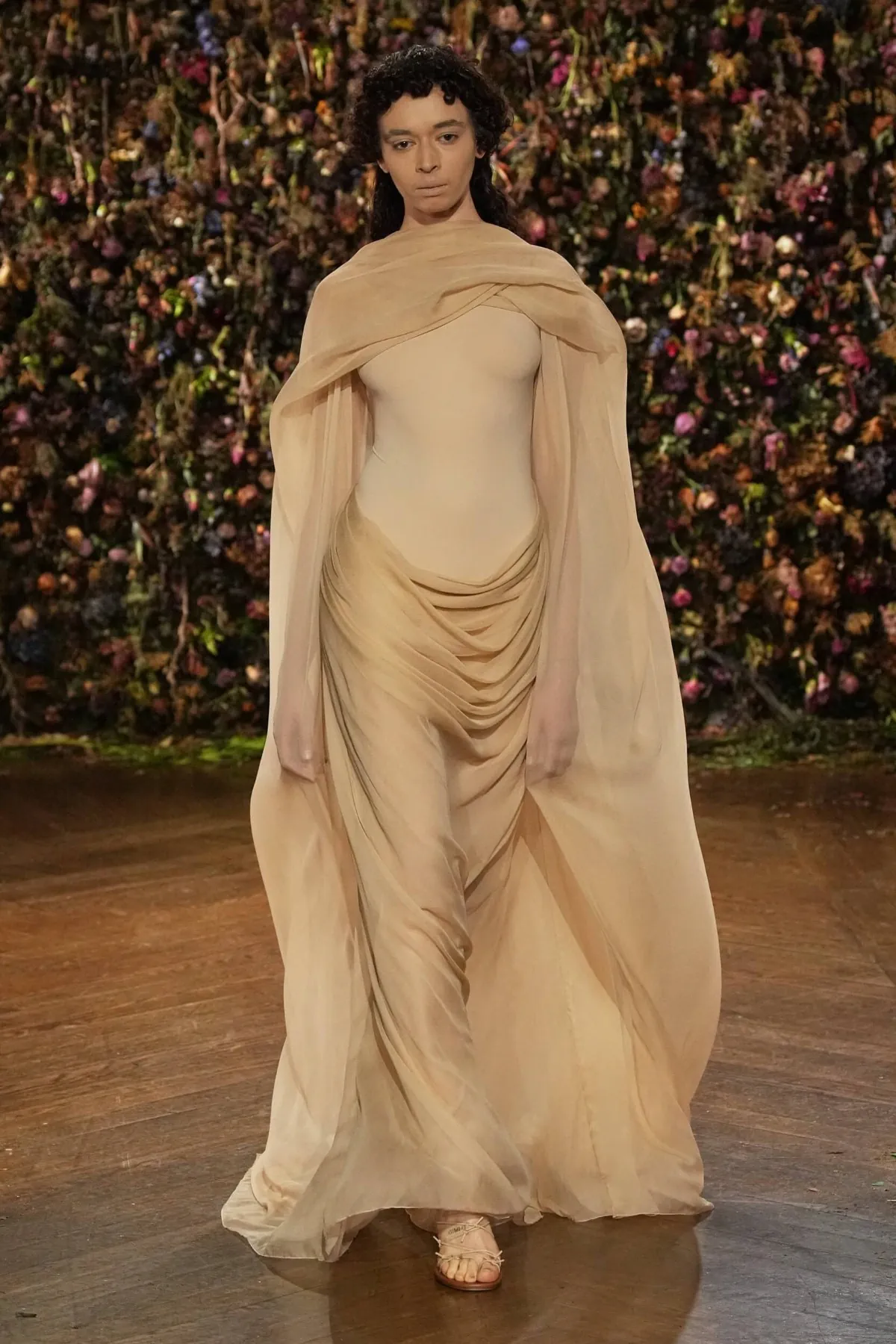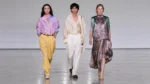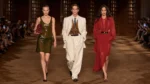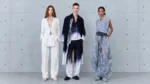

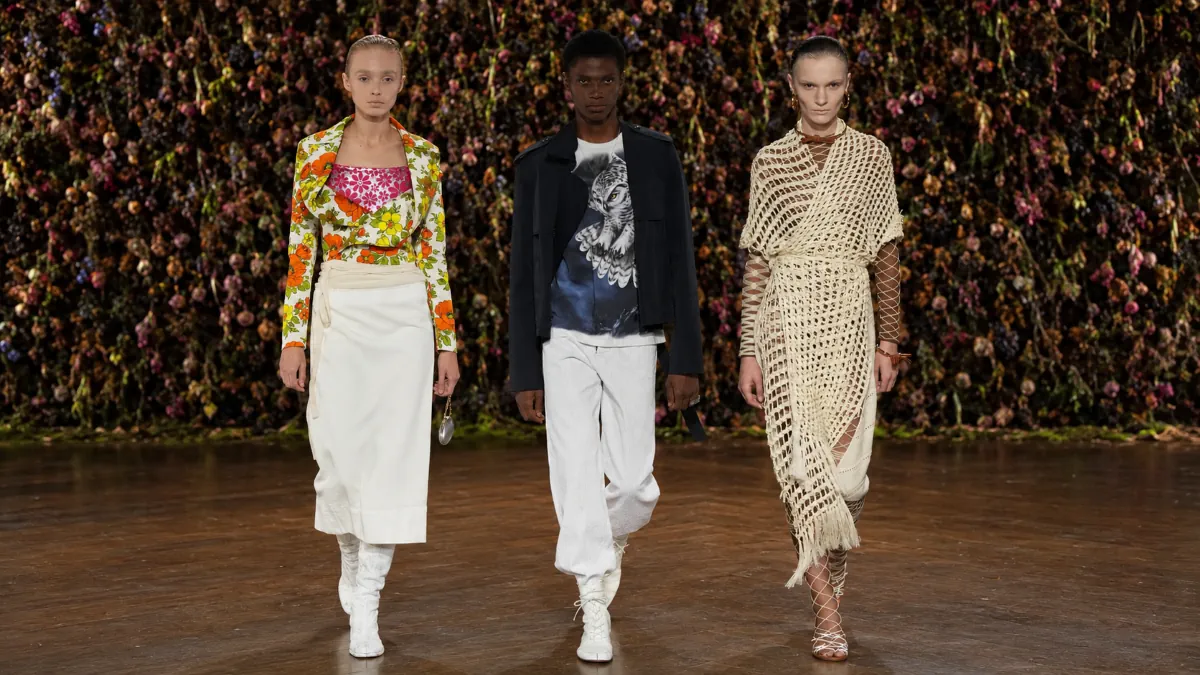
| Maison Margiela presented its unisex Spring 2027 collection in Paris on September 29th, 2026. The collection was designed by Glenn Martens, Creative director of the house since January 2025. It is his third collection for Maison Margiela. The show marked Margiela’s return to the official Paris Fashion Week calendar. Martens presented his final Diesel collection in Milan on September 22nd. |
Just one week after closing his six-year run at Diesel with a roaring farewell in Milan, Glenn Martens arrived in Paris as a designer with only one house left to dress. What he presented was not a victory lap. It was a sales pitch – and a clever one.
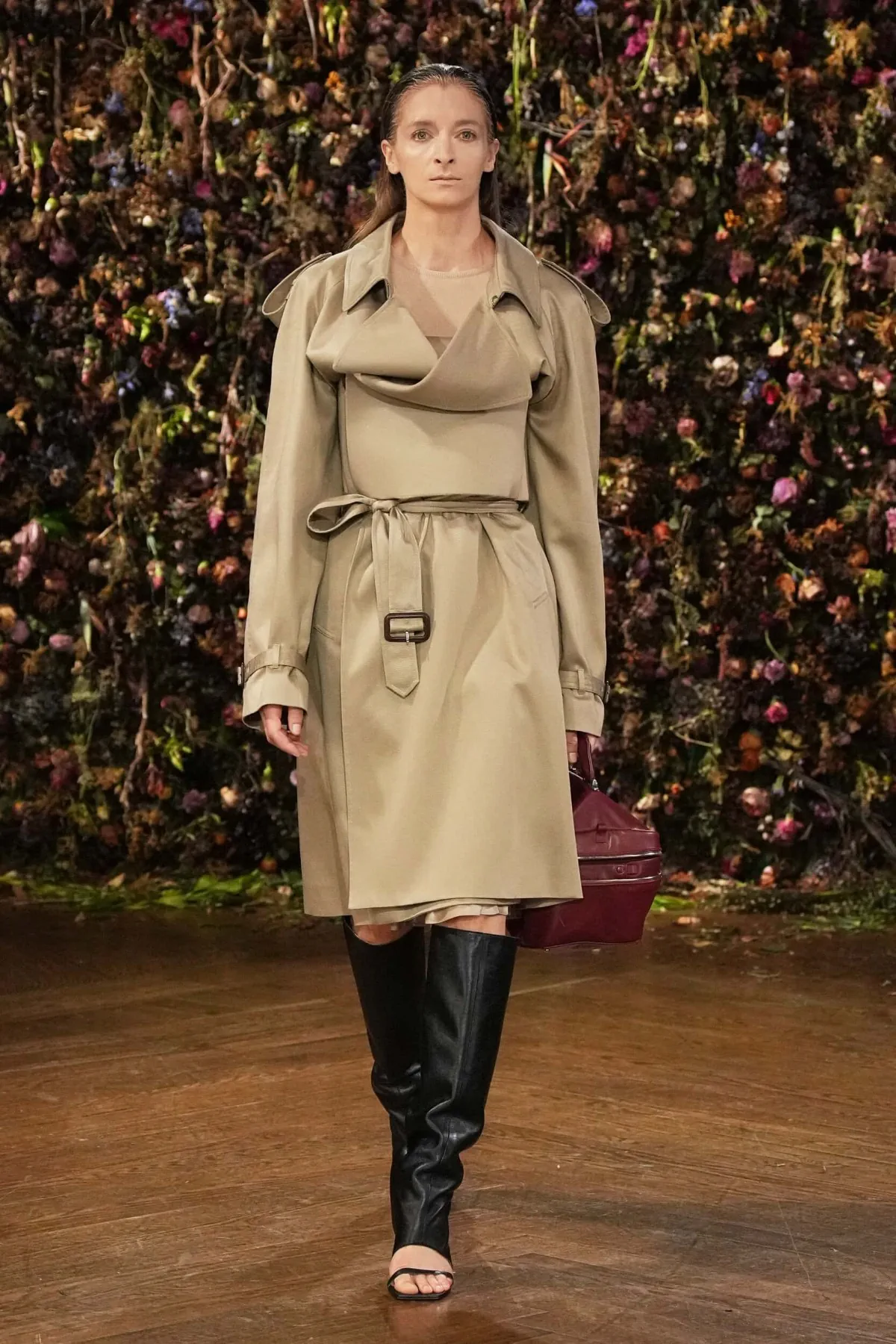
Martens has stopped shocking us and started dressing us. His Spring 2027 show for Maison Margiela was the most commercial he has staged for the brand, which I think was a smart decision.
The unisex collection was presented on Tuesday, September 29th, at 5:30 p.m., on the second day of Paris Fashion Week, in a time slot shared with Dior and Saint Laurent. The show also marked Margiela’s return to the official Paris calendar after a detour through Shanghai. Martens was named Creative director in January 2025, succeeding John Galliano. Until this month, he ran Diesel in parallel. He presented his final Diesel collection in Milan on September 22nd, and he now works exclusively for Margiela. Both houses belong to Renzo Rosso’s OTB group, so this is less a defection than a reallocation of talent. The talent has now been directed toward the brand with the most to prove commercially.
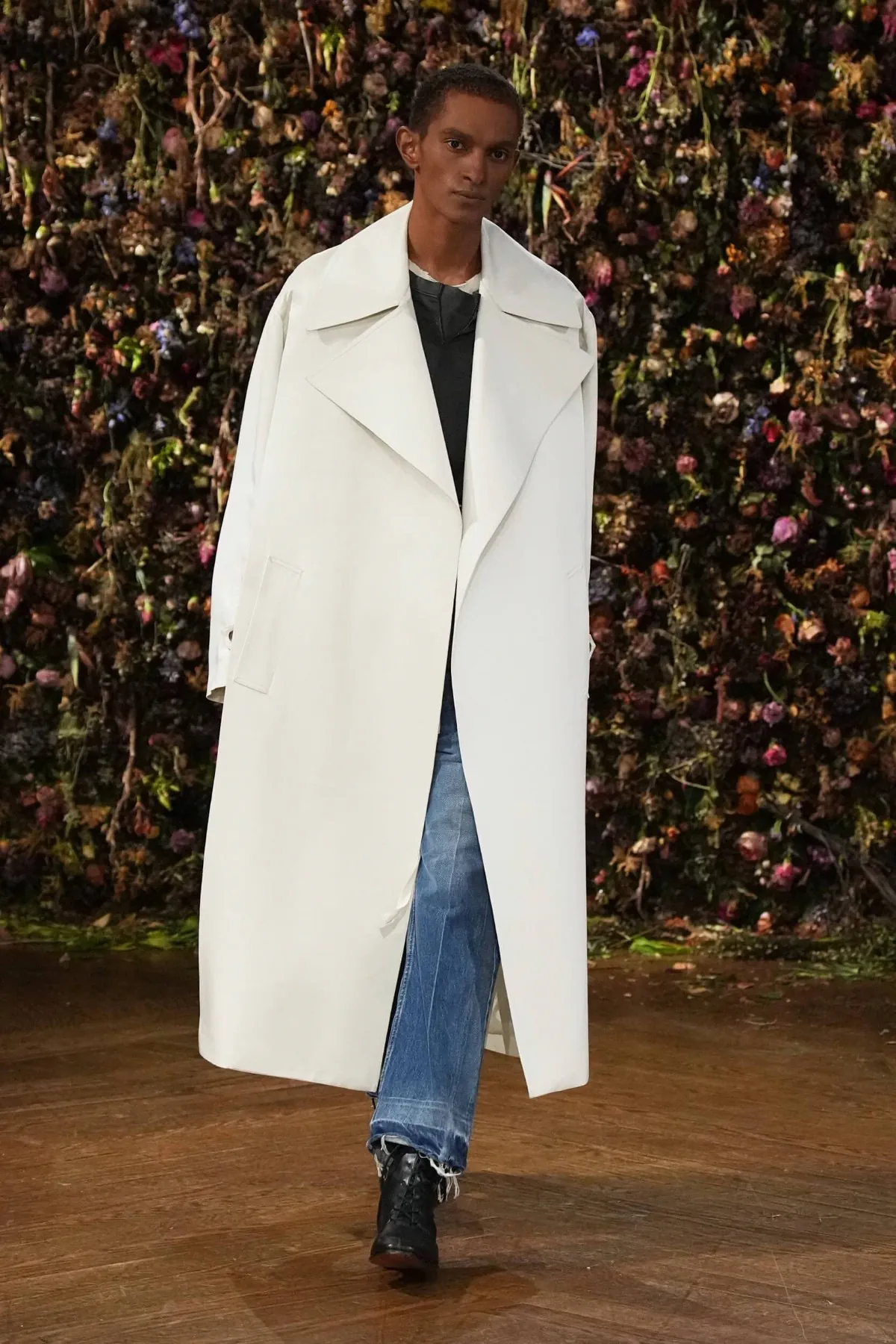
He has now presented three collections. Two were loud, theatrical affairs. This one was quieter, though not timid. Martens called it “hard and soft,” explaining that Martin Margiela started in the late 1980s as the great “anti” of fashion. The new clothes embody that contradiction in the fabric.
Stiffness came first. Trench coats, gray T-shirts, and jersey dresses had firm panels of interfacing at the front, as if small balconies had been built onto the body. A white overcoat pulled away from the chest. An open, stiffened checked shirt sat over tailored, high-waisted ski pants. The same built-in panels appeared on silky tees, turtlenecks, and jackets ranging from dark denim to satin tuxedos. The most transferable idea of the show is the addition of structure to a basic piece of clothing without adding any weight, which is ideal for a man’s wardrobe.
Margiela was once a quiet source of well-cut clothes known only to insiders. That discreet chic returned to the runway. It felt confident.
Then came the tailoring. Lapels were folded inward along a sharp crease and could be flipped back out for a more traditional look. The trick is simple. Customers get two jackets for the price of one, so they never have to feel intimidated. This detail speaks volumes about the collection. You can explain a reversible lapel in five seconds on a shop floor, and that’s exactly the kind of idea a house under sales pressure needs right now.
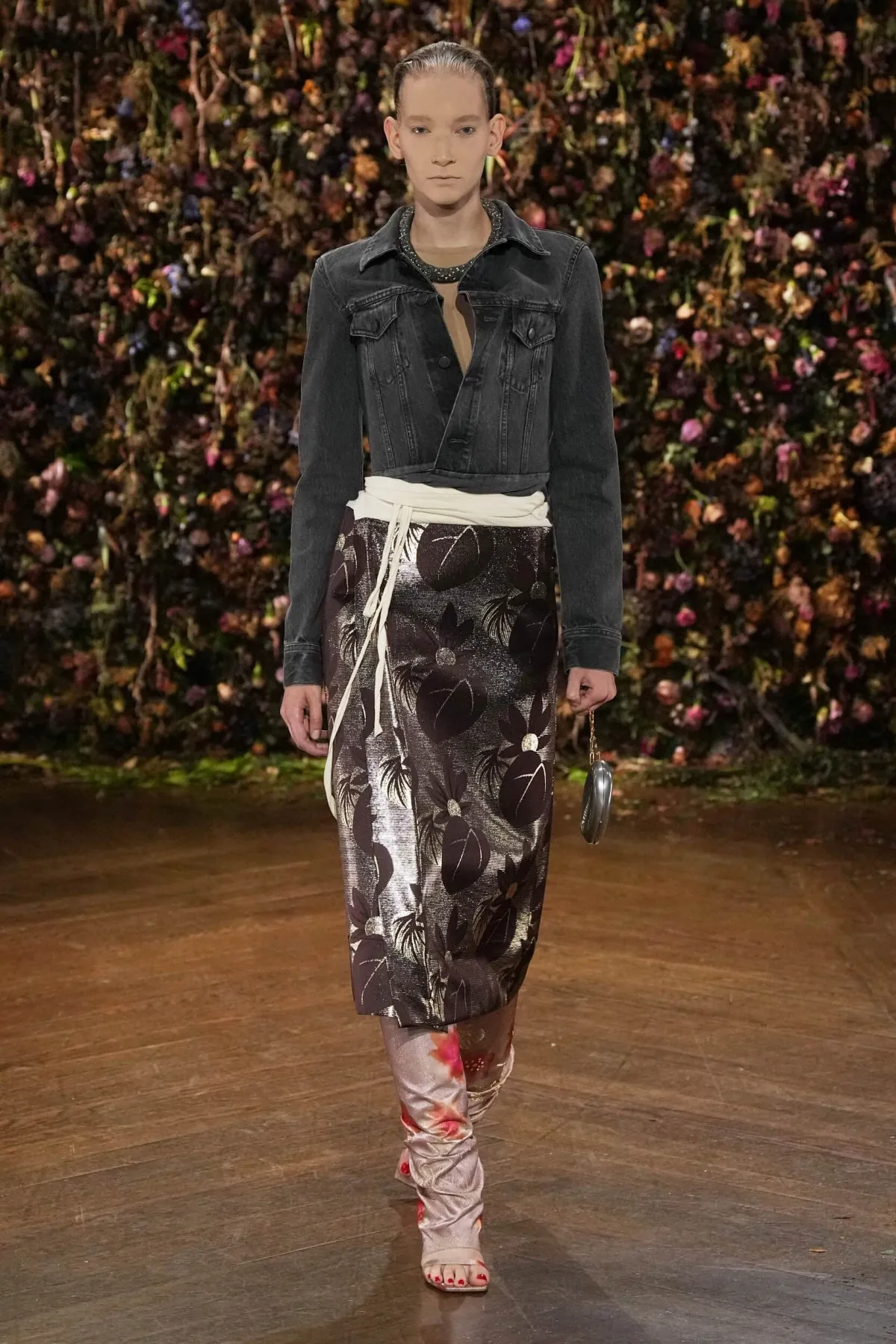
The florals surprised me. Martens described them as 1960s brocades and cut them into column skirts tied with the cotton tape ribbon the company has used for a long time. They looked gentle. They also gave a familiar Margiela design a friendlier look. Before the show, Instagram teasers set the mood with images of flowers, nets, and everyday tableware slowly being crushed under a press. Martens has spoken of preservation and decay, and the runway made that tension feel more deliberate than the typical Fashion Week backdrop.
Follow all the latest news from Fashionotography on Flipboard, or receive it directly in your inbox with Feeder.
You may also read

The best piece, in my opinion, was a pink satin coat. Inside, it held a red lace slip laminated with vinyl. Pulling linings out and displaying them is a habit from the John Galliano years, and Martens handled it with his own light touch. Anyone who followed the house back then would have recognized the gesture.
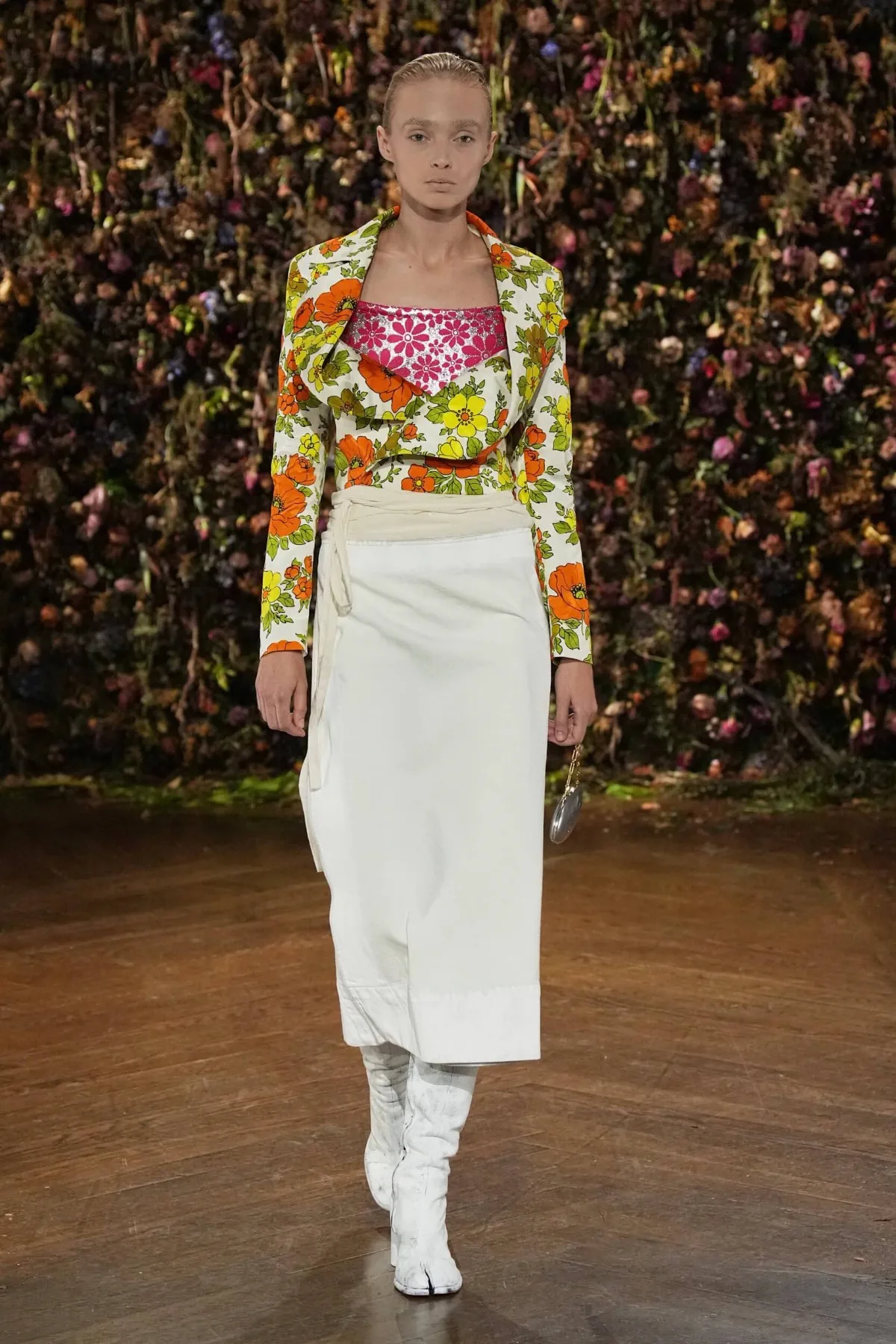
Martens was candid about why the collection looks the way it does. “Today, a house must speak to a much wider public than Margiela ever did,” he said, “so it is harder to push a concept to the limit.” I respect that answer. Few designers admit it so plainly. It also reads differently now that Diesel is behind him. When a designer gives up a second line to focus on one, every subsequent collection becomes a test of whether that focus will pay off in boutiques and reviews.
Martens could not resist designing a few grand evening dresses. One dress looked like a set of family silver crushed into a breastplate. Another was a sculpted, draped gown with swags and a flowing cape, resembling a baroque monument in cloth. The crushed silverware will likely travel the furthest on social media since it transforms the flattened tableware from the teaser campaign into literal armor.
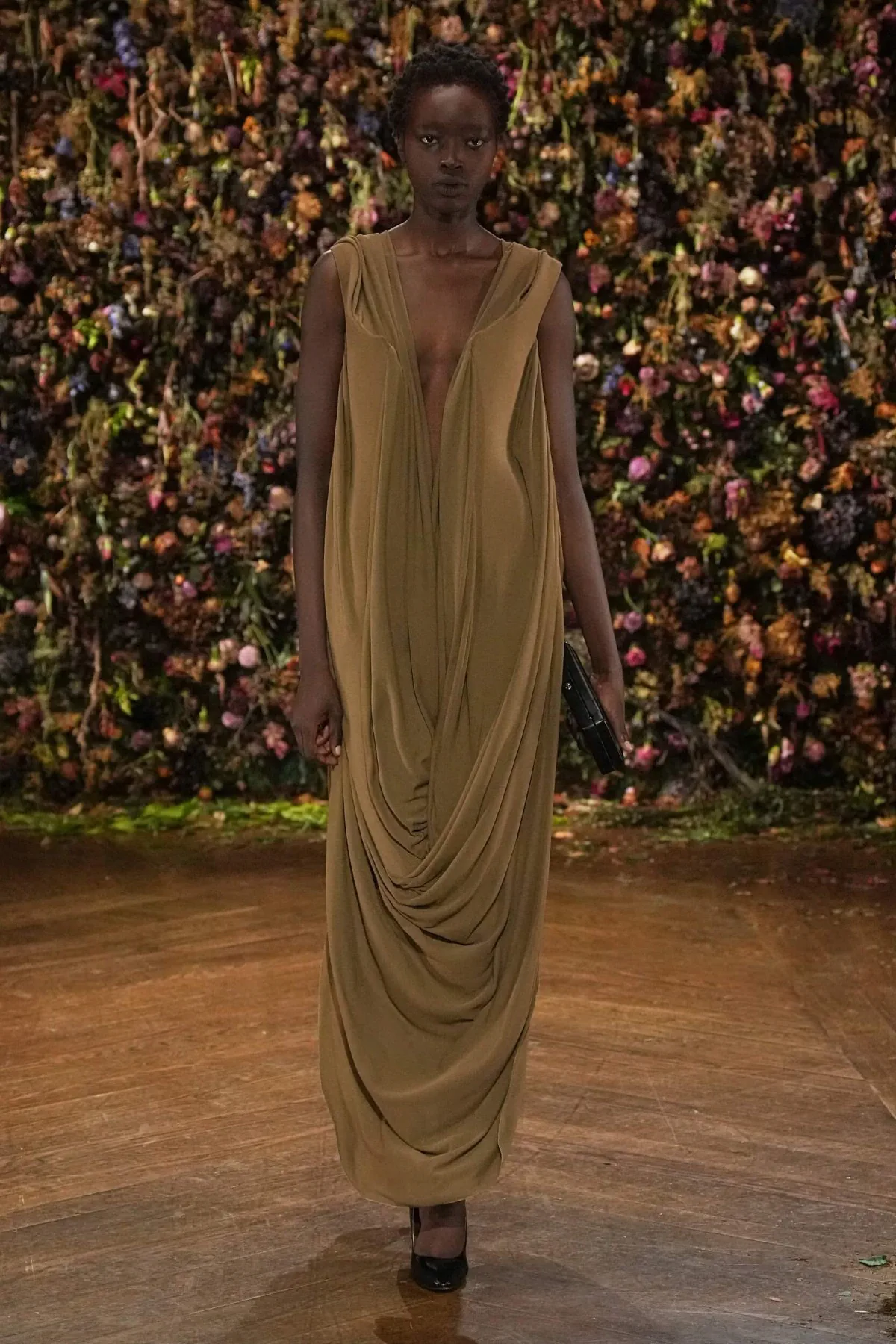
I liked these moments the most, and they also showed the limits of restraint. He laughed and told me that he has spent his days in churches and that opulence is simply who he is. Believe him. A designer with that appetite will never become a minimalist, no matter how reasonable the brief.
Not everything held together. The show presented many ideas, and a firmer edit would have improved it. Some looks felt like a preview of a bolder collection to come.
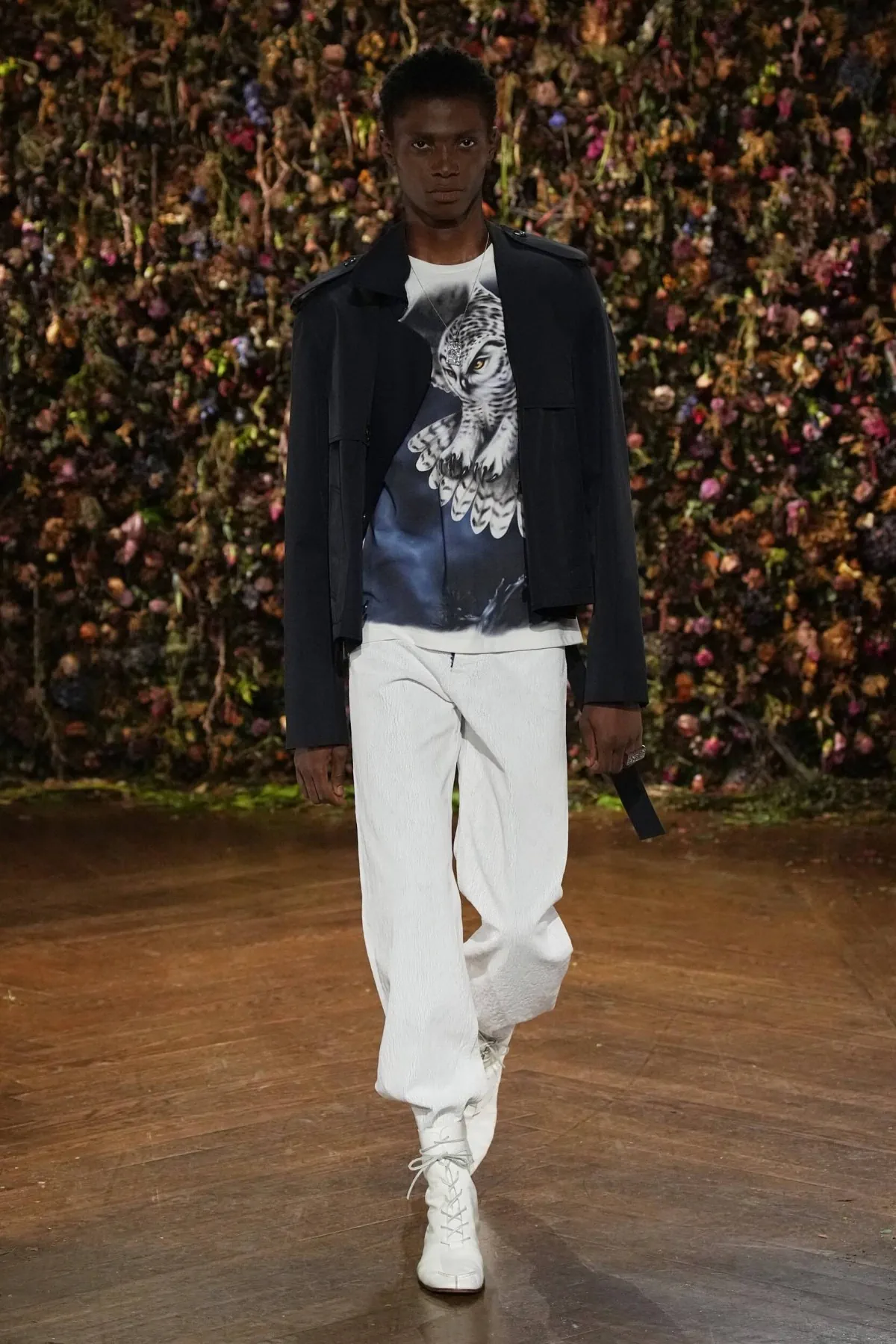
The clothes themselves were persuasive. They were wearable, thoughtful, and often lovely. They asked very little of the customer except curiosity. For fashion-conscious men and women, that is a welcome change. You could walk into a store, see these pieces, and immediately recognize the odd, clever mind of Margiela behind them.
Martens has shown his range. Now, he is showing restraint, and both approaches are useful. His next moves at the house will be interesting to watch. I would say that this collection is not a retreat, but rather a down payment. Martens is building the commercial trust he will need to be different again. At Margiela, being different is the only thing that ever really sold.