


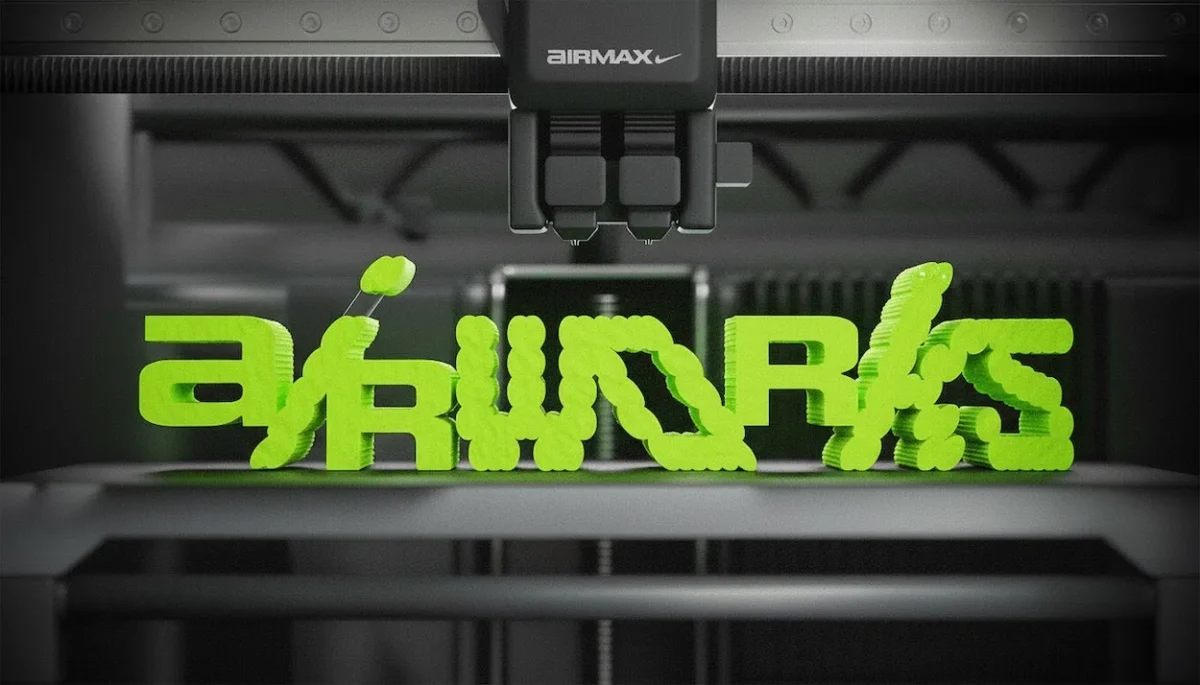
Nike is doing something it rarely does: opening its doors. The Air Works Program – the brand’s first initiative of its kind – gathers eight independent designers from eight cities worldwide and brings them straight to the source. The program runs from May 11th to May 14th and is set to reshape how Air Max evolves and who has a say in its future.
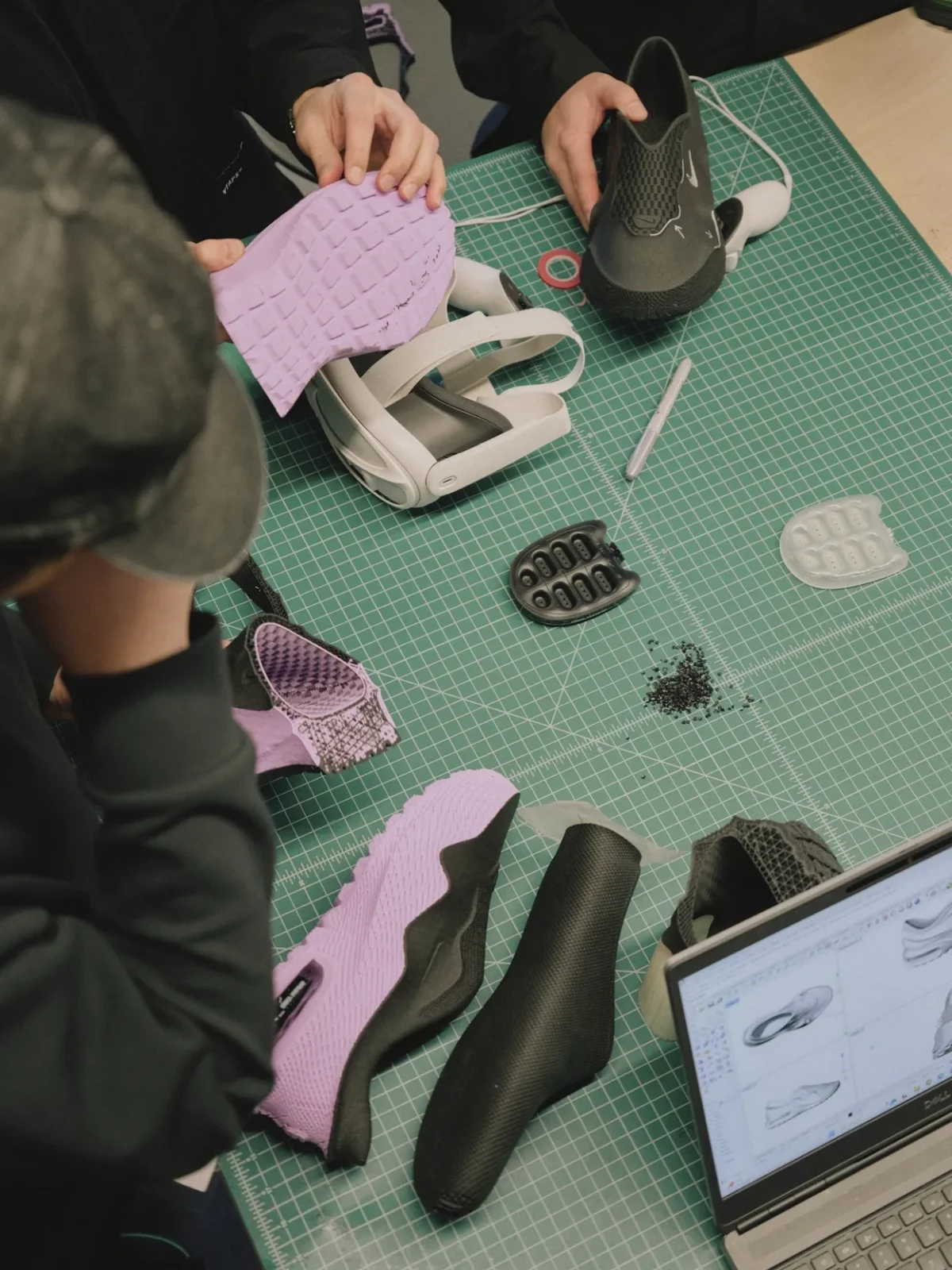
The eight cities are Beijing, London, Los Angeles, Mumbai, New York, Paris, Shanghai, and Tokyo. One designer per city. They will all travel to Nike’s 400-acre Philip H. Knight Campus in Beaverton, Oregon. This headquarters houses the Nike Sport Research Lab, the Nike Archives Department, the Air Manufacturing Innovation facility, the Blue Ribbon Studio, and the Bowerman Footwear Lab. This access alone is extraordinary. These spaces are not open to outsiders.
Andy Caine, Vice President and Creative Director of Nike Sportswear, was straightforward about the program’s purpose. “Air Works is about celebrating the cultural impact of Air Max and inviting a select group of global creatives to envision its future,” he said. “It’s also a chance to take an in-depth look at the history, innovation, and inspiration of Air Max, and to combine outside perspectives with Nike’s unique tools, talent, and capabilities to redefine what Air Max means to this generation.“
Follow all the latest news from Fashionotography on Flipboard, or receive it directly in your inbox with Feeder.
You may also read

The phrase “Nike-only tools” is worth pausing on. The visiting designers will collaborate with Nike mentors and engineers to design 3D-printed Air Max styles in partnership with Zellerfeld. The Berlin-based printing specialist has been developing Nike’s additive manufacturing capabilities since the launch of the Air Max 1000 in late 2024. Zellerfeld’s process fabricates shoes as a single, seamless unit from a flexible TPU material without stitching, adhesives, or traditional assembly. The process is slow; a full shoe can take up to two days to print. However, it produces results that conventional manufacturing simply cannot.
The Nike-Zellerfeld collaboration has moved quickly. The Air Max 1000, a 3D-printed reinterpretation of Tinker Hatfield’s original 1987 design, launched at ComplexCon in November 2024. By October 2025, they had revealed the Air Max 95000, which introduced Project Nectar: a print-first method that adds outsole durability and surface detailing without secondary lamination. Zellerfeld CEO Cornelius Schmitt described the expanded partnership as enabling the team to “design faster, test ideas instantly, and experiment without limits.“
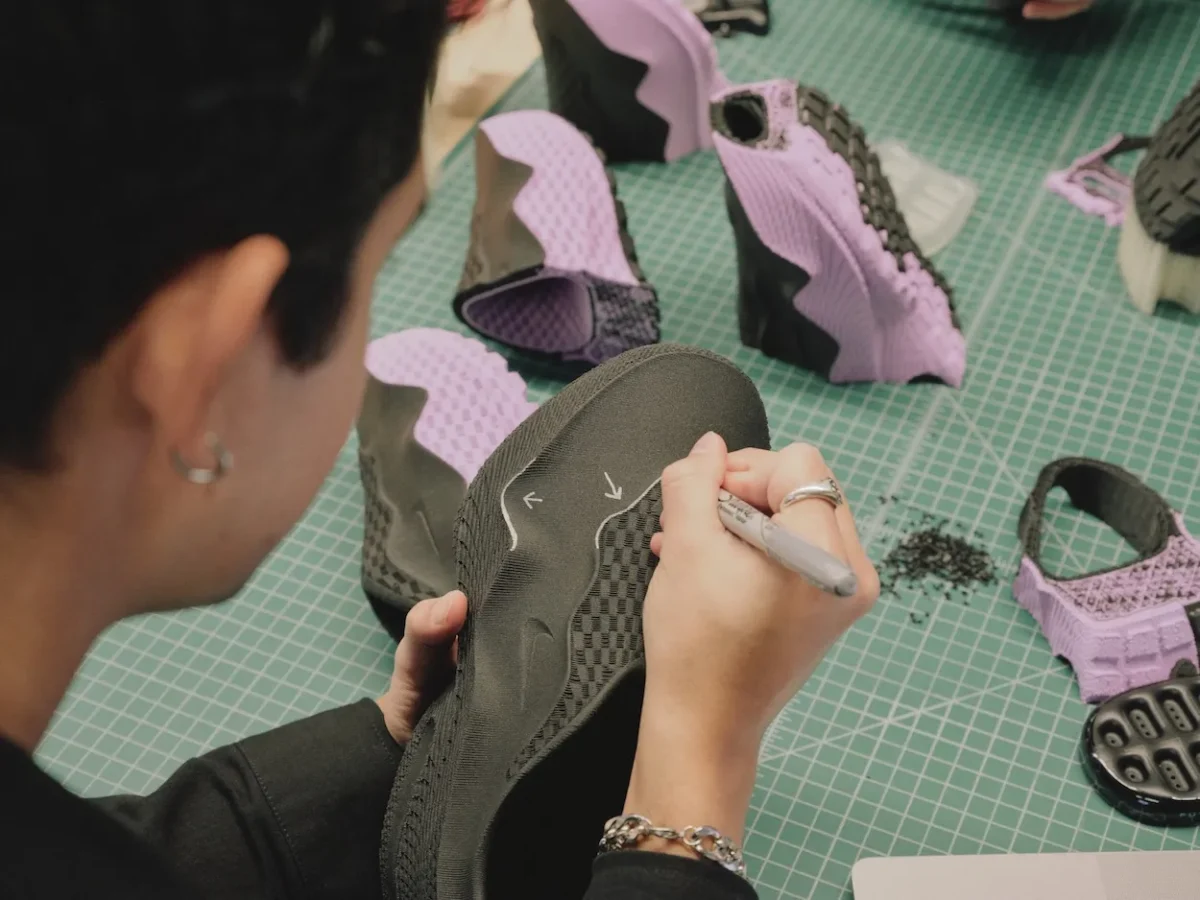
This spirit of experimentation is precisely what the Air Works Program aims to foster. The eight designers will have hands-on access to Nike’s archives and research facilities and will then produce distinctive shoe concepts that reflect their perspectives and their home communities. The goal is not a uniform aesthetic. It is the opposite.
Air Max has always carried cultural weight that extends well beyond performance. The Air Max 1 debuted in 1987 with a visible air unit inspired by the exposed architecture of Paris’s Centre Pompidou – a radical design choice that incorporated the technology itself into the shoe’s appearance. The silhouettes that followed became touchstones for successive generations of sneakerheads, each tied to a particular city, scene, or moment. At its core, the Air Works Program is a bet that those local ties still matter and that the next defining Air Max expression won’t come from a single room in Beaverton.
Throughout the coming year, each designer will release a limited friends-and-family edition of their shoe within their own community. These releases are not commercial. They are proof of concept, designed to live and breathe locally before the conversation shifts toward Air Max Day 2027.
Nike has not yet announced the names of the eight participating designers. More details are expected later this season.