


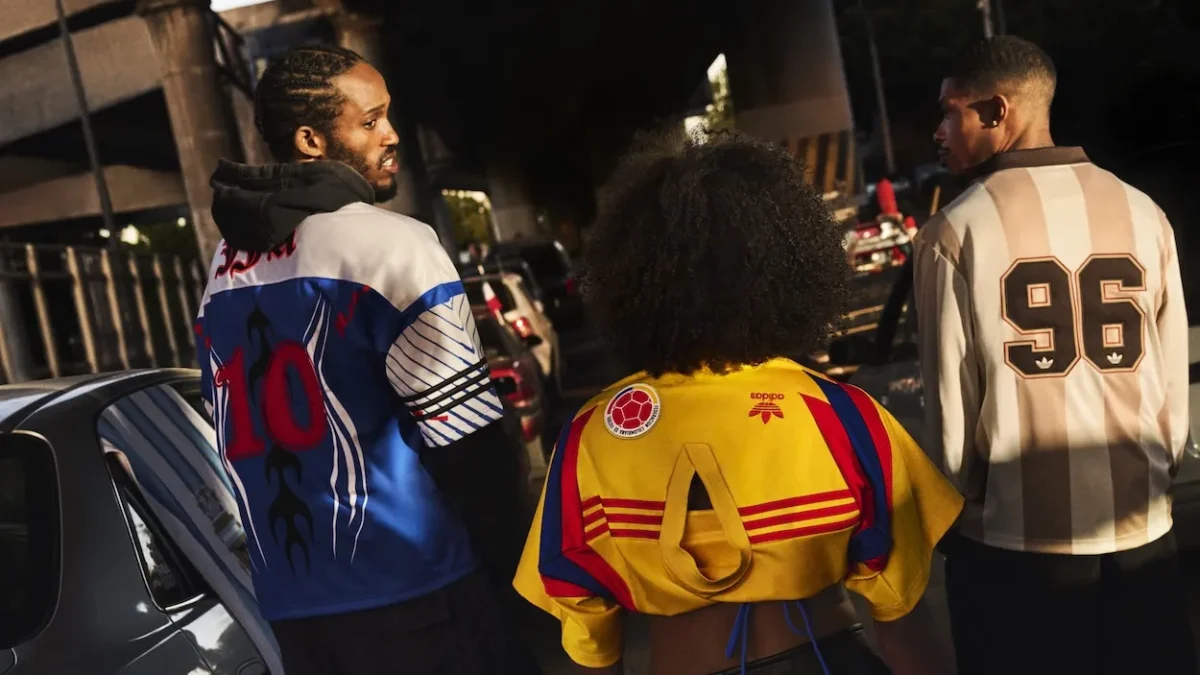
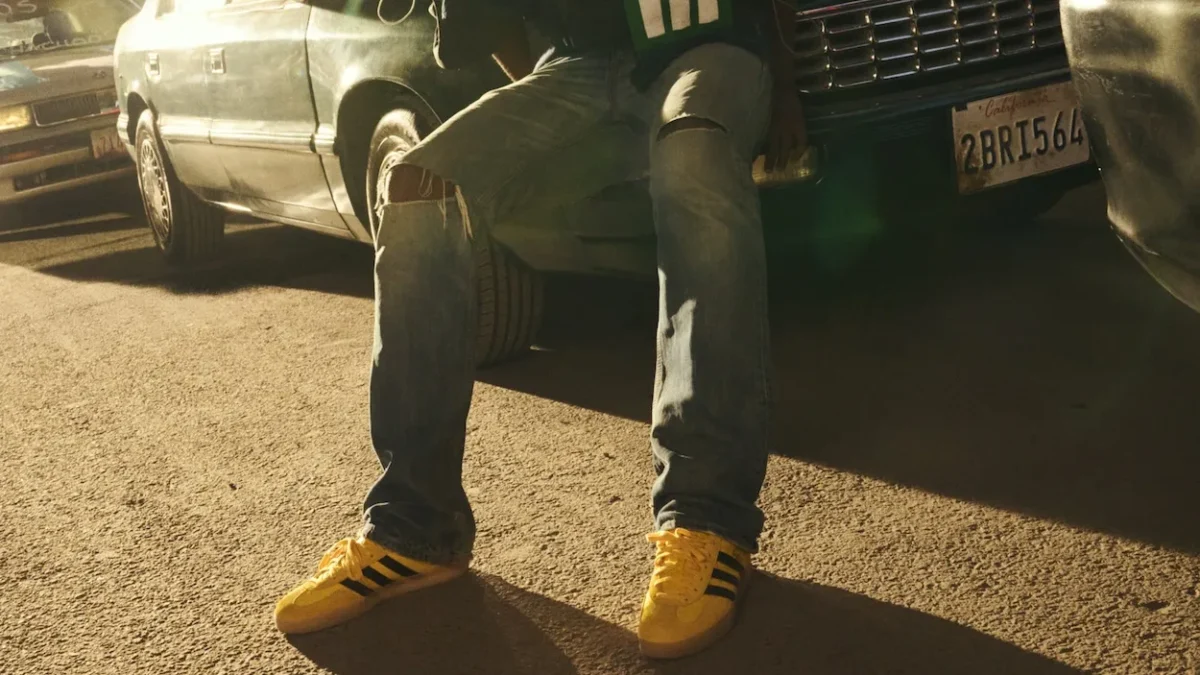
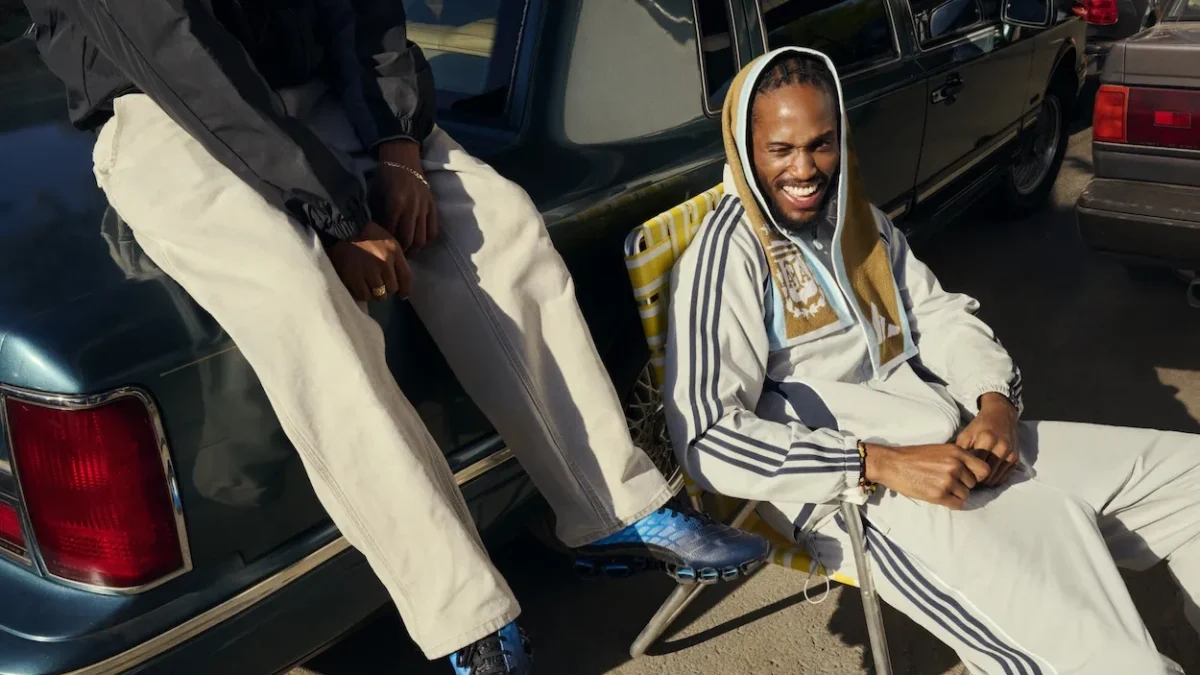
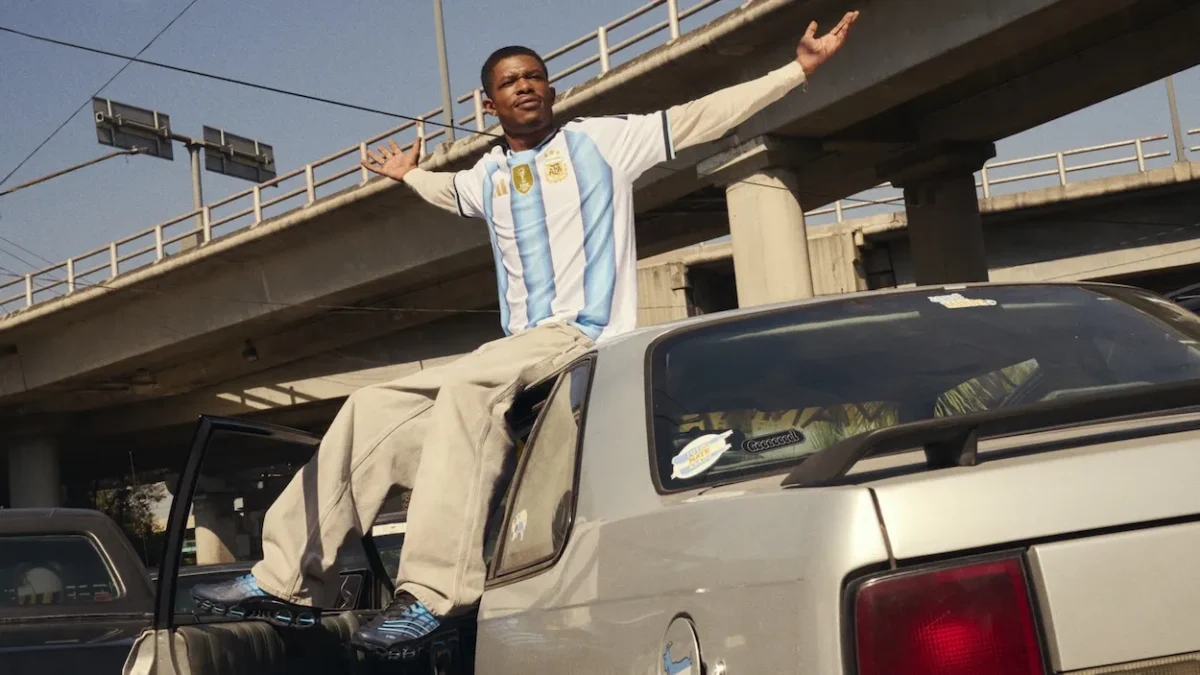
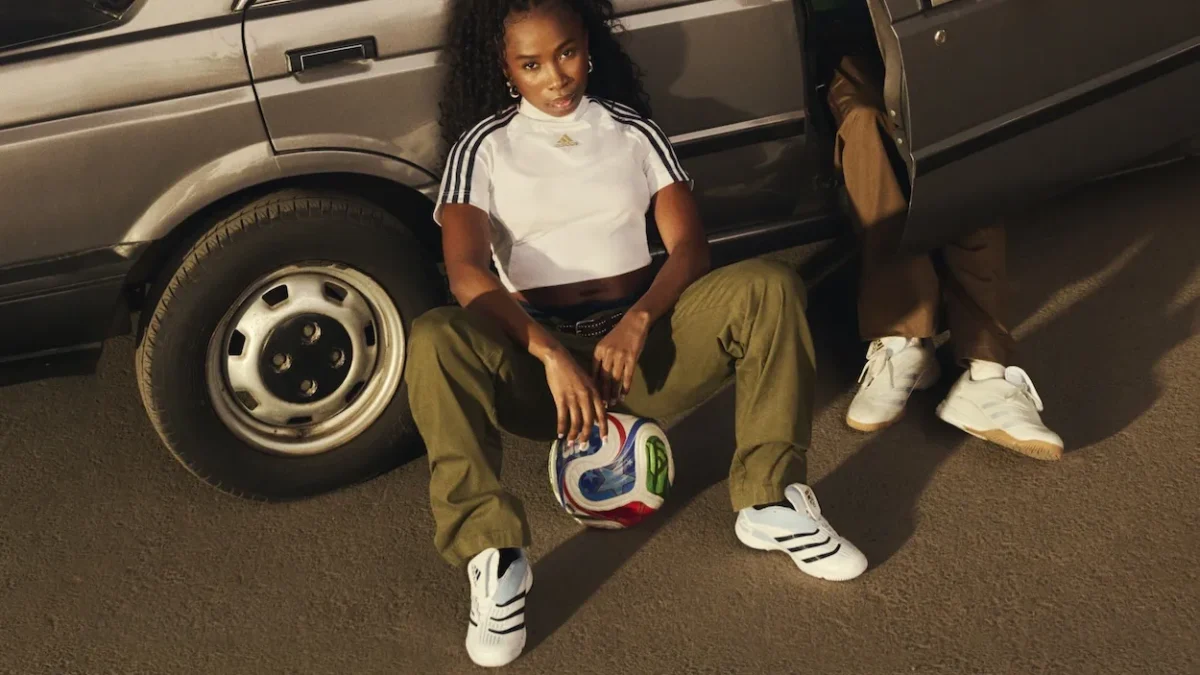
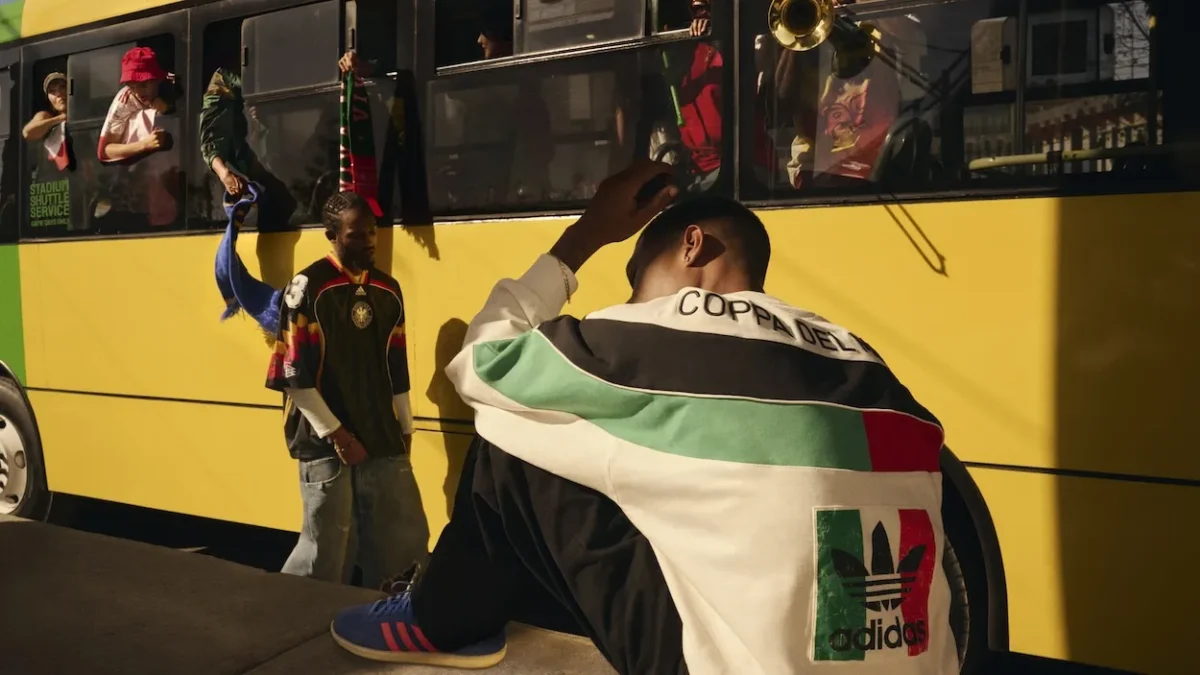
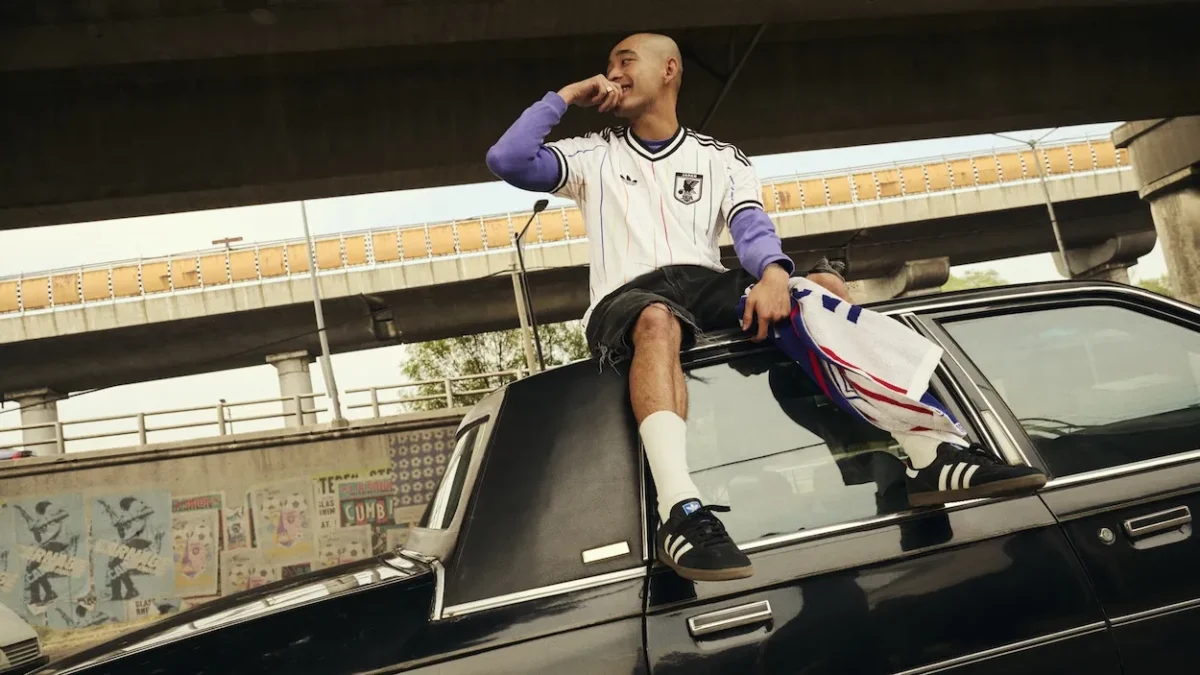
adidas Originals understands something the fashion world sometimes forgets: the best clothes are worn before and after the game, not during it. As the FIFA World Cup 2026 approaches, the brand launched its Spring/Summer 2026 campaign on April 2nd, reminding us that the three stripes and soccer have been inseparable since long before streetwear became a category.
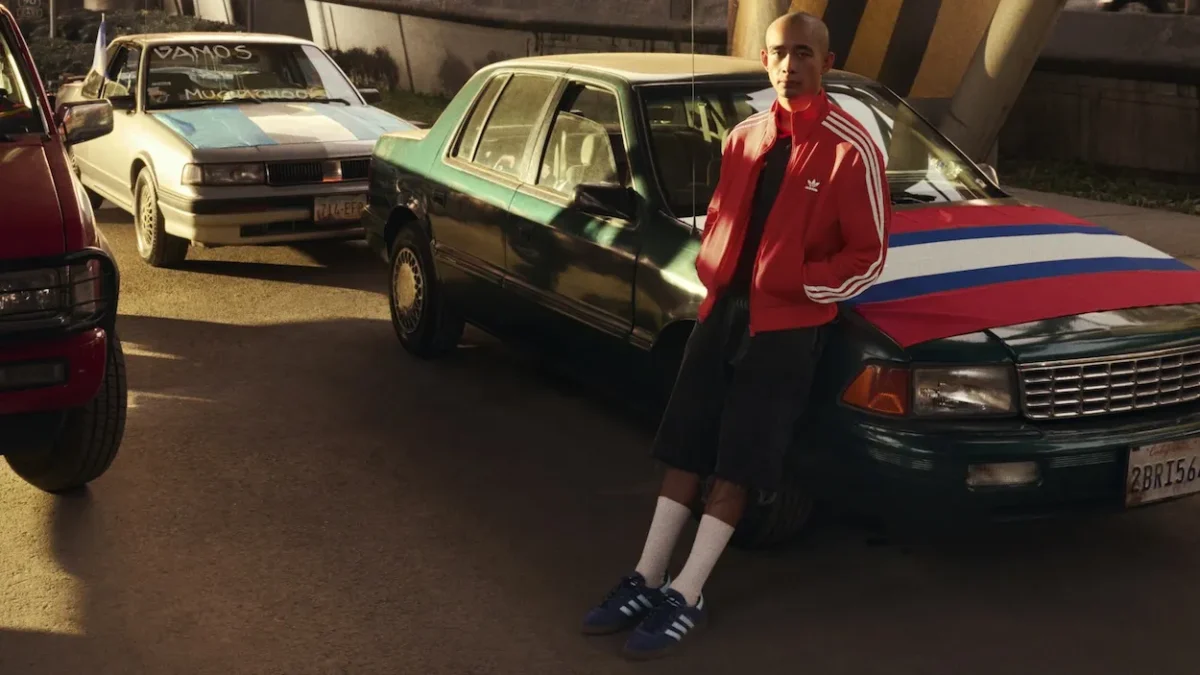
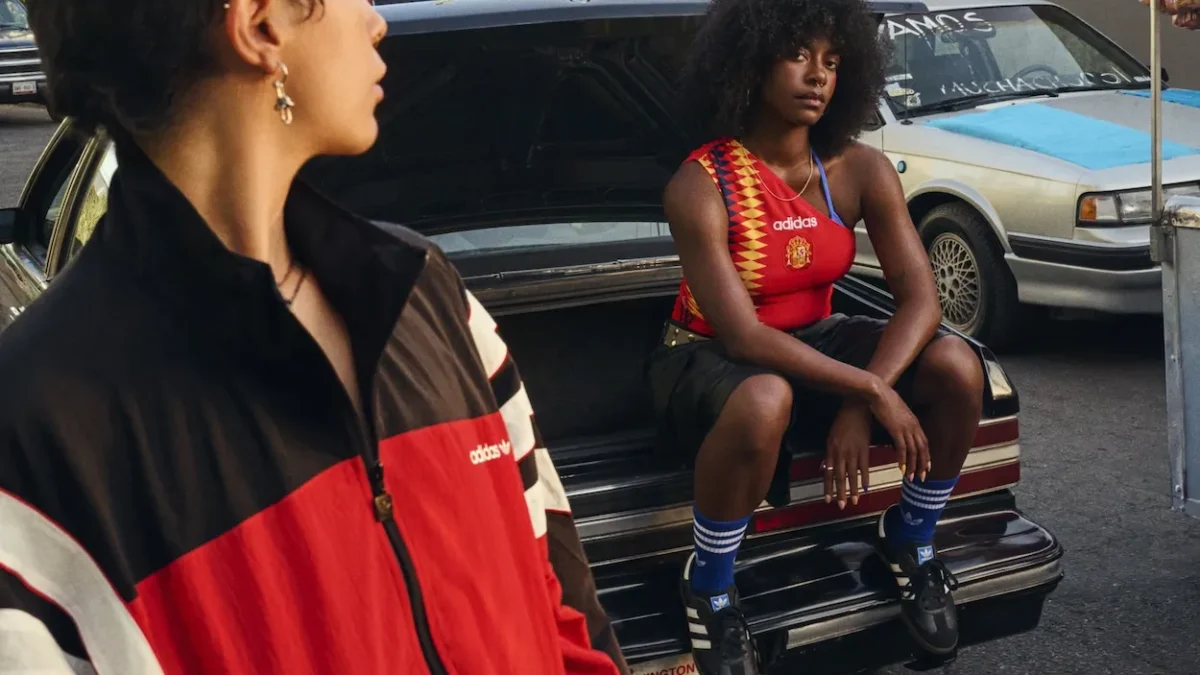
This provides useful context. On March 19th, adidas took over the Lower Grand Tunnel in downtown Los Angeles to unveil its 2026 FIFA World Cup away kits. Performances by Kaytranada and Baby Keem turned a standstill of cars into a street-level celebration of football culture. The energy was deliberate. For the first time in 36 years, the iconic Trefoil appeared on federation kits across the entire range – a significant development for those who grew up watching soccer in the late 1980s. The Trefoil is not an adidas performance mark; it belongs to adidas Originals, the lifestyle side of the brand, the terrace, and the record store. Putting it back on a World Cup jersey makes a statement about where football culture actually lives.
Sam Handy, the GM of adidas Football, made the intent plain: “This is a defining era of football culture. Its style transcends more walks of life and pockets of subculture than ever before, and the jersey is perhaps the truest representation of this.”
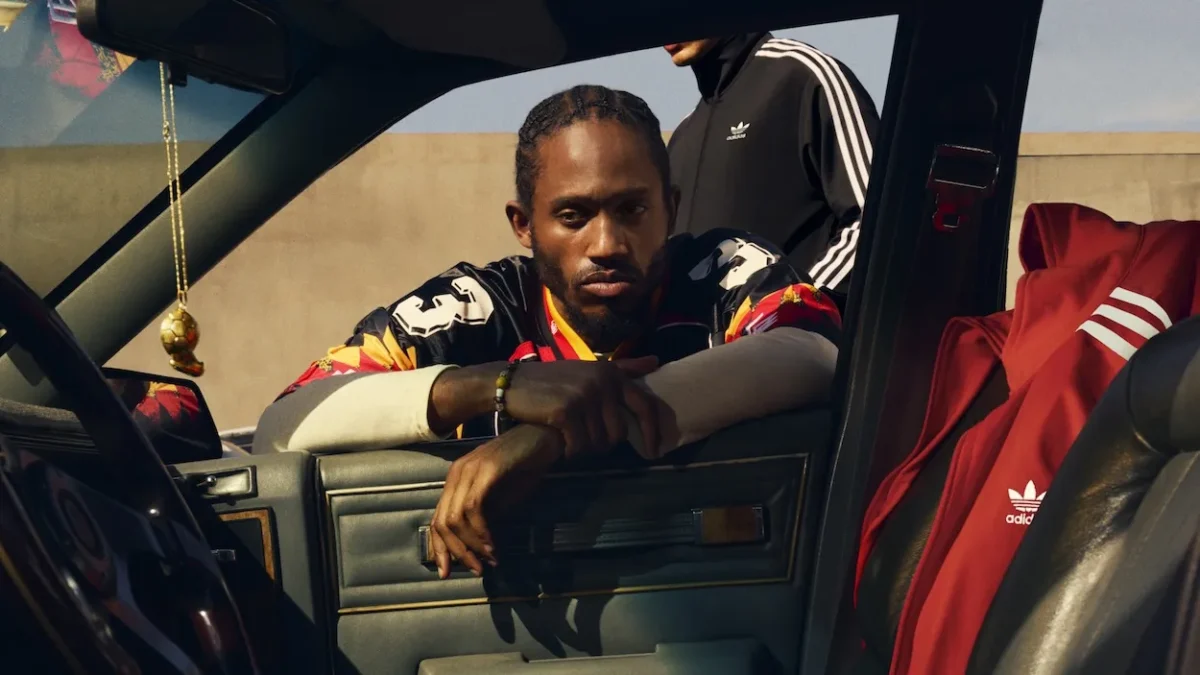
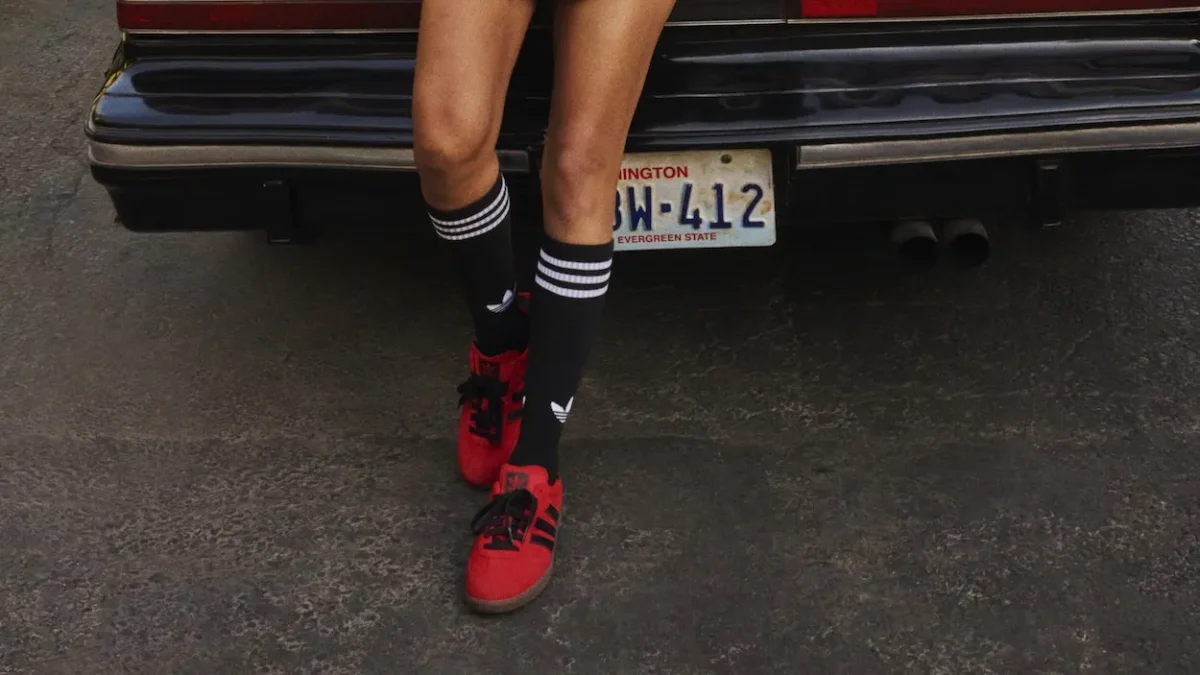
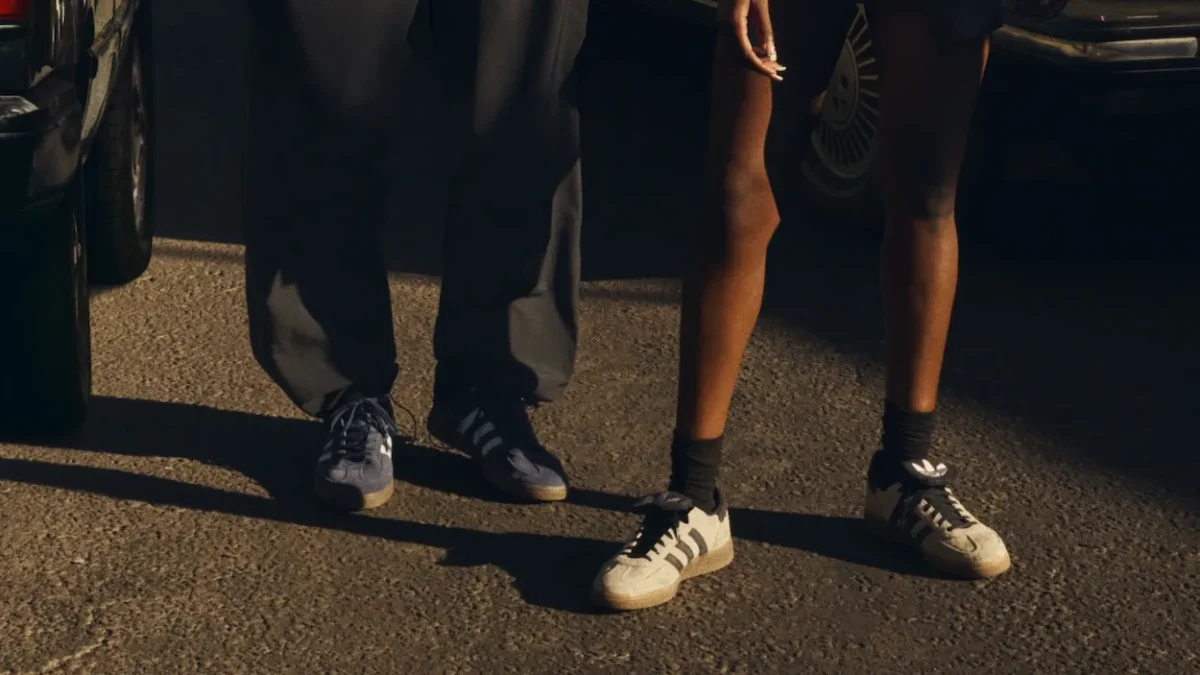
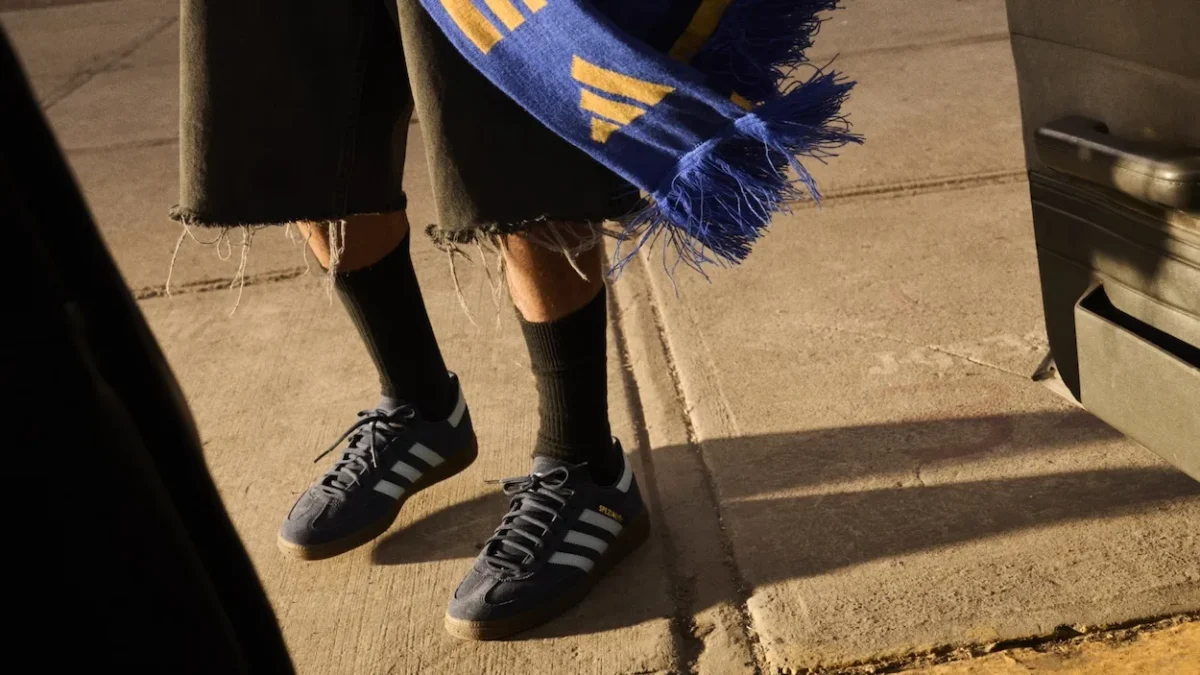
The Spring/Summer 2026 collection picks up where the jersey launch left off. The pieces are familiar yet fresh. There’s the black Samba with white stripes. The Handball Spezial comes in dark and light blue. The Firebird tracksuit comes in black and red. Originally developed as a training shoe for icy conditions, the adidas Samba has evolved into a streetwear staple, demonstrating how performance-driven objects can transition into everyday use. None of this required reinvention. It required knowing what not to change.
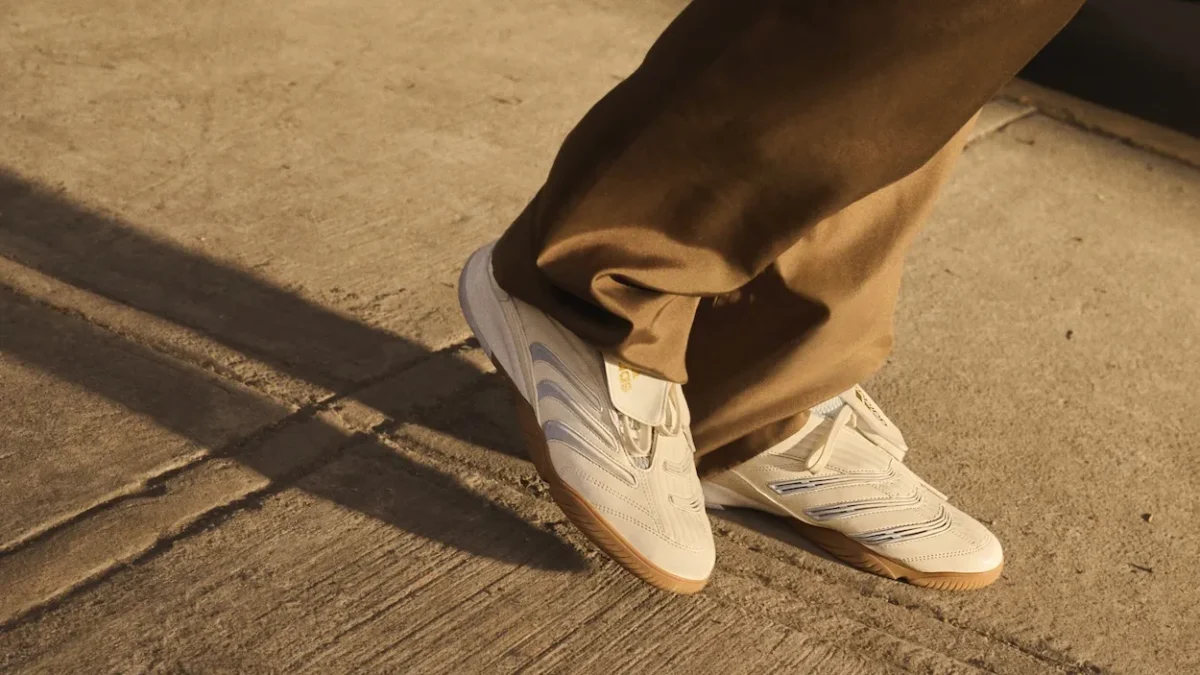
Then there are the Megaride F50 and the Predator Sala, which take two of the most recognizable soccer cleat designs in history and bring them off the field. The F50 was speed. The Predator was control. Translated into street shoes, they carry that legacy forward. You can wear them even if you haven’t touched a ball in twenty years. That’s the point.
Follow all the latest news from Fashionotography on Flipboard, or receive it directly in your inbox with Feeder.
You may also read

The campaign films, shot by Jack Begert, and the stills, shot by photographer Chris Rhodes, feature a cast that includes Jude Bellingham, as well as musicians, designers, artists, and regular supporters. They are all stuck in traffic, which turns out to be a precise metaphor for the World Cup experience. The film captures how individual passions become shared goals, honoring each person’s unique love for the game. Football does that. It puts you in a tunnel with strangers who suddenly become your friends.
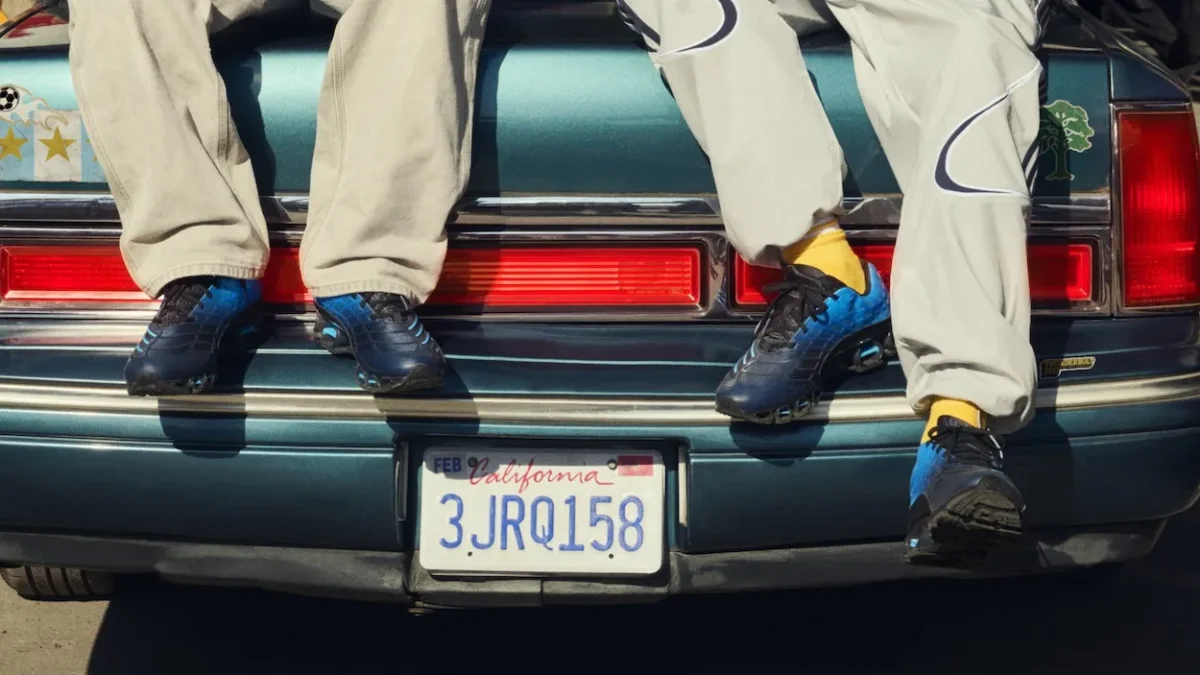
The campaign understands – as adidas has for a long time – that the World Cup belongs to the people outside the stadium as much as to those inside it. The rituals before kickoff. The superstitions worn on the body like armor. The secondhand jersey a kid bought that reveals exactly which team she supported in 2002. These kits are meant to be worn outside the game, they’re pieces you wear, not just something you watch.
The FIFA World Cup 2026 kicks off on June 11 across three countries: the United States, Canada, and Mexico. It will be the largest tournament in the competition’s history. adidas has been preparing for this summer for a long time, and the Spring/Summer 2026 collection is, in many ways, the warm-up act. The away jerseys are already available on adidas.com.