


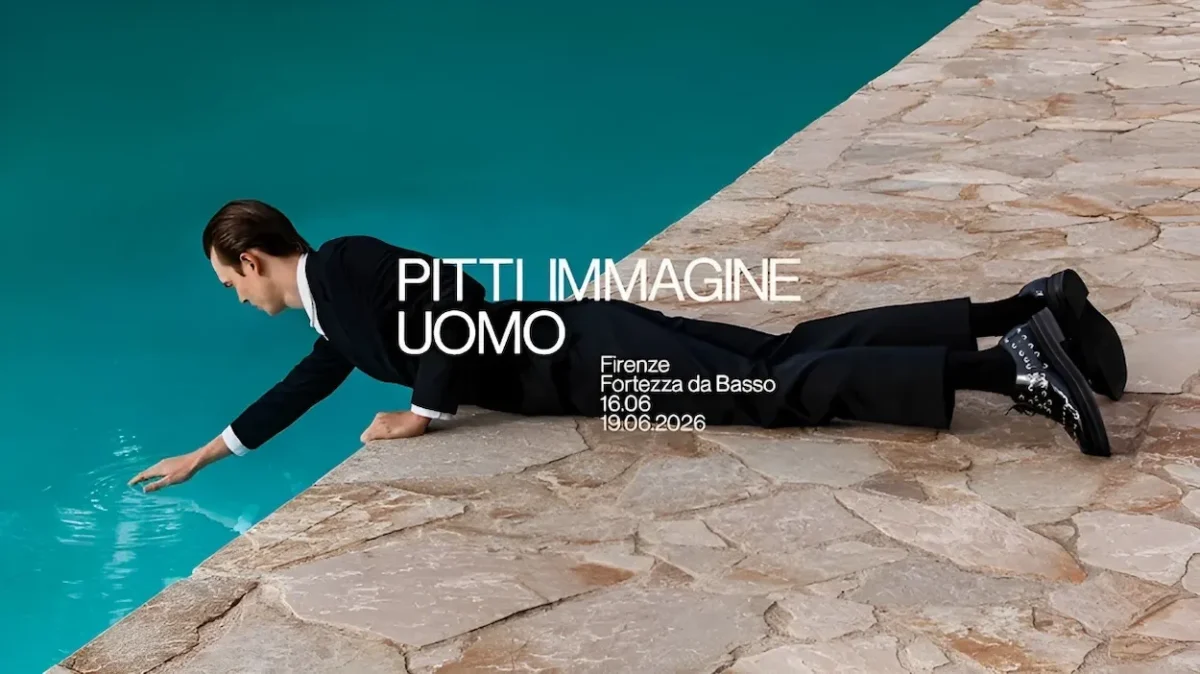
Florence, June 16th-19th. Two names, two shows, one unmistakable signal: Pitti Uomo 110 is slowly breaking away from its traditional, tailoring-focused identity. When the Florentine fair announced Simone Rocha and Kei Ninomiya of DSM as its guest designers for the next edition, the fashion world took notice. The pairing is deliberate and raises an interesting question: What is Pitti Uomo becoming?
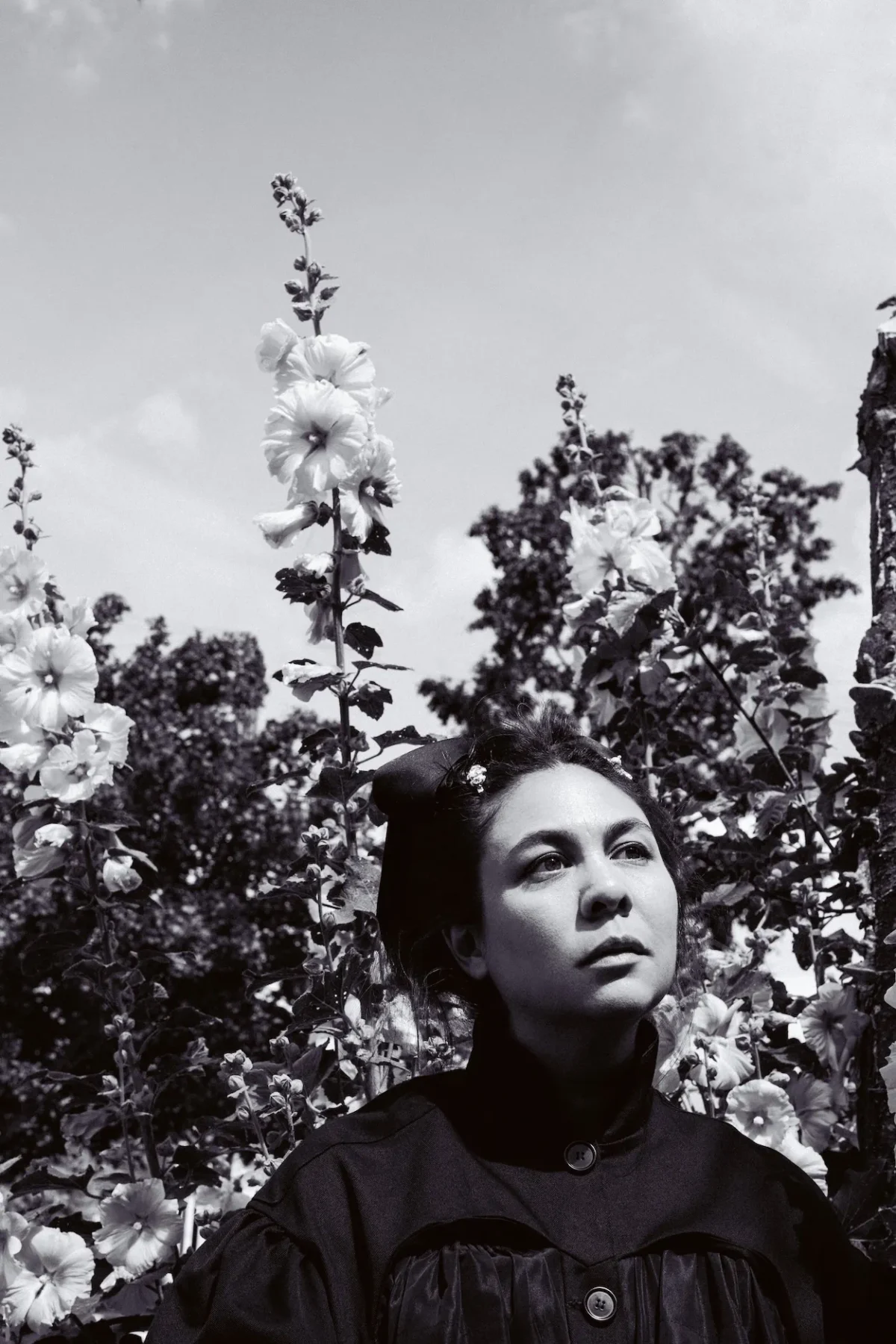
Simone Rocha brings a personal and emotional vision to menswear
Rocha’s invitation marks her first independent menswear show on the official calendar. The London-based Irish designer, founder of her eponymous brand, will present a special runway show in Florence. This will be an opportunity for her to showcase her full vision for menswear on an international stage. She put it plainly herself: “I am thrilled to share the depth and breadth of my vision for men, especially against the backdrop of beautiful Florence. I approach it with authenticity and vulnerability, seriousness and playfulness.”
The phrase authenticité et vulnérabilité is worth reflecting on. Rocha’s womenswear has always been rooted in something personal: Ireland, Hong Kong, family, and art. Her silhouettes carry weight, both structurally and emotionally. Her reputation as a women’s designer blurs conventional boundaries at Pitti Uomo, and that blur appears entirely intentional.
Francesca Tacconi, Special Events Coordinator at Pitti Immagine, made a case for Rocha with unusual candor: “At a time when part of menswear seems to be leaning toward more cautious stylistic choices, Simone remains true to herself and to her vision.” That cuts right to the point. With this invitation, Pitti Uomo is not asking Rocha to meet menswear halfway. It’s asking menswear to meet her.
Follow all the latest news from Fashionotography on Flipboard, or receive it directly in your inbox with Feeder.
You may also read

Kei Ninomiya explores a more open and inclusive wardrobe through DSM
DSM Kei Ninomiya, Dover Street Market’s first in-house label, will stage a runway show for its Spring/Summer 2027 menswear collection during Pitti Uomo in Florence. The announcement matters for reasons beyond the show itself.
Ninomiya joined Comme des Garçons as a pattern maker during his university years and established Noir Kei Ninomiya under the CDG umbrella in 2012. He has built his reputation on otherworldly garments that border on wearable artwork. DSM is something altogether different. DSM’s line is touted as “inclusive, ageless, and agender,” and Ninomiya’s first collection for the label confirmed this shift. It featured jersey pieces, a duffle coat, and an Ivy-style jacket in gray marl.
Ninomiya described his initial feelings about Florence with characteristic restraint: “When I went to Florence, I experienced both its historic, solemn side and its open, welcoming atmosphere. Pitti Uomo is a historic event that supports creativity.” Tacconi added that, with this project, Ninomiya steps back from Noir’s structural complexity to reveal something more open: a wardrobe that “yet firmly resists any limiting definition, avoiding the allure of labels in order to affirm full, radical creative freedom.”
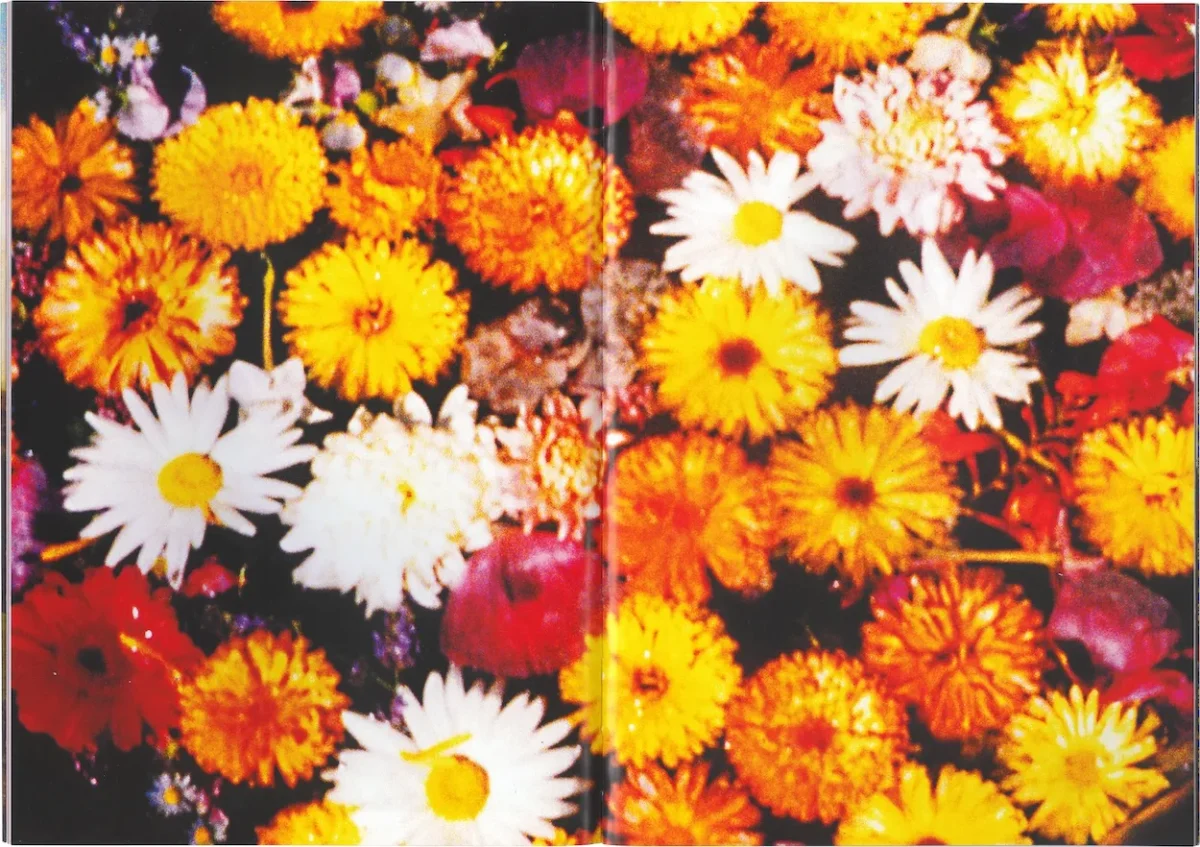
Pitti Uomo 110 repositions menswear beyond traditional tailoring codes
From legendary titans like Giorgio Armani and Vivienne Westwood to 21st-century figures like Raf Simons and Virgil Abloh, Pitti Uomo has served as a launchpad for some of the most influential names in menswear. The guest designer slot carries genuine weight, which is why the choice of two designers who refuse easy categorization feels deliberate.
Rocha and Ninomiya do not share an aesthetic. What they share is a refusal to work within inherited assumptions – about gender, about what menswear is supposed to look like, and about who it’s for. Historically the home of precise tailoring and the suit-walk, Pitti Uomo is now inviting designers who actively question those conventions.
That’s not a contradiction. It’s a program.