


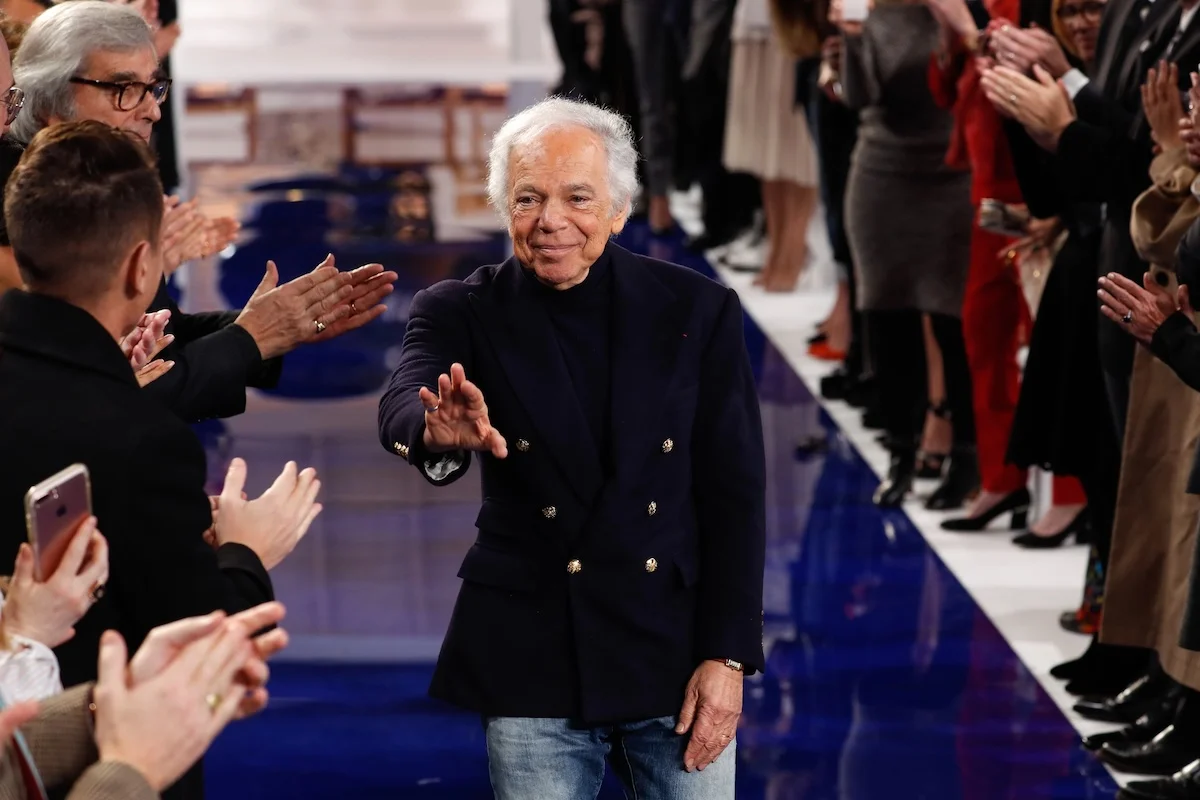
While others struggle to find their footing, Ralph Lauren just delivered a masterclass in how heritage American fashion brands can thrive. The company’s first-quarter results revealed a 30.7 percent increase in profits, reaching $220.4 million. This figure significantly outpaced analyst expectations, proving that authentic brand positioning still resonates with consumers worldwide.
The numbers tell a compelling story about what happens when a brand refuses to chase trends. Revenue climbed 14 percent to $1.7 billion during the three months ending June 28, with growth spanning every major market. What makes these figures particularly striking is that they were achieved during a period when many fashion companies are grappling with consumer uncertainty and economic headwinds.
During recent earnings discussions, Patrice Louvet, Ralph Lauren’s president and CEO, offered insight into the company’s approach. His perspective cuts through the industry’s noise about reinvention and disruption. People see authenticity,” Louvet explained, describing weekly lunches with Ralph Lauren himself, during which they discuss staying true to the brand’s core identity.
This philosophy appears to be working. Average unit retail prices increased by 14 percent through Ralph Lauren’s own stores and website, suggesting that consumers are willing to pay premium prices for what they perceive as genuine value. The brand offers products ranging from $15 tennis sock packs to $300,000 watches, yet it maintains coherence across its offerings.
The geographic breakdown reveals Ralph Lauren’s global appeal. North American revenues increased by 8 percent, reaching $656 million, while comparable sales climbed by 12 percent. European markets showed even stronger momentum, advancing 16 percent to $555 million. Meanwhile, Asian revenues grew an impressive 21 percent to $474 million.
These regional gains suggest that Ralph Lauren is capturing market share from competitors operating at similar price points. Louvet noted that the brand attracts customers from lower-priced alternatives and direct competitors alike, indicating its broad appeal across different consumer segments.
Fashion industry observers have praised Ralph Lauren’s ability to attract younger demographics without alienating its established customer base. Neil Saunders from GlobalData highlighted how the brand achieved this through “refreshed marketing campaigns and very strong social media activation,” noting increased penetration and spending among younger consumers.
Strategic celebrity partnerships, such as Selena Gomez wearing Ralph Lauren at the Oscars, help cement the brand’s contemporary relevance. These cultural moments demonstrate how heritage brands can remain current without abandoning their foundational identity.
Despite its strong performance, Ralph Lauren faces potential challenges from tariffs and inflation. Louvet expressed caution about the second half of the fiscal year, particularly in North America, where the consumer response to expected price hikes across industries is uncertain.
The company has heard of other businesses discussing raising prices to offset tariff impacts, which could shift consumer behavior. This macroeconomic backdrop complicates Ralph Lauren’s planning, even amid current success.
Follow all the latest news from Fashionotography on Flipboard, or receive it directly in your inbox with Feeder.
You may also read
Investors initially celebrated Ralph Lauren’s results, driving shares up 90 percent over the previous year. However, concerns about future challenges caused shares to decline 6.5 percent to $283.34 following the earnings announcement.
Ralph Lauren’s market capitalization is $17.2 billion, which is approximately three times the combined value of its competitors, Capri Holdings and PVH Corp. This valuation reflects investor confidence in Ralph Lauren’s ability to maintain its premium positioning and operational excellence.
Ralph Lauren raised its full-year revenue forecast to low- to mid-single-digit growth on a constant-currency basis, up from previous low-single-digit projections. Operating margin expansion is now expected to be 40 to 60 basis points in constant currency, compared to earlier expectations of modest growth.
The company plans to reveal more strategic details at an upcoming investor day, focusing on “high-potential” categories, including women’s apparel, handbags, and outerwear. Louvet suggested that these categories represent significant growth opportunities in which Ralph Lauren has “only just begun.”
Ralph Lauren appears to be benefiting from changing luxury spending patterns. Louvet has observed consumers redirecting money previously spent on handbags and hard luxury items, such as jewelry and watches, toward the brand’s apparel offerings. This shift suggests that fashion consumers are prioritizing different categories within their luxury budgets.
The brand’s ability to attract customers at various price points reflects its diverse product offerings and robust brand equity. Ralph Lauren maintains market relevance whether competing in the accessible Polo segment or the luxury Collection and Purple Label categories.