


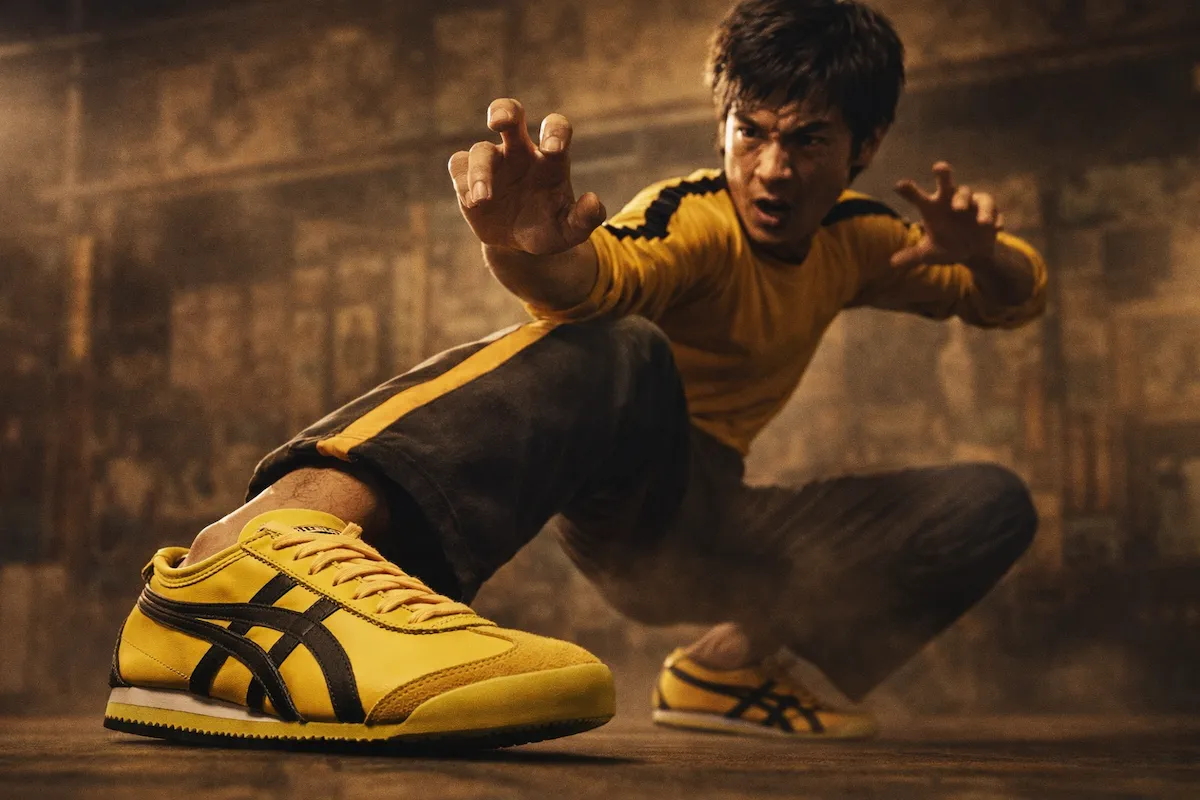
When it launched in 1966, the Onitsuka Tiger Mexico changed athletic footwear by introducing design elements that reshaped how runners thought about performance shoes. Japanese shoemaker Kihachiro Onitsuka designed the shoe specifically for athletes preparing for the 1968 Summer Olympics in Mexico City. The shoe marked a turning point for the brand and eventually influenced an entire industry.
| 📌 Key Facts |
|---|
| 🗓️ Launch year: 1966 🏟️ Original purpose: Olympic-level running performance 🇯🇵 Origin: Kobe, Japan 👟 Signature feature: Crossed Tiger Stripes for structure and identity 🎬 Cultural boost: Associated with Bruce Lee and later cinematic homages 🏆 Legacy: Foundation of modern sneaker design and Japanese footwear prestige |
Early innovations that redefined running shoes
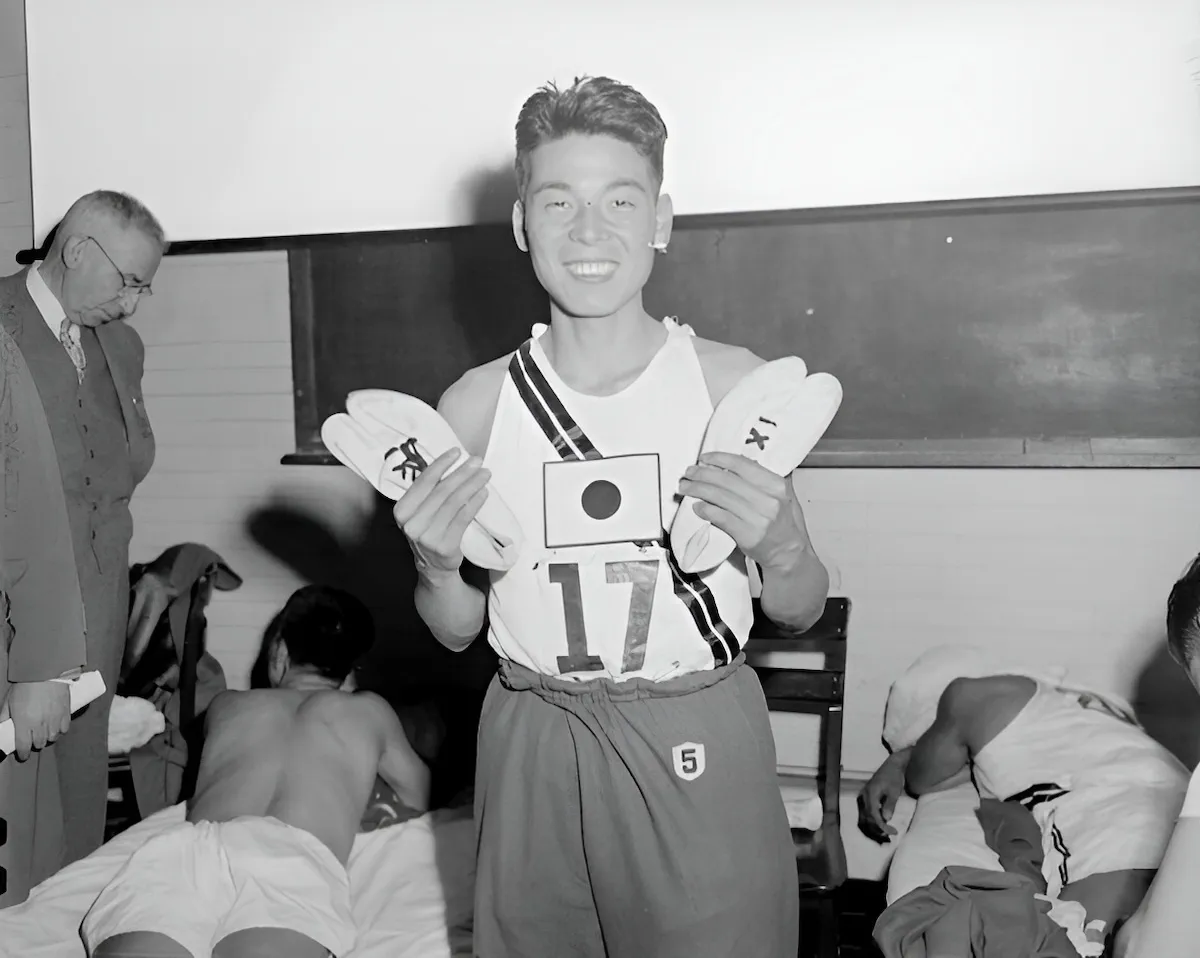
Kihachiro Onitsuka founded his company in 1949 in Kobe, Japan, during the country’s postwar reconstruction. Believing that sports could rebuild national morale, he started by designing basketball shoes. By 1953, he shifted his focus to long-distance running footwear and began working directly with Japanese marathon runner Toru Terasawa.
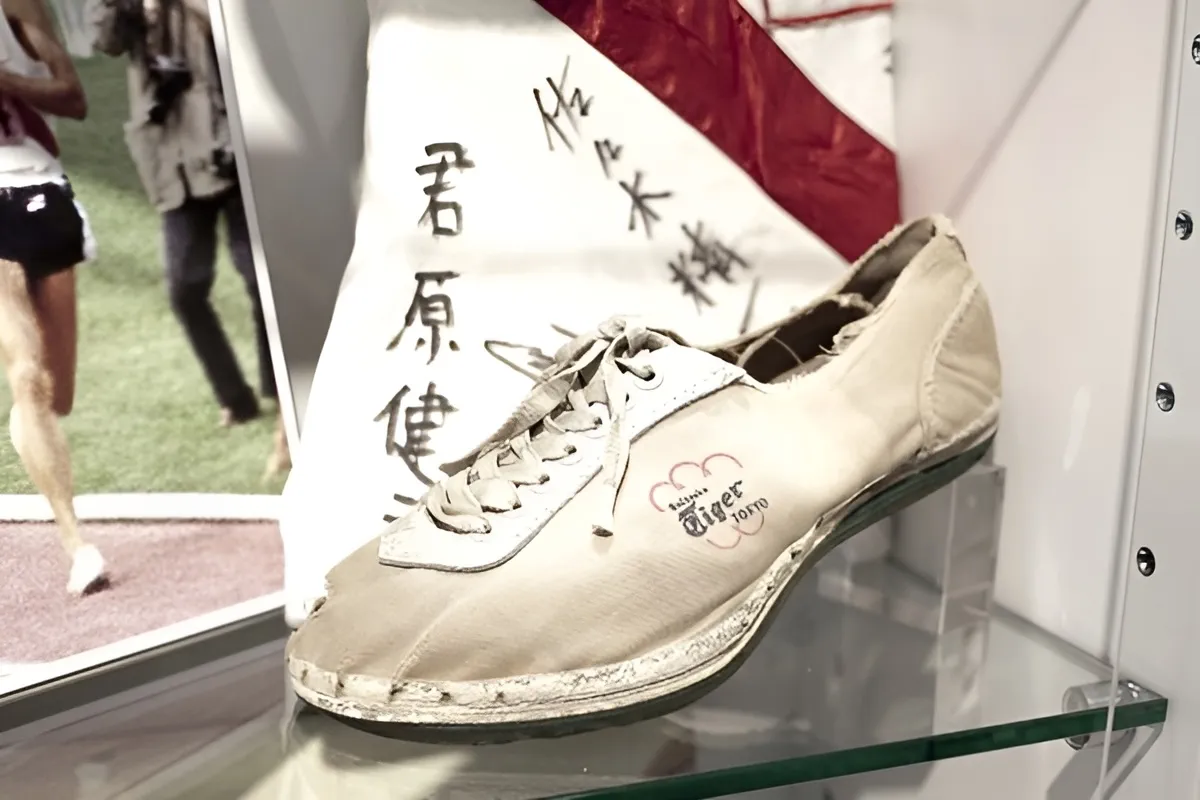
A breakthrough came in 1951 when Japanese runner Shigeki Tanaka won the Boston Marathon wearing an early Tiger model. This victory put Onitsuka’s shoes on the international map and validated his approach to designing running shoes.
Onitsuka continued refining his products throughout the 1950s. He convinced Abebe Bikila, the Ethiopian marathon legend who famously ran barefoot, to test his shoes. This feedback led to the Magic Runner in 1959, which featured ventilation holes to prevent blisters during long-distance runs.
The birth of the Mexico 66 design
The Mexico 66 was Onitsuka’s most ambitious project yet. Developed for the 1968 Olympic trials, the shoe featured the iconic crossed tiger stripes. Those lateral stripes weren’t just decorative; they reinforced the shoe’s structure while referencing the tiger head logo.
The shoe was made of fine leather that adapted to sprinters’ strides, offering flexibility without sacrificing support. Its low-profile design and sleek silhouette distinguished it from the bulkier athletic shoes of that era. Athletes appreciated its lightweight construction and improved performance characteristics.
Japanese track and field athletes wore the Mexico 66 during the 1968 Mexico City Olympics. This international exposure elevated Onitsuka Tiger’s reputation beyond Japan. Runners worldwide started seeking out the brand.
Follow all the latest news from Fashionotography on Flipboard, or receive it directly in your inbox with Feeder.
You might also read

Bruce Lee and the rise of a cultural icon
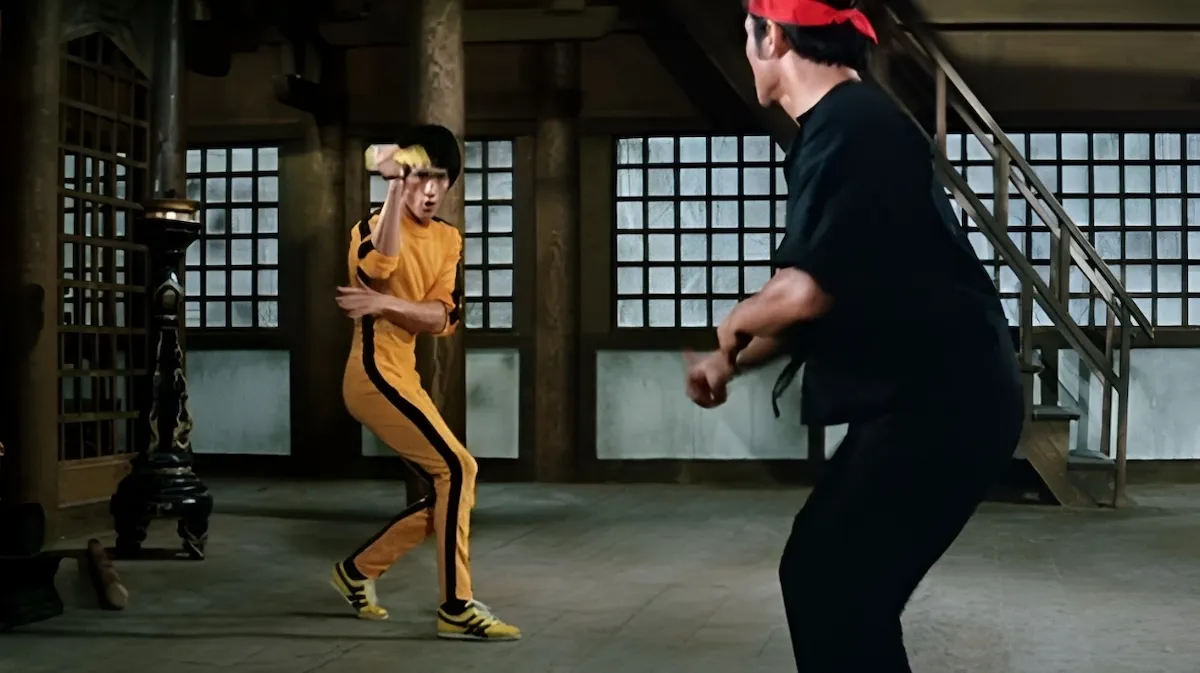
Bruce Lee transformed the Onitsuka Tiger Mexico from athletic gear into a cultural icon. He wore a yellow and black pair in the 1978 film Game of Death, pairing them with a matching tracksuit. Although the movie was released after Lee’s death during production, his appearance in those shoes left a permanent mark on popular culture.
However, Lee actually wore a generic brand that resembled the Mexico 66 but featured different stripe patterns. Fans associated the look with Onitsuka Tiger, and demand for yellow and black Mexico 66s exploded.
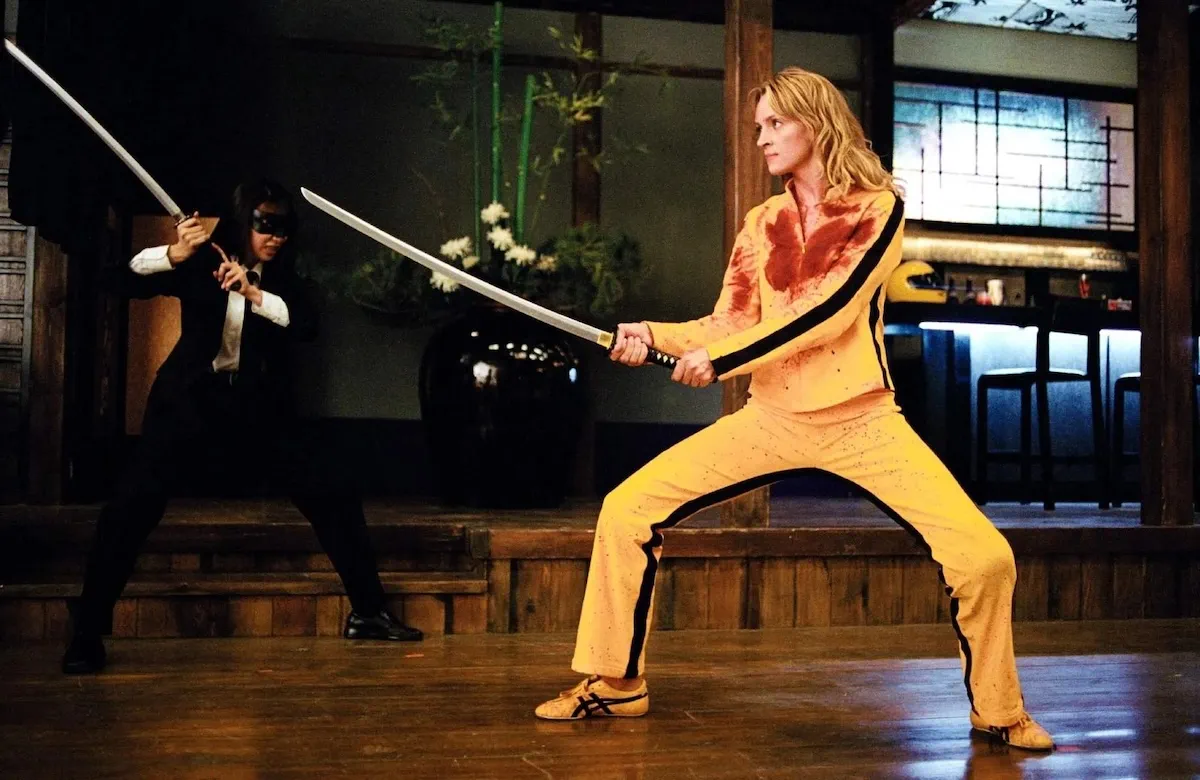
Decades later, director Quentin Tarantino paid homage to Lee in Kill Bill: Volume 1. Uma Thurman’s character wore Onitsuka Tiger Tai-Chi shoes, a model derived from martial arts training footwear, in a similar yellow-and-black color scheme. This reference introduced the brand to a new generation of fans who might not have seen Lee’s original films.
From Onitsuka Tiger to ASICS: brand evolution
In 1977, Onitsuka merged his company with GTO and Jelenk to form ASICS Corporation. The Onitsuka Tiger name continued as a heritage line within the larger organization. ASICS has maintained production of classic models while developing new performance technologies.
The Mexico 66 experienced a resurgence in the 2000s, when vintage sneakers became fashionable again. Fashion enthusiasts appreciated the shoe’s retro design and historical significance. Celebrities started wearing the model regularly, increasing its visibility.
The shoe’s small tongue tab became a recognizable detail among sneaker collectors. However, some confused the Mexico 66 with the Ultimate 81, a later model with a similar mesh and waffle sole construction. While both shoes shared design DNA, they served different purposes.

Design philosophy behind the Tiger stripes
Onitsuka built his reputation on functionality and precision rather than following Western trends. His approach reflected broader Japanese manufacturing principles: meticulous attention to detail and continuous refinement. The Mexico 66 embodied that philosophy through its thoughtful construction and purpose-driven features.
The Tiger Stripes weren’t Onitsuka’s first attempt at branding. Earlier models featured different marking systems, but the crossed stripes on the Mexico 66 proved to be the most effective. They provided structural reinforcement while creating instant visual recognition.
In 1968, Nike’s Bill Bowerman collaborated with Onitsuka Tiger to create “The Cortez.” When Nike and Onitsuka parted ways, both companies retained the right to manufacture nearly identical shoes. Nike kept the “Cortez” name, while Onitsuka called their version the “Corsair.“

The Mexico 66 in modern sneaker culture
Modern sneaker culture embraces the Mexico 66 for its historical significance and versatile style. The shoe pairs well with casual outfits while maintaining its athletic heritage. Interest has been amplified by social media, with fashion influencers regularly posting photos of themselves wearing various colorways.
Both Prince William and Hailey Bieber have been seen wearing Mexico 66s, demonstrating the shoe’s broad appeal. The model transcends age groups and style preferences. Collectors seek out vintage pairs, and new buyers appreciate the current production runs.
Onitsuka Tiger continues to manufacture the Mexico 66 using traditional and updated materials. Leather, suede, and textile options are available for different preferences and climates. The cushioned footbed and rubber outsole ensure all-day comfort.
Legacy and lasting influence on athletic footwear
The Onitsuka Tiger Mexico helped establish Japanese brands as serious competitors in the global athletic footwear market. Before Onitsuka’s success, Western companies dominated the production of running shoes. Onitsuka’s innovations proved that Japanese manufacturers could lead through design excellence and technical sophistication.
The shoe influenced countless later designs across multiple brands. Its streamlined profile and functional stripe system became templates for performance footwear. Modern running shoes still incorporate principles that Onitsuka pioneered with the Mexico 66.
Nike’s Zoom Kobe V reportedly drew inspiration from the Mexico 66’s silhouette. This connection links basketball’s biggest star to the running heritage and shows how Onitsuka’s designs have remained relevant across sports and decades.