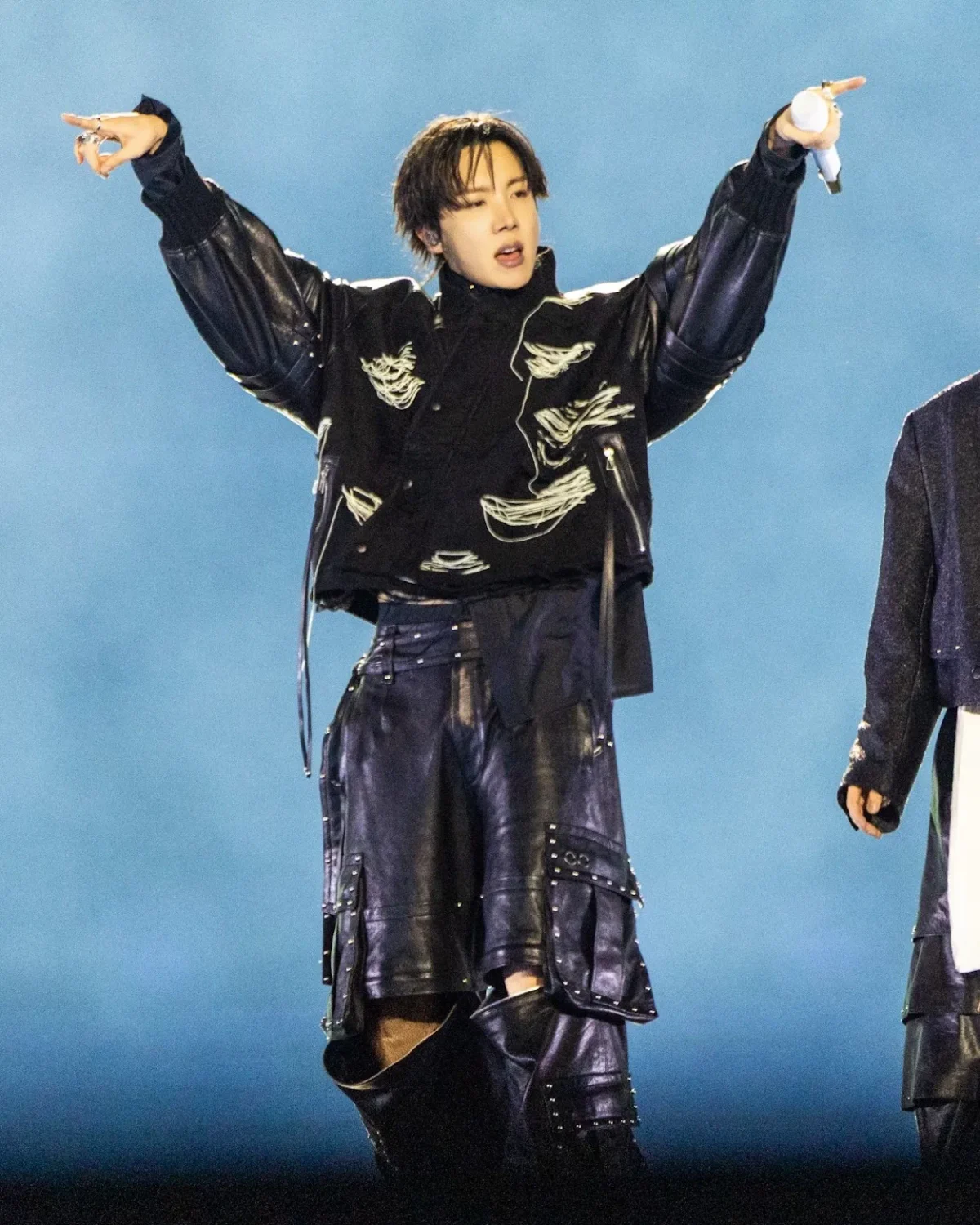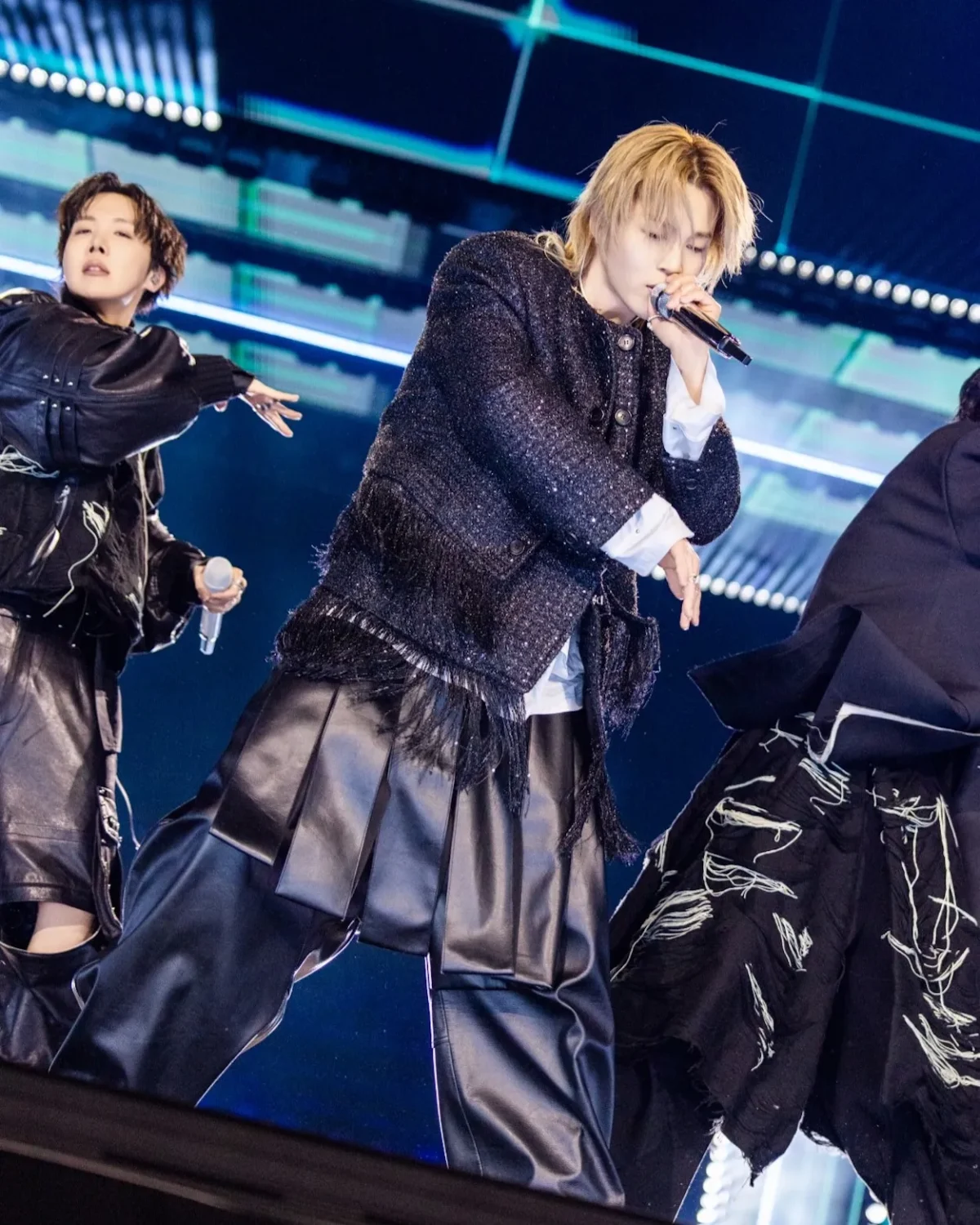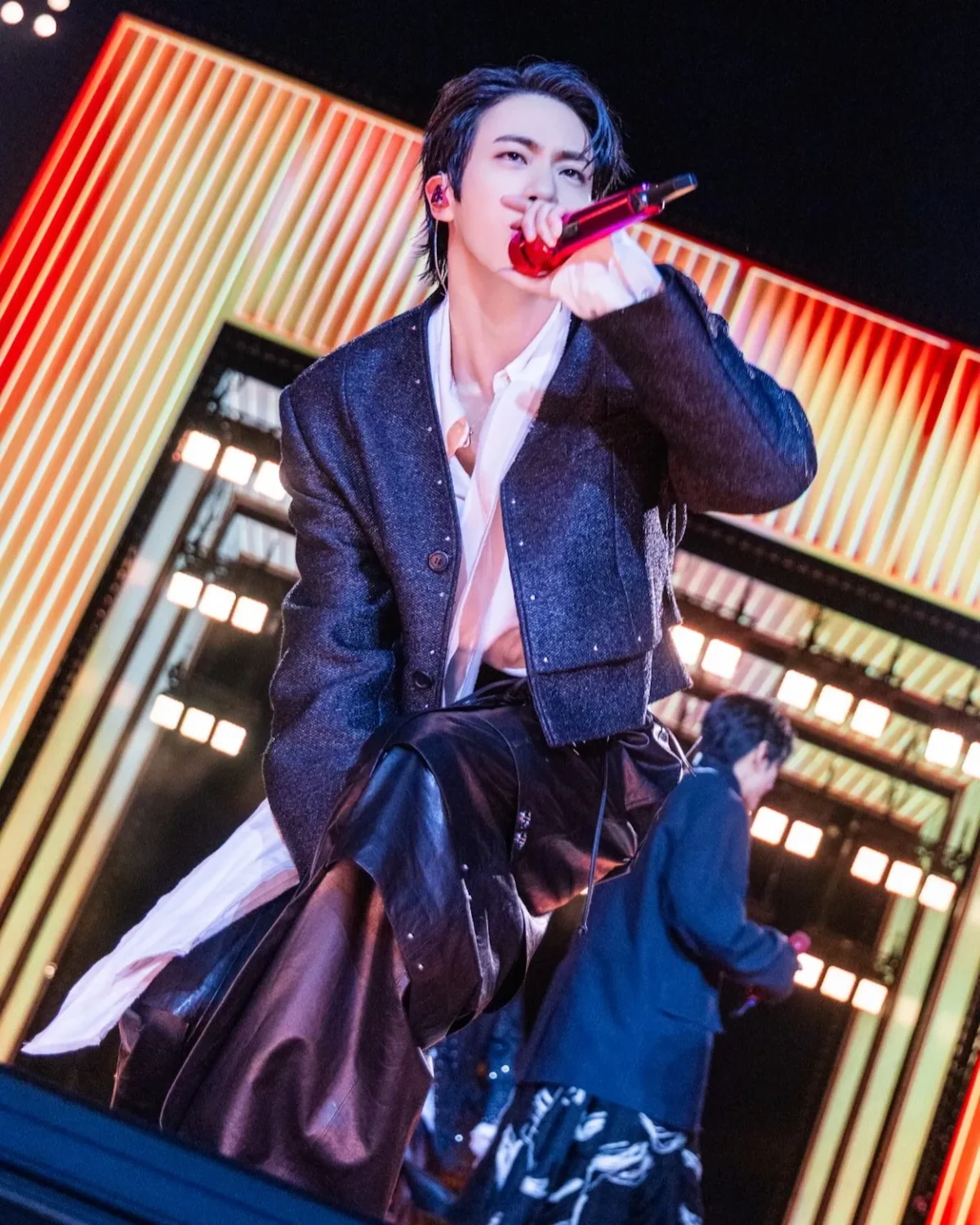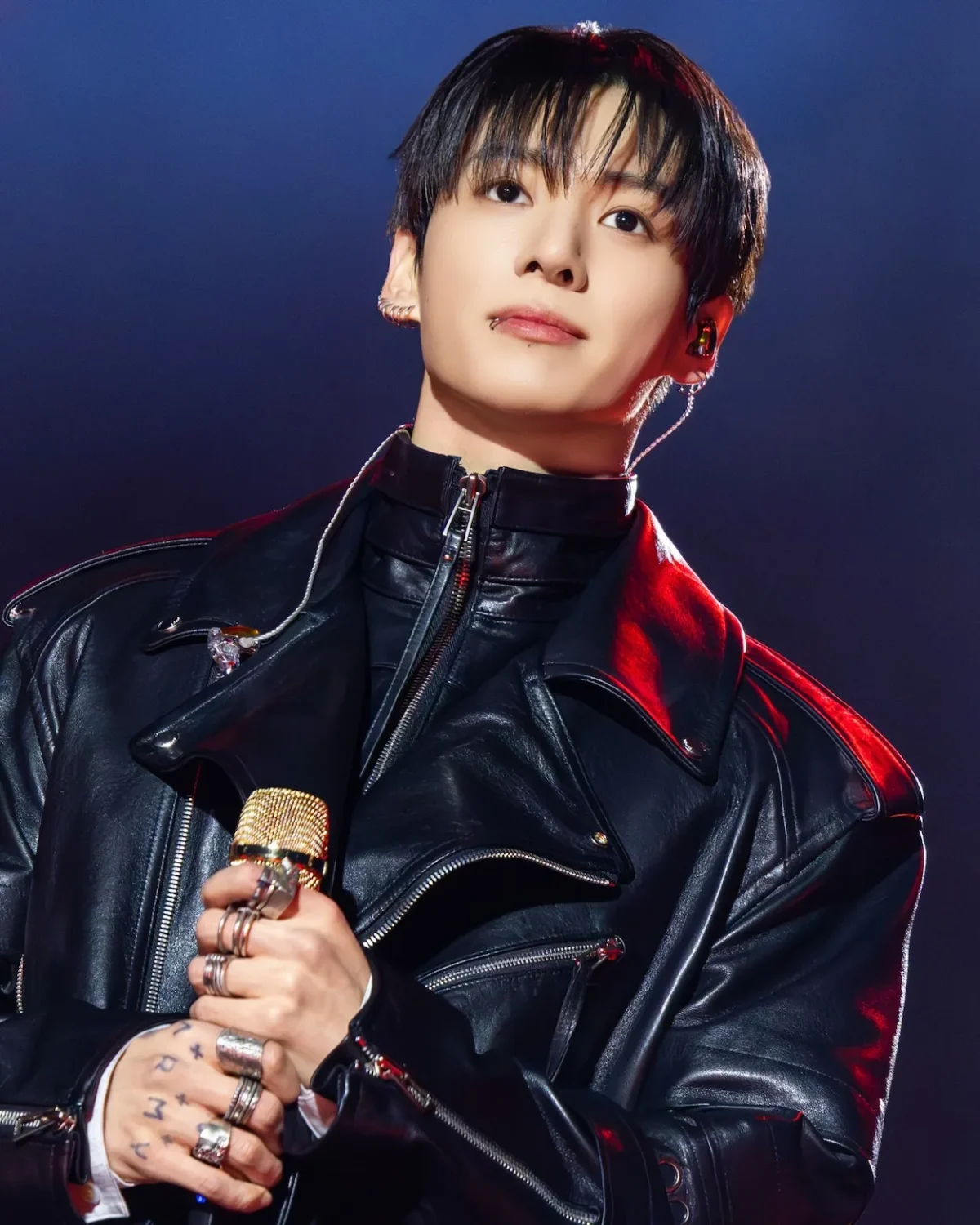


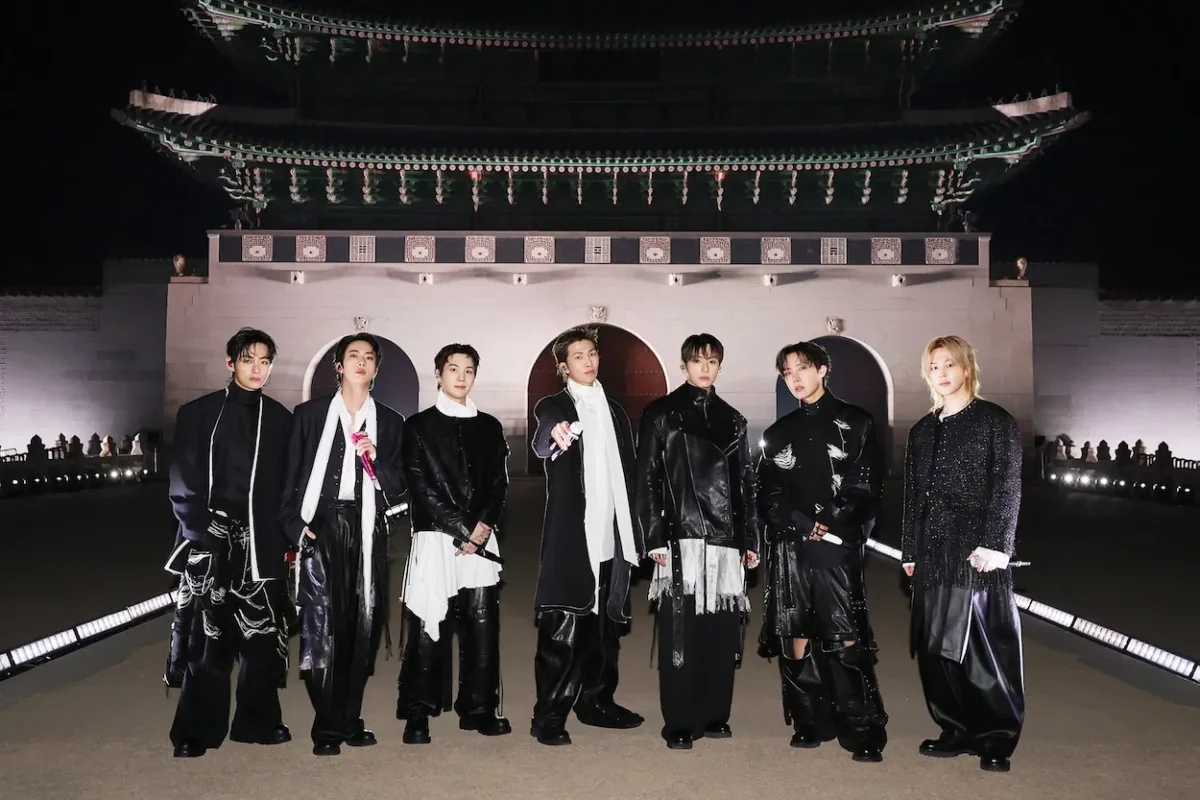
When Songzio’s Artistic director and CEO, Jay Song, was tasked with dressing BTS for their highly anticipated comeback performance, “BTS THE COMEBACK LIVE | ARIRANG,” presented in partnership with Netflix, the brief was anything but simple. The resulting collection, “Lyrical Armor,” is one of the most serious and well-considered stage costume designs in years. It is also a subtle argument about what fashion, at its most purposeful, can actually do.
Songzio, a Seoul- and Paris-based fashion house founded in 1993, has long operated at the intersection of Eastern tradition and Western avant-garde tailoring. Born in Seoul and raised in Paris, Jay Song approaches his work with a dual cultural fluency that is neither grafted on nor performed. This is evident in the clothes. For this collaboration, that fluency was tested in the most public arena imaginable: a global stage populated by seven of the most scrutinized performers on the planet.
Historical foundations of the “Lyrical Armor” collection
The starting point for “Lyrical Armor” was not fashion at all. It was history. Specifically, it drew inspiration from two very different figures from the Korean past: the warrior clad in the studded armor of the early Joseon dynasty and the Sorigun, the traditional Korean singer who channeled collective grief and longing into Sijo, an ancient form of folk poetry. From the outside, these two archetypes seem to have little in common. One moves through the world by force, while the other moves by feeling. The collection holds both.
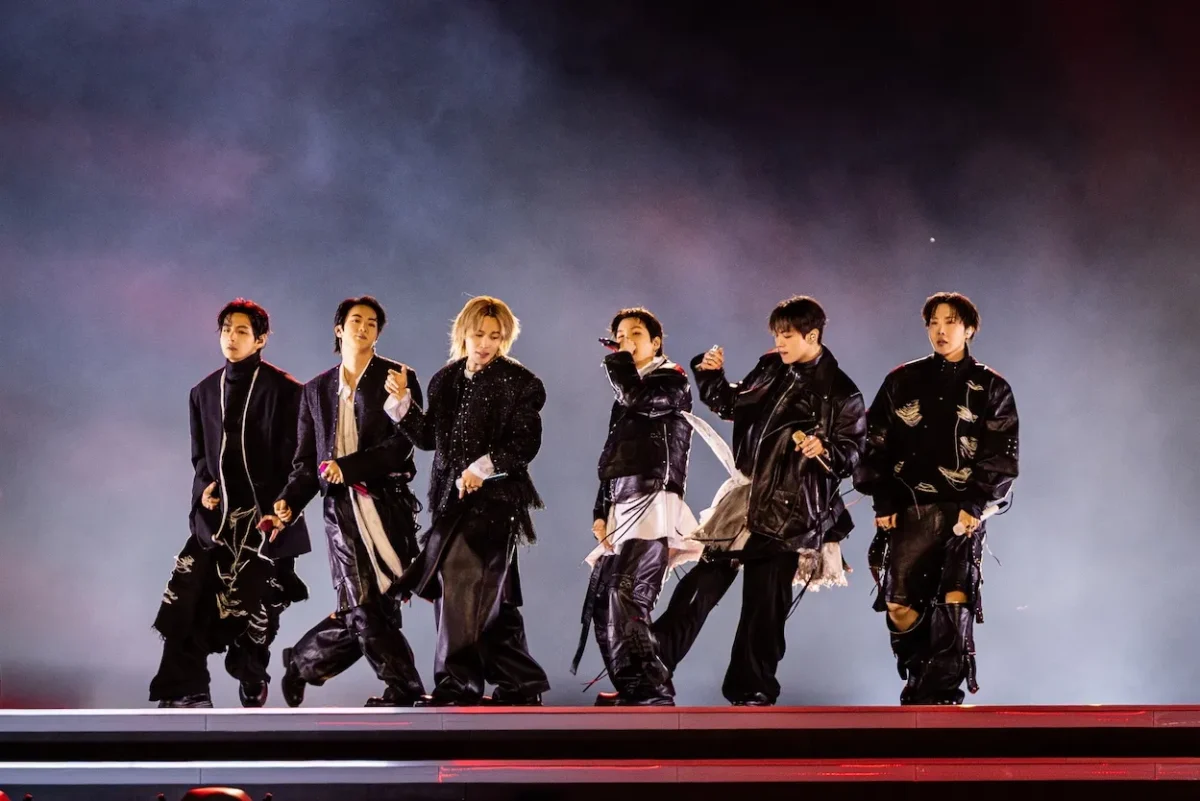
This is what Jay Song does well. He does not simplify. The garments resist easy interpretation. Armor-inspired plating sits alongside fluid, asymmetrical drapes, and exposed seams are deliberately left rough, as if not quite healed. “Through this fusion,” the house wrote, “the garments embody the attire of heroes of a new era – figures who overcome the turbulence of history and create a new future.” This could sound grandiose in a lesser designer’s hands. Here, however, the clothes actually earn it.
The technical vocabulary draws from Junbeop, a brushwork technique found in 18th-century traditional Korean landscape paintings. In these paintings, artists layer, scratch, and drag their brushes across the surface to capture the worn texture of rocks and mountains. Those same effects have been translated directly into the collection’s fabrics, which have distressed and treated surfaces that look aged and carry time within them. It is a remarkably specific reference, and the result is textiles that genuinely feel unlike anything else in contemporary menswear.
Seven members, seven characters
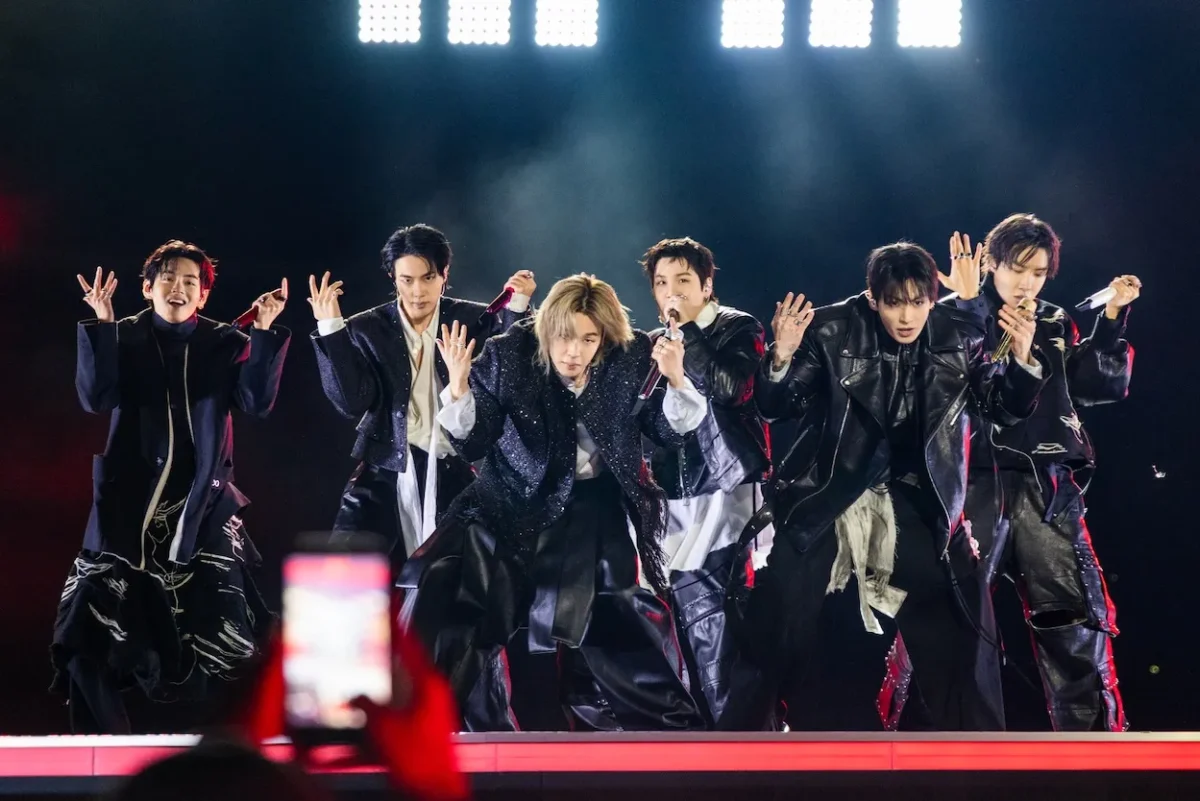
One of the more challenging problems any designer faces when working with a group of performers is striking the right balance between coherence and individuality. Dress them identically, and the performers lose their individuality. Let each look go its own way, and the stage becomes a mess. Jay Song solved this problem by anchoring the entire collection in a monochromatic palette and consistent structural logic. Then, he allowed each piece to express the particular personality of its wearer.
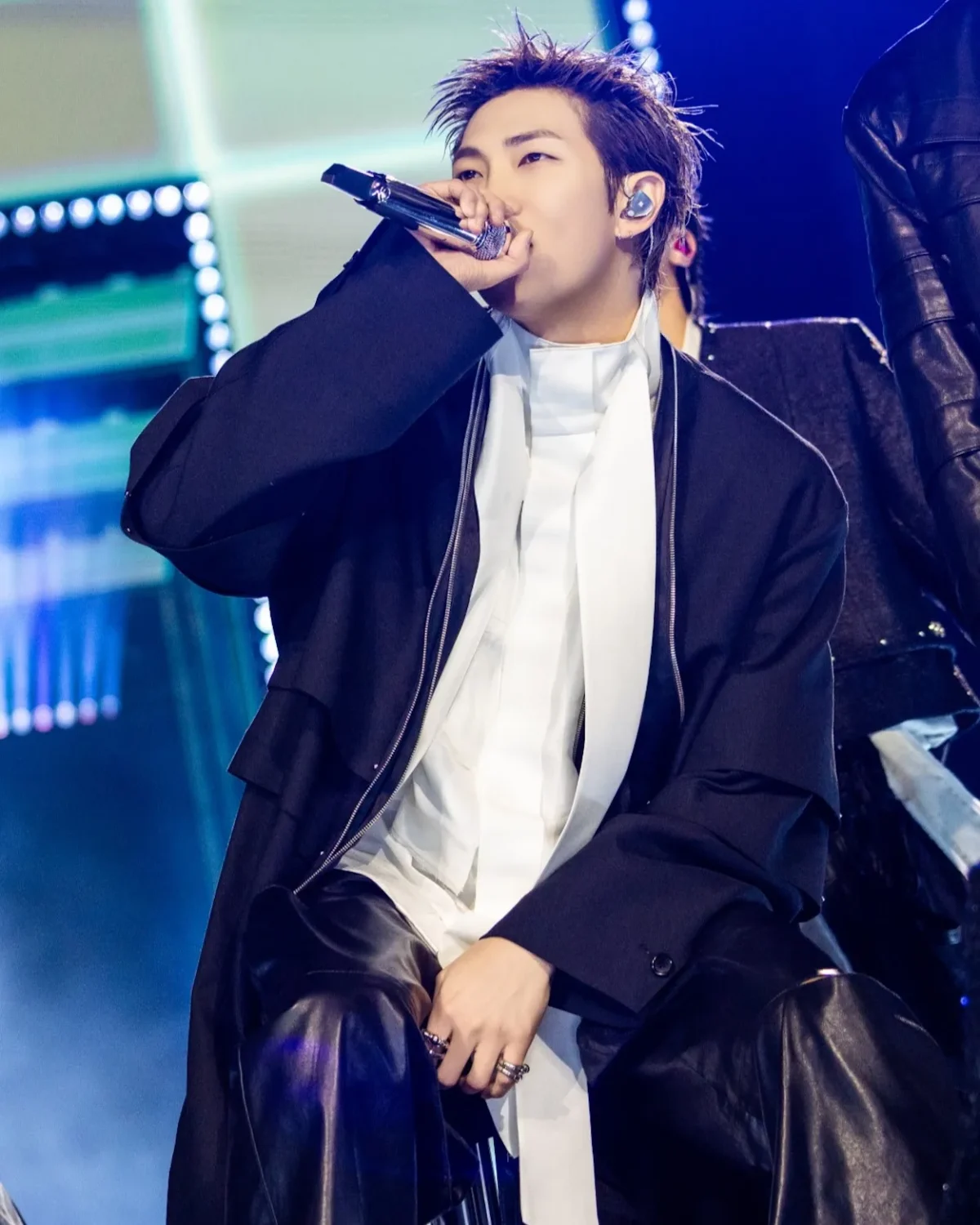
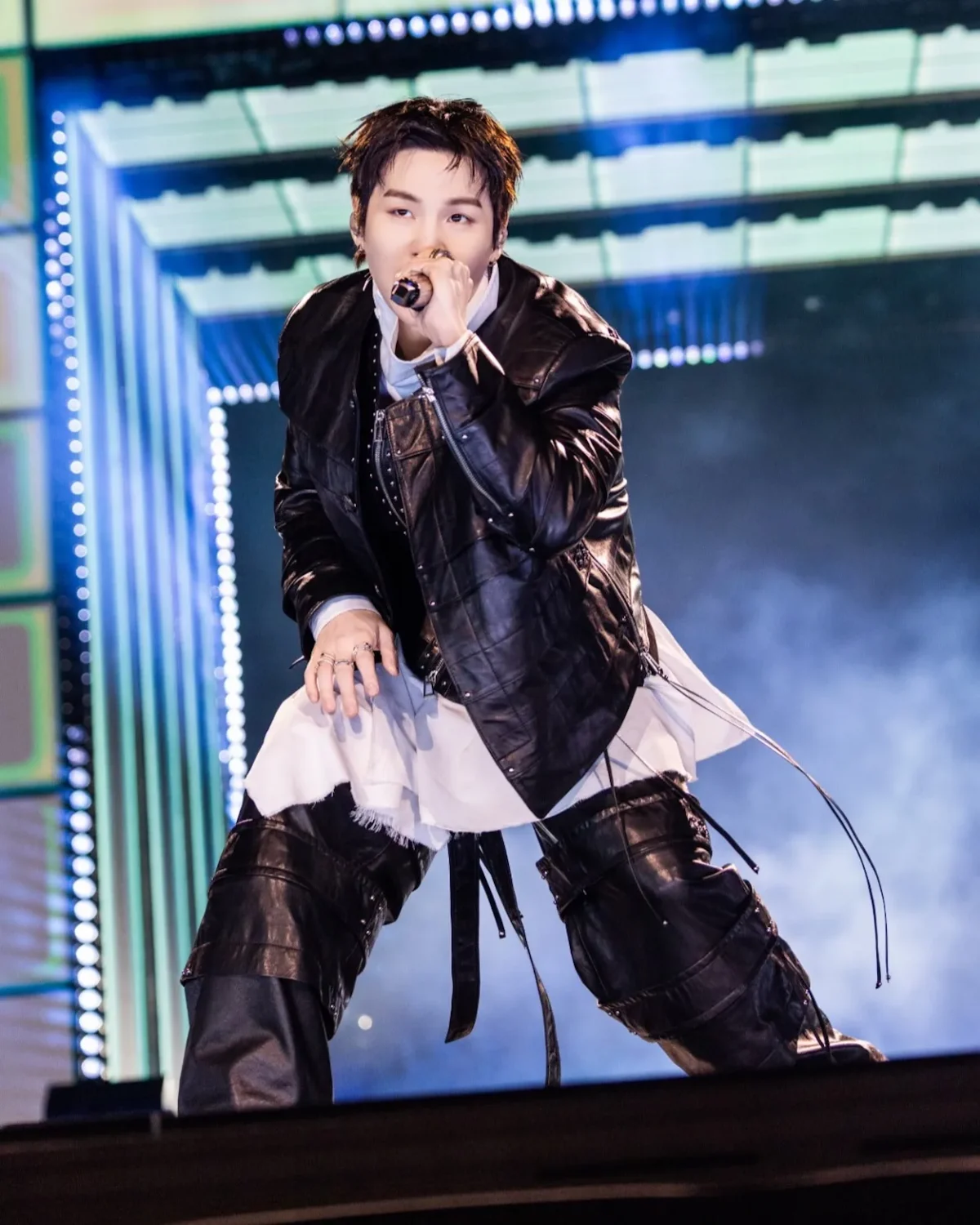
RM, BTS’ leader, received a look built around sculptural layering and cascading zippers. The cape-like silhouette of a traditional hanbok long jacket elongates his presence on stage. Jin‘s tailored jacket plays on the collarless Korean design tradition and is adorned with metallic studs referencing armor. It is worn with a fluidly draped shirt that makes deliberate use of negative space. The brand described Suga‘s look as “a coexistence of battle and contemplation,” which suits a producer whose work tends toward a similar emotional duality.
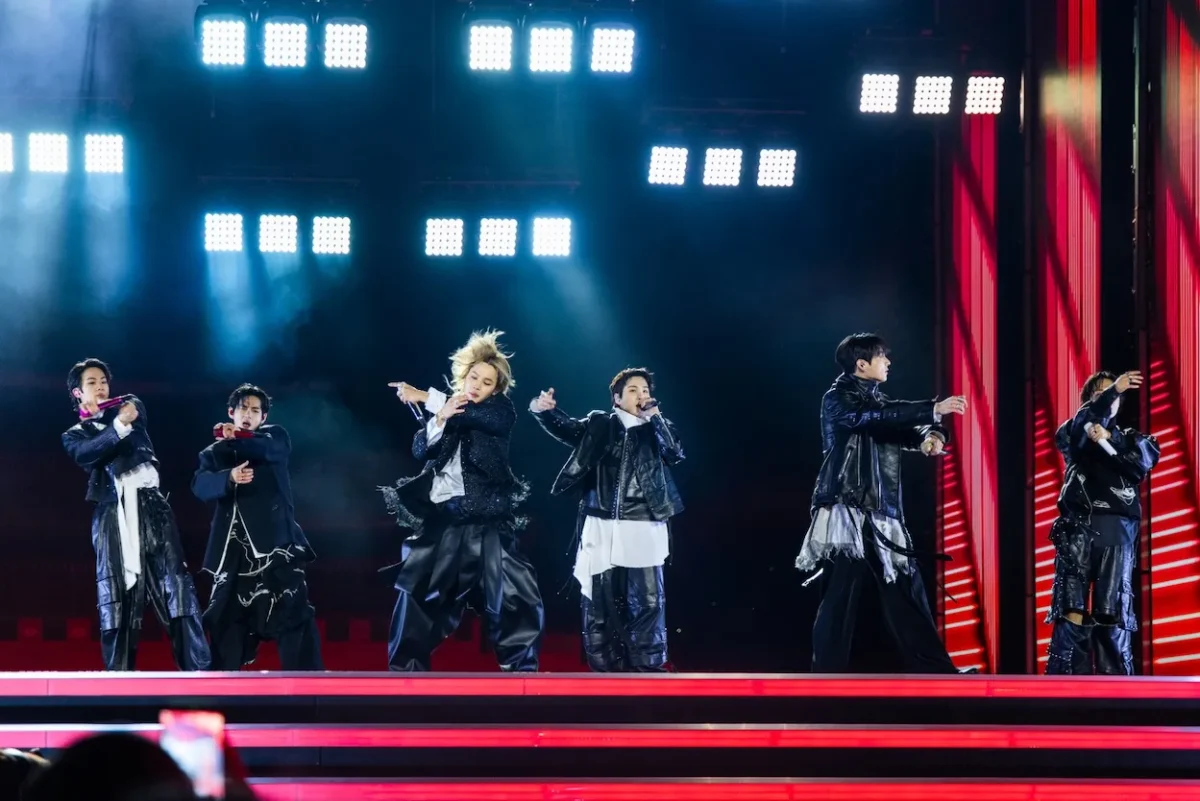
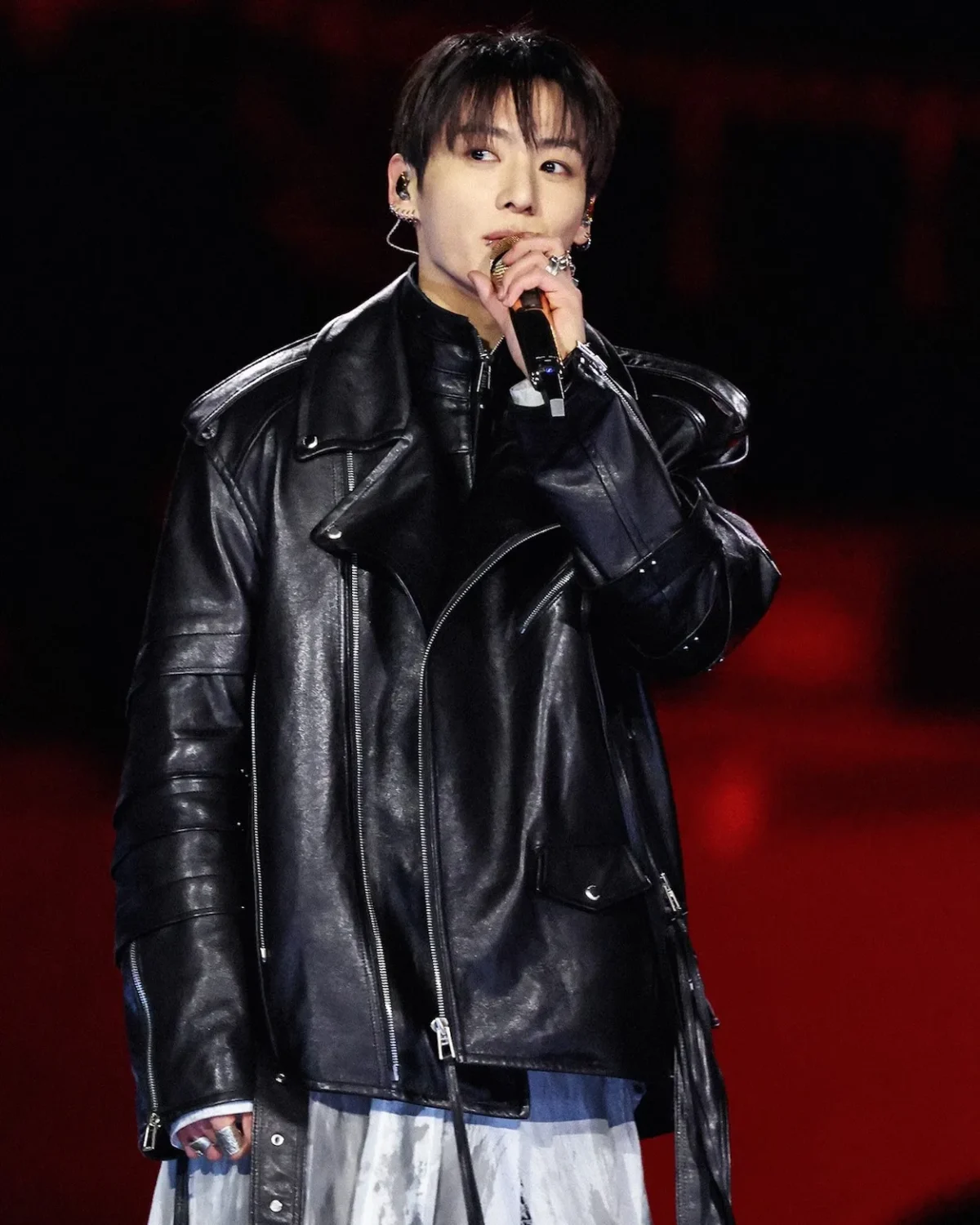
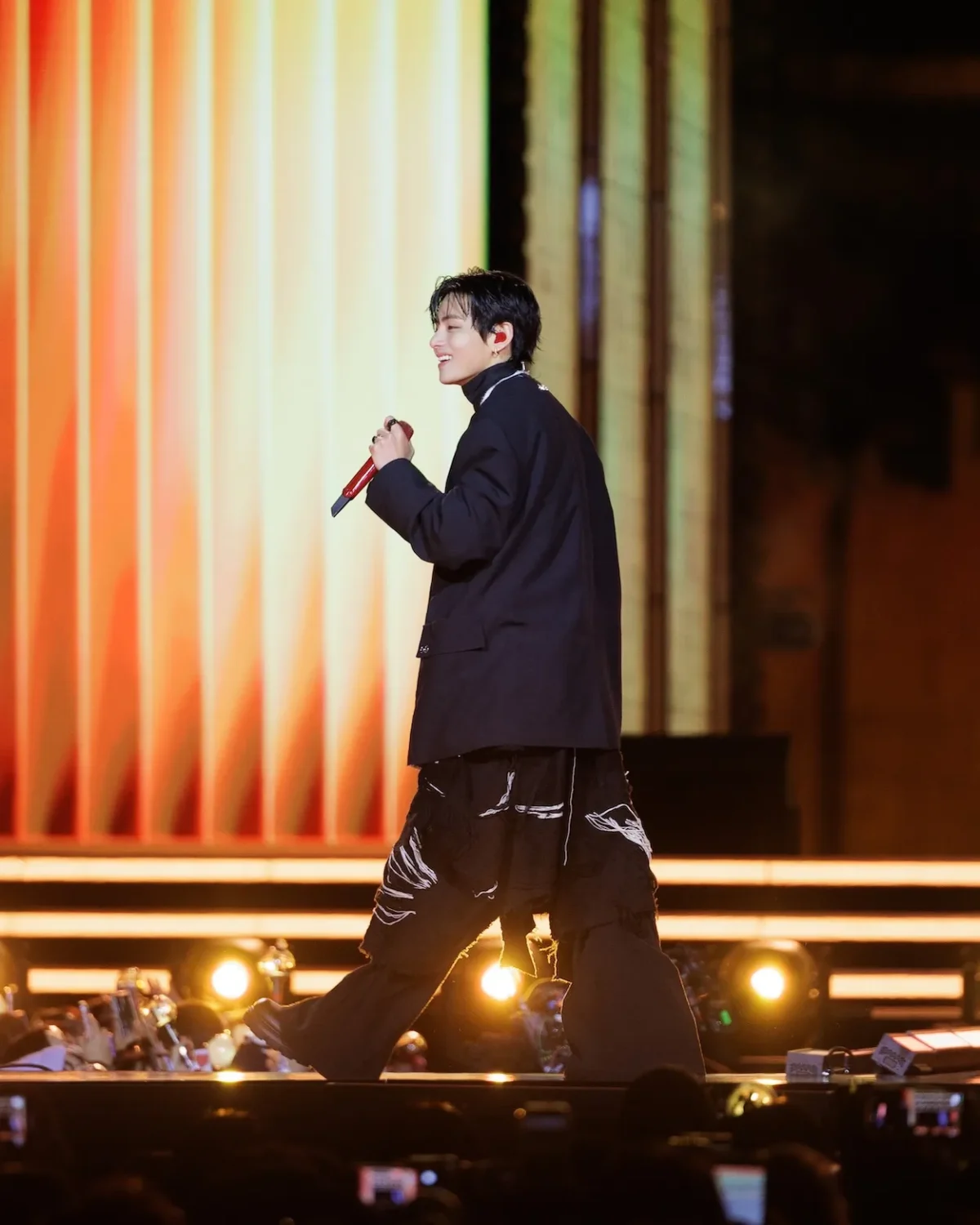
J-Hope, whose role as a performer demands physicality, received a look grounded in streetwear, cut with bias lines that “visually reveal the rhythm of performance,” according to the brand. The fabric was treated using the Junbeop technique so that the distressed surface would become part of the visual argument. Jimin’s design took a softer angle with flowing, Hanbok-inspired draping, light armor-plated details, and Songzio’s signature black onyx. The look reflects someone who, in the brand’s words, “writes poetry through dance and music.” V‘s look invokes the Seonbi, the Korean scholar-gentleman, with layered draped pants and a textured textile that quite literally carries the marks of history. Jungkook, perhaps the most versatile performer in the group, wore an asymmetrical rider jacket reinterpreted with oriental draping and armor-plated innerwear pressing against the structure from within.
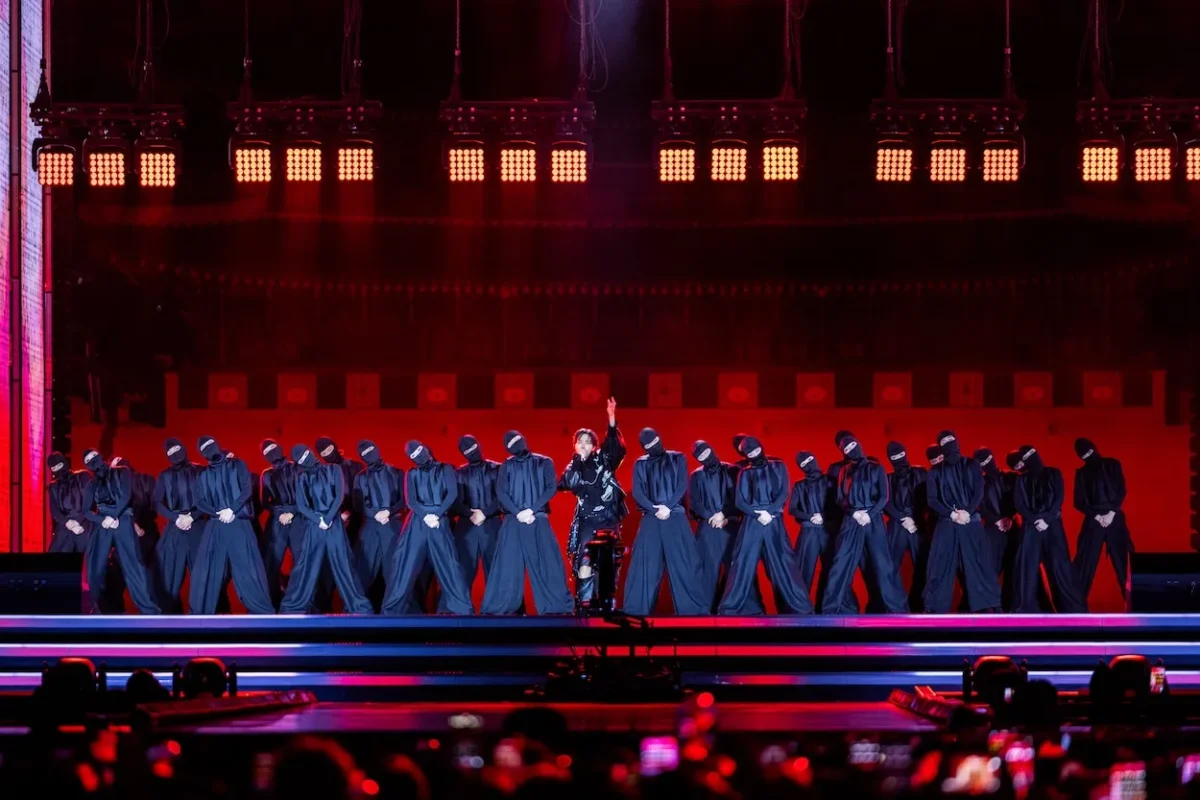
The co-performers – instrumentalists, singers, and dancers – were dressed according to a different but equally rigorous concept: the Byeongpung, or Korean folding screen, whose panels expand horizontally while dividing vertically. The dancers’ costumes reinterpreted that same structural tension as contemporary stage clothing.
Follow all the latest news from Fashionotography on Flipboard, or receive it directly in your inbox with Feeder.
You may also read
Cultural significance of the Songzio and BTS partnership
It would be easy to view “Lyrical Armor” as a fashion house leveraging the BTS platform for visibility. After all, the brand has over 100 stores worldwide and is about to open its third global flagship in New York City. It describes this art and retail space as “combining an art gallery with a unique retail experience.” The collaboration lands at a commercially convenient moment.
However, that interpretation undersells the work. What Jay Z produced for this performance takes its subject seriously. The references are precise, not decorative or approximate. The Joseon armor, the hanbok, the junbeop brushwork, and the byeongpung folding screen each carry specific meanings and were translated into garments with enough care that the translations hold up to scrutiny.
At its best, good stage costuming does more than merely dress the performer. It extends the performer’s presence, gives visual weight to their actions, and makes the performance legible from a distance. By that measure, “Lyrical Armor” succeeds. Audiences may not have noticed the Junbeop-distressed fabrics or registered the Seonbi reference in V’s look, but the deliberate choices were still there. But the deliberateness was there, and deliberateness, even when invisible, accumulates into something you feel without quite knowing why.