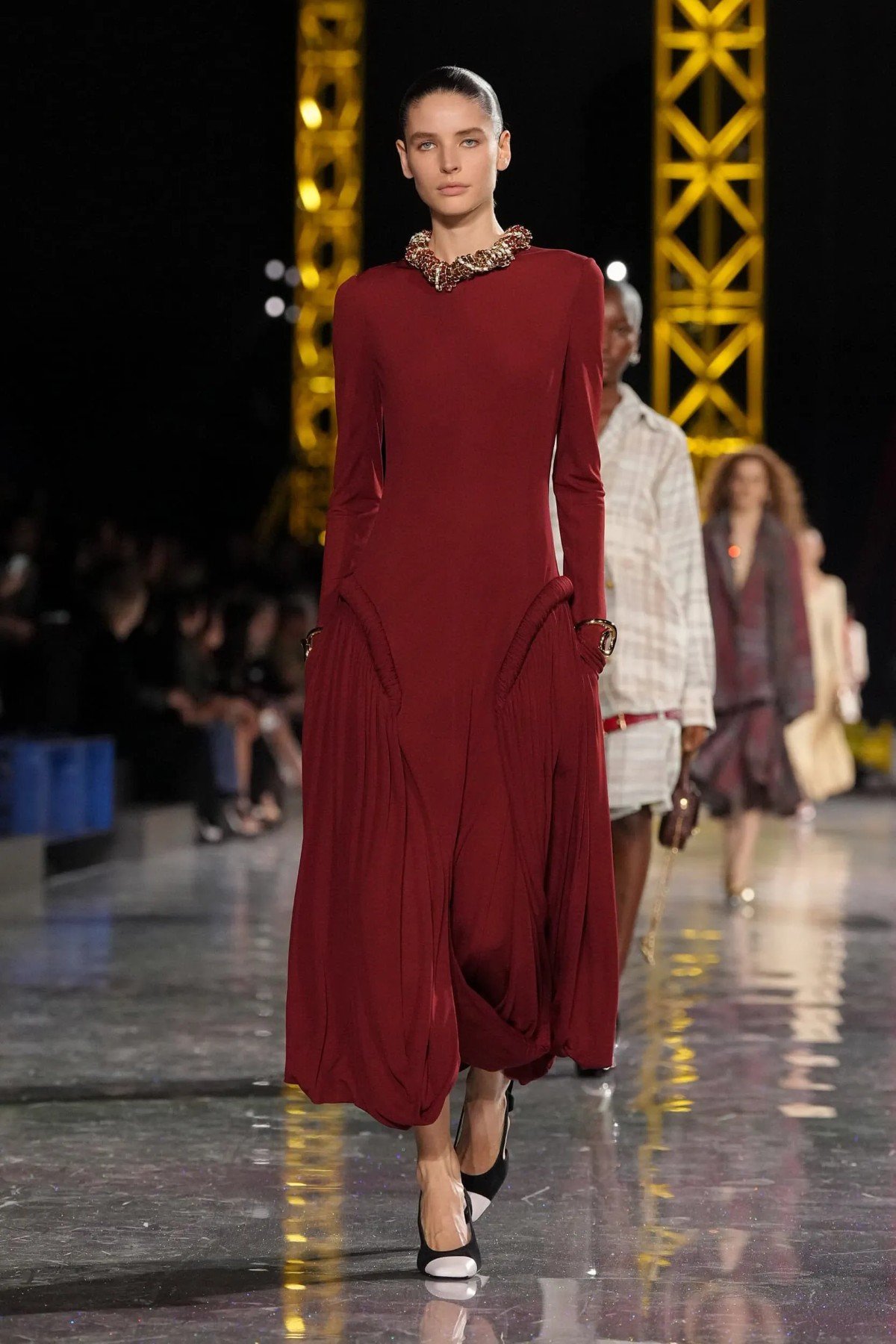

There’s a certain pressure that comes with being new to a legendary fashion house. Matthieu Blazy, now in his second full season as Chanel’s Artistic director, seems to handle it well. His Fall 2026 collection, presented at the Grand Palais in Paris, made that much clear.
| 📌 Key Facts |
|---|
| 🧵 Matthieu Blazy presented his second full season as Chanel’s Artistic director. 🏛️ The Chanel Fall 2026 show took place at the Grand Palais in Paris. 🦋 Inspired by Coco Chanel’s idea of “dresses that crawl and dresses that fly.” 🧥 Classic tweed suits, knitwear and 1920s-inspired silhouettes. 🌈 Iridescent metal-mesh suits and embellished eveningwear closed the show. 🧑🤝🧑 Tweed blousons and skirts were styled to work for both men and women. 🛍️ Early retail reports show high demand and rapid sell-outs. |
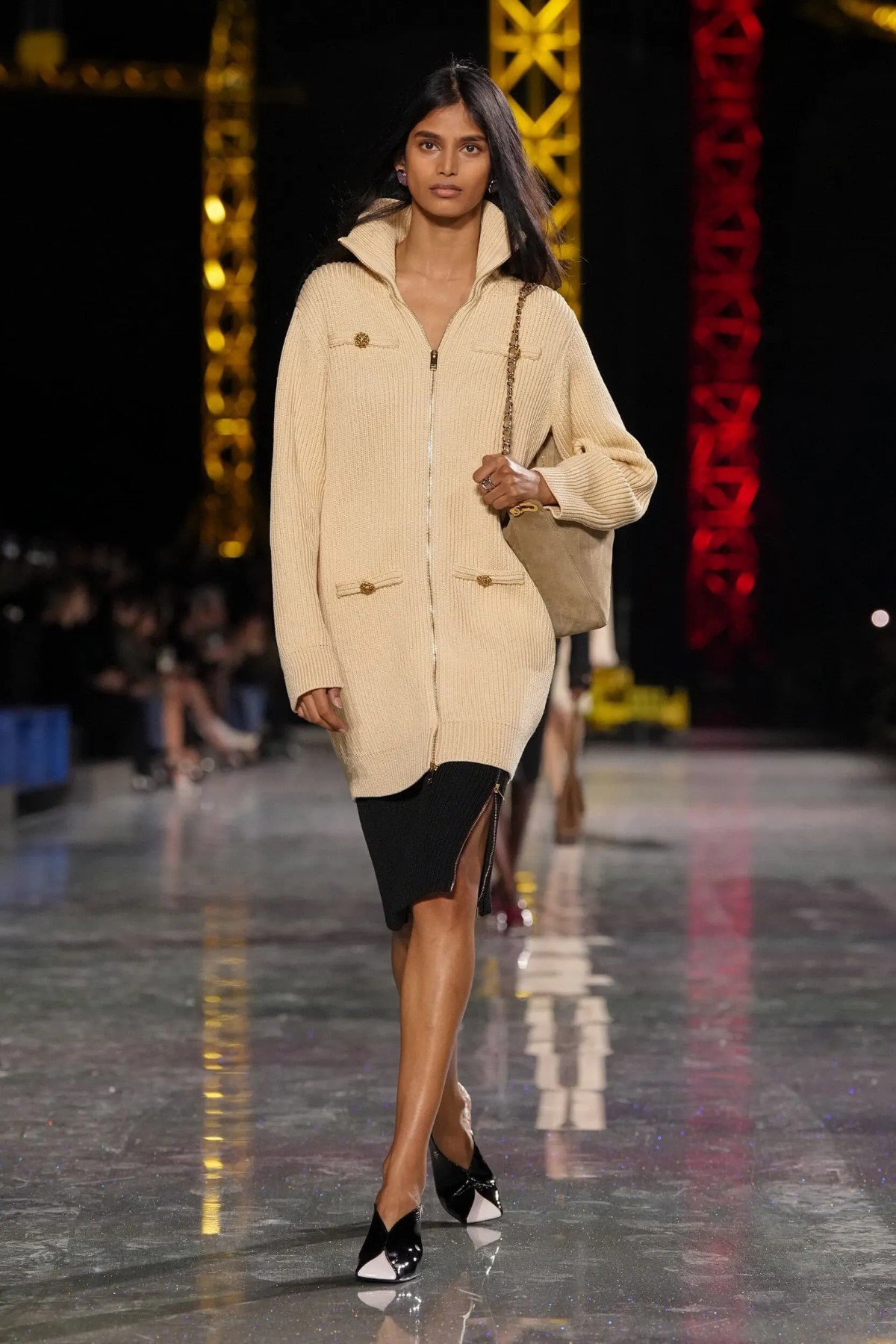
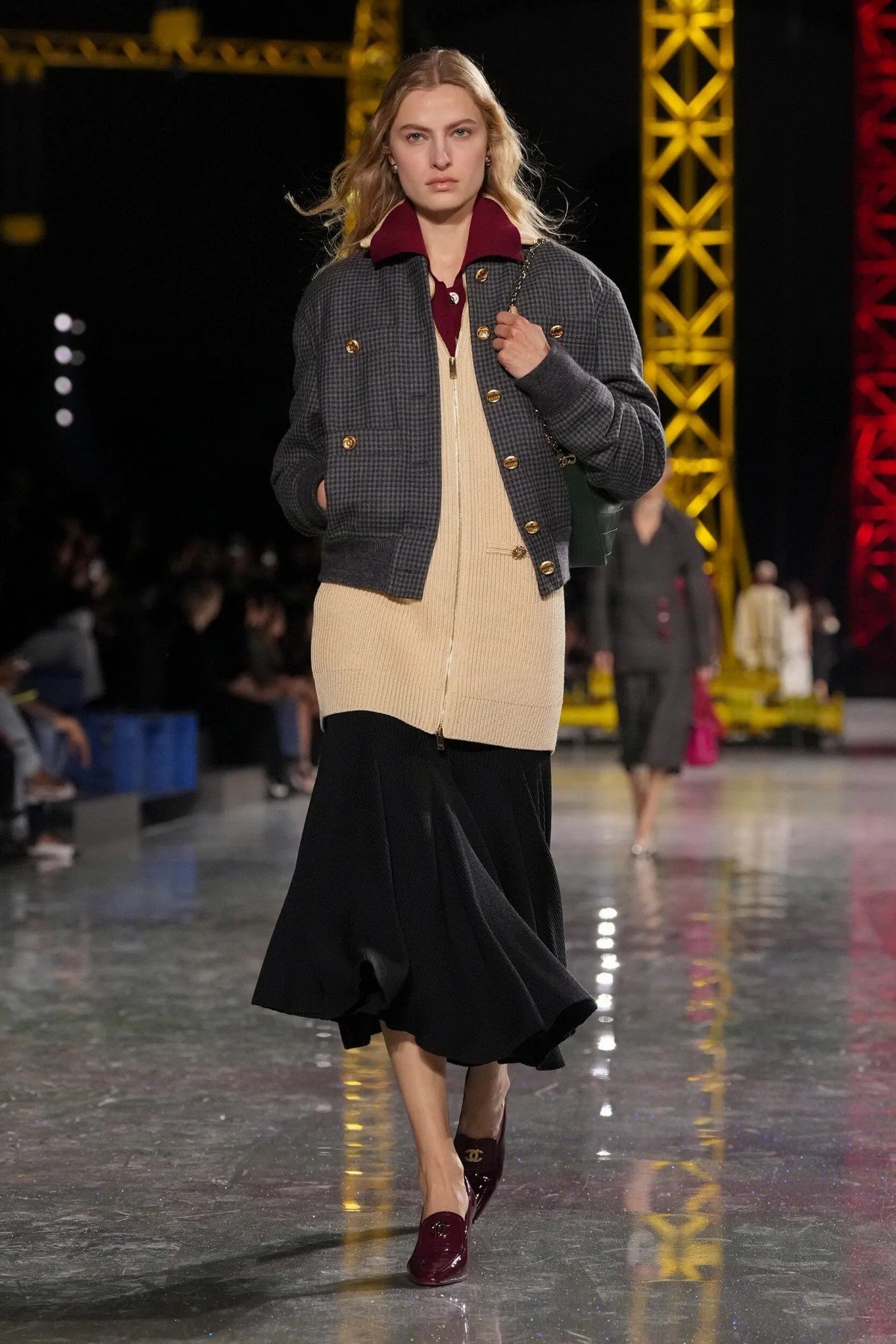
The collection opened quietly with a black knit zip-up jacket with four gold buttons and little else to signal extravagance. That restraint was deliberate. Blazy has been building his version of Chanel from the ground up, using the classic tweed suit as his starting point. From there, things grew more complex and layered, ultimately becoming more dazzling.
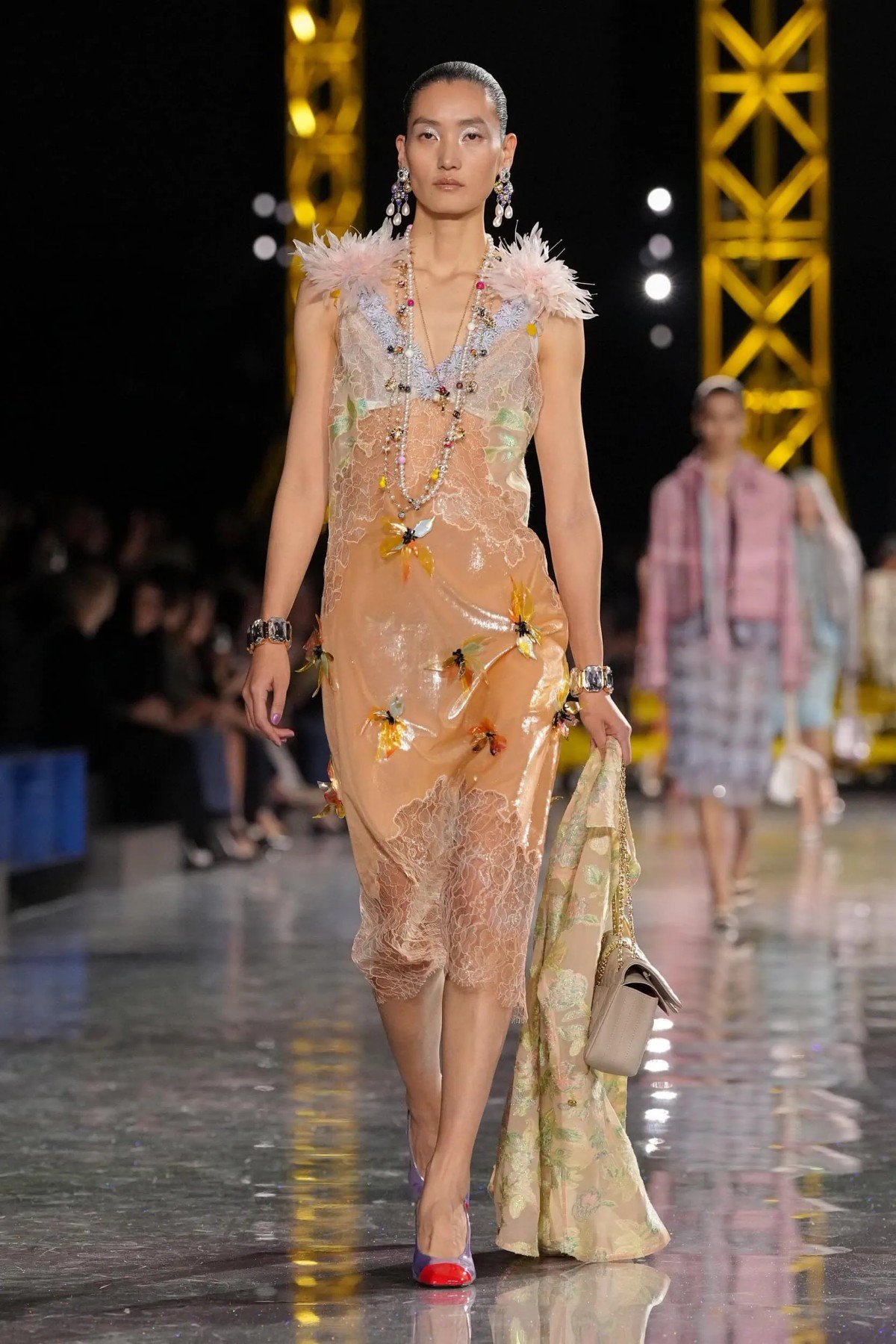
Blazy drew his guiding principle from an old interview that Gabrielle “Coco” Chanel gave to Le Figaro in the 1950s. She spoke of dresses that crawl and dresses that fly, of the caterpillar and the butterfly, of different worlds and hours. Blazy translated that idea into clothes that transitioned from plain black jersey to iridescent metal mesh – a full spectrum of practical and spectacular.
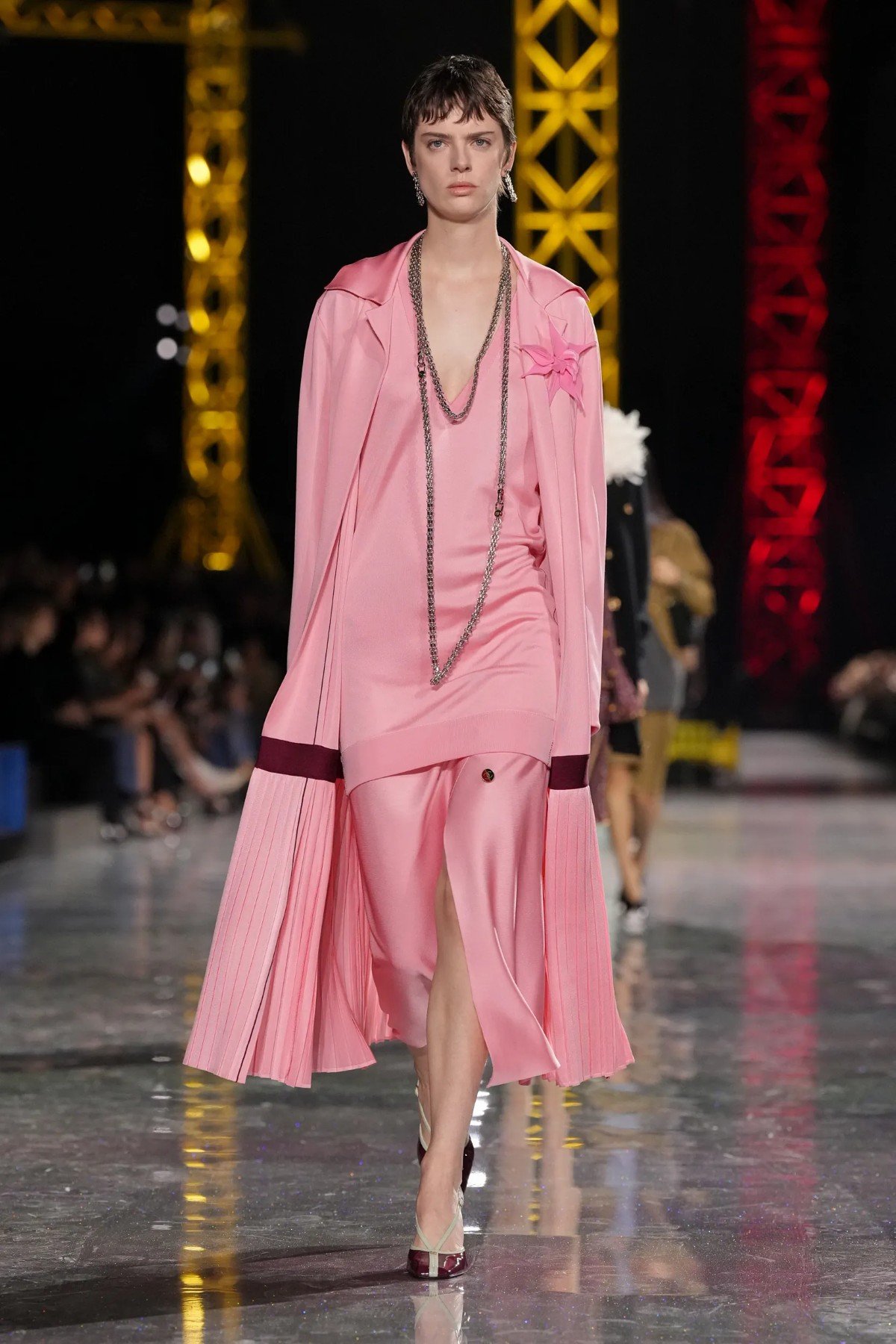
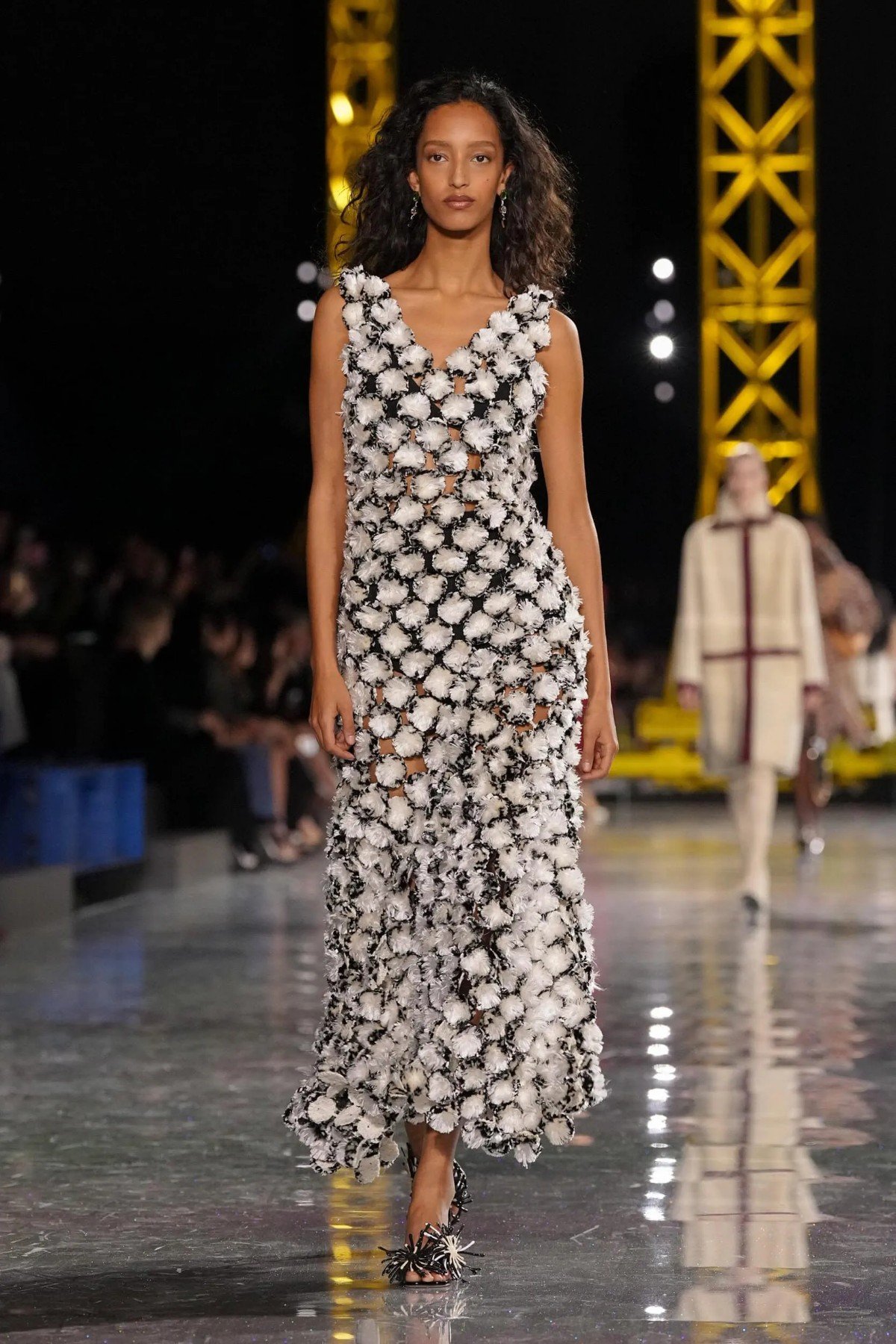
The Grand Palais was decorated to resemble a construction site with lit-up cranes in primary colors overhead. It was a blunt metaphor, but an honest one. Blazy is building something, and he knows it. The holographic floor caught the light from his more embellished pieces – spiky 3D floral appliqués, gleaming surface treatments, and chainmail printed with tweed motifs – and threw it back into the room.
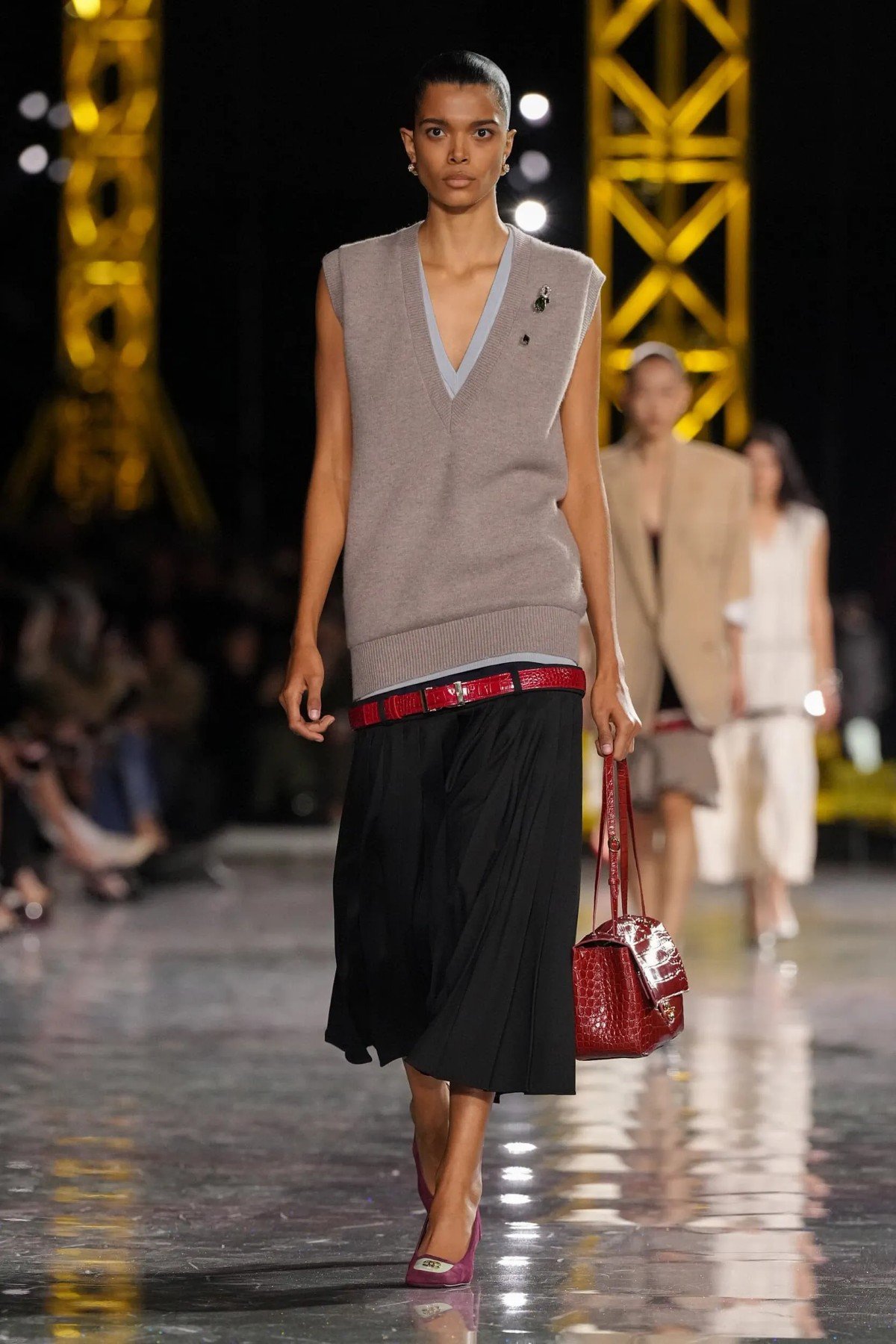
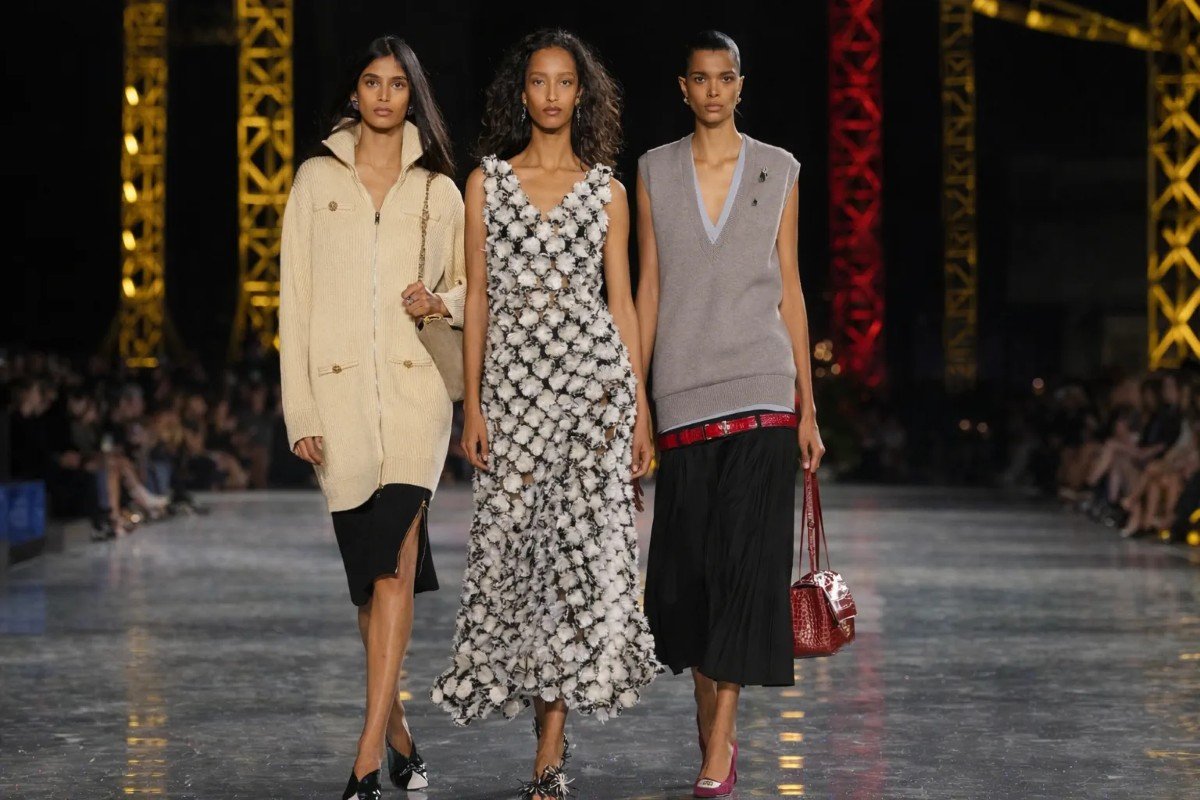
The daywear carried echoes of the 1920s. Drop-waisted silhouettes elongated the torso. A silky twinset with a pleated coat felt historical yet wearable. Patchwork dresses dusted with floral embroidery sat beside electric patterned knits and a pleated dress striped in what looked like audio waveforms. A furry coat in bold, graphic colors recalled the vibrancy of Sonia Delaunay’s work. The references were specific, yet the results felt fresh.
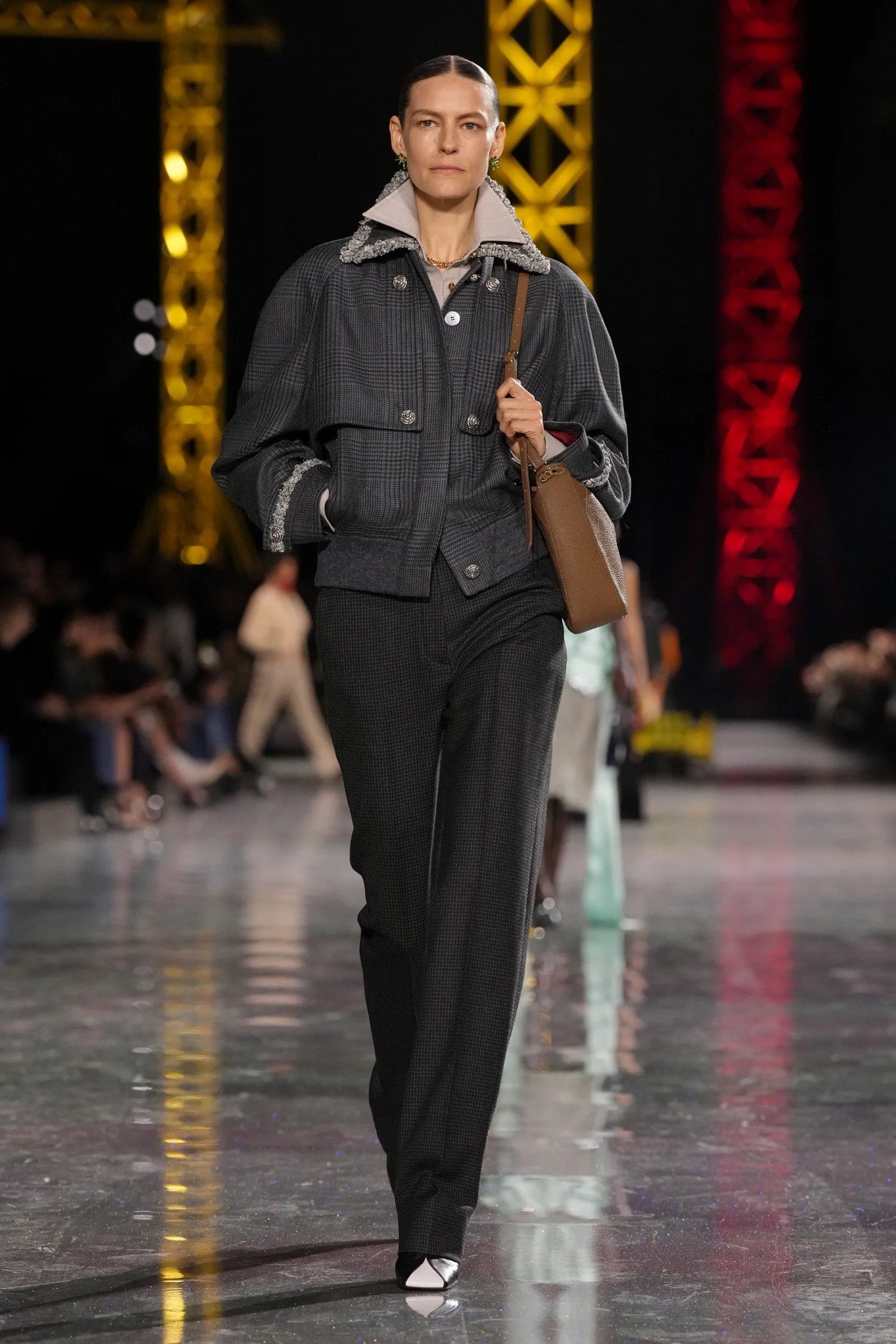
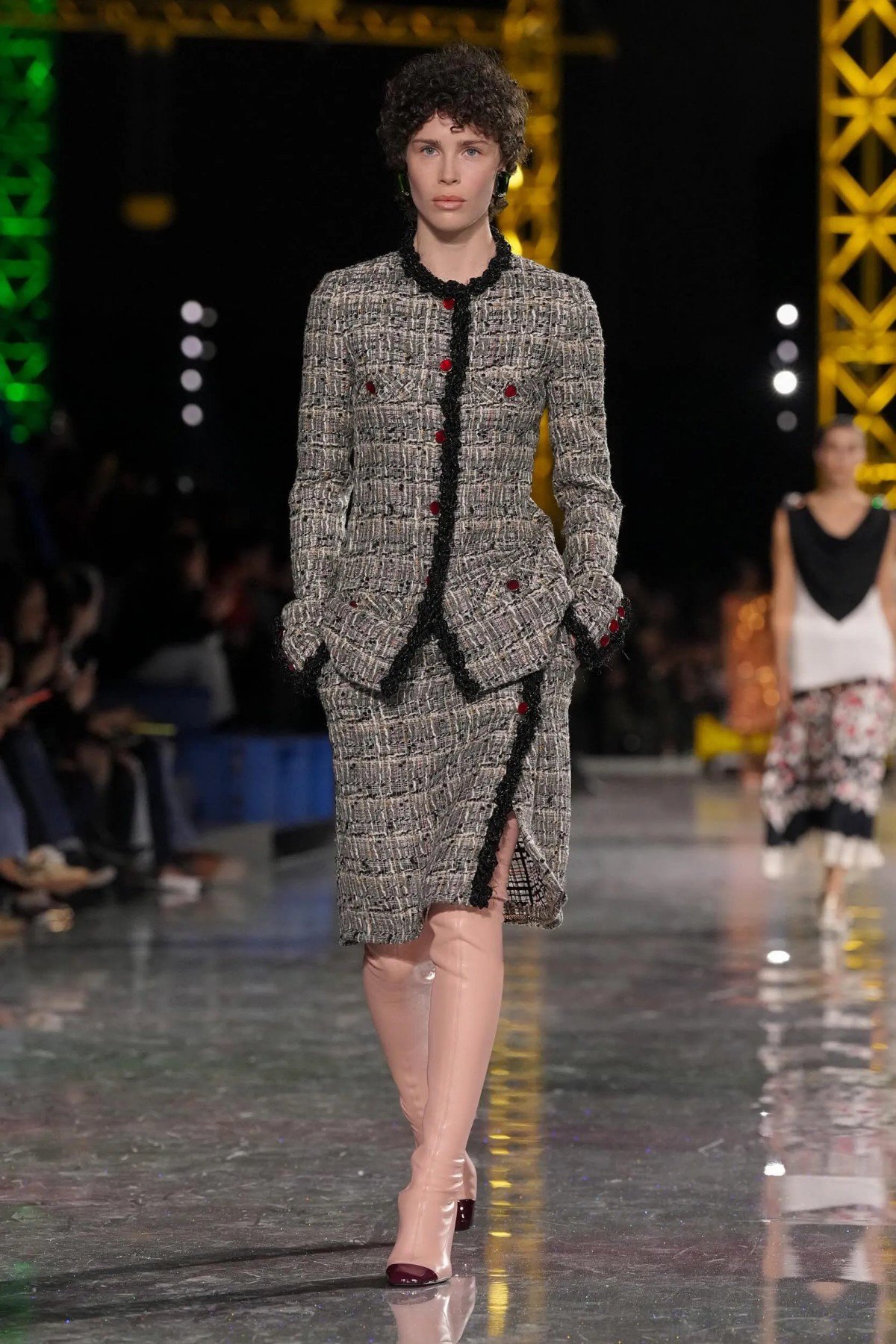
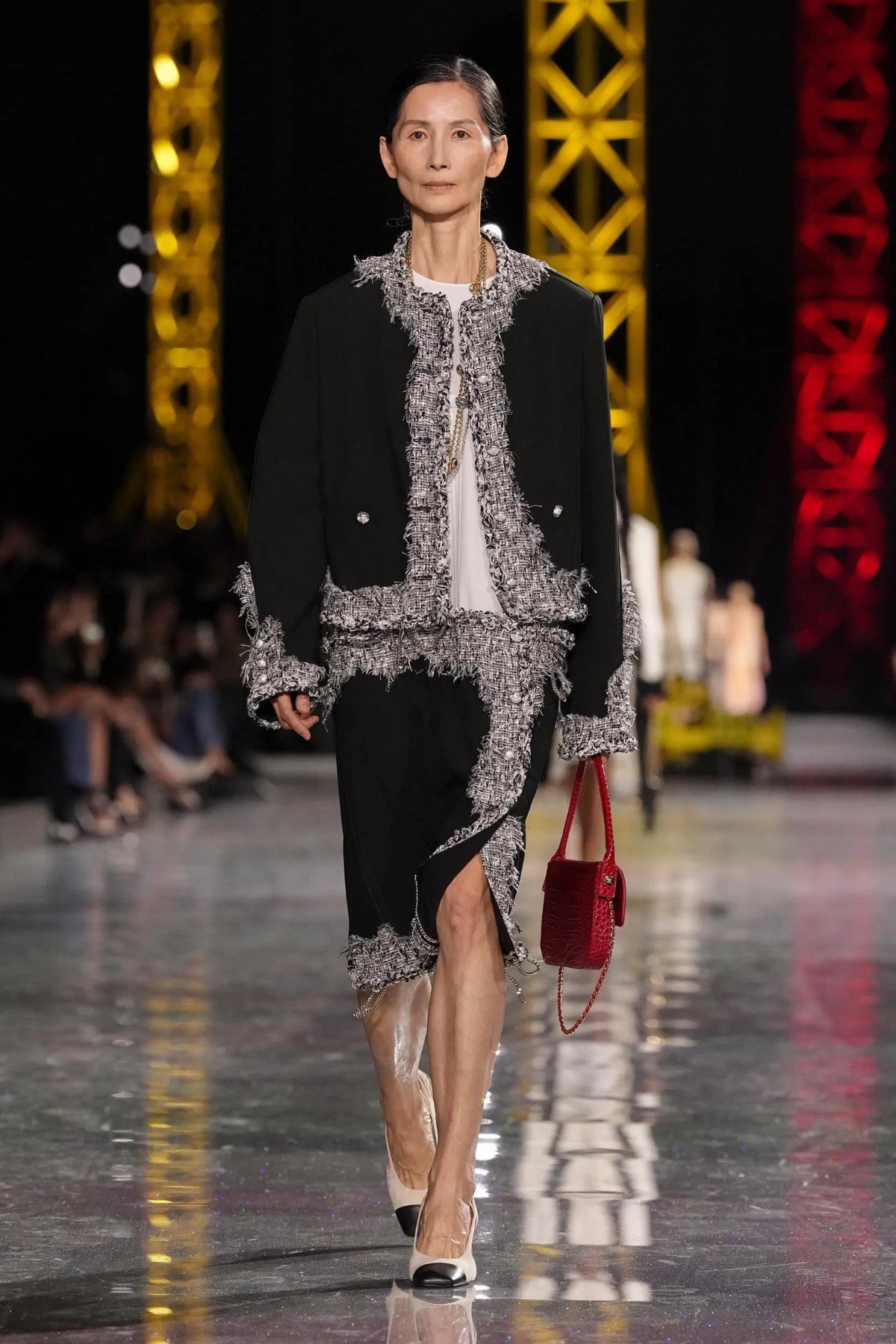
Blazy also pushed Chanel’s gender boundaries without making a production of it. The tweed blousons and overshirts worn with matching knee-length skirts on the runway looked just as good with jeans and could be worn by both men and women. Chanel’s male clientele has been growing, and these clothes appealed to them without alienating anyone.
Blazy’s attempt to make the area below the hips a new focal point by dropping belts low on the body was slightly misguided. This idea felt forced in a collection that otherwise relied on the clothes themselves to speak for themselves.
Follow all the latest news from Fashionotography on Flipboard, or receive it directly in your inbox with Feeder.
You may also read

The evening looks were particularly successful. A caviar-beaded coat trimmed with silver constellation details was dramatic without being showy. A pleated red sack dress exuded presence effortlessly. The metal mesh suits, which were worn with hair dyed to match, appeared at the end of the show as a final burst of color and light.
Blazy’s first mainline collection has already landed in stores, beginning with an exclusive Paris launch, followed by an international rollout. The response has been striking. Reports of editors waiting for hours, making multiple purchases, and finding styles impossible to locate suggest that Blazy has done more than introduce a new aesthetic. He has created genuine demand.
Coco Chanel once took clothes from the working class and repositioned them as luxury items. Blazy is doing something similar with her legacy: keeping what matters, discarding what doesn’t, and making the whole thing feel new.