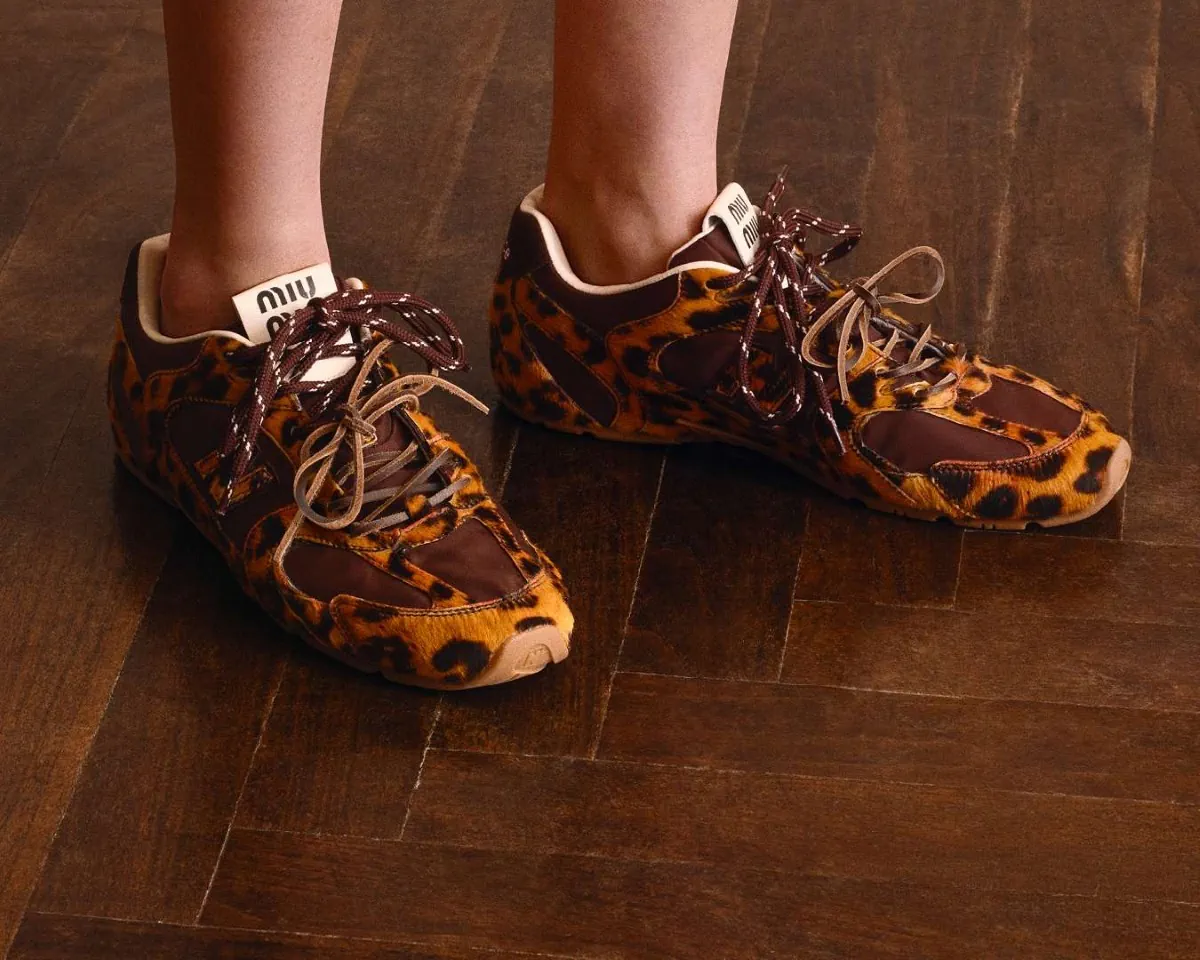


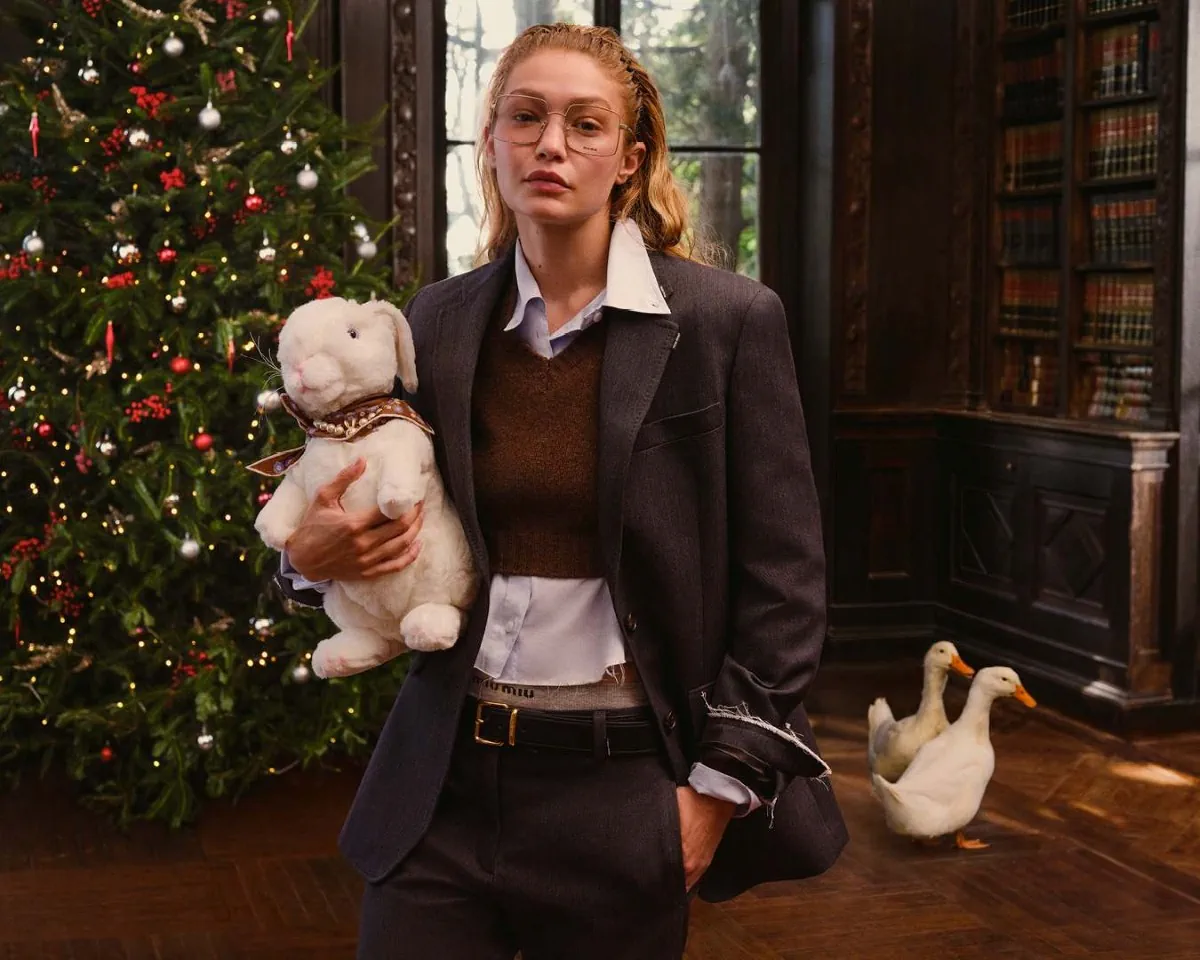
| The Miu Miu Holiday 2026 campaign features Gigi Hadid alongside six other cast members. Photographer Tina Barney captured the campaign inside a grand townhouse decorated for the festive season. The 2026 collection includes clothing, footwear, handbags and accessories. Emilie Blichfeldt directed an accompanying short film. |
Holiday dressing often comes with familiar expectations. Family gatherings, formal interiors and long-standing customs can influence what people choose to wear. The Miu Miu Holiday 2026 campaign examines those expectations through photographs featuring Gigi Hadid, where classic clothes, unexpected combinations and playful details coexist in an affluent domestic setting.
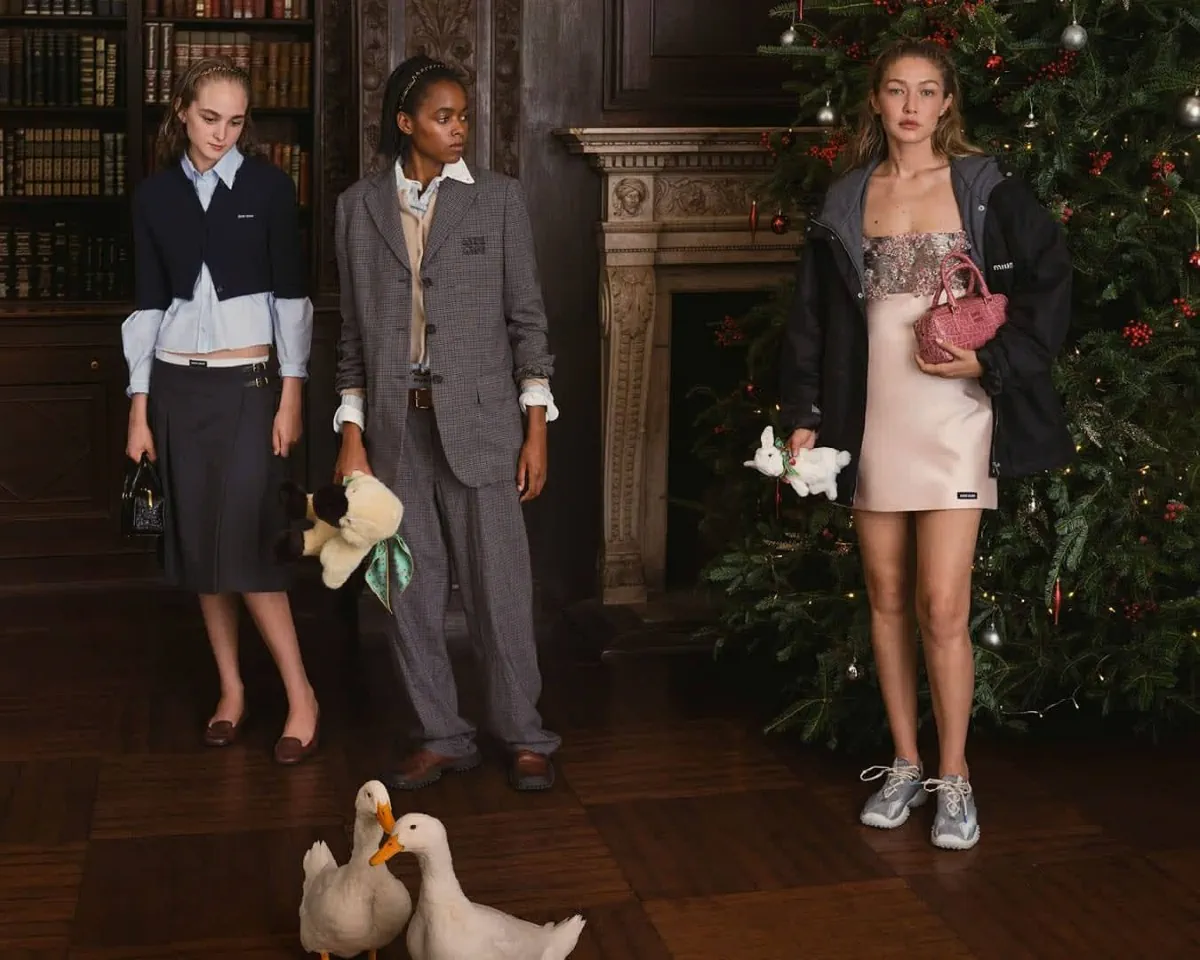
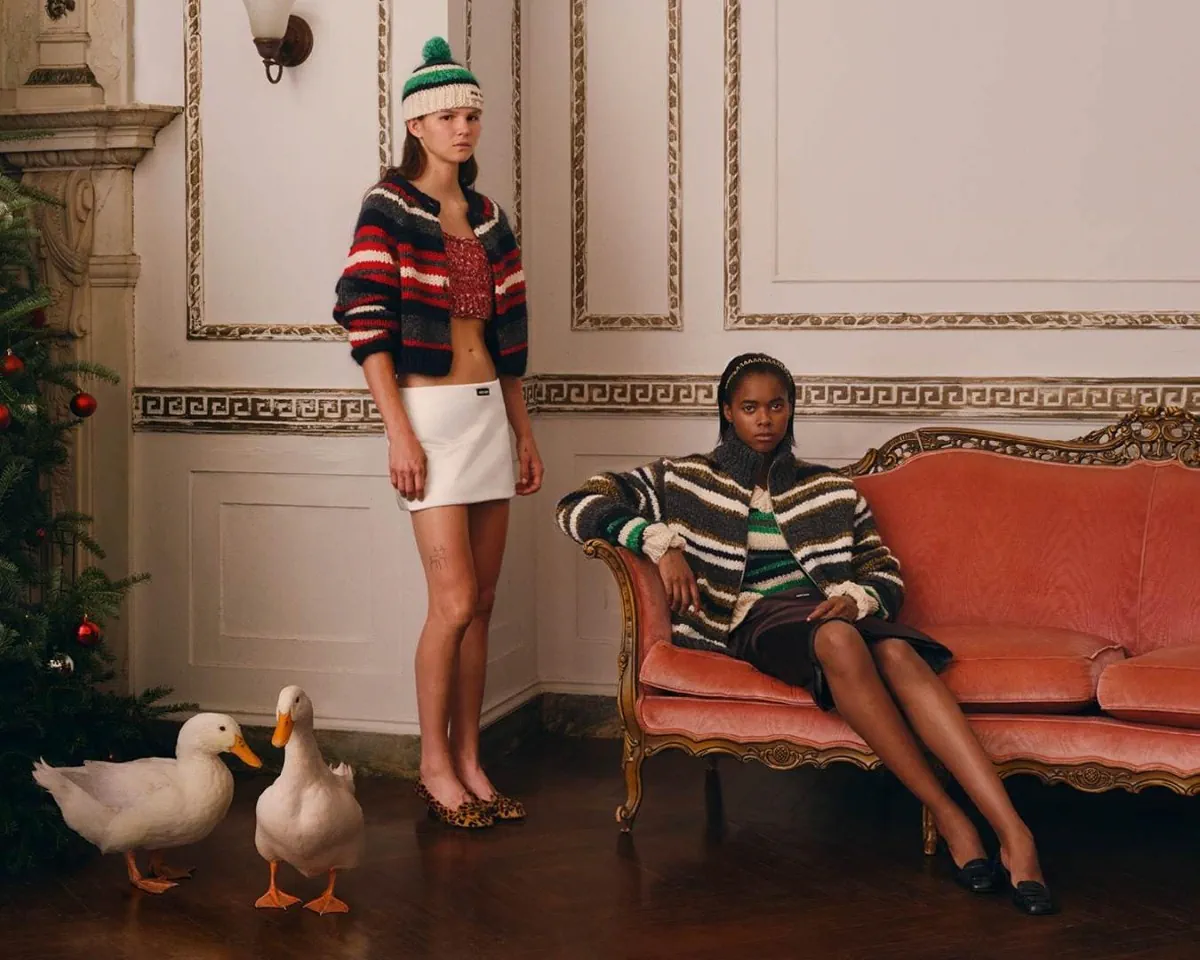
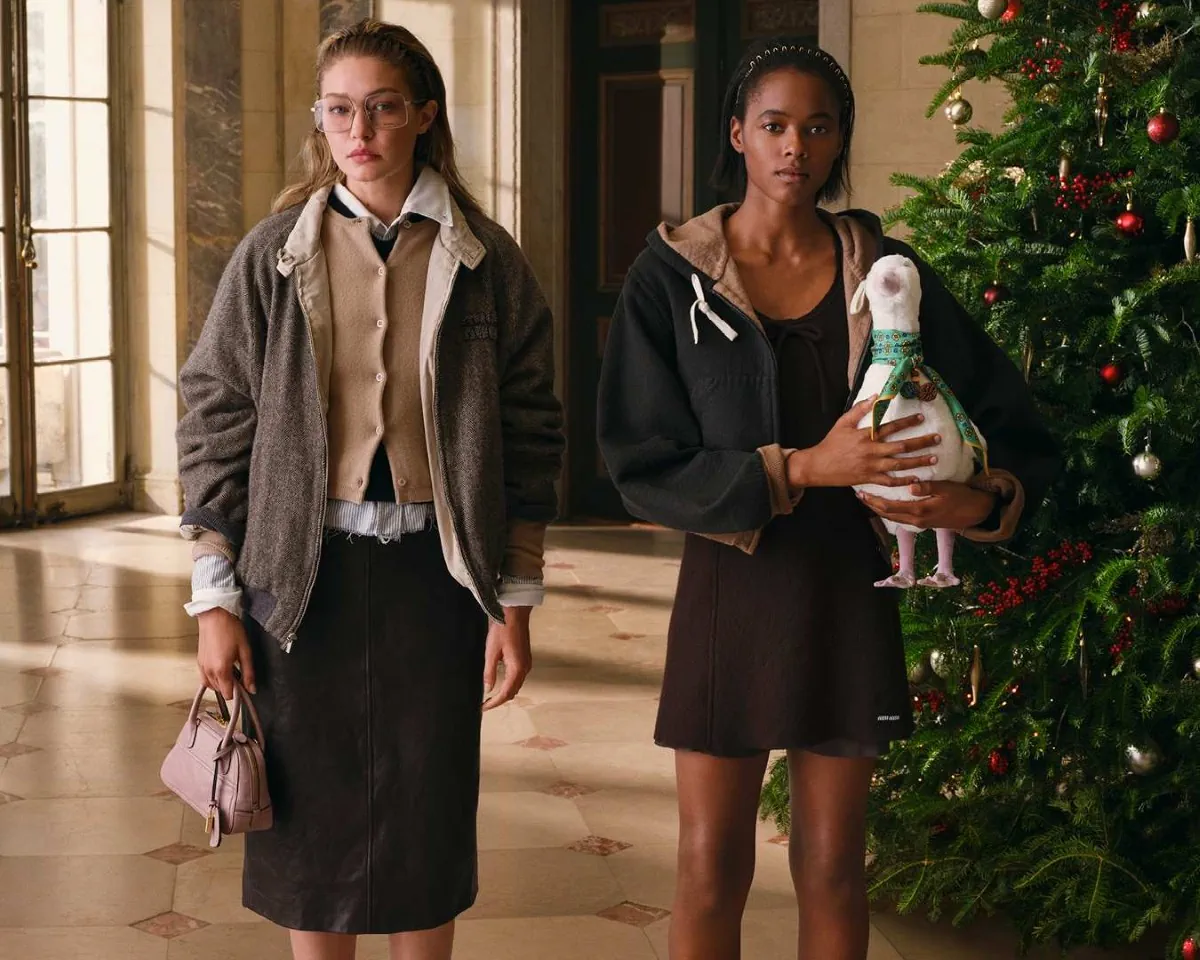
Photographed by Tina Barney, the campaign takes place inside a townhouse filled with antiques, polished wooden furniture and seasonal greenery. Winter light softens the interiors, while the carefully arranged cast introduces a contemporary perspective to the traditional setting.
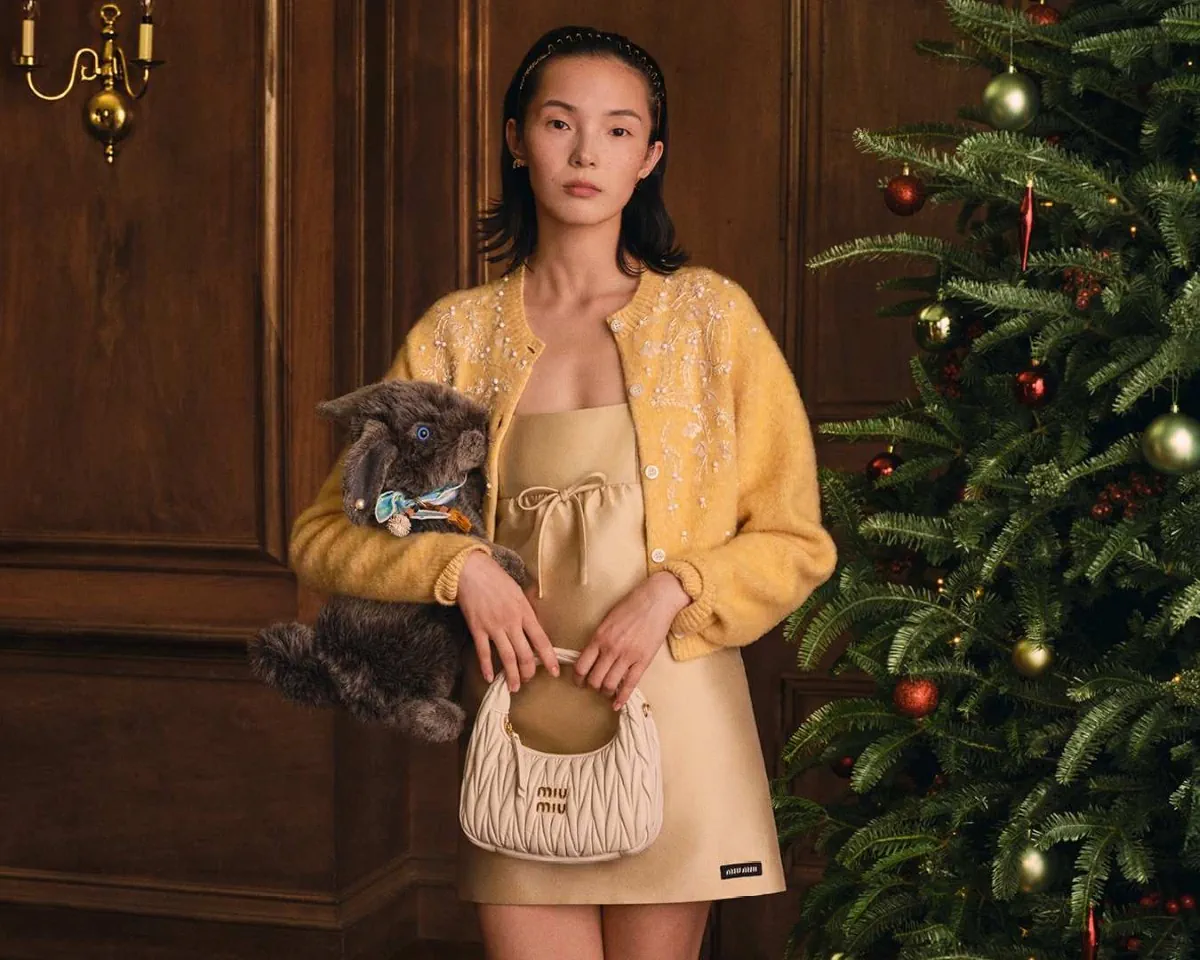
Rather than presenting festive fashion as a series of evening outfits, Miu Miu considers how clothing reflects personal habits, social expectations and individual preferences.
Barney’s involvement is particularly relevant to the campaign’s visual direction. The American photographer is known for examining family relationships, social environments and everyday interactions, often within affluent households.
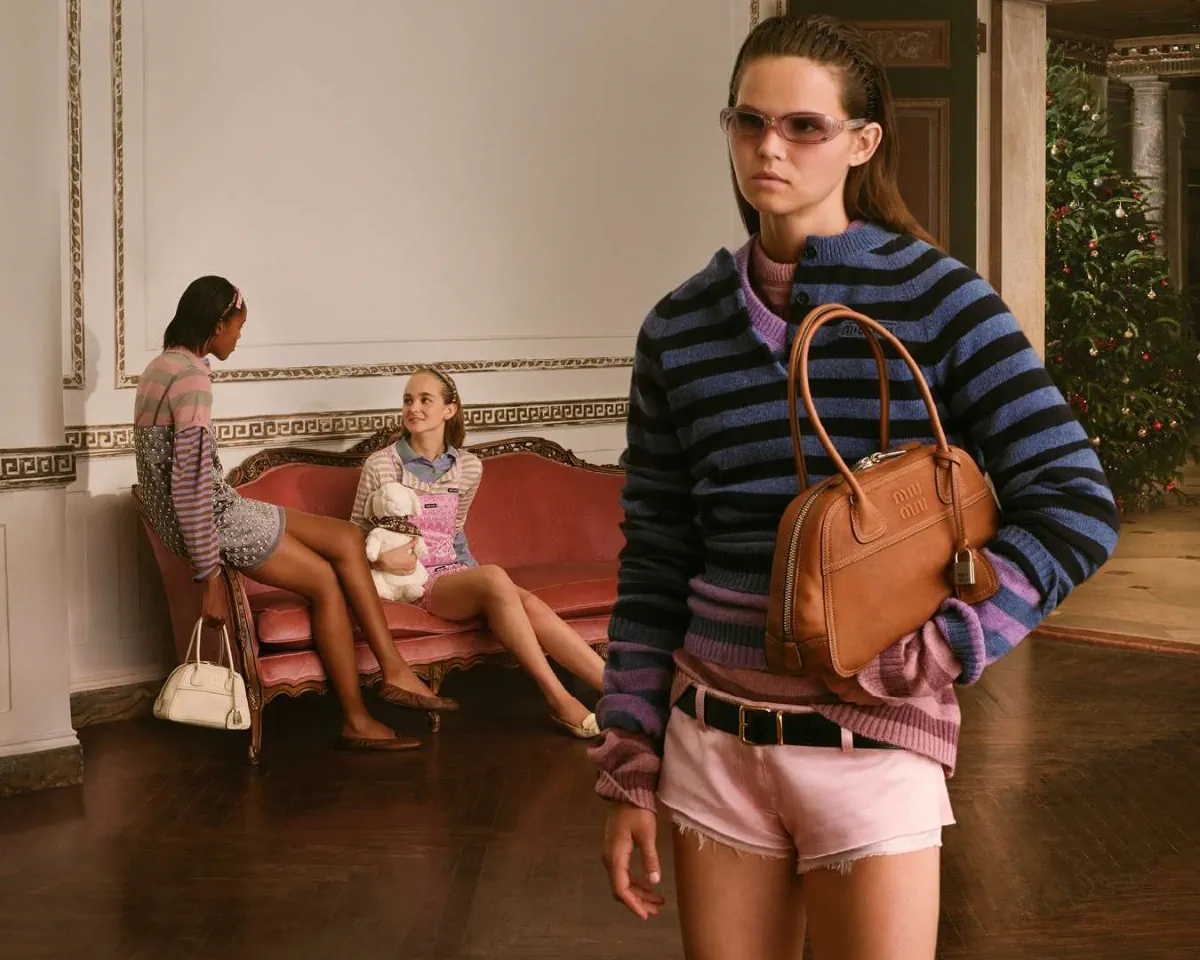
Her photographs frequently use domestic interiors to reveal information about the people occupying them. Furniture, clothing and physical distance contribute to an understanding of their relationships.
For Miu Miu, this approach gives the townhouse a role beyond providing an attractive backdrop.
Gigi Hadid appears alongside Crystal Fish, Louisa Jacobson, Xiao Wen Ju, Georgia Martin, Momo and Nyla Singleton. The cast occupies different areas of the house, sometimes gathering together and sometimes appearing absorbed in individual activities.
Follow all the latest news from Fashionotography on Flipboard, or receive it directly in your inbox with Feeder.
Their composed expressions reinforce the formality of the surroundings. Yet their individual presence prevents the photographs from resembling conventional family portraits.
The resulting images explore how people maintain their identities while participating in shared traditions.
Clothing provides the clearest expression of the campaign’s central idea. The collection combines familiar wardrobe staples with pieces usually associated with special occasions.
Upcycled Miu Miu knitwear appears alongside embroidered silk dresses, while grey tailoring and country flannels introduce references to traditional menswear.
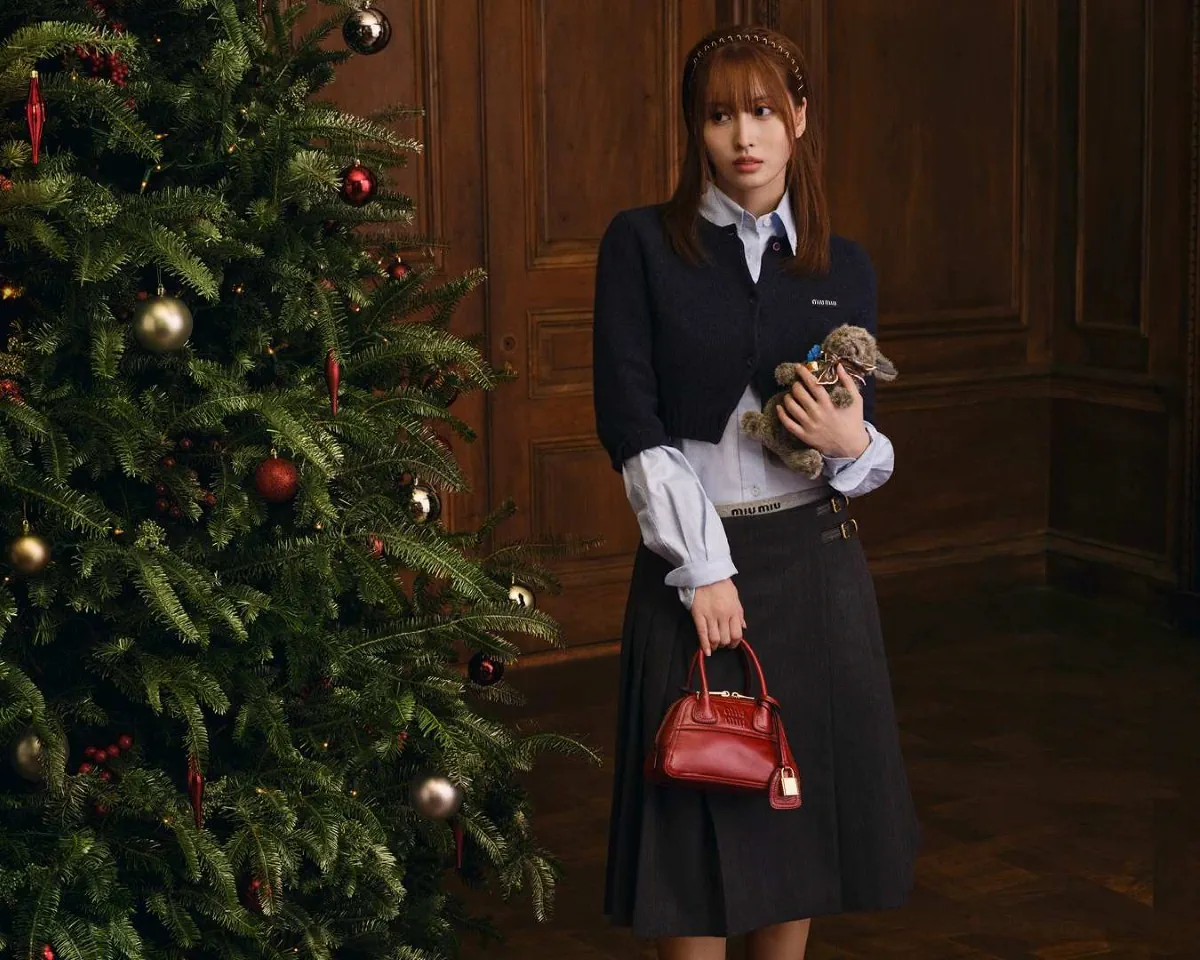
Sportswear-inspired zip-front jackets offer another contrast. Cotton canvas separates are worn over sequined bralettes, while substantial nylon outerwear accompanies delicate satin slip dresses.
Leopard-print shearling jackets bring additional texture and volume.
These combinations reflect Miu Miu’s established interest in challenging conventional distinctions between casual and formal clothing.
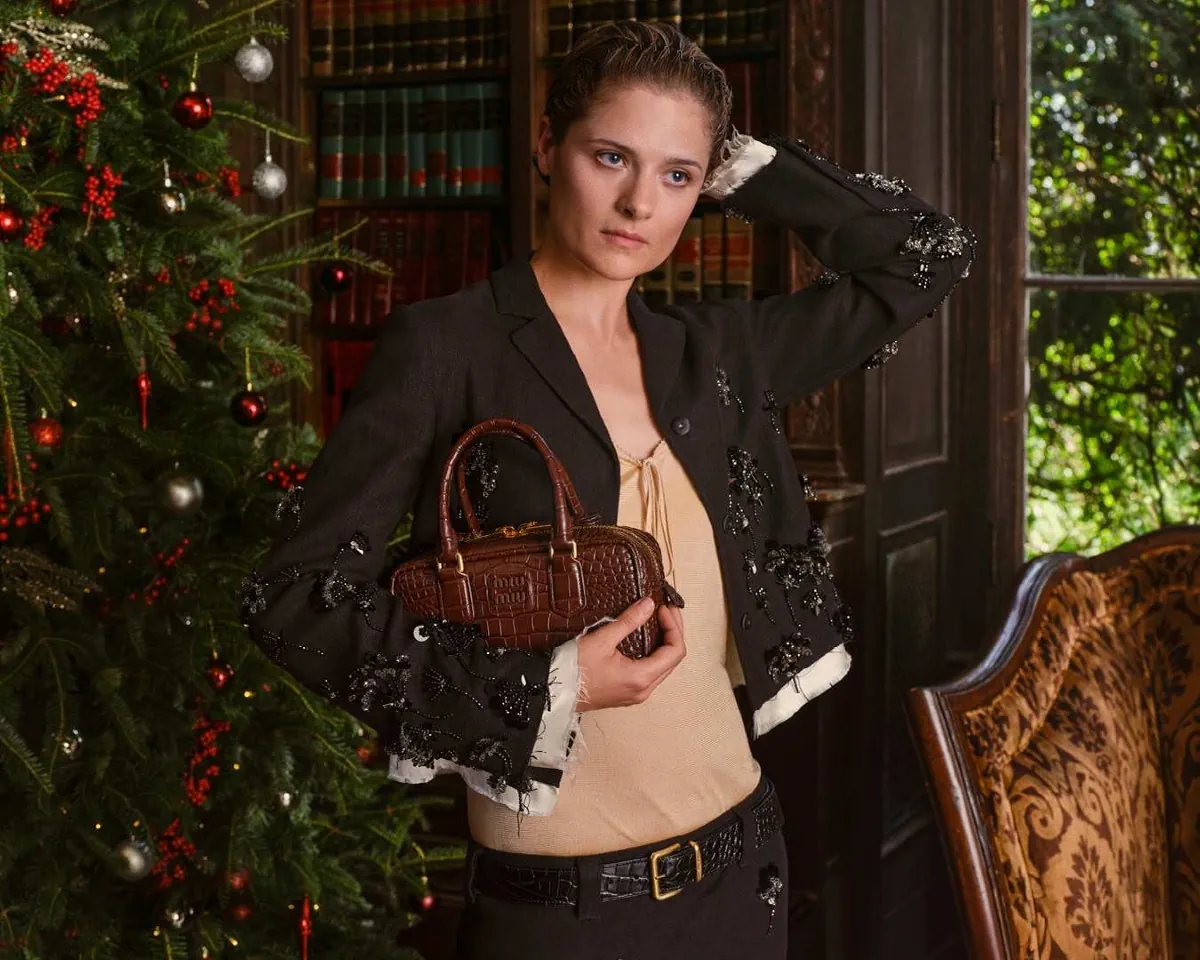
They also acknowledge the practical realities of dressing for the holidays. A person may want comfortable layers for a family gathering without abandoning the possibility of wearing something more decorative.
Here, the two approaches are presented as compatible rather than competing choices.
Accessories remain an important part of the collection, although their presentation follows the campaign’s relatively restrained approach to festive styling.
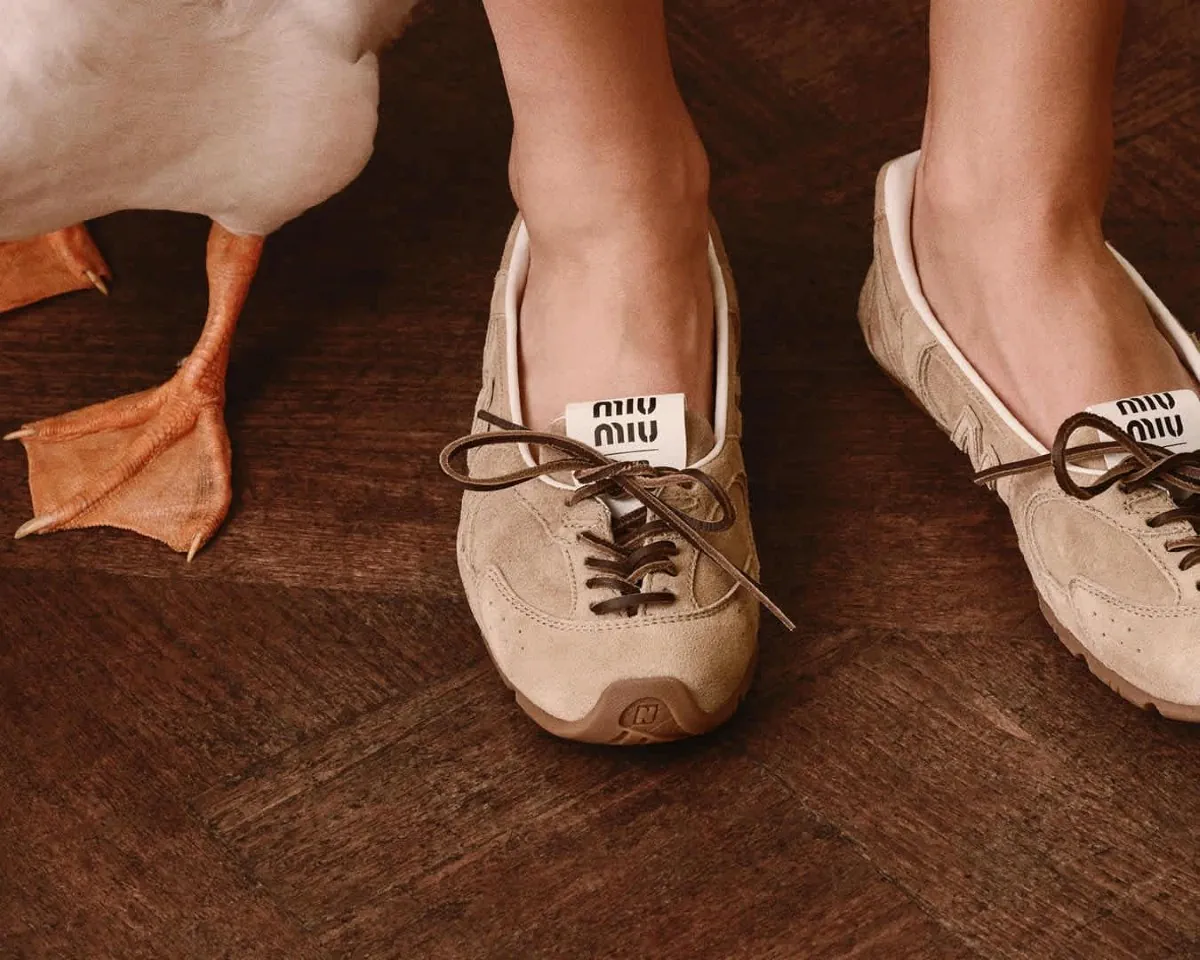
Loafers and ballet flats provide familiar footwear options, while the Beau, Vivant and Arcadie handbags appear in smooth leather and crocodile-embossed calfskin.
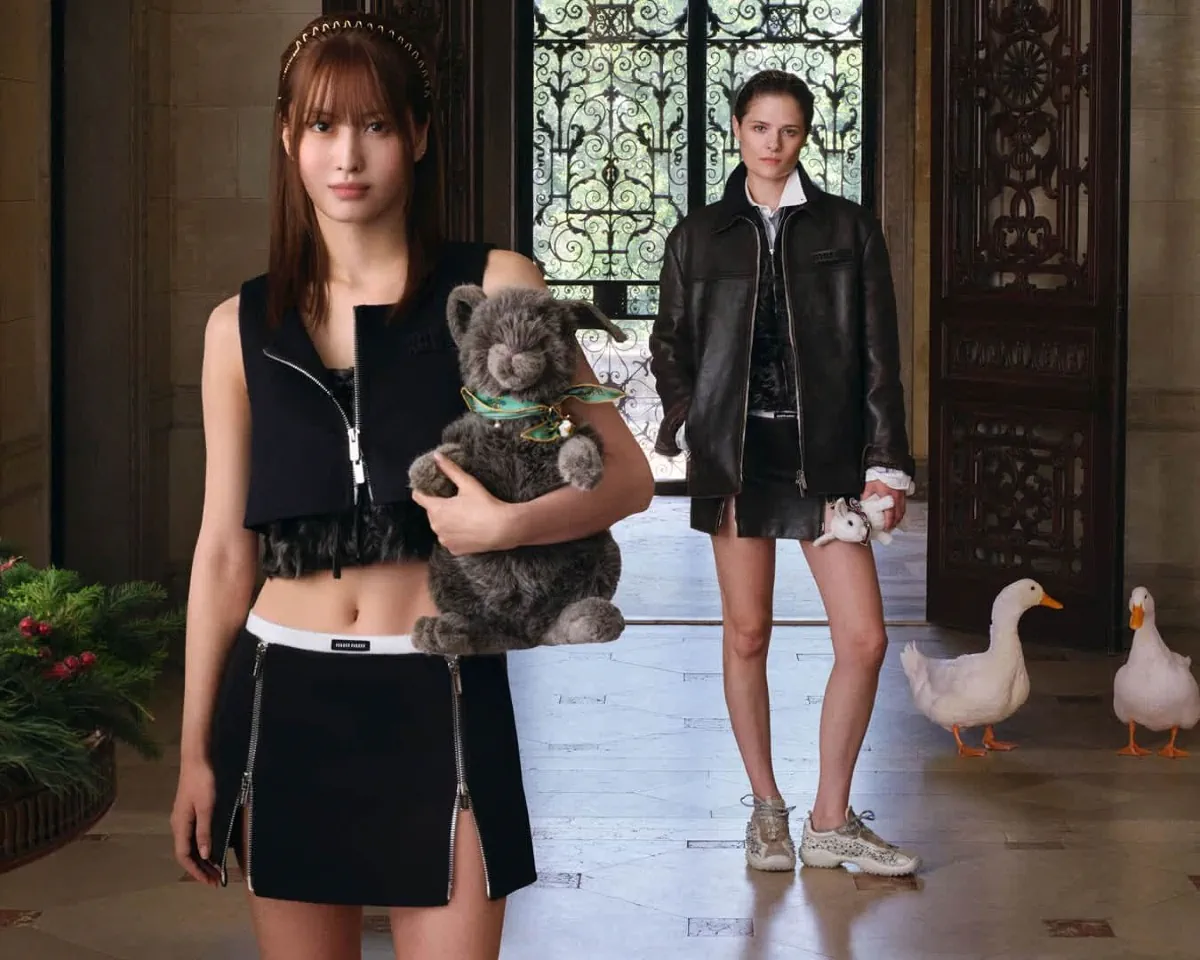
The Wander bag receives a more seasonal treatment through red and silver versions.
Eyewear, scarves, hats, mittens, hair accessories and jewellery complete the selection.
The accessories suggest different approaches to holiday gifting, from practical everyday pieces to more decorative purchases. Their presence within the townhouse also connects them to the broader theme of personal possessions and individual taste.
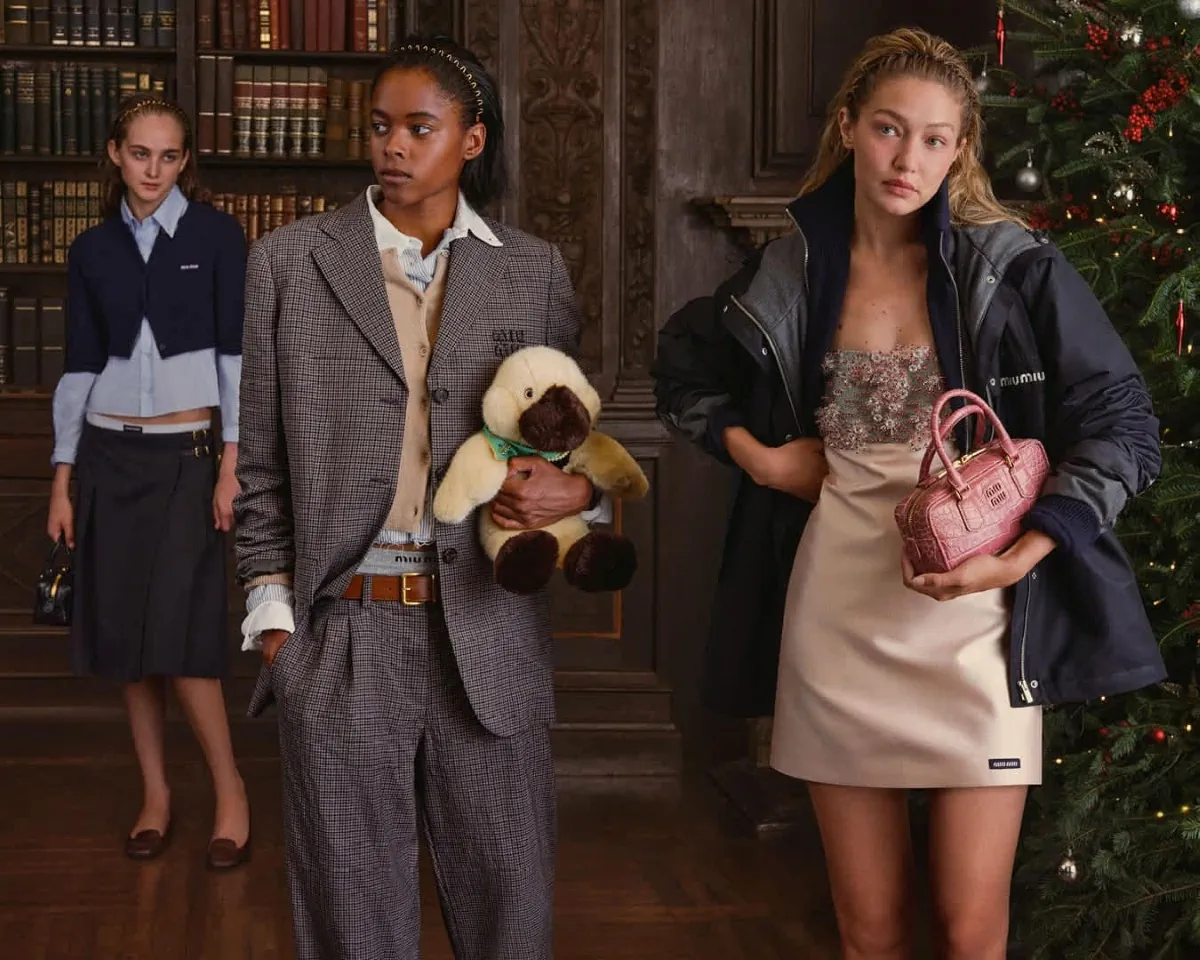
Among the campaign’s most distinctive details are plush bears, rabbits and geese created specifically for the occasion.
The cast holds these animals with considerable seriousness, treating them almost as additional guests.
Their presence introduces a contrast between childhood attachments and adult expectations of sophisticated behavior.
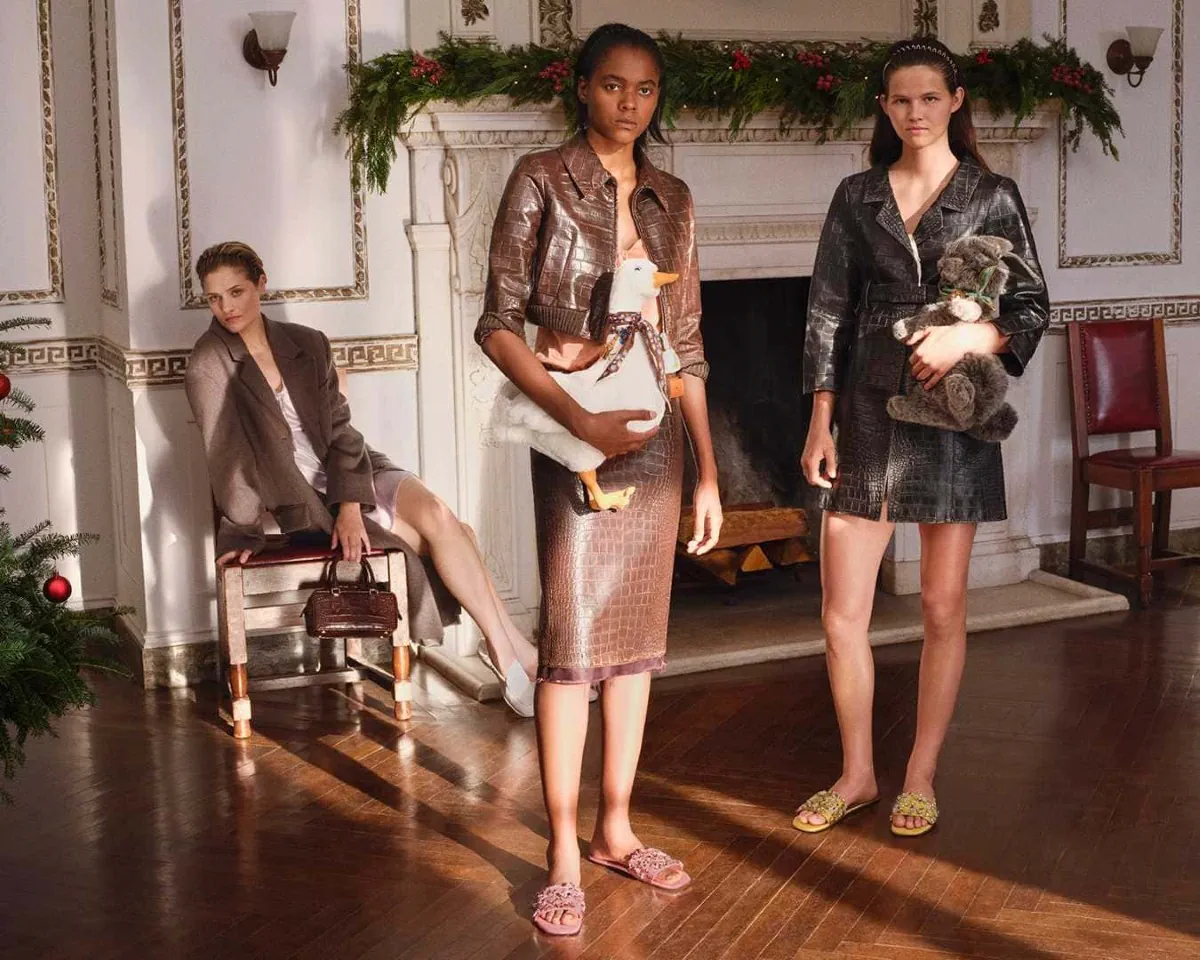
It also challenges the formality traditionally associated with luxury holiday imagery. Instead of relying entirely on expensive interiors and polished clothing, the photographs allow ordinary sentiment and gentle humor to become part of the presentation.
An accompanying short film directed by Emilie Blichfeldt extends this perspective, bringing the characters and their unusual companions into a more active setting.
Ultimately, the campaign presents holiday dressing as something shaped by tradition without being entirely governed by it. Through Barney’s photographs, Miu Miu offers a view of festive fashion in which familiar rules remain visible, but personal choices are given equal importance.