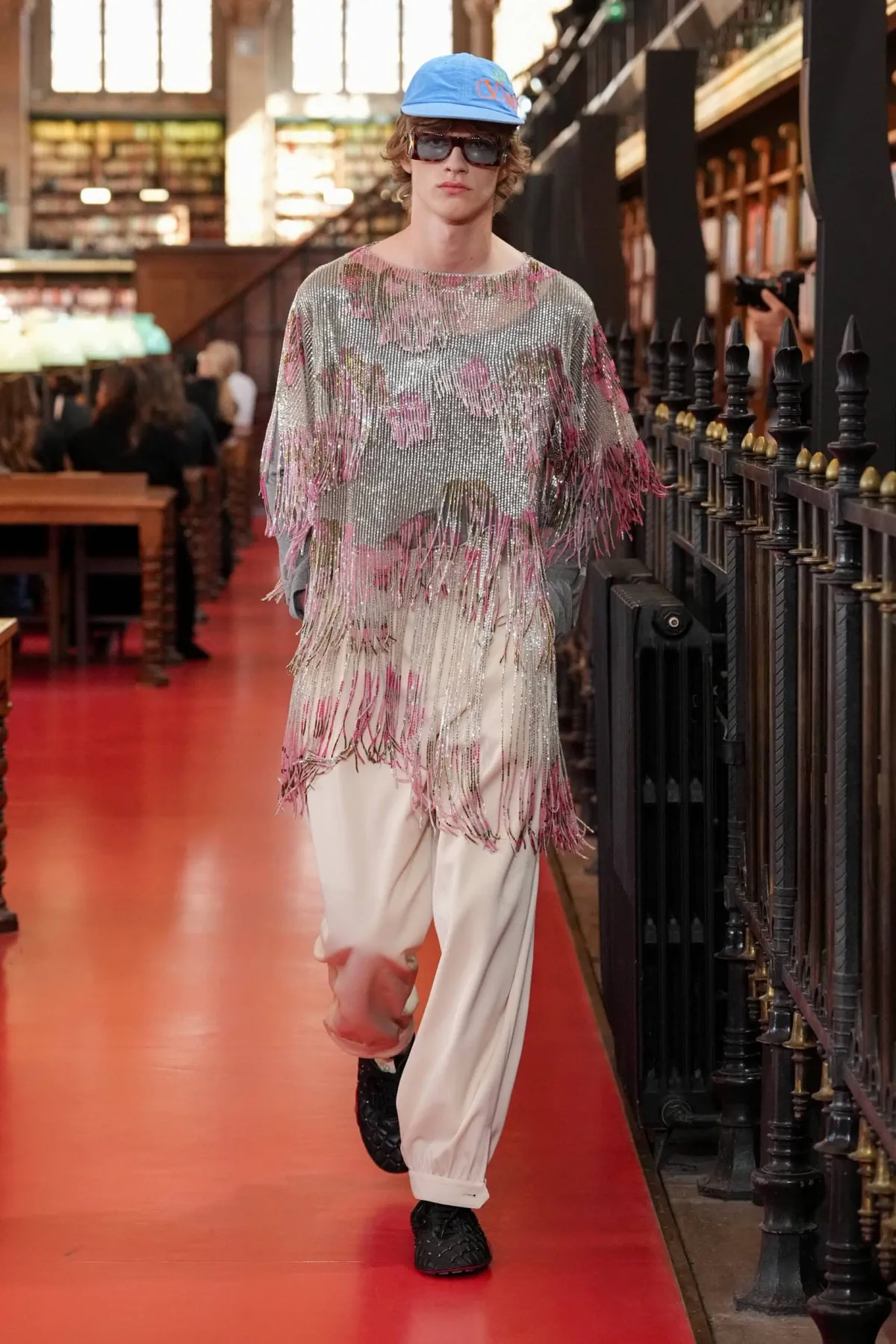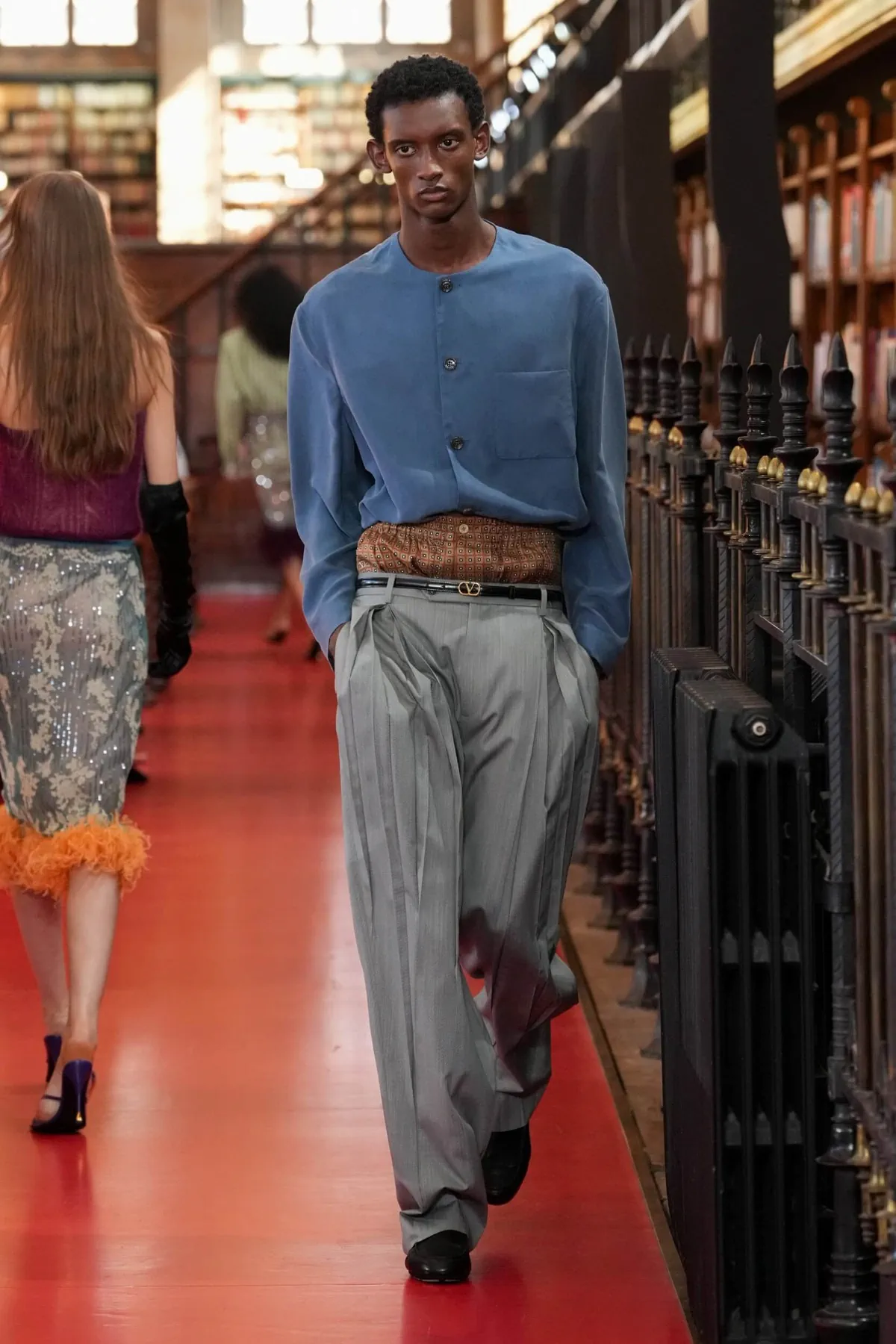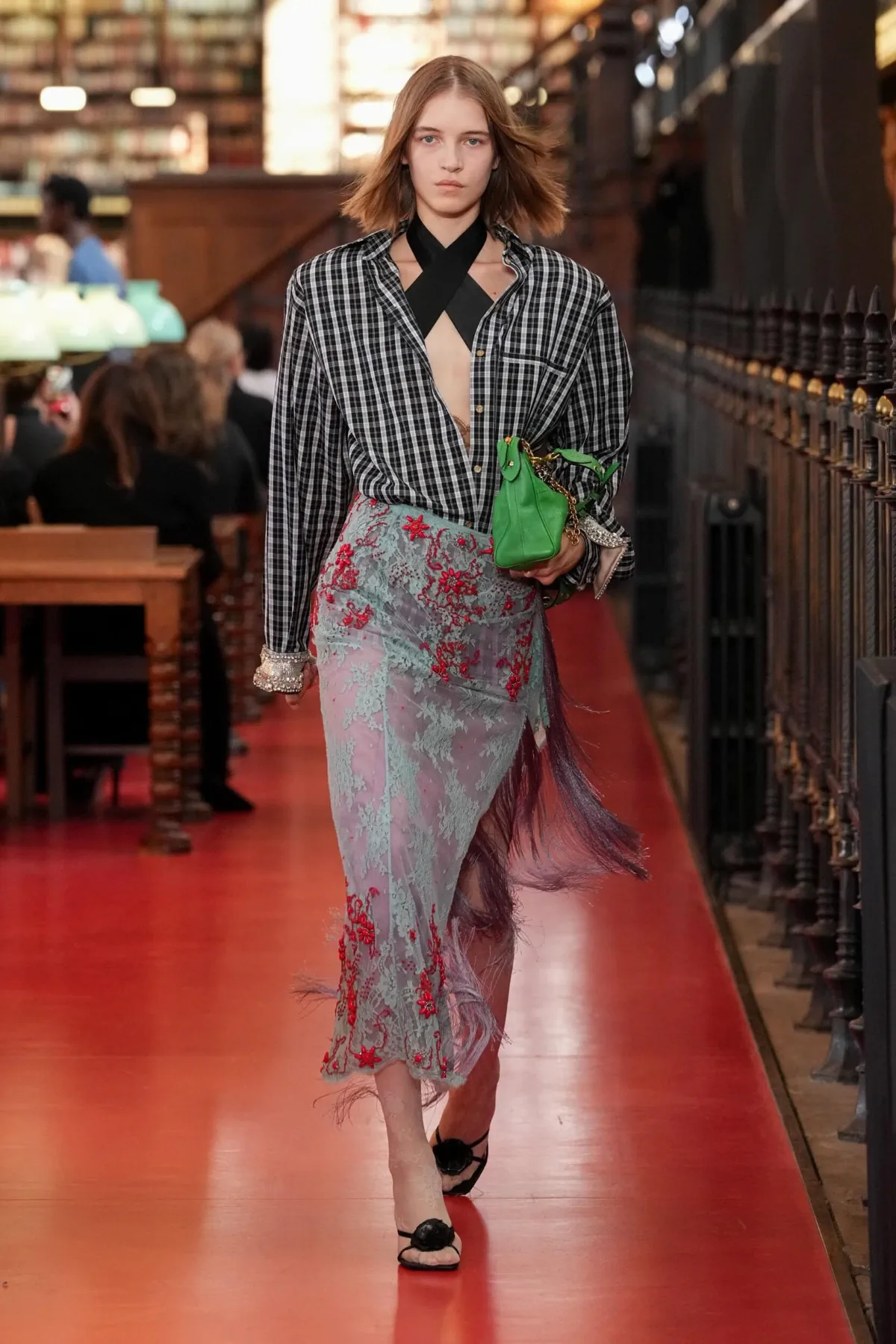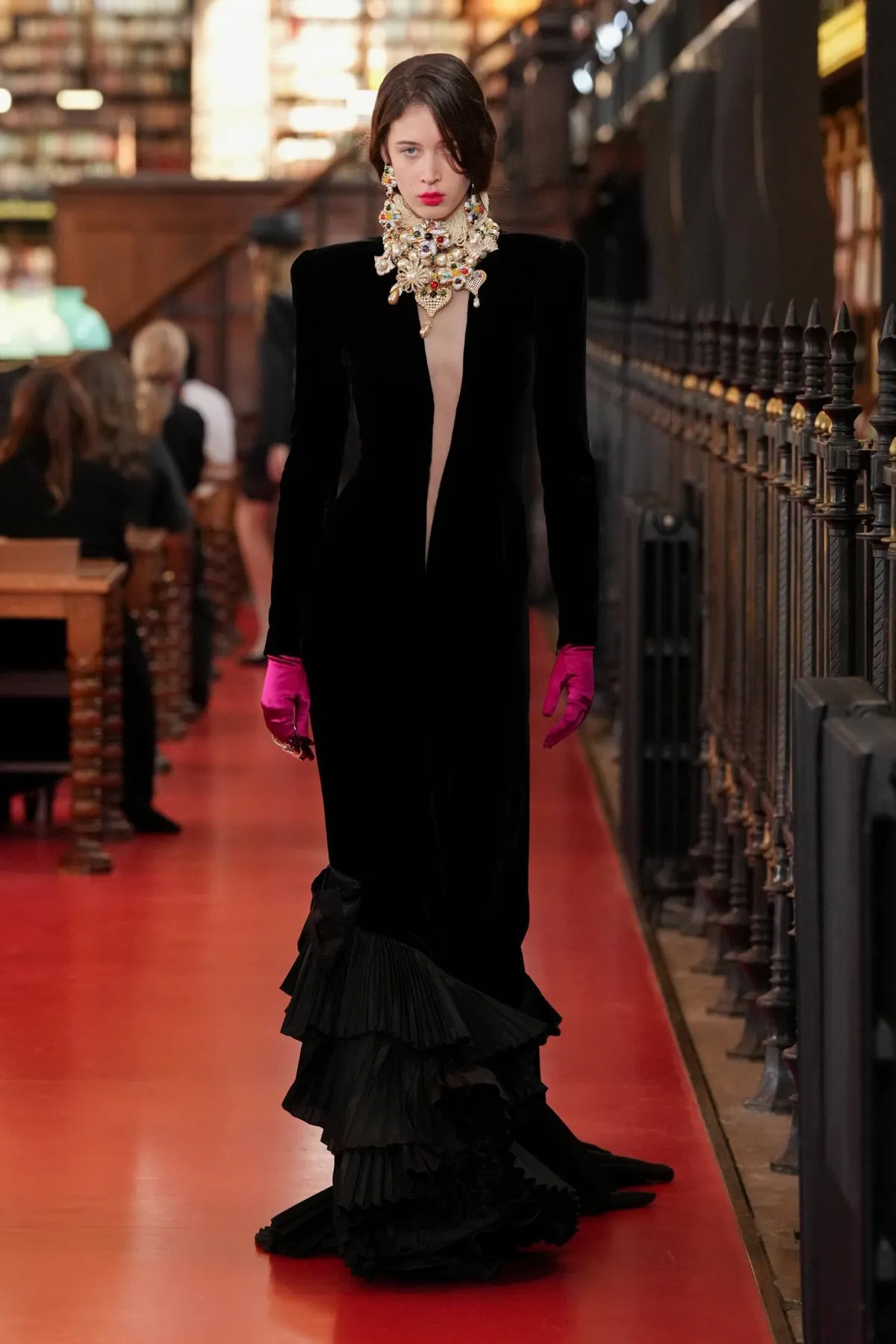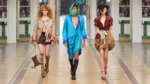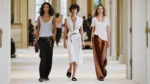

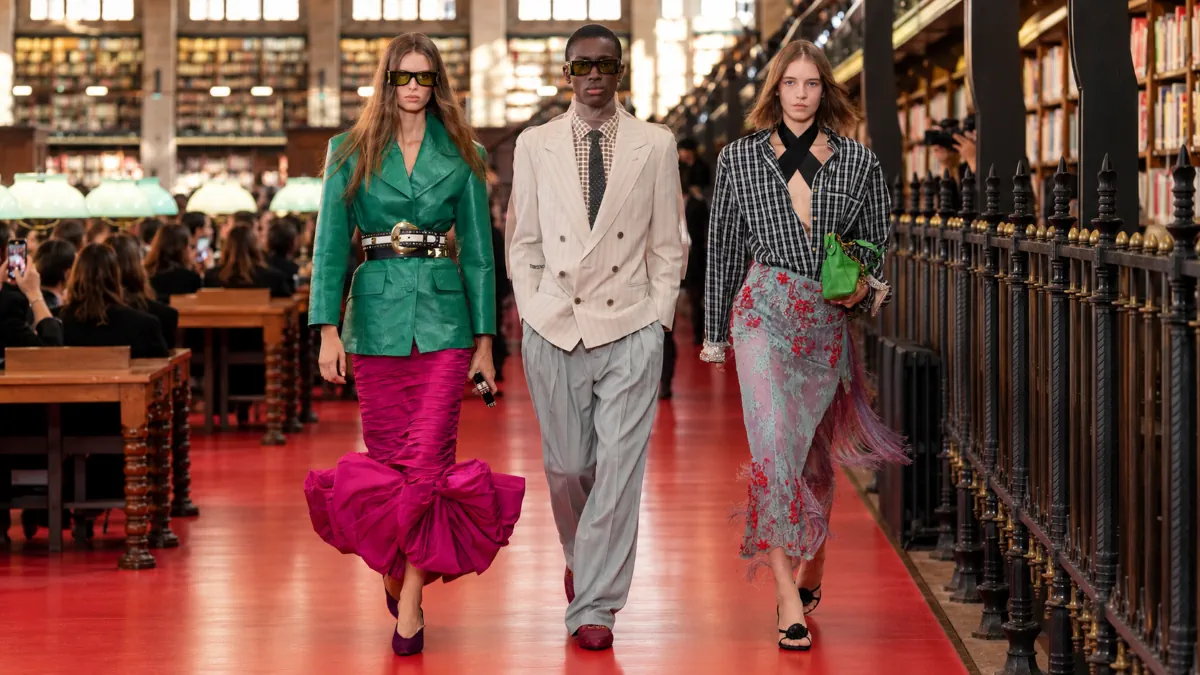
| Valentino’s Spring 2027 collection, titled “Antibiblioteca,” was presented by creative director Alessandro Michele on October 4th, 2026, at the Bibliothèque Sainte-Geneviève in Paris. Guests were asked to bring a book to be donated to public libraries. The show follows Valentino’s €103 million operating loss in 2025, after a €31 million operating profit in 2024. |
Guests at the Valentino Spring 2027 show were asked to bring a book to donate to the antilibrary. The venue was the iron-vaulted reading room of the Bibliothèque Sainte-Geneviève in the Latin Quarter, which was built by Henri Labrouste in the 1850s across from the Panthéon. The books were to be donated. Alexander Skarsgård brought a volume of Icelandic sagas, which he called “basically the ‘Iliad’ of Norse culture.” The Thai actor and singer Jeff Satur brought a manual on manifesting. You can draw your own conclusions.
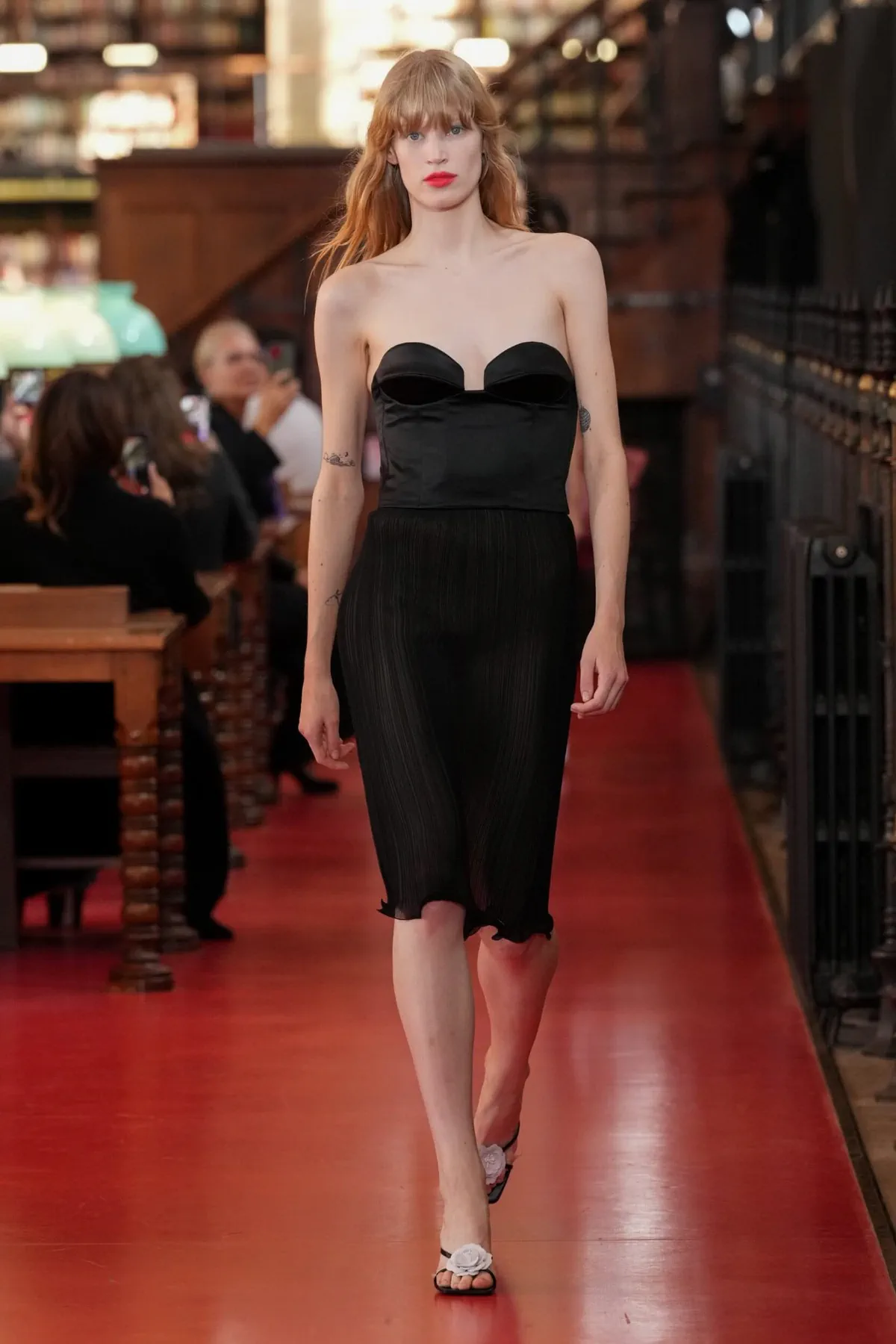
Alessandro Michele picked the library for a reason. He was inspired by the “antilibrary,” a term coined by Nassim Nicholas Taleb in The Black Swan to describe Umberto Eco’s vast collection of unread books. This personal library of 30,000 volumes was valued by Eco precisely for its potential. Michele has plenty of those. He also has plenty of clothes he has never worn, and he sees no shame in either. For the show, he wrote a bibliography of imaginary books with made-up authors and fake ISBN numbers. My favorite title was The Social Life of Velvet.
“Even the garments that we will never wear, no differently than those books sitting unopened on our shelves, still speak to us of the lives we could have lived. Not as regrets, but as promises,” he wrote.
It’s a lovely thought. It’s also an odd premise for a fashion show, though. Don’t designers want their clothes to be worn?
This was Michele’s fourth ready-to-wear collection for Valentino, and he has been more cautious than when he made a splash at Gucci ten years ago. I don’t mean that as a criticism. Success at one company doesn’t guarantee success at another. The industry learned that over the past two years of designer reshuffling, which began with Michele’s exit from Gucci. The numbers add pressure. Valentino went from an operating profit of 31 million euros in 2024 to a loss of 103 million euros in its latest fiscal year. Kering also bears the brunt of that loss: the group bought a 30% stake in Valentino from the Qatari fund Mayhoola in 2023 and holds an option to take full control. However, figures like these make that step harder to justify. Michele was appointed in March 2024 to succeed Pierpaolo Piccioli. He is now judged not on his debut, but on whether he can sell his vision.
On the runway, I saw a designer still working through the house codes. The late Valentino Garavani stood for glamour, polish, and near-obsessive perfectionism. Michele’s language is looser and far more eclectic. Achieving a balance between the two has meant doing more with less.
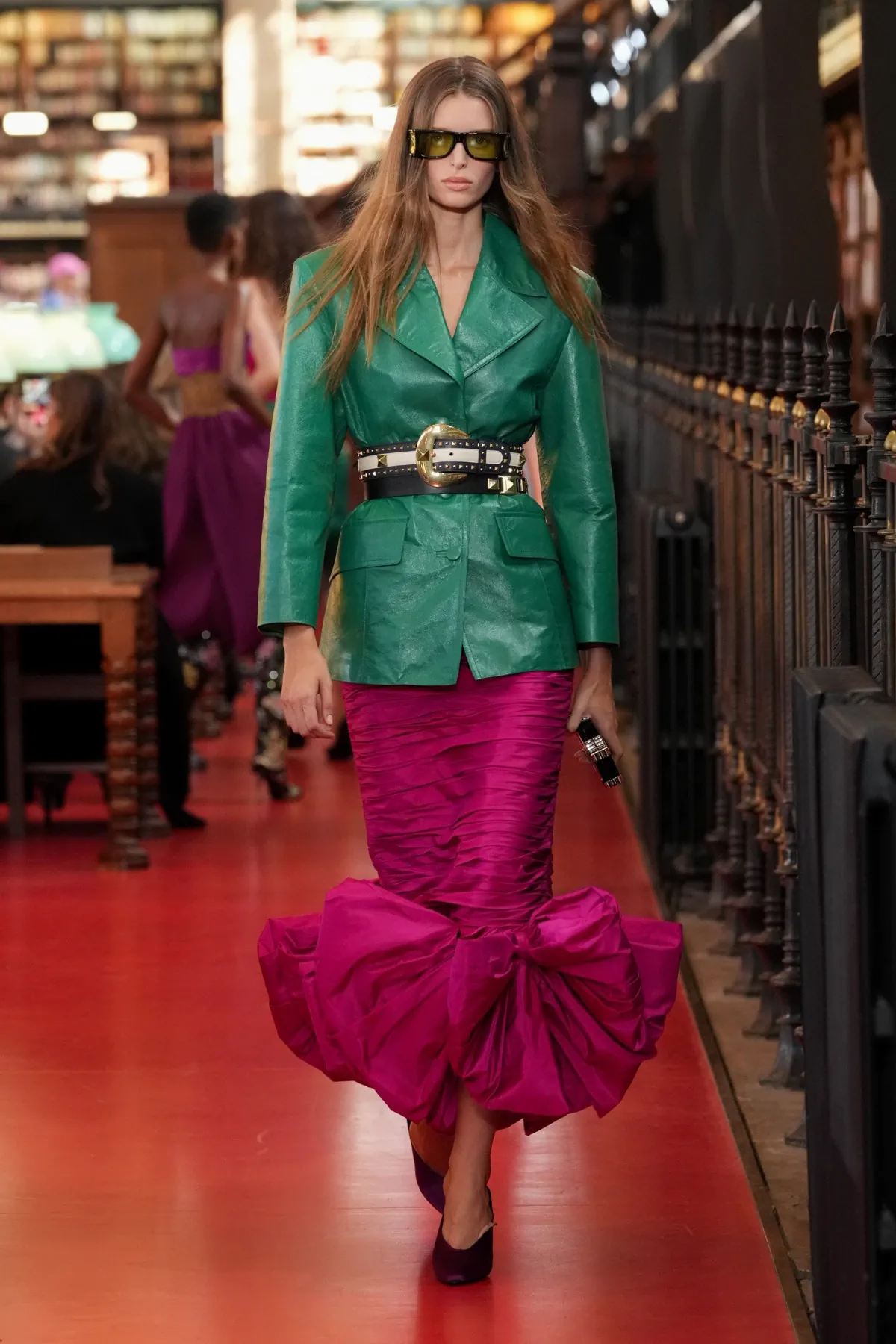
The opening looks clearly showed this. Michele sent out plain, seamed satin bustiers in jewel colors. I can’t remember him doing anything this simple. He paired them with knee-length skirts made of crinkled crepon, floral silk dévoré, or leather; one skirt had feathers at the hem. The idea was believable for a certain kind of society girl, and I suspect other designers will copy it.
However, when a man’s checked shirt was added on top, the idea became muddled.
A ’80s jacket with jeweled buttons worn over lace cycling shorts made a far better case.
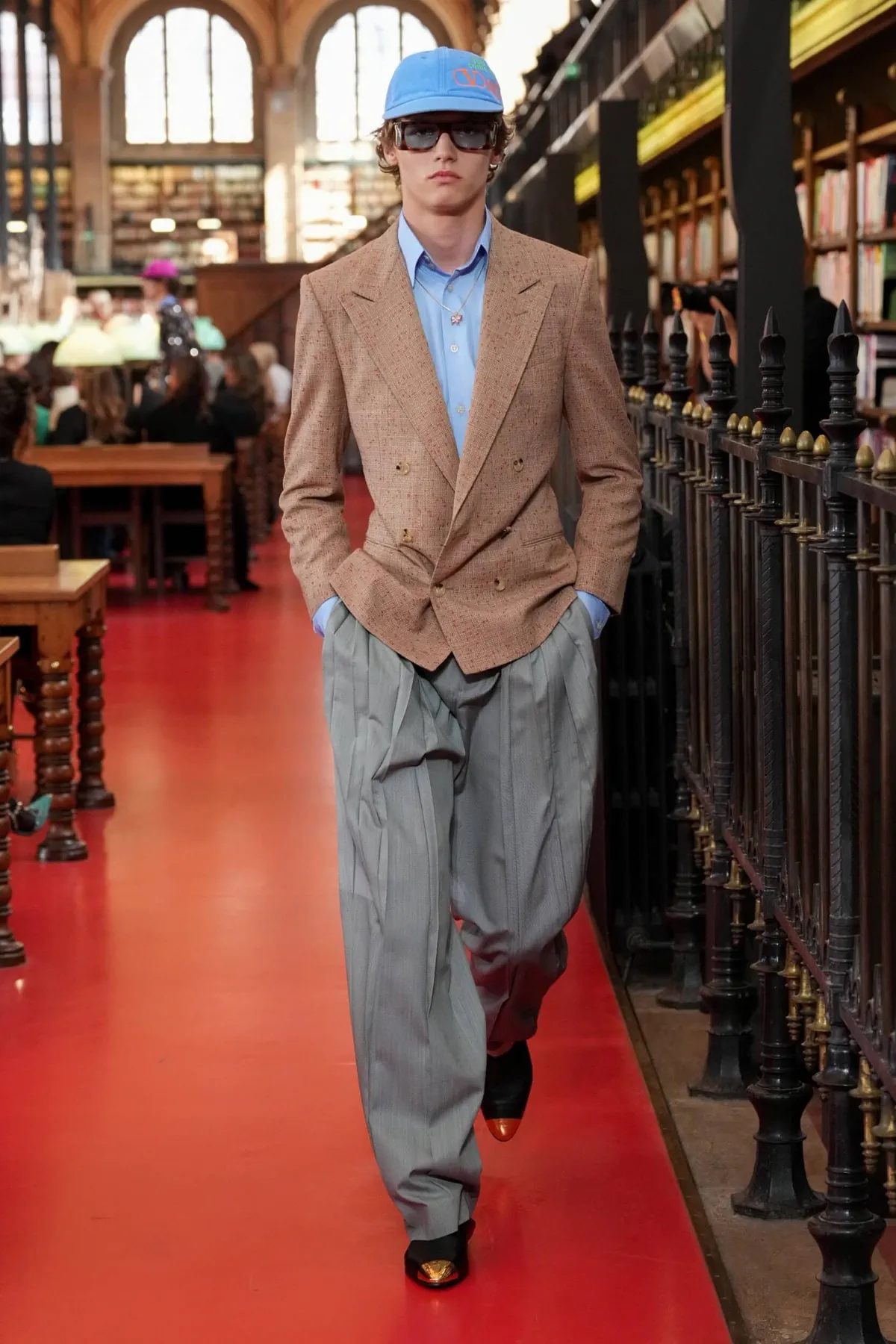
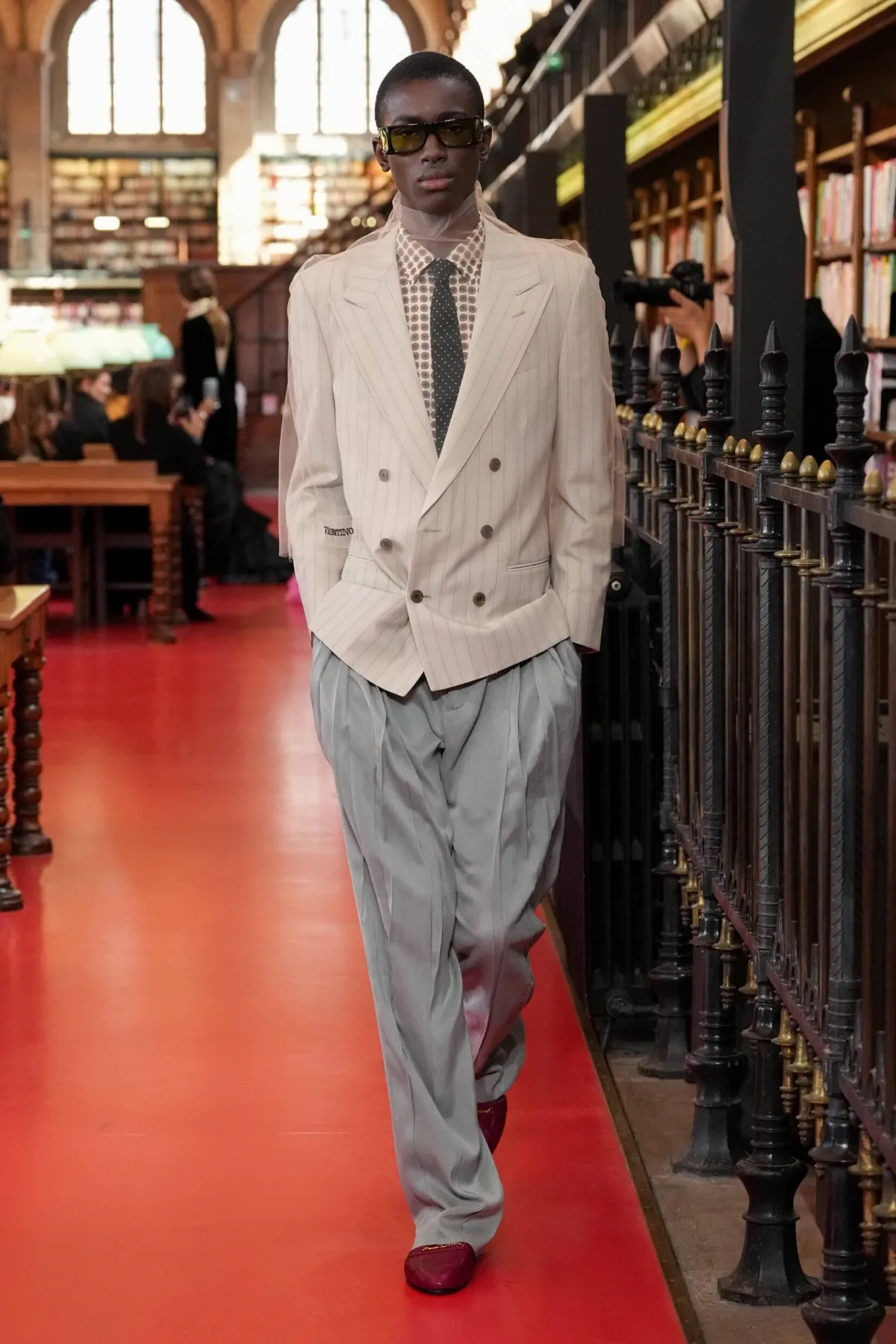
The men had more fun. Double-breasted jackets were buttoned incorrectly, causing them to bunch at the waist. Silk boxers rose well above the waistbands of their trousers. Baseball caps read “Villain Teen,” which my neighbor pointed out sounds a lot like Valentino. Compared to the women, the Valentino man looks almost relaxed.
This relaxation is the most useful addition to a man’s wardrobe, and it doesn’t require a Valentino budget. A misbuttoned double-breasted jacket argues against stiff tailoring. It’s a jacket worn loose and slightly off, closer to a cardigan than armor. Showing a bit of boxer above the waistband turns an undergarment into a deliberate layer and is a nod to ’90s styling that has been creeping back for several seasons. The Spring 2027 pieces will reach boutiques, including the Avenue Montaigne flagship in Paris, in early 2027 at the expected price for a house of this rank. The attitude, on the other hand, is available now.
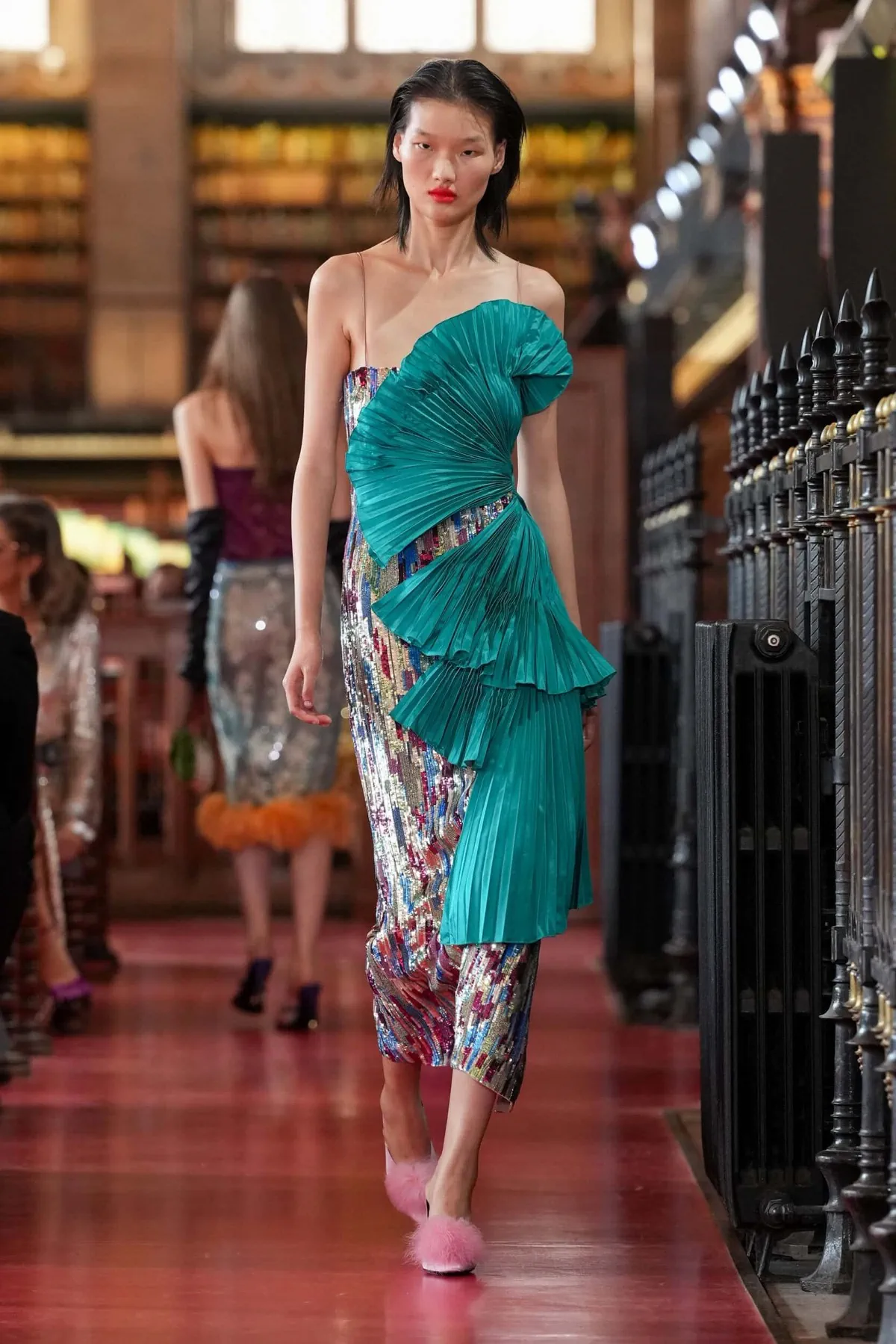
Eveningwear was the strongest part of the show. Michele balanced his taste for rhinestones and ruffles with Garavani’s more subdued sense of drama. Two narrow satin columns saved all their flourish for the train. A fuchsia satin gown ended in an enormous pleated pink rosette. A black velvet dress cut to the navel and worn with a tangle of gold and pearl necklaces simply worked.
“I’m trying to translate beautiful things with my idea of freedom to create a look,” said Michele.
Follow all the latest news from Fashionotography on Flipboard, or receive it directly in your inbox with Feeder.
You may also read
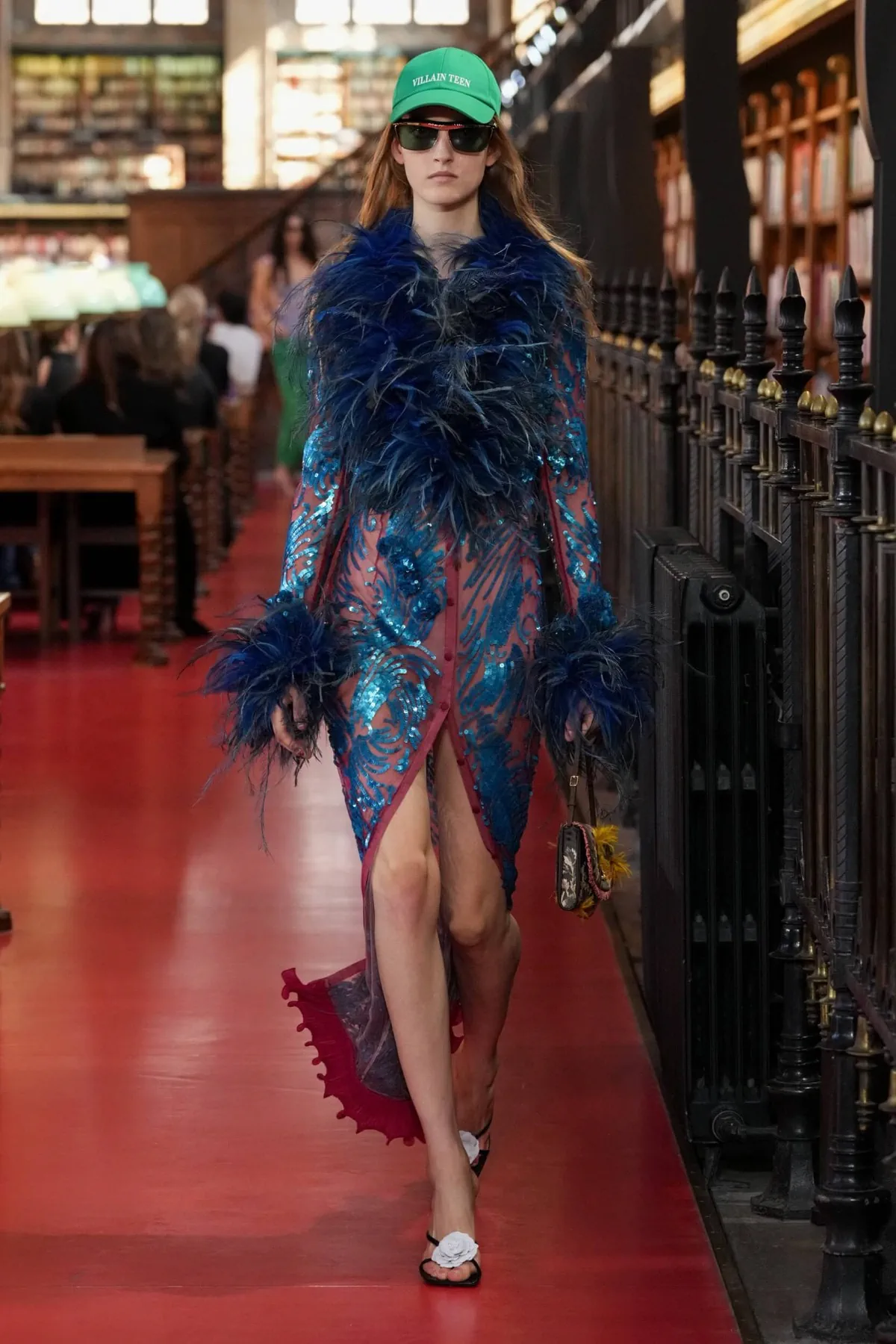
The library had another meaning this season. Reports this summer said that Anthropic had scanned some two million books destructively to train its AI model, Claude. Michele’s shocked reaction to the robots on the Vogue World runway in Milan went viral, and he has made his feelings clear. “I’m not against technology, but life is about me and the things that surround me. I don’t need a second brain.“
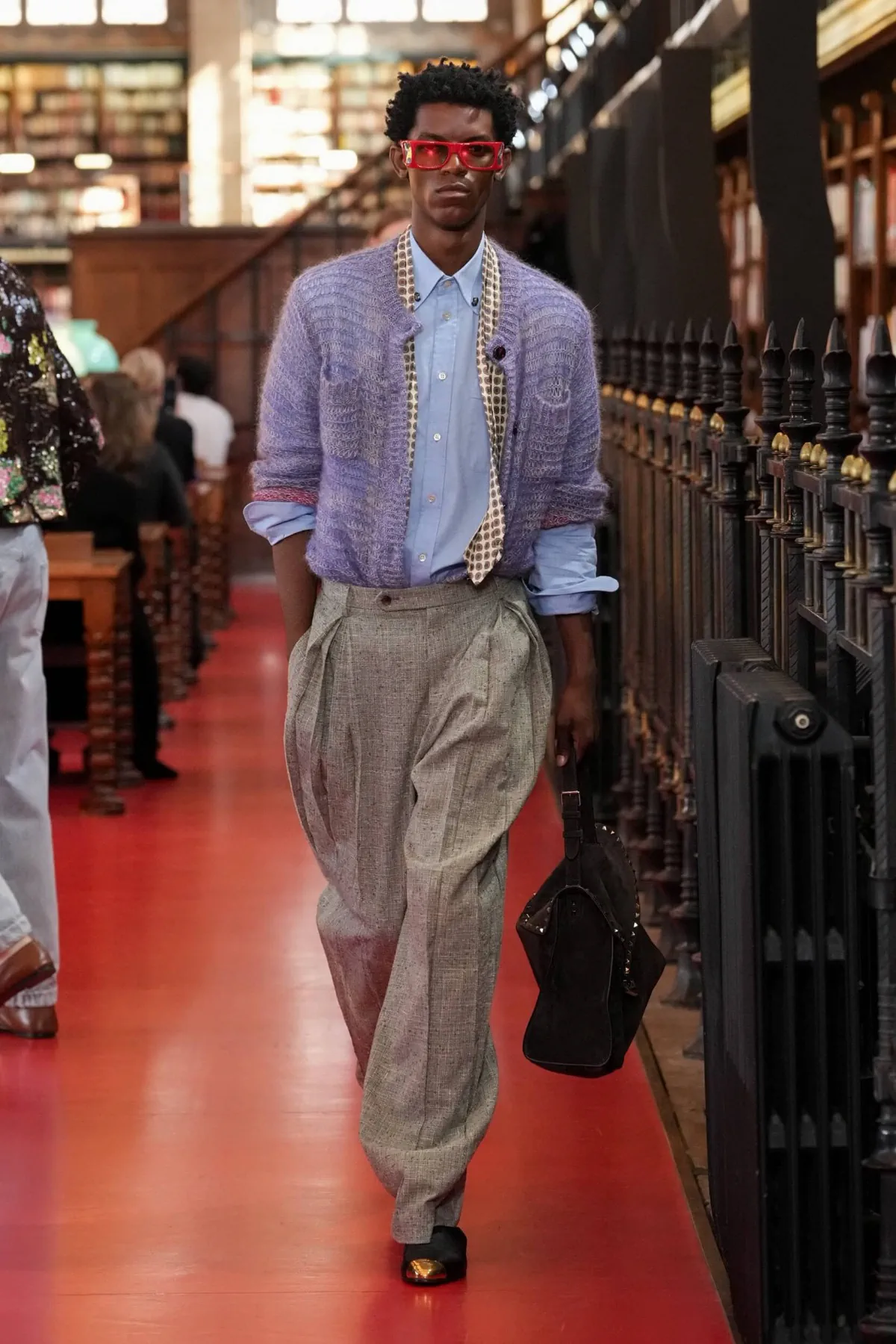
In this way, the clothes defend human instinct. Would a machine pair a cobwebby mohair cardigan with lumpy wool trousers and gold-tipped shoes? Would it tuck purple harem pants made of bark-textured fabric into sequined boots? I doubt it.
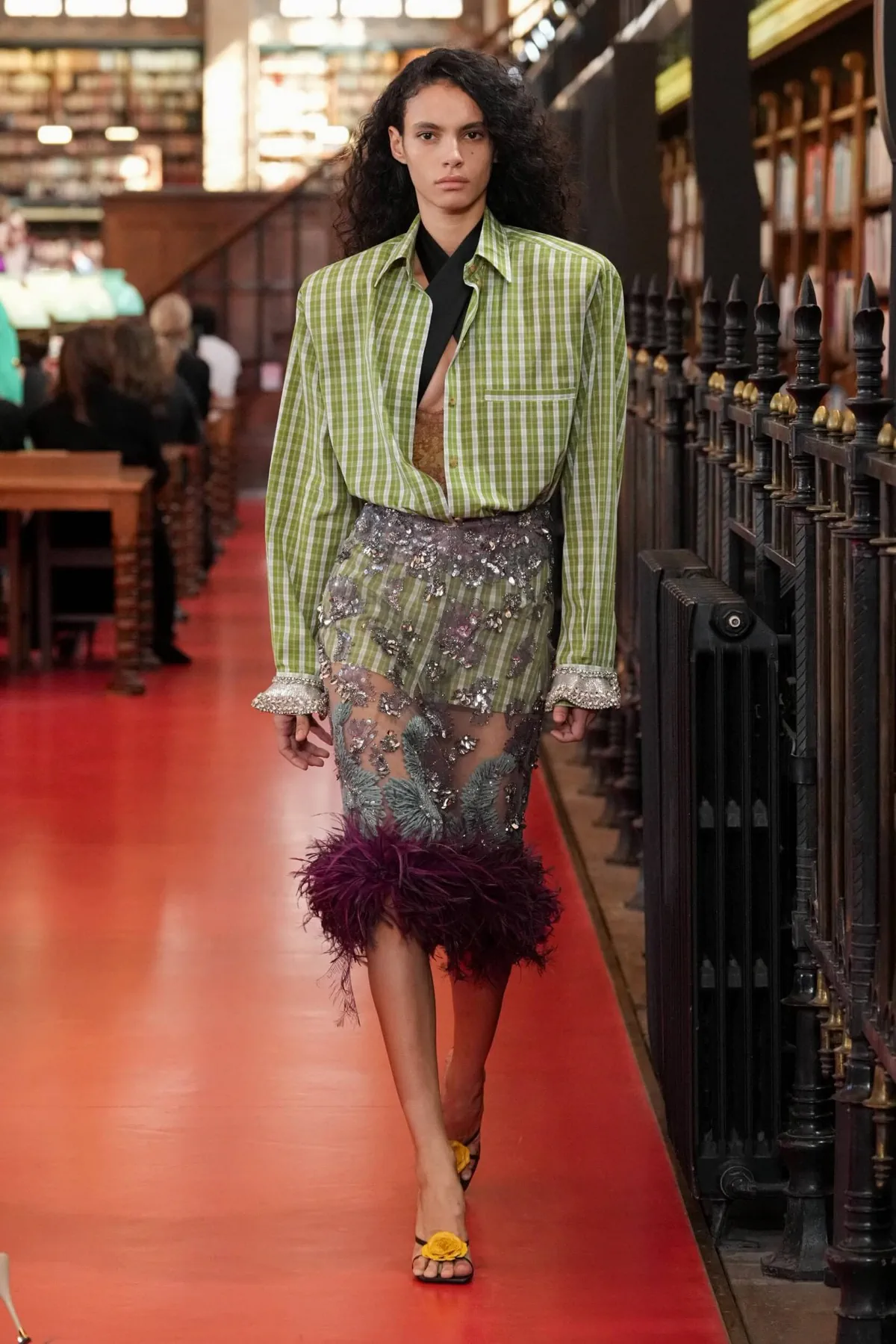
This stance is shrewder than it seems. The entire luxury industry’s pricing argument rests on the human hand. The industry has already seen how quickly the public reacts when the human touch disappears. The AI-generated model in a Guess ad in Vogue’s August 2025 issue drew a wave of backlash far beyond fashion circles. By turning a library into a manifesto for instinct, error, and the unread, Michele is making more than a cultural point. He is defending the one thing a house like Valentino can sell that a machine cannot produce.
Whether that instinct can fix a losing business is another question. Michele, at least, knows what he wants. “I would love to push people to inject something more,” he said, “because otherwise, we risk falling asleep.”
An antilibrary is a luxury reserved for those who can afford it. Michele has made a beautiful case for unread books and unworn clothes. However, at Valentino, the next chapter must be one that people actually buy.