


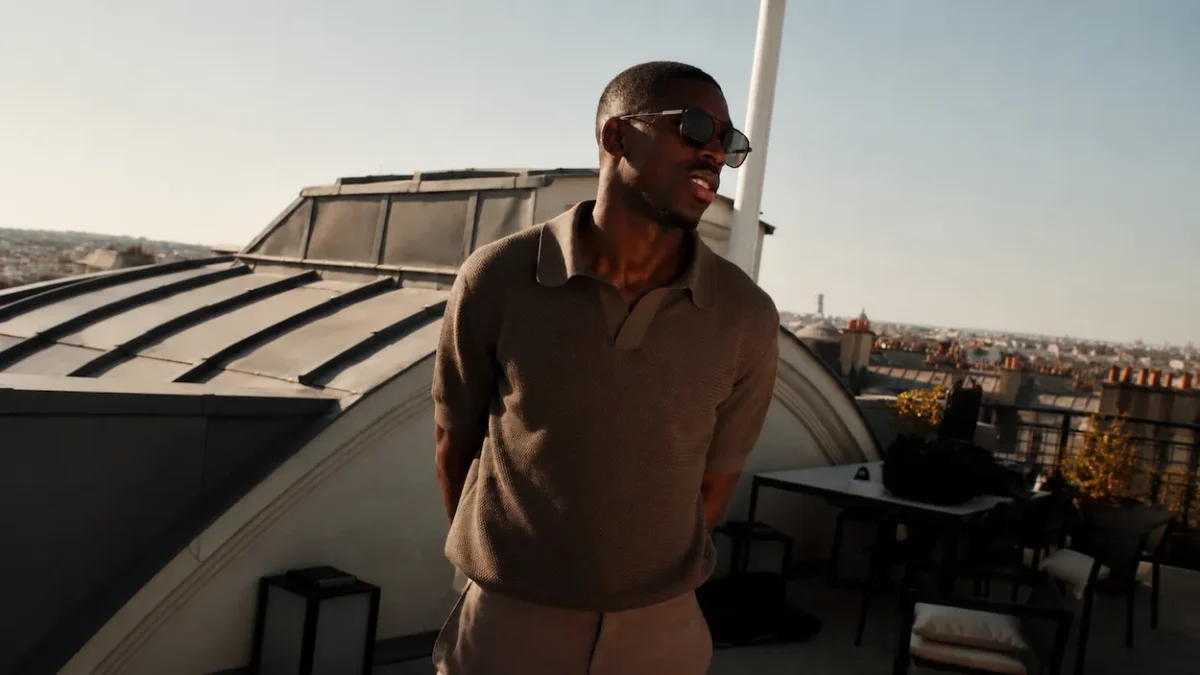
Some athletes wear clothes; others understand them. Ousmane Dembélé, the 29-year-old Paris Saint-Germain forward and reigning 2025 Ballon d’Or winner, belongs to the latter category. This is precisely why his new appointment as Zegna’s global brand ambassador feels like an honest match rather than a marketing deal.
The announcement, made exclusively to WWD ahead of the 2026 FIFA World Cup, marks a genuine first for the Italian luxury menswear house. Zegna has never partnered with a professional soccer player before. The timing is deliberate. With the World Cup set to kick off in the United States on June 11th and Dembélé expected to be one of the tournament’s central figures, the brand has positioned itself at the intersection of sport and elegance at the most visible moment possible.
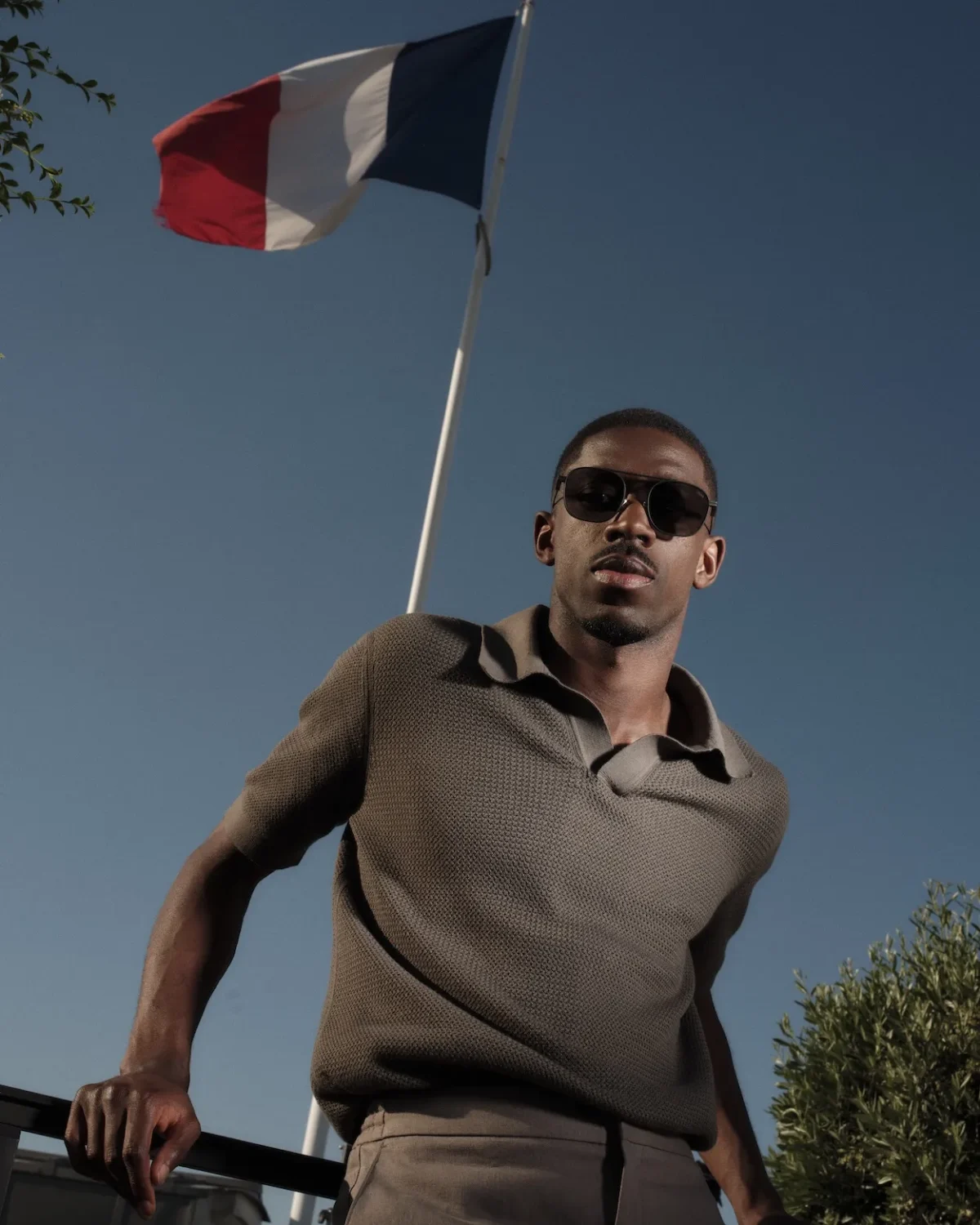
However, the real story here is not about sponsorship cycles or pre-tournament hype. It’s about two entities that have been moving in the same direction for years and have now openly acknowledged each other.
Dembélé did not become a Zegna client because he was looking for a luxury brand to endorse. He became one during his years at FC Barcelona, from 2017 to 2023, long before anyone considered him a potential brand ambassador. “It evolved naturally,” he told WWD. “I’m not that into bling and flashy logos. Zegna is understated, like me.” This straightforward statement tells you more about him than most carefully worded press releases could.
His relationship with Zegna became public at the 69th Ballon d’Or ceremony in Paris last September. For arguably the biggest night of his career, Dembélé chose a custom Zegna tuxedo: a black, shawl-collar, silk-and-wool blazer with satin details. He paired it with wide-leg trousers worn over an ivory, high-collar, silk shirt. He explained that they considered a bow tie but ultimately left it out. “I love wearing a bow tie, but we thought the shirt looked better without it, and I love how it turned out,” he said. The look was measured and unhurried — exactly the aesthetic that Zegna’s Artistic director, Alessandro Sartori, has been building toward for nearly a decade.
Sartori returned to the company as artistic director in 2016 and has made subtlety his foundation. Since taking the helm, he has been quietly redefining the modern man’s wardrobe, beginning with the suit. His approach draws from a significant material advantage: Zegna controls the entire production process of its creations, from raw materials to finished products. This level of vertical integration is rare in the luxury industry and gives Sartori a degree of creative freedom that most designers lack. The clothes do not need to shout because the construction speaks for itself.
Follow all the latest news from Fashionotography on Flipboard, or receive it directly in your inbox with Feeder.
You may also read
Dembélé understands this instinctively. “I’m no style expert,” he admitted in his WWD interview, adding that he relies on his best friend of many years, Moustapha Diatta, for fashion guidance. This admission of uncertainty reinforces why this partnership works rather than undermining him. He is not someone who cultivated a fashion persona and then looked for brands to match it. He gravitated toward Zegna because the clothes suited who he already was.
In recent years, the Clairefontaine training camp, where the French national team convenes before major tournaments, has become something else. As Dembélé himself put it: “It’s like fashion week.” Players now arrive in carefully chosen outfits, trying to outdo each other and inviting comments. Dembélé makes a comparison between teammates, singling out Jules Koundé as the clear front-runner. “He’s incredible. He’s number one in terms of looks,” Dembélé conceded with what sounded like genuine admiration, not rivalry. Coming from someone who wore a bespoke tuxedo to receive the world’s most prestigious individual soccer award, that is saying something.
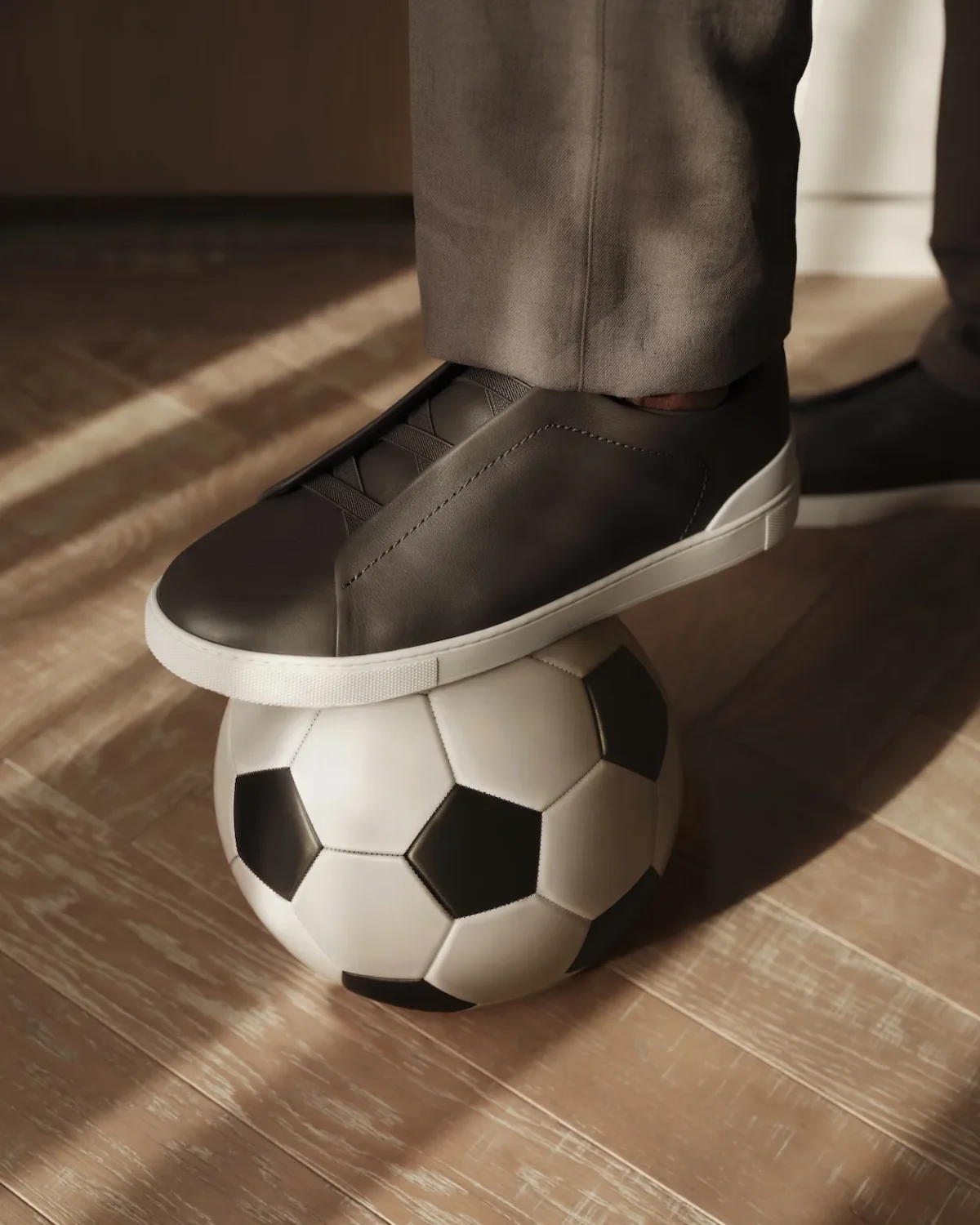
What Dembélé brings to Zegna is not the social media following of a Messi or Ronaldo. With only 19 million followers, compared to more than 500 million for Messi and Ronaldo, the French international maintains an exceptional aura that attracts high-end brands. His image agent, Frank Hocquemiller, explained it clearly: “The most luxurious brands are not the ones that spend the most money because they are already desirable and interest everyone.” This logic applies equally to the player himself. Dembélé’s cultural pull is not a function of volume. It is a function of specificity.
The brand acknowledged as much. “As the first footballer to join the Zegna family of passionate and dynamic personalities, Ousmane embodies determination, resilience, and respect for fair play, making him a role model on and off the pitch,” the brand told in a statement.
Dembélé joins actor Mads Mikkelsen and Hong Kong entertainer William Chan as a Zegna ambassador. This group is deliberately eclectic, reflecting the brand’s ambition to represent a kind of global masculine elegance rather than any single cultural moment.
Dembélé brings historical consciousness to his discussions about style and self-presentation. He grew up watching David Beckham and was the first to wear his shirt. He recognizes what Beckham did for the idea of the well-dressed footballer. “He really revolutionized everything. I watched his documentary on Netflix, and I saw that he was into fashion from the start,” Dembélé observed. Beckham made fashion a legitimate part of the athlete’s vocabulary. Dembélé operates in that tradition, though more quietly.
His coach in Rennes once told him: “If you’re not any good, you should at least look good.” It was half a joke, but Dembélé took it seriously. For him, appearance connects to confidence on the pitch. “I had a very successful year last year, and we picked the right clothes to reflect that,” he said.
That year, he led PSG to a league title as the top scorer, won the Champions League against Inter Milan with eight goals and six assists across 15 matches, and received the Ballon d’Or. Not bad for a man who describes himself as not particularly style-conscious.
The Zegna tuxedo he wore to the Ballon d’Or ceremony quickly gained popularity. “I saw a lot of people wearing a similar style at the Cannes Film Festival,” Dembélé noted. Then, with a laugh: “But that suit is mine.” This kind of cultural impact is what luxury brands spend years and significant budgets trying to create. In this case, it happened because a footballer trusted a designer and chose to dress for his moment, not for an audience.
This is the idea that Zegna has been working toward under Sartori: clothes that earn their place through the confidence of the wearer, not logos or spectacle. Dembélé, heading into his third World Cup with France targeting a second title since 2018, is the most credible proof of that idea right now.
“Playing in the World Cup is the holy grail for soccer players,” he said. “Of course, I’m hungry. I really want to relive the 2018 experience because winning the World Cup is an amazing feeling. We’re going all out. There are some good teams competing, but we’re going to do everything we can to reach the final.“
He will be doing it in Zegna.