


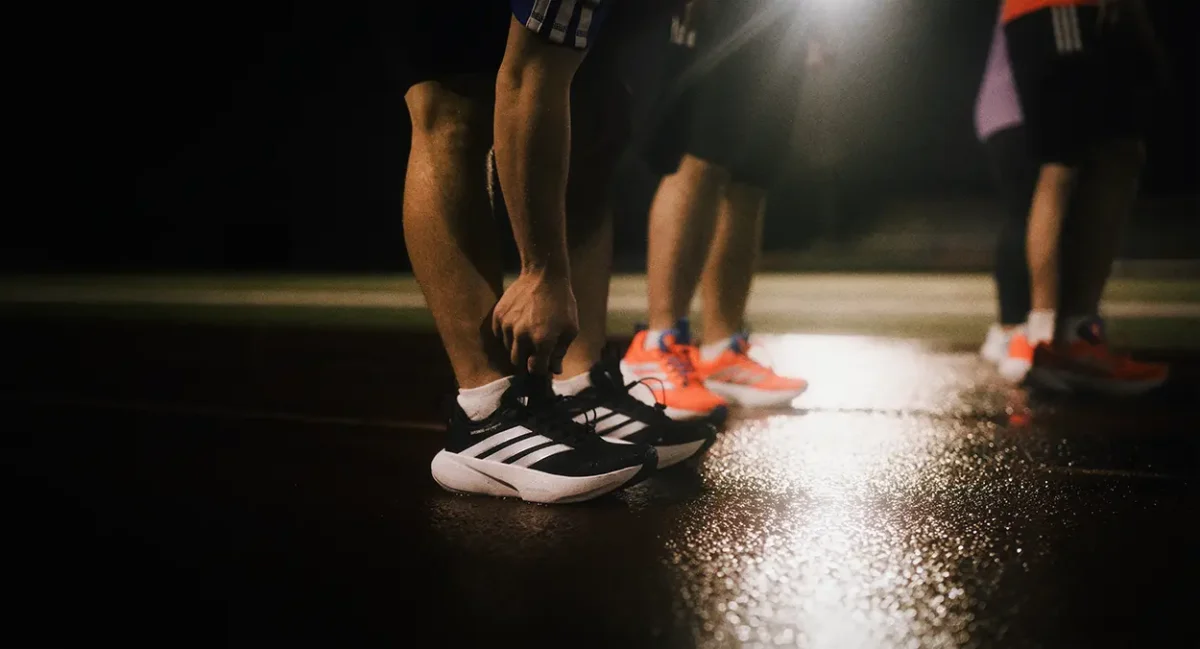
The adidas Supernova Rise 3 Adaptive is more than just an incremental update to an existing line of running shoes. It is the first performance running shoe that the brand has built from the ground up with and for athletes with disabilities.
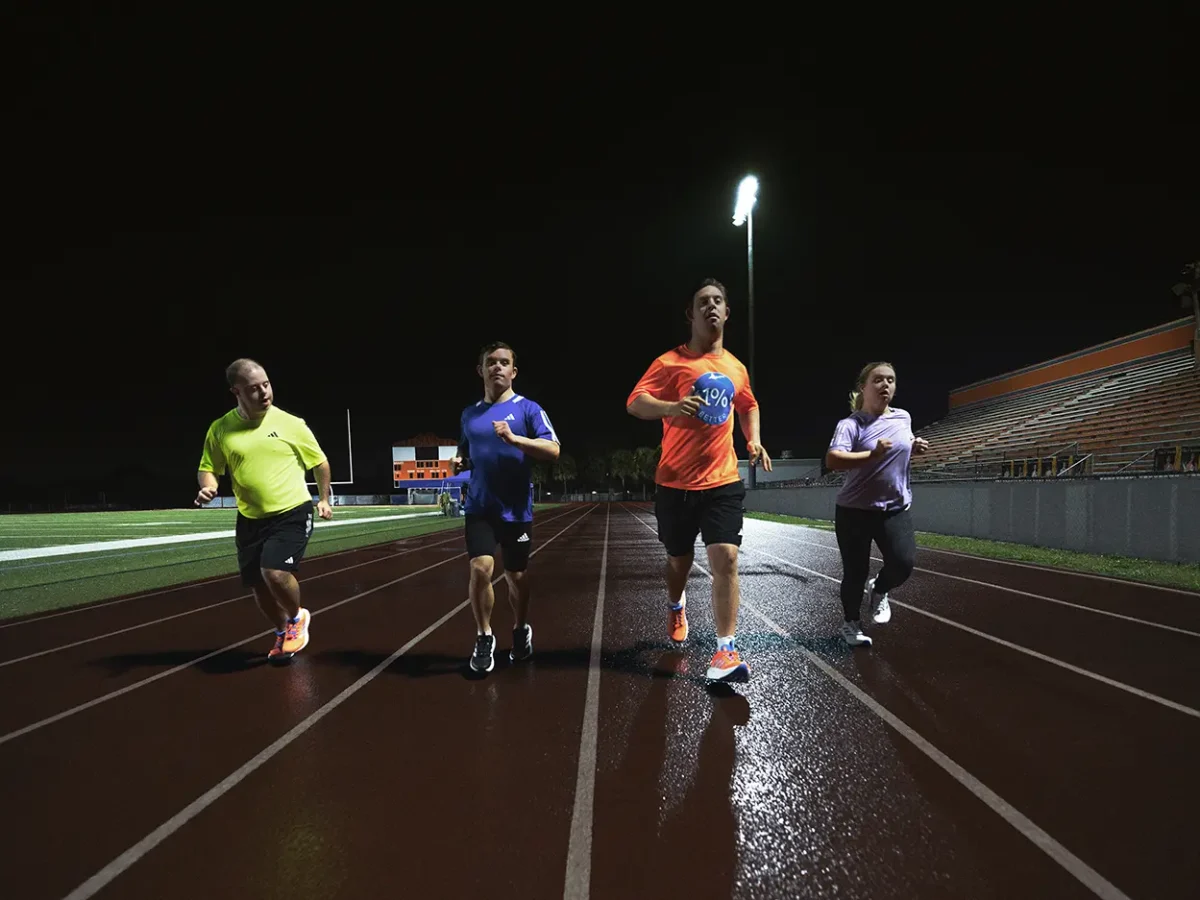
This project did not originate in a design studio. It started with Chris Nikic, the first person with Down syndrome to complete an Ironman triathlon. Nikic had run thousands of miles in adidas shoes, but even at his fittest, he finished every race with blisters and pain.
Nikic said: “What feels like a 2 out of 10 in pain for most people hurts like an 8 for me, but adidas understood exactly what I needed in a shoe. Now, I love running because my feet don’t hurt anymore.”
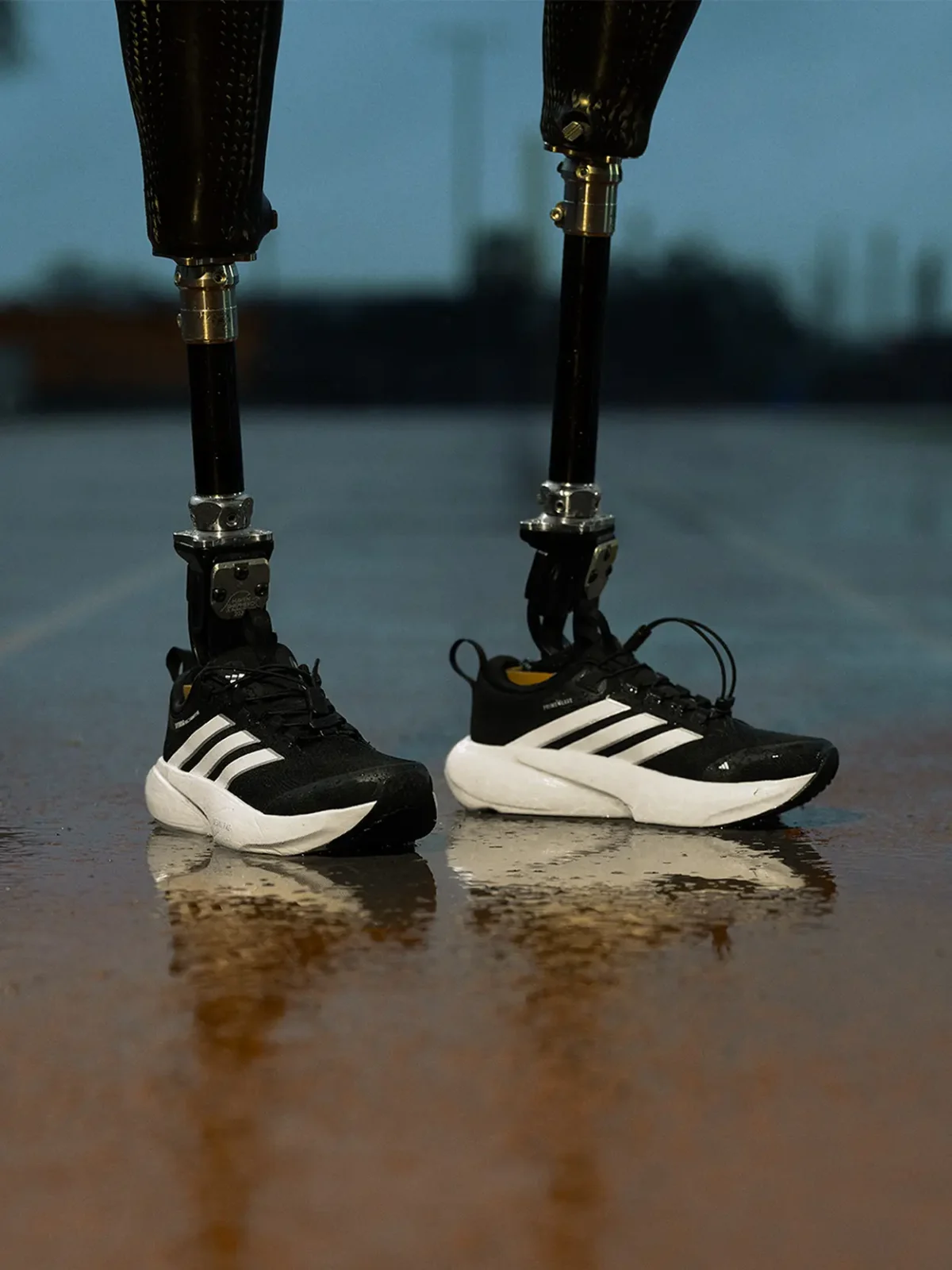
adidas didn’t just ask Nikic for feedback. They partnered with GAMUT Management and held focus groups with Paralympians, wheelchair users, people with fine motor challenges, and people with limb differences. This was not an add-on at the end of the development process. It was the development process. Over multiple years, the team iterated on prototypes. As a result, the shoe earned the GAMUT Seal of Approval for its adherence to accessibility standards.
Paralympian Tracy Otto shared: “Collaborating with adidas on this project was an incredible adventure! The entire team was devoted to making this the best adaptive shoe available, building in features that give me the freedom and independence I’ve been missing for so long.”
Follow all the latest news from Fashionotography on Flipboard, or receive it directly in your inbox with Feeder.
You may also read

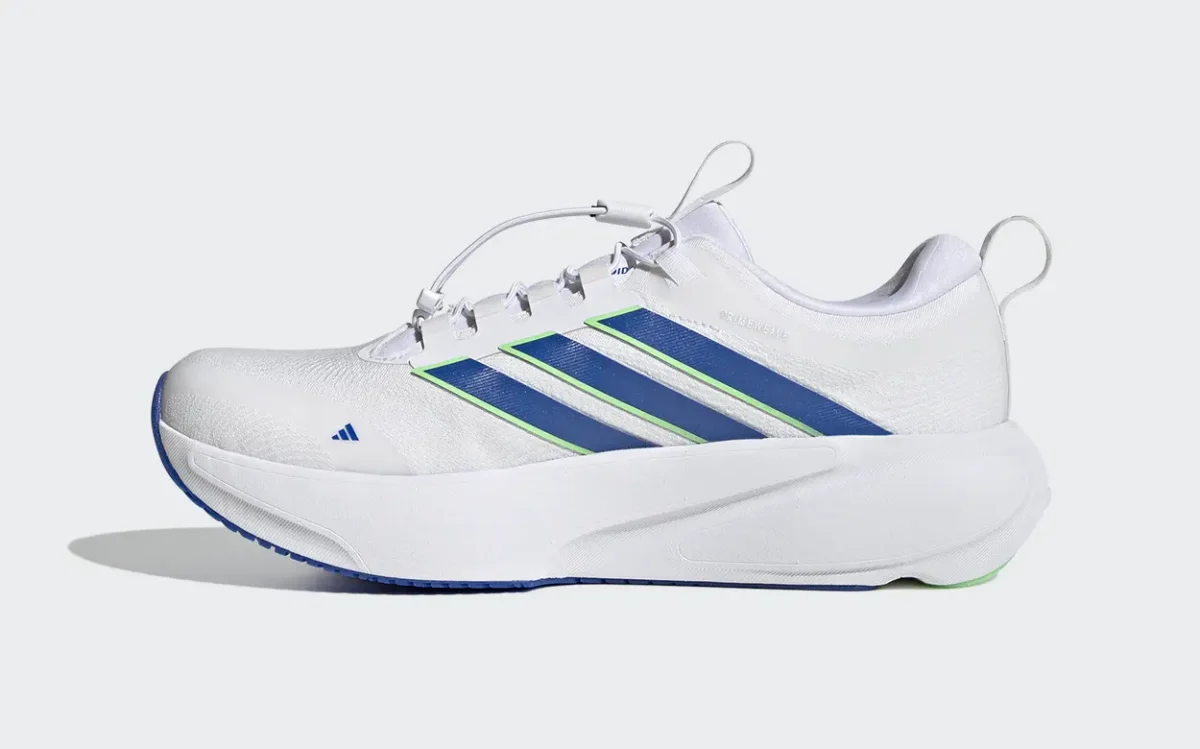
The shoe retains the core attributes of the Supernova Rise line. It uses the same reformulated Dreamstrike+ foam that is 20% softer than the foam used in the Rise 2. It also has the proven LIGHTTRAXION outsole. Almost everything else has been reimagined. The heel is stiffened for hands-free step-in entry. The lacing system is designed to lift away from sensitive areas of the foot. Tactile printed patterns help athletes with visual impairments correctly orient the shoe. Magnetic toggles on the tongue and heel allow for one-handed adjustments. The forefoot has been widened to allow the toes to spread naturally.
Patrick Nava, the global general manager of adidas Running, says, “At adidas, we believe that sports have the power to change lives. Our role, specifically at adidas Running, is to make running more accessible and enjoyable for all athletes. We’ve spent countless hours listening to and innovating alongside adaptive athletes and people with disabilities to create a shoe that addresses the real needs of a diverse population. We’re building equitable products for the entire running community, ensuring that adaptive performance isn’t an afterthought.”
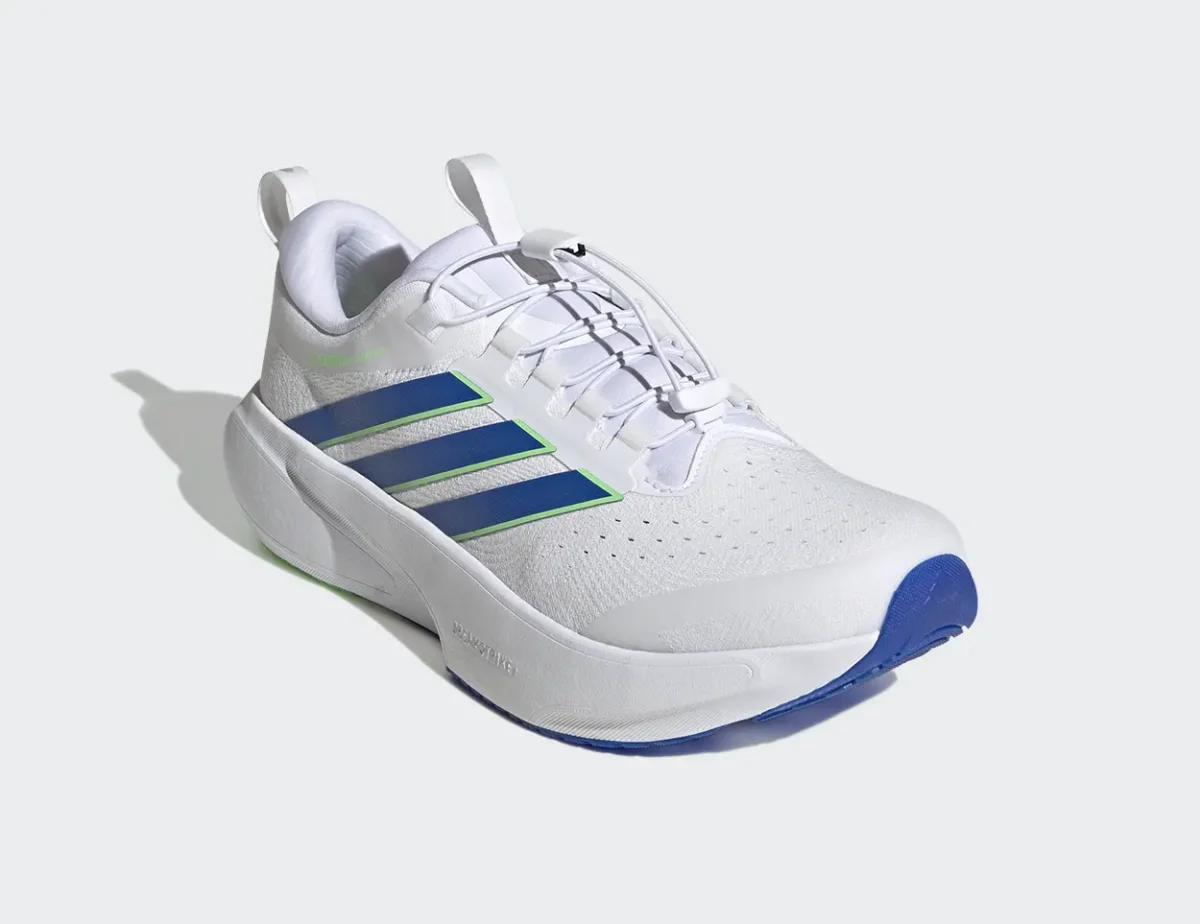
All too often, adaptive footwear is treated as a niche afterthought. A brand will take an existing mass-market shoe, modify one small part, and present it as a solution. That did not happen here. Every change was requested and tested by the people who will actually wear this shoe.
The most interesting detail of this release is almost unstated: None of these modifications make the shoe worse for anyone else. Each change that improves the shoe for an athlete with a disability also improves it for any runner. That is the quiet achievement here.
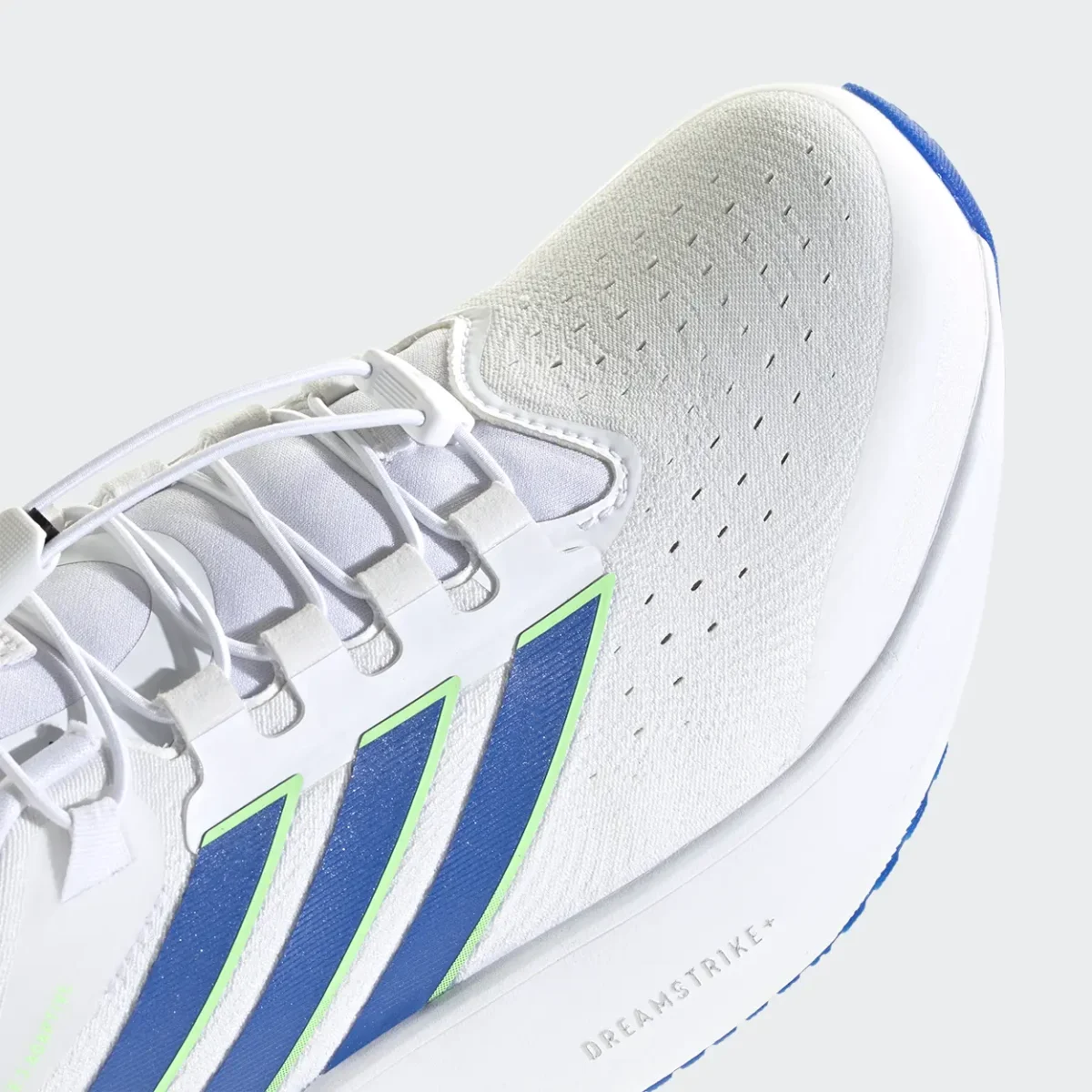
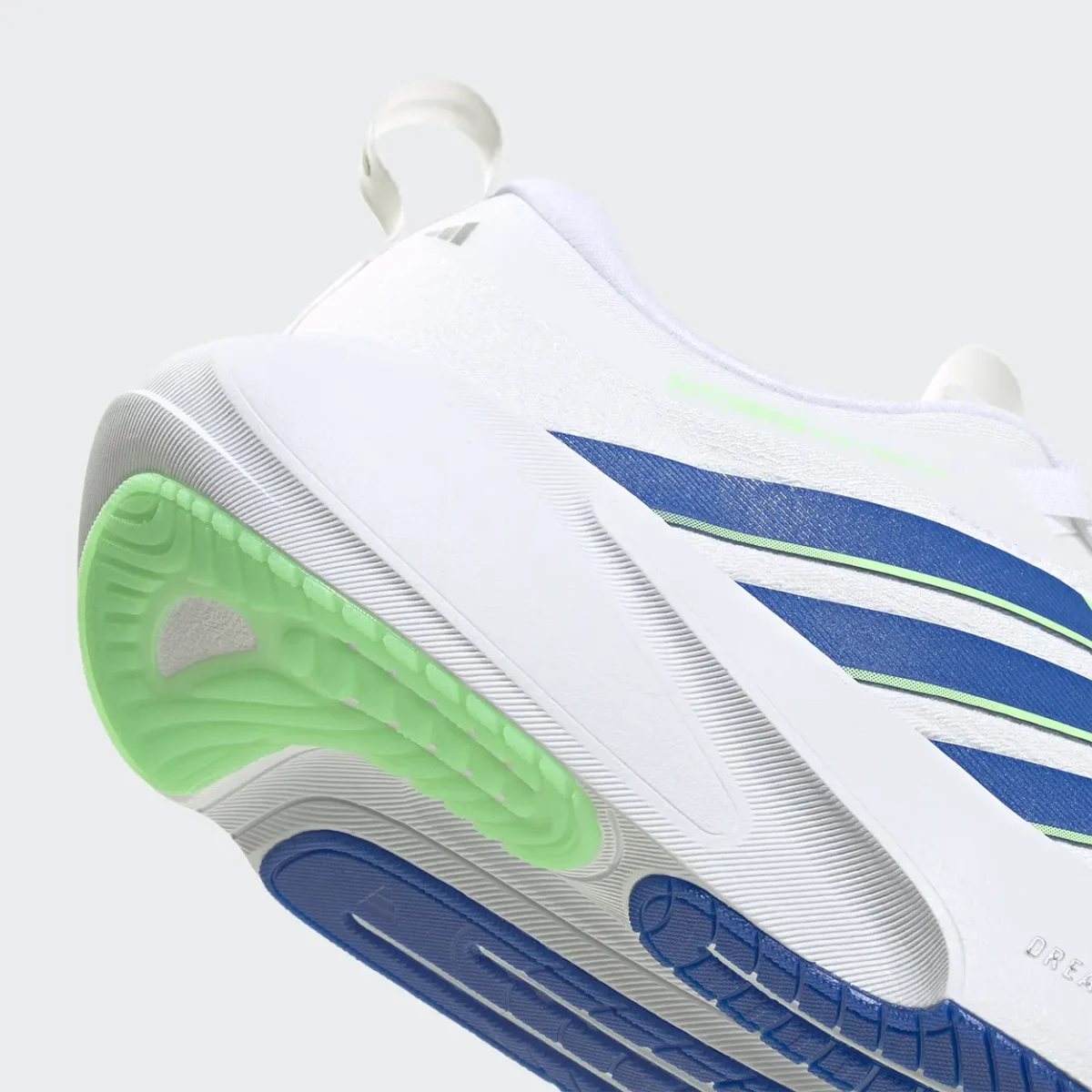
The adidas Supernova Rise 3 Adaptive is launched globally on March 21st, World Down Syndrome Day. It will retail for $140.