


Some collaborations feel inevitable in retrospect. Aigle’s announcement that it has appointed Satoshi Kuwata, founder of Setchu and winner of the 2023 LVMH Prize, as the Artistic director of a new capsule collection is one of those moments. The two entities share an instinctive reverence for function and the kind of clothing that earns its place in a wardrobe through purpose, not spectacle. Together, they are creating Aigle by Setchu, a capsule collection set to debut in September 2026.
The announcement is notable for what it signals about both parties. For Aigle, it marks another deliberate step in a longer transformation. For Kuwata, it offers something rarer: a canvas shaped by genuine personal passion.
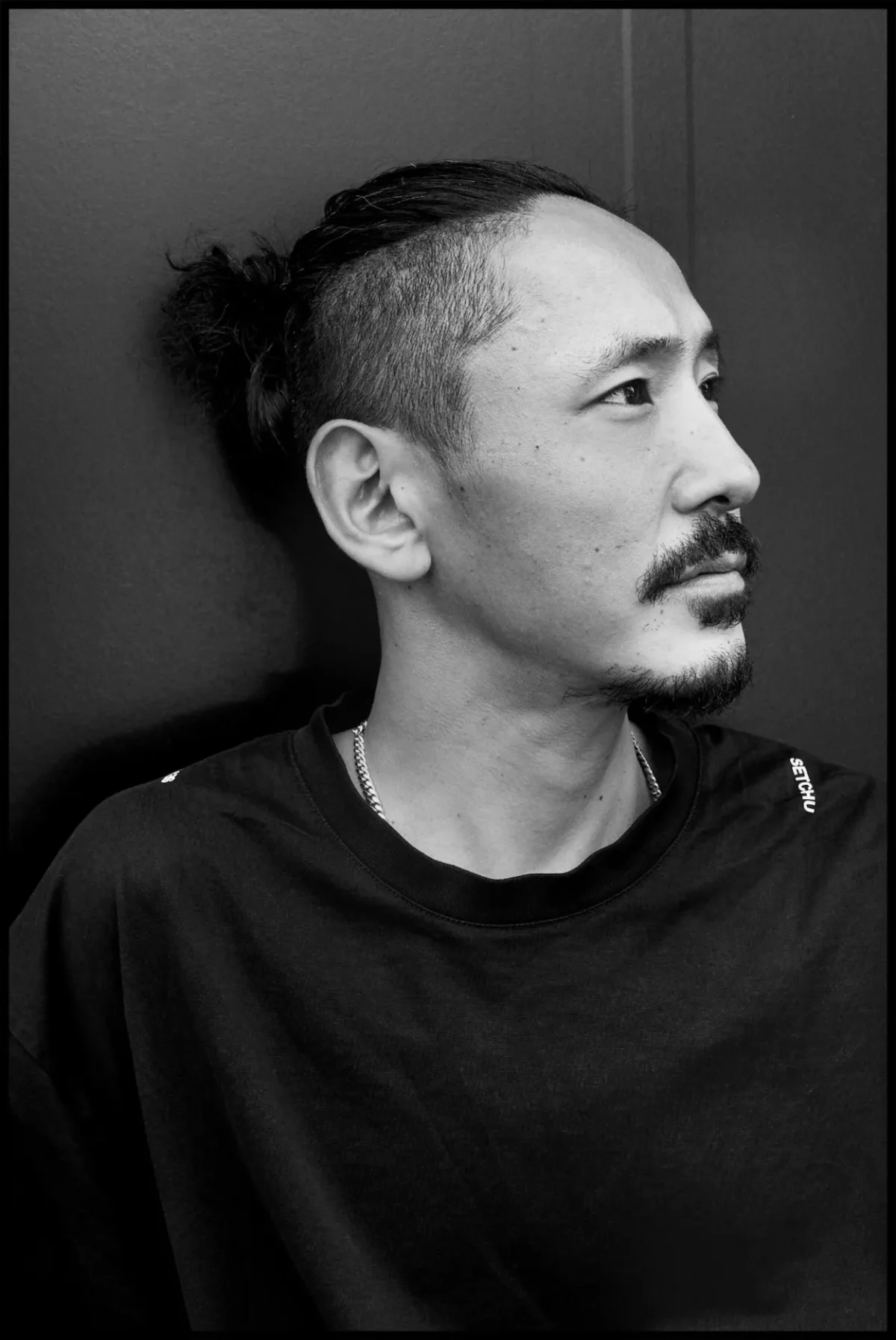
Satoshi Kuwata: a lifelong passion for fishing meets design
Kuwata was born near Kyoto and trained at Central Saint Martins in London. He worked at Givenchy and collaborated with Gareth Pugh before founding Setchu in Milan in 2020. His label has built a reputation around transformable garments that visibly embody a tension between Japanese precision and Western tailoring. In 2022, he won the Italian Who Is on Next prize. The LVMH Prize followed the year after.
However, none of that is what makes this partnership interesting. What matters here is simpler. Kuwata fishes. He has fished for years, and technical garments designed for fishing – practical, quietly considered, and built to perform under particular conditions – have long occupied a place in his thinking about clothes.
“As a passionate fishing enthusiast, I am deeply honored to collaborate with Aigle, a company renowned for its craftsmanship and outdoor expertise. It is a dream come true. For me, this experience goes far beyond fashion. It’s a way to bring creation and passion closer together,” he said.
This is not the kind of diplomatic quote a designer offers when signing a licensing agreement. There is something specific about it, pointing toward a collaboration built around actual conviction rather than commercial convenience.
Follow all the latest news from Fashionotography on Flipboard, or receive it directly in your inbox with Feeder.
You may also read
How Setchu is transforming Aigle’s outdoor DNA
The capsule is not just a set of garments added to a seasonal lineup. Kuwata has reworked Aigle’s visual codes. The collection introduces A-shaped pleats as a structuring signature. A new double stripe motif appears across the range. The Aigle logo has been redesigned with an origami detail – a subtle, precise nod to Kuwata’s Japanese heritage that manages to avoid sentimentality while retaining meaning.
The silhouettes draw from fishing gear and technical outdoor apparel and are reinterpreted through Setchu’s sensibility: they are tailored where outdoor wear tends to be loose and refined where it tends to be utilitarian. The result is a collection that bridges two traditions rarely found in the same space.
The strategic evolution of French craftsmanship
Aigle was founded in 1853. The brand’s signature rubber boots, crafted in France, remain its most recognizable product. However, under the leadership of chief executive Valérie Dassier, the company has undergone a careful repositioning over the past three years. New flagship stores in Paris and Hong Kong have been part of that effort, foregrounding the brand’s artisanal heritage while embracing a more contemporary outdoor identity.
The Setchu capsule collection aligns with this strategy. Dassier put it plainly: “Our collaboration with Setchu embodies our conviction that exceptional craftsmanship and a bold creative vision can redefine the garment experience. Together, we are shaping a contemporary perspective on the dialogue between style, functionality, and a deep-rooted connection to nature.“
Dassier’s words reflect the strategic importance of the collaboration. Aigle is not experimenting randomly. The choice of Kuwata, a designer whose work is centered on reconciling opposing ideas, is a logical step for a brand trying to present a modern interpretation of French outdoor culture.
Why this matters beyond the obvious
Fashion collaborations are common. The announcement calendar fills with them weekly. Most are promotional exercises dressed in the language of creative vision. The interesting ones are those where both parties have something to gain that cannot be measured solely in units sold.
For Aigle, the gain is credibility with a fashion audience that takes design seriously. For Kuwata, the gain is an outdoor performance context that is native to him and sits inside his understanding of clothes rather than alongside it. The collection will be unveiled in September when it arrives. Until then, the announcement offers a clear outline of intentions.