


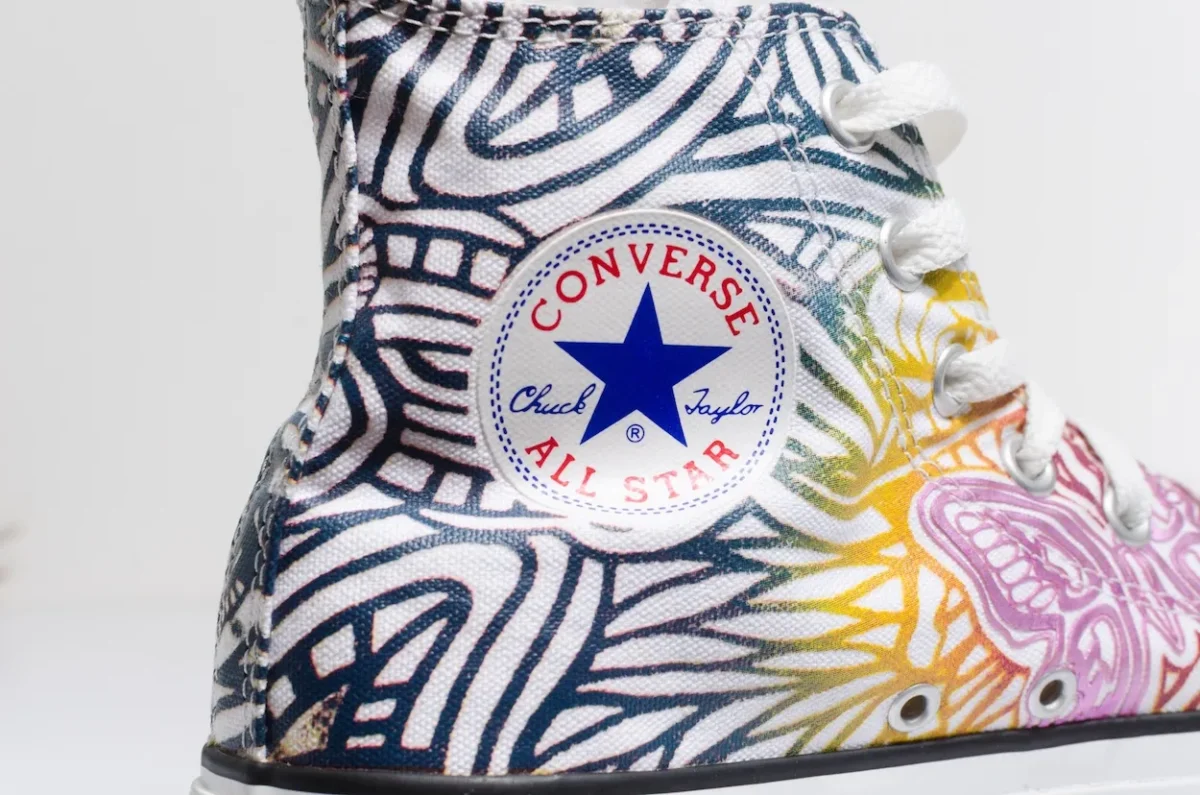
On Thursday evening, Nike announced that management had approved additional organizational changes, which are expected to generate approximately $300 million in pre-tax charges for the nine months ending February 28. According to the company, the costs primarily relate to employee severance and will largely be recognized in the third quarter of fiscal year 2026. For young consumers who track drops and collaborations, that kind of language may sound distant. It is not. Corporate restructuring often reshapes the shelves of your local sneaker shop.
| 📌 Key Facts |
|---|
| 👟 Converse revenue dropped sharply. Sales fell 28% in Q1 and 31% in Q2. 📉 EBIT for Converse slipped below zero. 💰 Nike announced $300M restructuring charges. Linked mainly to severance and organizational changes. 📊 SEC language suggests possible exit or disposal activity. 🏷 Nike has sold brands before: Cole Haan, Umbro and Hurley were all divested. |
The filing states: “Nike Inc.’s management has been evaluating opportunities to operate more efficiently and profitably by realigning costs while investing to reignite growth.” The company adds that it “may take additional actions, which could lead to additional charges in future quarters.“
These words may seem like standard corporate caution. Yet, analysts are reading between the lines. Laurent Vasilescu, a senior analyst at BNP Paribas Equity Research, focused on a particular phrase in the 8-K: “Item 2.05 Costs Associated with Exit or Disposal Activities.” Vasilescu wrote, “We would point to the preamble of Item 2.05, which suggests Nike is exiting a business.” Vasilescu then asked, “Could this be the exit or disposal of Converse that we mentioned in our January 10Q note? We believe it could be.“
Speculation about a Converse sale did not begin with this filing. It has been building for months, fueled by declining revenues and visible strain within the brand. According to Nike’s earnings reports, Converse sales fell 28 percent in the first quarter and dropped another 31 percent in the second quarter. Second-quarter revenue for Converse reached $300 million, down 30 percent, with declines across all territories. Earnings before interest and taxes slipped into negative territory.
For a brand that once thrived on the timeless appeal of the Chuck Taylor and the credibility of skate and street culture, these numbers are striking. Young sneakerheads who once saw Converse as an affordable outlet for self-expression now face a brand that is struggling to defend its place in a crowded market dominated by performance innovation and relentless hype cycles.
Earlier this year, Vasilescu warned that the “underlying health” of Converse appears “more precarious” than expected. He pointed to pressure on average selling prices and heavy exposure to off-price channels, which can dilute brand value. He also noted that selling, general, and administrative expenses have remained flat despite Nike’s previously announced plan to save $2 billion by fiscal year 2026.
Follow all the latest news from Fashionotography on Flipboard, or receive it directly in your inbox with Feeder.
You may also read

Nike’s cost-cutting has already been tangible. In January, nearly 800 jobs were eliminated as the company consolidated distribution center operations in Tennessee and Mississippi. Weeks later, Converse announced its own workforce reductions, though it did not disclose specific figures. For employees, that means disruption. For consumers, however, it often signals a strategic reset.
Nike has exited brands before. Over the past decade, Nike has divested Cole Haan, UMBRO, Starter, Bauer, and Hurley. A sale of Converse would close the chapter on Nike’s portfolio of acquired heritage labels. That history matters. It suggests a company that is willing to refocus on its core business when returns falter.
Yet, the question remains: What would Nike lose if it parted with Converse? Nike acquired the brand in 2003 for $305 million, betting on its cultural influence and global reach. Converse offered Nike access to a different consumer mindset, one that was less concerned with cushioning technology and more invested in attitude. Converse provided an entry point for younger buyers who might later graduate to Air Force 1s or performance runners.
Leadership changes hint at an attempt to stabilize rather than surrender. During its second-quarter earnings call in December, Nike emphasized that it is “resetting the marketplace with new leadership.” In July, Aaron Cain, a 21-year Nike veteran, took over as Converse CEO, succeeding Jared Carver. This appointment could signal a commitment. It could also prepare the brand for separation by installing seasoned oversight.
Retail analysts interviewed by outlets such as CNBC have noted that Nike faces intensified competition from adidas, New Balance, and emerging performance brands like On and Hoka (CNBC, 2024). Younger consumers are more selective. They seek innovation, sustainability, and authenticity. Heritage alone no longer guarantees loyalty.
Nike is scheduled to report its third-quarter fiscal 2026 earnings on March 31. Investors will scrutinize guidance, margins, and comments on portfolio strategy. Sneakerheads should pay attention, too. Corporate moves of this magnitude can reshape collaborations, distribution, and pricing. A divested Converse could pursue new partnerships or aggressively reposition itself. If Nike continues to own Converse, it may undergo a sharper edit, with tighter assortments and a renewed focus on core icons.