



Business leadership books have always reflected the times. From the early days of command-and-control models to today’s focus on empathy, adaptability, and vision, the best books in this genre demonstrate how leadership continues to evolve. With so many titles out there, the real challenge is separating the gold from the glitter.
Modern leaders read not just to learn strategies, but also to shift their perspective. They want books that challenge their ideas and show the human side of leadership.
Leading with Empathy and Vision
The best leadership books today delve into the personal. They explore how trust is built, how teams thrive, and how vision is shared through action, not shouted from a podium. Books like Dare to Lead by Brené Brown take this approach, showing how vulnerability is not weakness, but the beginning of courage.
Others, like Leaders Eat Last by Simon Sinek, focus on the structure of strong teams. These books don’t pretend that leadership is easy. They emphasize the grit behind it, the long nights, and the quiet doubts. They don’t offer quick fixes. They offer new ways of seeing.
Timeless Lessons in a New Light
While trends change, some leadership lessons remain rooted. They just wear new clothes. “The 7 Habits of Highly Effective People” is one of those evergreen titles. It remains on the virtual shelves for a reason. The habits it teaches, such as those related to integrity, prioritization, and mutual respect, are just as useful in hybrid offices as they were in traditional ones.
Books that blend the old and the new stand out. Good to Great by Jim Collins remains a classic because it offers more than just stories—it offers patterns. Patterns help leaders make sense of chaos. These are books that won’t become outdated because they’re not based on hype. They’re built on observation.
Here’s where things get interesting. Some standout titles offer unexpected yet practical insights:
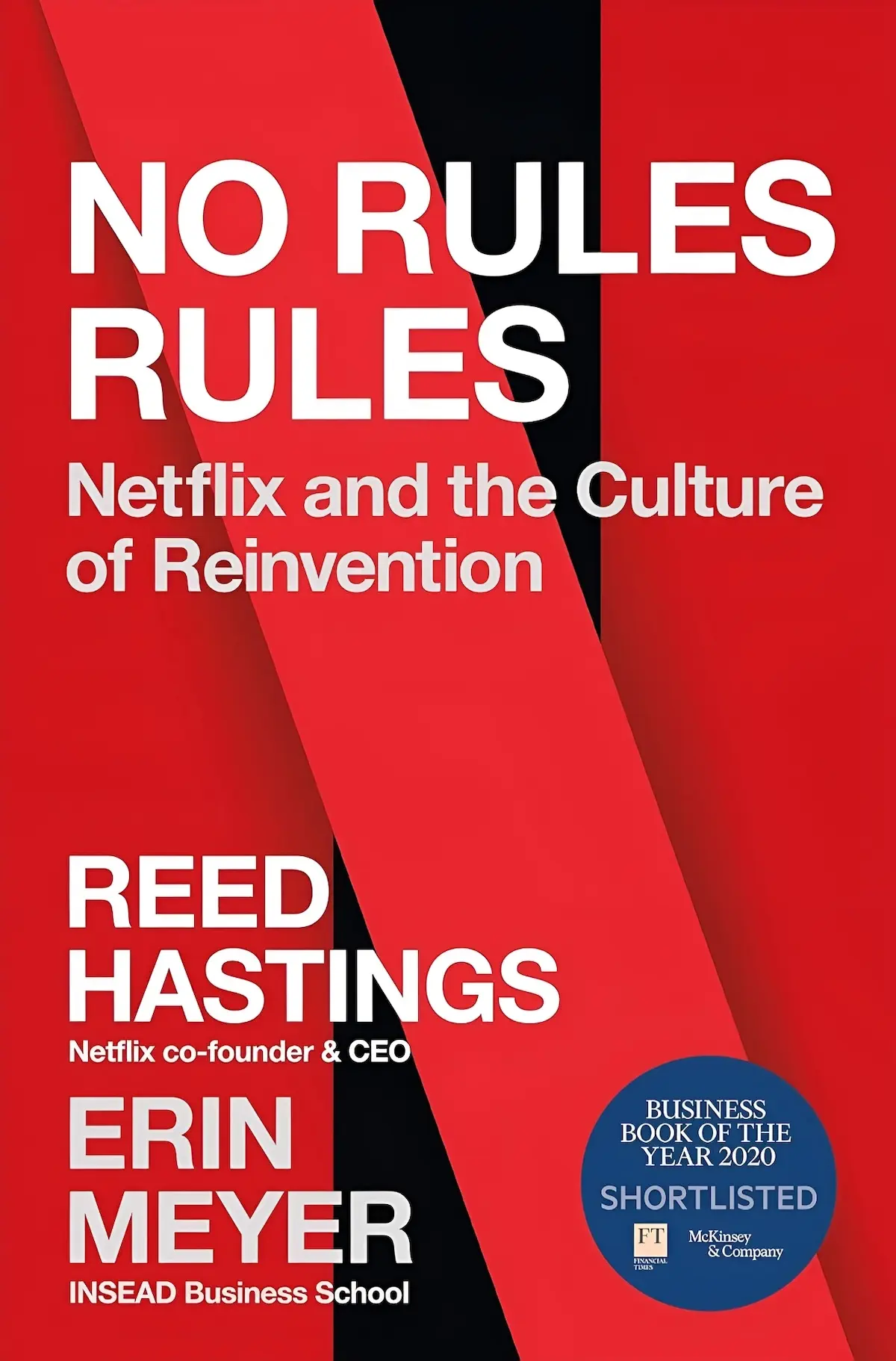
“No Rules Rules” by Reed Hastings and Erin Meyer
This book breaks away from traditional management styles. It tells the story of Netflix and explains how giving people freedom can create discipline. The authors explain how less control can lead to better results. They explain why eliminating vacation policies and expense approvals doesn’t lead to chaos, but rather, clarity. The book’s strength lies in its blend of cultural honesty and sharp analysis. It demonstrates that leadership is about trusting others to be self-sufficient. It’s a must-read for anyone tired of red tape.
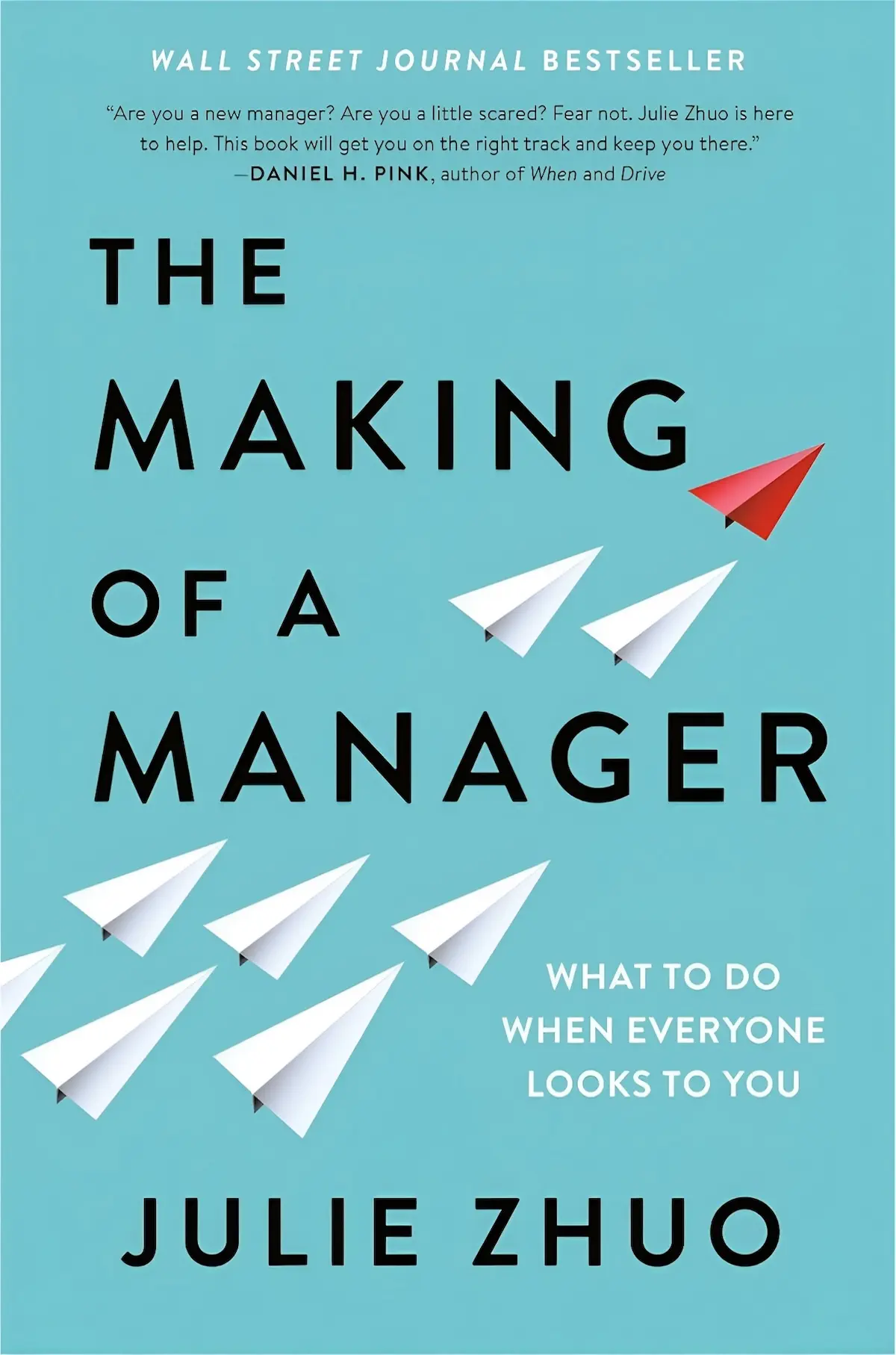
“The Making of a Manager” by Julie Zhuo
Written from a product designer’s point of view, this book speaks to those who didn’t grow up wanting to be bosses. It’s not a manual. It’s more like sitting down for coffee with someone who’s been there. Zhuo shares the bumps, awkward moments, and doubts of her own journey. She discusses hiring, running meetings, and building team culture without sounding preachy. Her honesty makes the book useful. It reminds readers that good managers aren’t born, they’re made. They’re made through a series of decisions.
Follow all the latest news from Fashionotography on Flipboard, or receive it directly in your inbox with Feeder.
You might also read

“Turn the Ship Around!” by L. David Marquet
A former submarine captain tells the story of flipping the command model on its head. Instead of barking orders, Marquet started asking questions. He encouraged his crew to think, act, and lead. The book isn’t about war; it’s about trust. It’s about transitioning from permission to ownership. Every page reveals how leadership can be shared without losing direction. For anyone curious about what authority looks like when earned, not forced, this book is a must-read.

These books stand out because they’re grounded. They don’t try to dazzle. They don’t need to. They give readers a way to think better, act smarter, and build trust without flash.
Where Wisdom Meets Practice
Some leadership books stick with readers, not because of punchy titles or big promises, but because they offer something substantial. They combine clarity with challenge. They avoid fluff. They trust that readers are capable of real change if given the right ideas.
In the business world, where attention is scattered and advice is loud, the best e-books on leadership offer something quieter. They provide space for reflection. They speak with conviction, not noise. After all, leadership isn’t just about guiding others; it’s also about knowing how to guide oneself when no one is watching.