


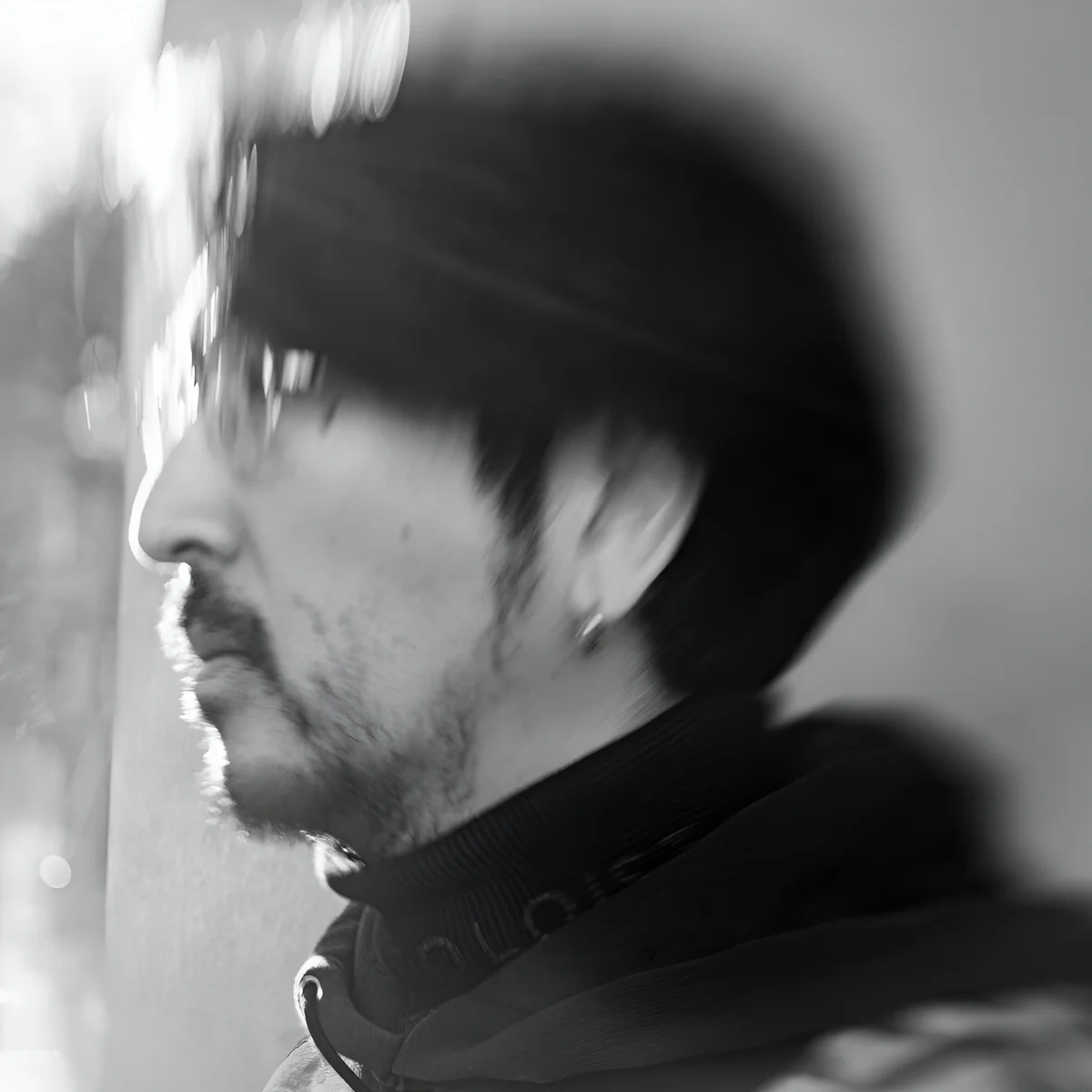
Last month, the fashion world witnessed a seismic shift when Takahiro Miyashita announced his departure from TAKAHIROMIYASHITATheSoloist, the label he founded 15 years ago. The Japanese designer’s final collection, titled “Black-and-White Realism,” quietly surfaced on social media in February, marking the end of an era that redefined avant-garde menswear.
Born in Tokyo in 1973, Takahiro Miyashita has long been regarded as one of Japan’s most influential fashion designers. He began his career at age 23 with the cult label Number (N)ine, which garnered international acclaim before he closed it in 2009. The closure came after Miyashita grew disillusioned with the commercial pressures he felt were stifling his creative vision.
Regarding his latest departure, Miyashita stated, “We, the company and I, have decided to pursue different directions, each grateful for the other. While the decision may be marked by a sense of sadness and melancholy (it wouldn’t be TheSoloist if it wasn’t), creative new beginnings for everyone in today’s times is rare and special.”
The designer’s relationship with fashion has always been deeply personal. When he launched TAKAHIROMIYASHITATheSoloist in 2010, it represented more than just a brand—it was a manifesto of independence. For me, making clothes is like making music,” he explained in a rare interview. “Number (N)ine became a professional band, one I did not want to be in. I was losing myself, and I no longer felt like I was expressing myself through those clothes.“
Follow all the latest news from Fashionotography on Flipboard, receive it directly in your inbox with Feeder.
You may also read

This musical metaphor permeated his work at TAKAHIROMIYASHITATheSoloist, where collections often drew inspiration from rock legends like Kurt Cobain and David Bowie. His urban designs were often monochrome and sometimes apocalyptic, with a distinctive play on proportion and superposition of elements. The label’s aesthetic was unmistakably Miyashita—sophisticated yet rebellious and refined yet raw.
The Fall 2025 collection, which Miyashita calls his “coda,” exemplifies this duality. While traveling across the United States, the designer drew inspiration from Wild West legends Doc Holliday and Wyatt Earp, conceiving “Black-and-White Realism” as “an imaginary band name for Wyatt and Doc.” The collection featured cowboy elements, such as concho belts and Stetsons, but filtered through Miyashita’s romantic lens.
Central to the collection was the concept of reimagined tailoring. The tuxedos presented were exquisitely crafted; some were made of velvet, and others had embroidered jackets adorned with daisy jacquard. These suits incorporated culottes and skirts alongside traditional trousers, creating what fashion critics described as “a beautifully deconstructed sense of formality.“
Miyashita’s technical innovation was evident in details such as long coat hems accented with popper buttons that transformed the garments into jumpsuits. Cotton boxer shorts, worn unbuttoned, resembled bodysuits and conveyed the sense of undressed masculine vulnerability that The Soloist consistently achieves.
The designer’s philosophy extended beyond mere aesthetics. “The clothes we see today lack sweetness,” he observed. “They’re merely oversized or undersized versions of generic items, stripped of sensuality. For me, sweetness has always been a cherished quality and will remain so.”
TAKAHIROMIYASHITATheSoloist will continue operating without its founder. The company has stated that it is “committed to nurturing its next chapter.” More information about the label’s future direction will be revealed later.
Meanwhile, Miyashita has hinted at his own future plans with his usual poetic flair. “Rock and roll never dies,” he wrote on Instagram. “The music keeps on playing, louder and louder. Just on a different stage. A new band, a new noise, catch me there.“
His impact on contemporary menswear is immeasurable. Alongside peers like Jun Takahashi of UNDERCOVER, Miyashita was among the first designers to successfully blend street fashion and luxury aesthetics without compromising either. His work at Number (N)ine featured graphic tees, exposed-lining suits printed with camouflage, and collaborative sneakers—elements now considered foundational to modern streetwear.
The Soloist collections consistently challenged conventional menswear with multilayered, somber-hued pieces featuring contrasting proportions and asymmetric styling. Close-fitting jackets and trousers were tailored to a deliberately dandyish degree, while military-inspired outerwear brought a utilitarian touch to refined wardrobe staples.
“With a vision of simply crafting well-made clothes, every single piece was a musical note,” Miyashita reflected on his 15-year journey with TAKAHIROMIYASHITATheSoloist. “Fifteen years on, the time has come for what has become a symphony to close.“