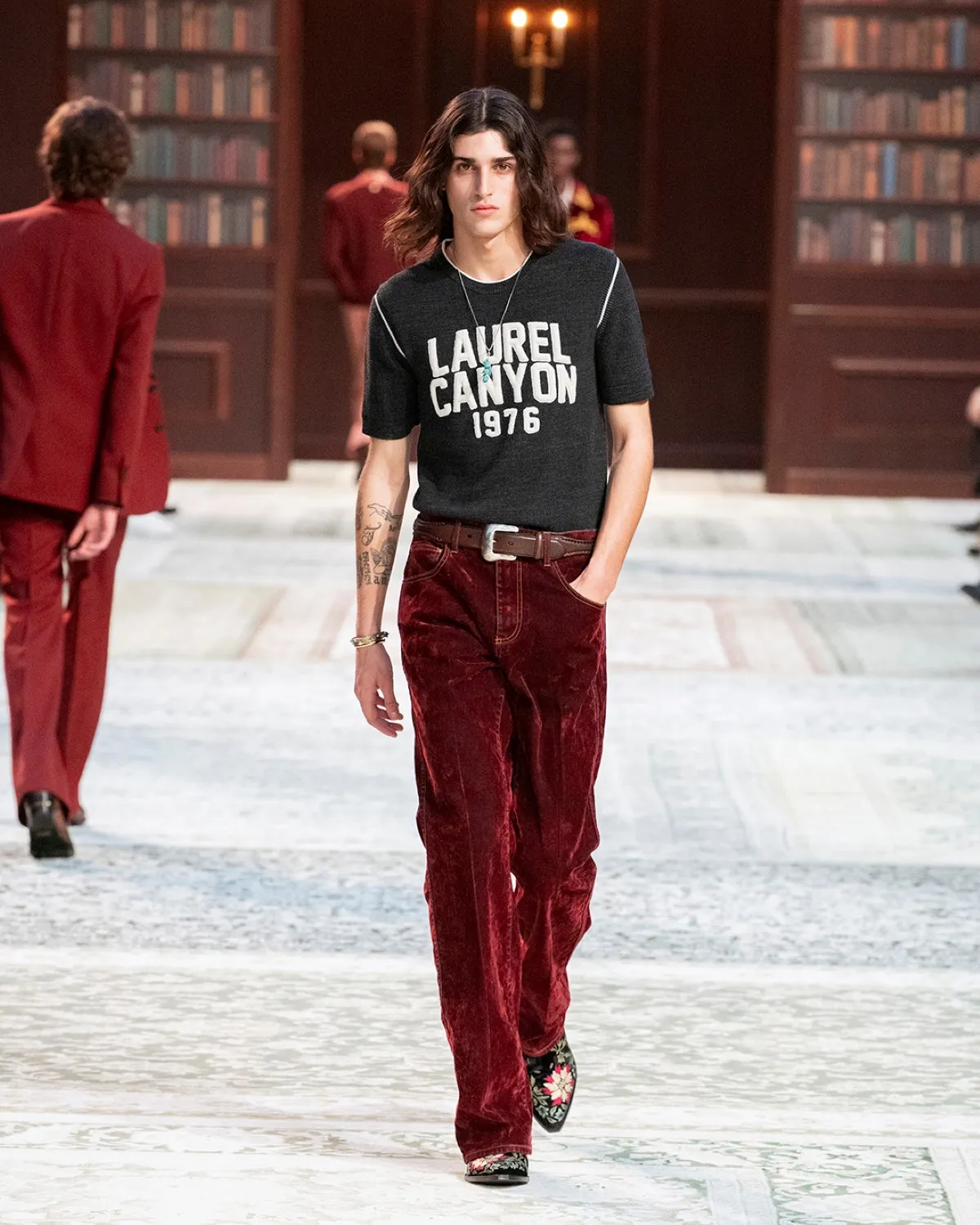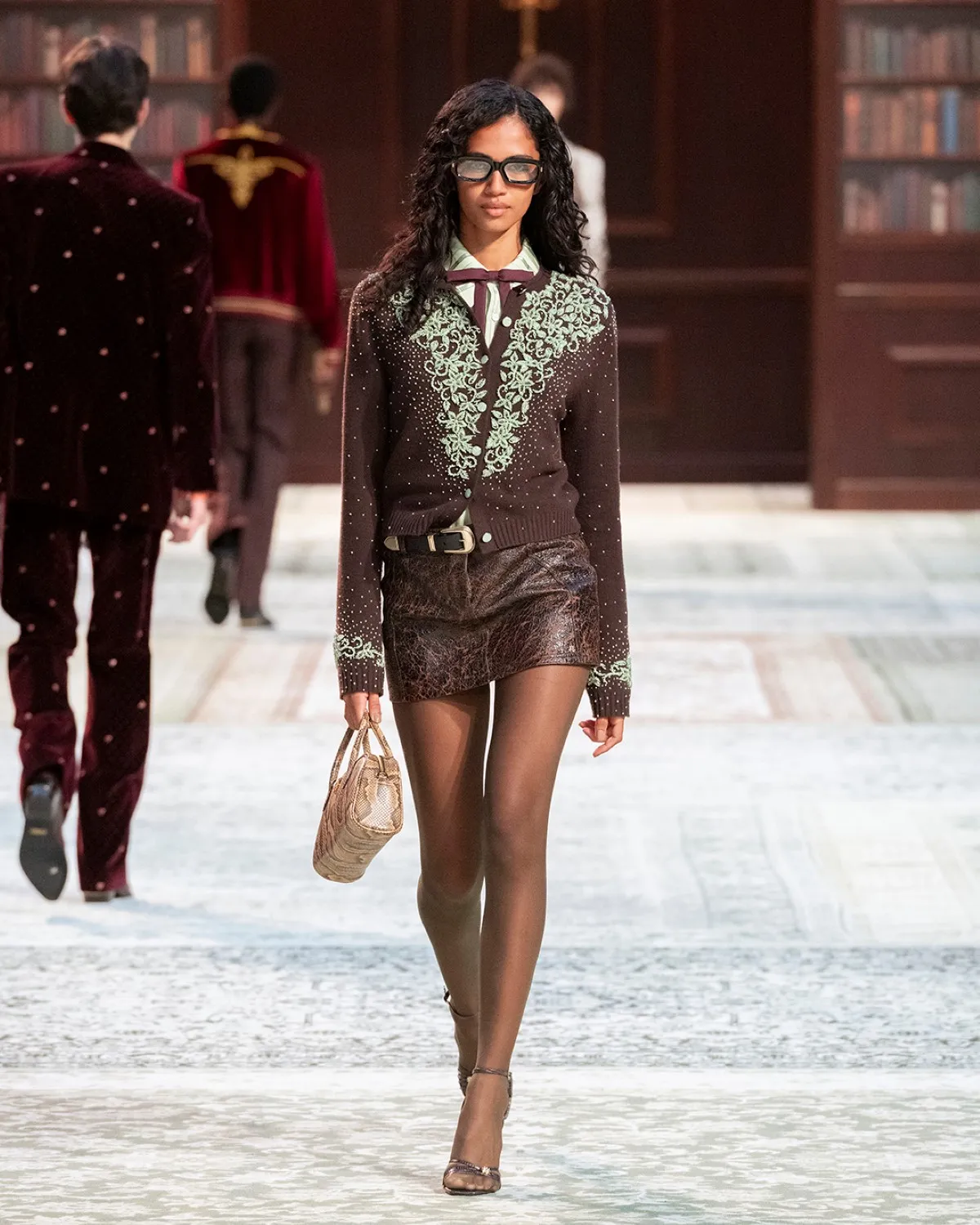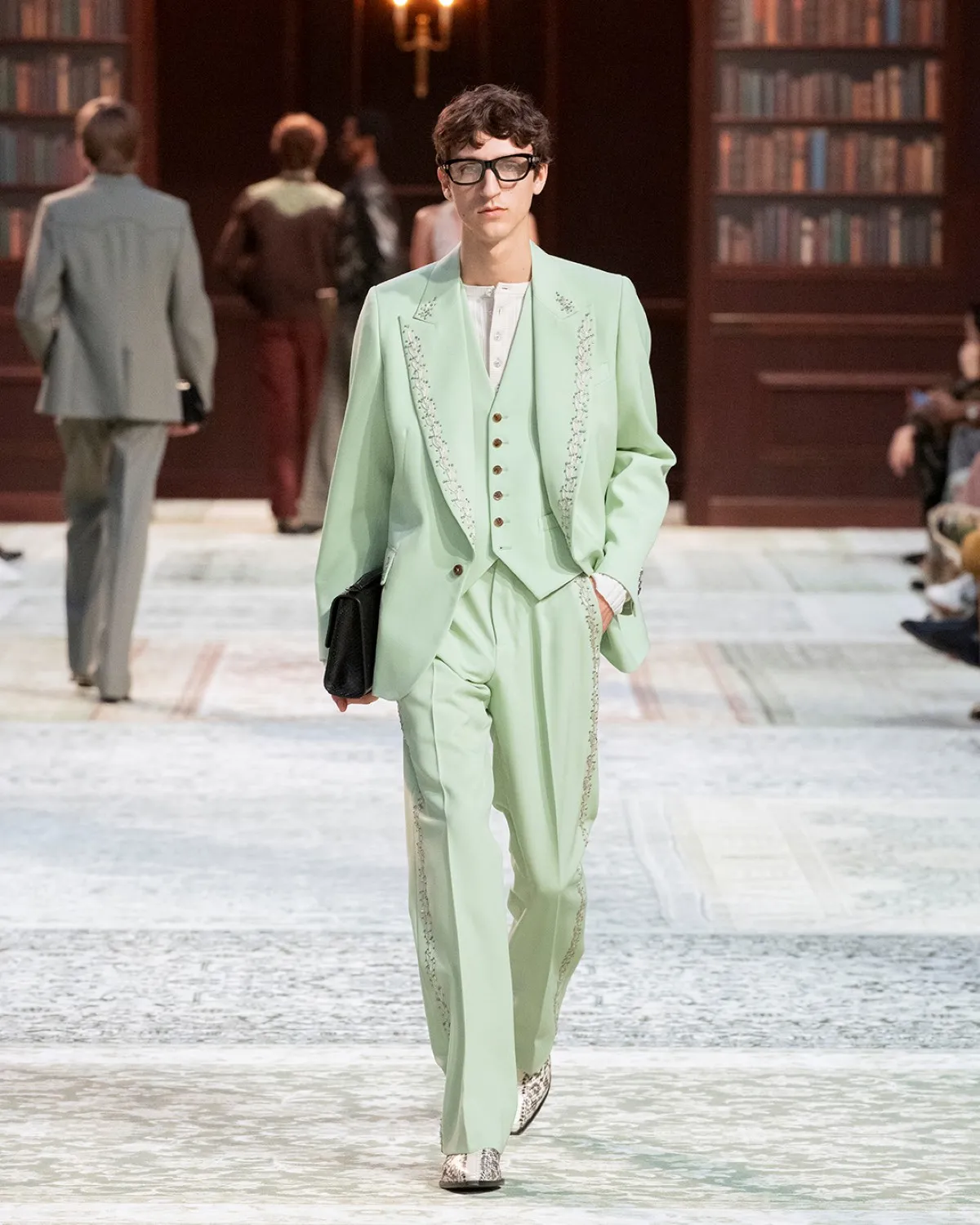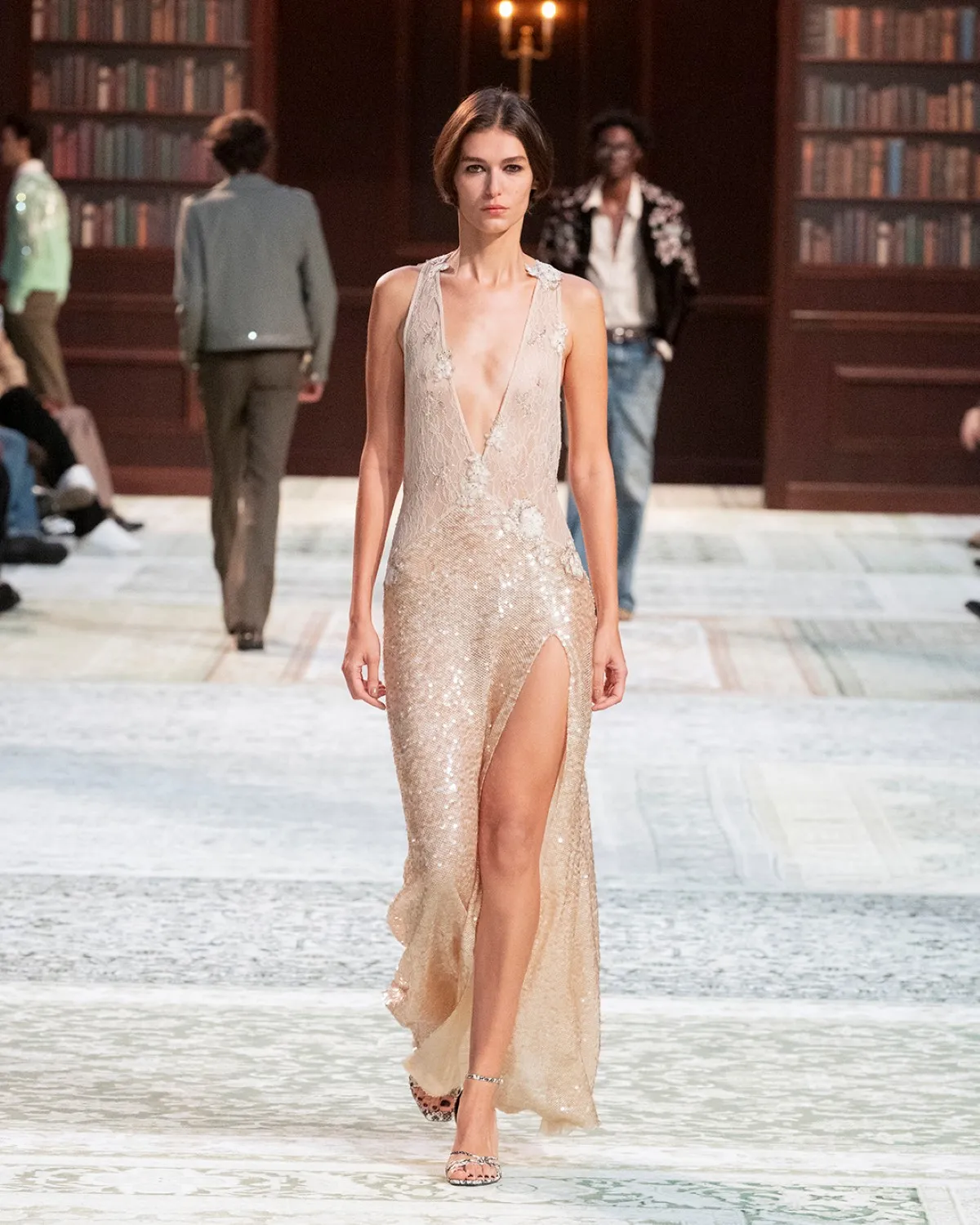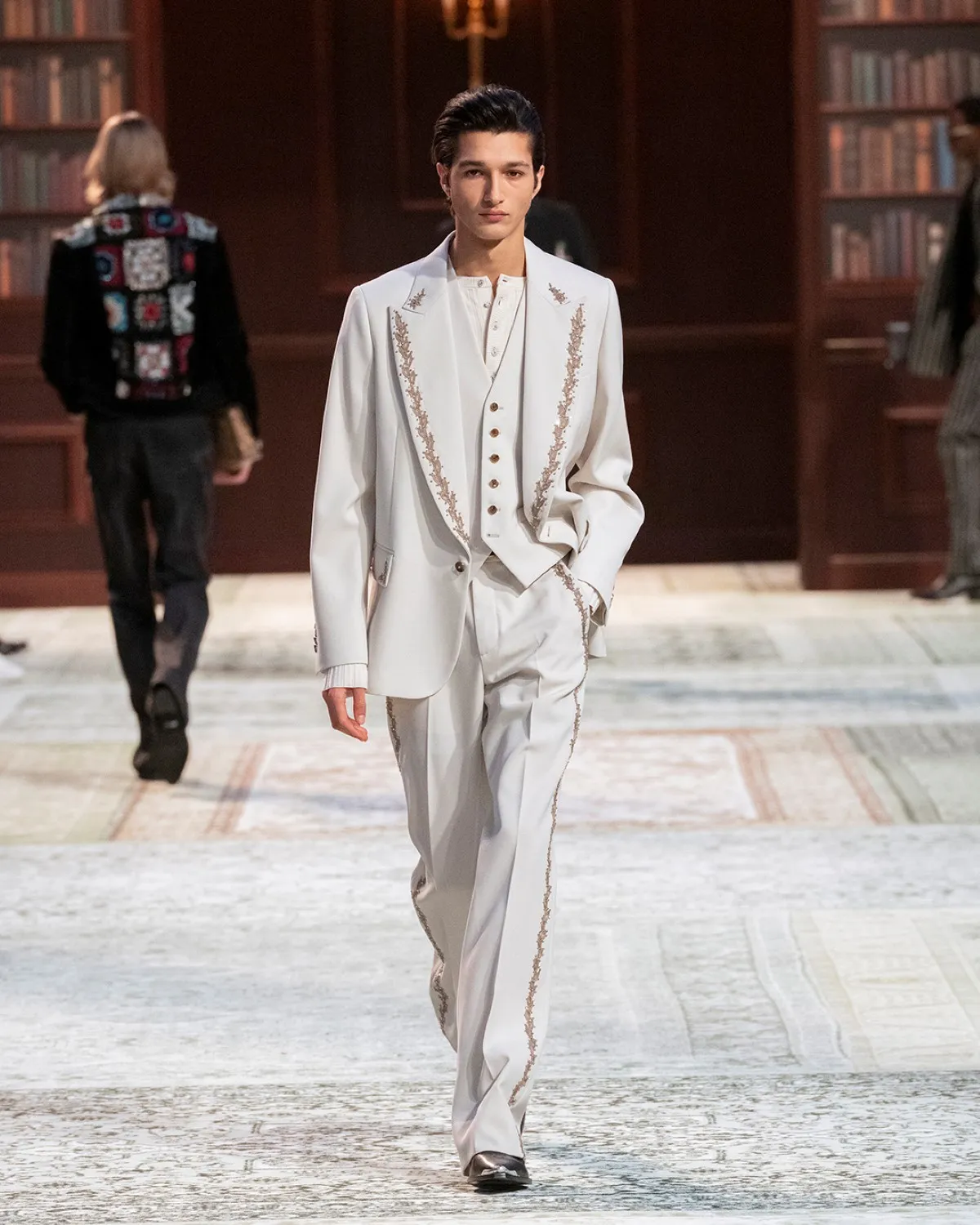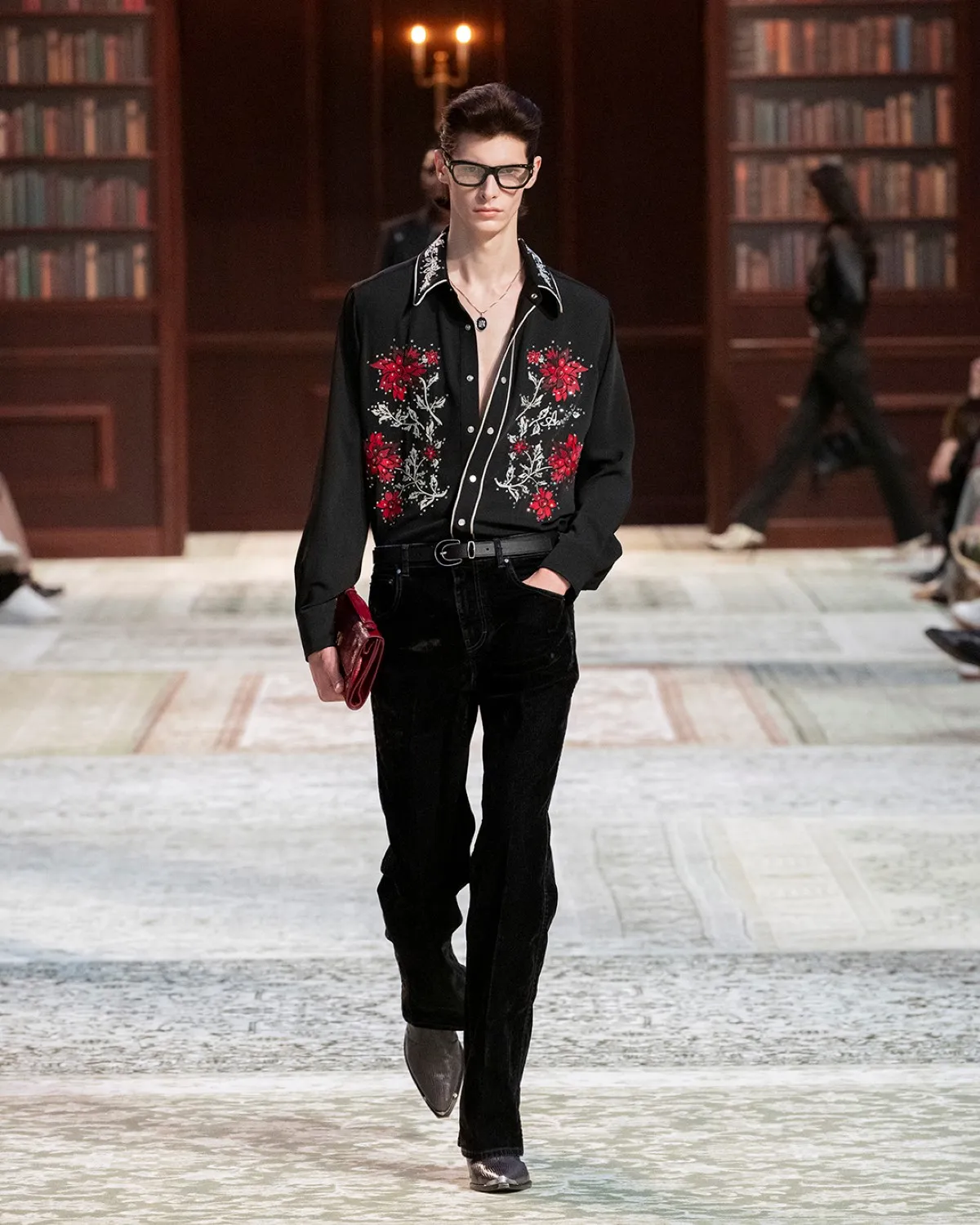

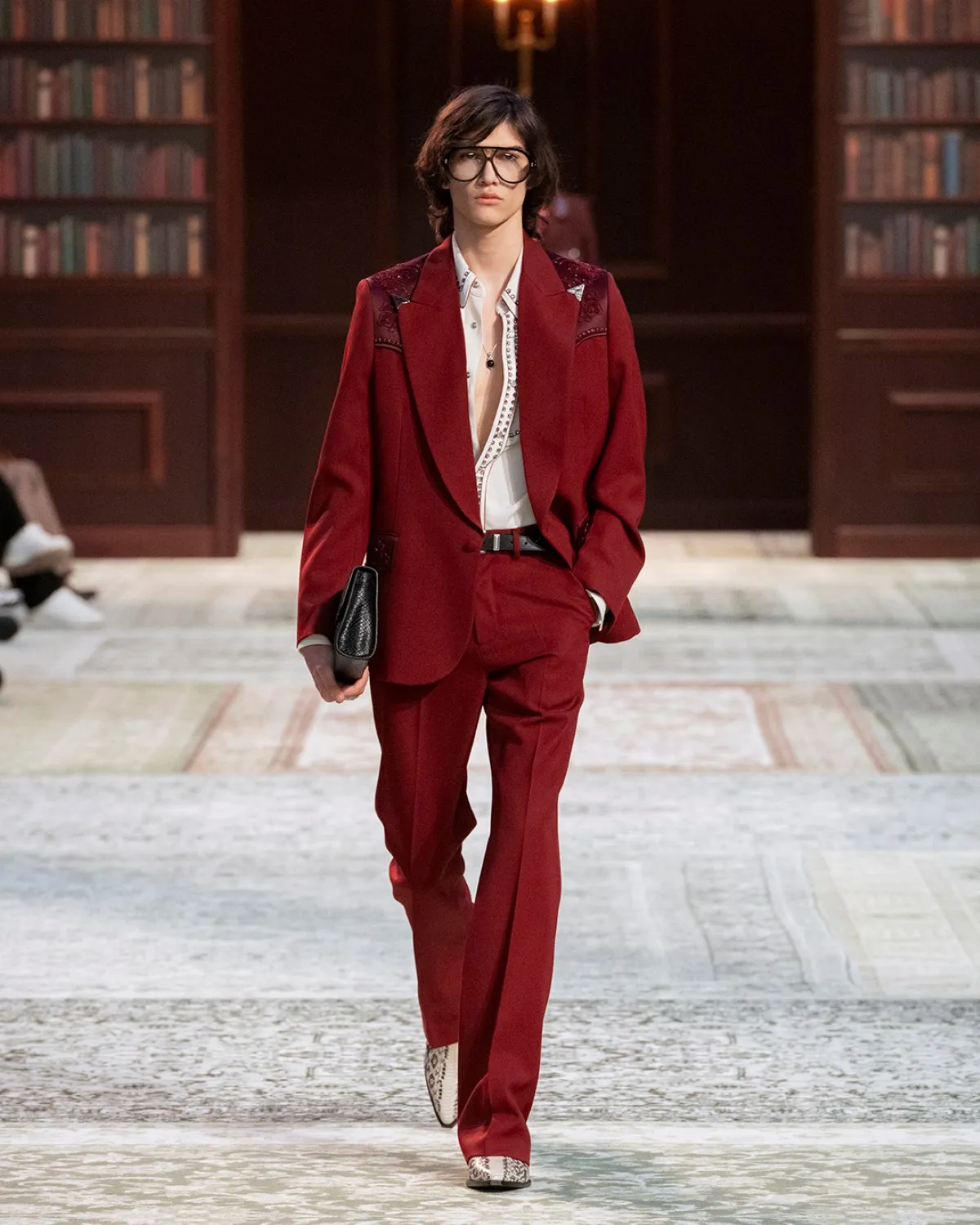
Mike Amiri knows his audience expects a specific kind of California cool. The AMIRI Fall 2026 collection was presented in Paris against a backdrop that resembled a private residence in the Los Angeles hills more than a traditional runway. Guests found themselves surrounded by armchairs and a well-worn library. This was a departure from the sterile environments often favored by European fashion houses. Amiri wanted to capture the spirit of Laurel Canyon in the mid-1970s, echoing the Pre-Fall 2024 collection story rooted in Los Angeles youth culture. It was a time when the neighborhood became a sanctuary for creative individuals.
| 📌 Key Facts |
|---|
| 🌴 Inspiration: Laurel Canyon, Los Angeles, mid-1970s 🎸 Cultural references: Music, artists and creative communities 🤠 Key silhouettes: Western suits, flared trousers, relaxed tailoring 🧵 Craftsmanship: Embroidery, leather finishes, metal detailing 🏡 Show setting: Paris venue styled as a private California residence 🧠 Creative intent: Emotional connection over trend-driven fashion |
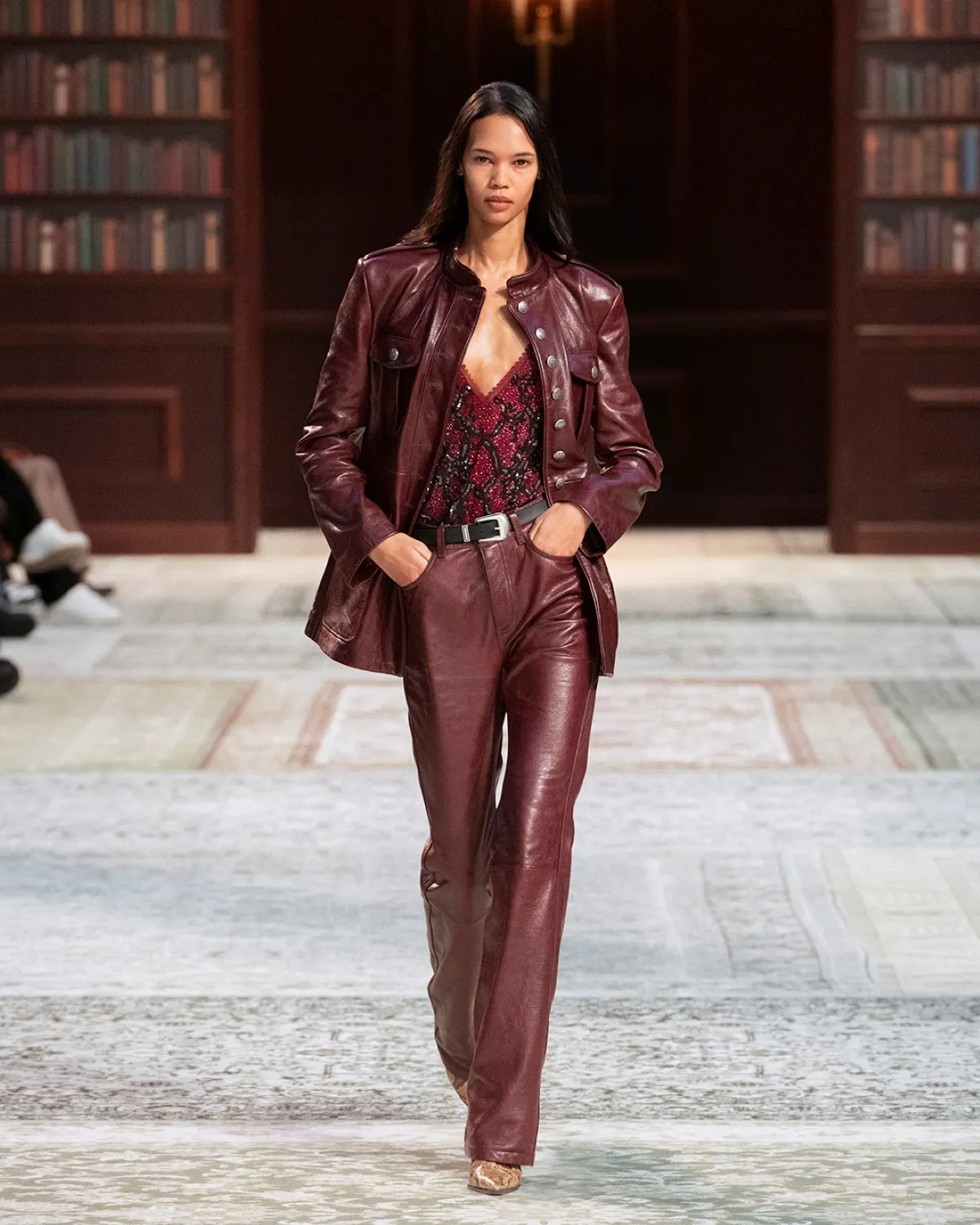
The clothing reflected this specific historical moment. There were Western suits reminiscent of the mid-century style of performers like Johnny Cash. These pieces featured metal tips on the lapels and intricate floral embroidery. Some of the looks came in shades of dusty rose and vine. The designer paired these with metallic-finish cowboy boots. The silhouette remained consistent throughout the show. Most pants had a slight kick at the bottom. These design choices clearly conveyed a specific American aesthetic.
The collection transitioned from formal rodeo attire to more relaxed pieces. One standout look was a merlot military tunic paired with a satin tie. Another look featured a knit jacket resembling a varsity cardigan from the 1950s. There were also denim pants with topstitching that were worn under jackets adorned with fabric panels and beads. Amiri focused on creating authentic garments. He avoided the debate between loud and quiet fashion. Instead, he created pieces with which people could connect.
The set design enhanced this feeling of intimacy. Persian rugs covered the floor. The seating was arranged as if for a house party. Jeff Goldblum sat among the guests. He became a supporter of the brand through his stylist. The actors and creators in attendance seemed at home in this environment. Amiri used 1976 as a reference point. It was the year he was born and a significant time for the local culture he admires.
The collection also included heavy womenswear. While these pieces were ornate, they shared a similar aesthetic with the men’s tuxedos. The contrast between the two categories felt intentional. The most successful looks were those that felt less formal. They captured the nonchalant style often associated with the West Coast. These items looked like elevated finds from a vintage market. They suggested someone comfortable with their own history.
Follow all the latest news from Fashionotography on Flipboard, or receive it directly in your inbox with Feeder.
You might also read
Amiri has built a business on his ability to translate his home turf for a global audience. He understands that, today, luxury is often about a feeling of belonging. People want clothes that suggest a certain lifestyle without being overly complicated. The use of eyewear and specialized leather finishes on boots provided a sense of continuity. These details made the collection feel grounded. The craftsmanship was evident, yet it did not distract from the overall mood.
The designer continues to look to his roots for inspiration. By focusing on a specific neighborhood and year, he developed a clear vision. This approach allows him to avoid the trends that often distract other labels. The Fall 2026 collection was a clear example of this strategy. It offered a glimpse into a world that was both nostalgic and modern. The clothes were designed for people who value individuality. Amiri has established himself as a designer who stays true to his own perspective. This focus has helped him find success in a competitive industry.