


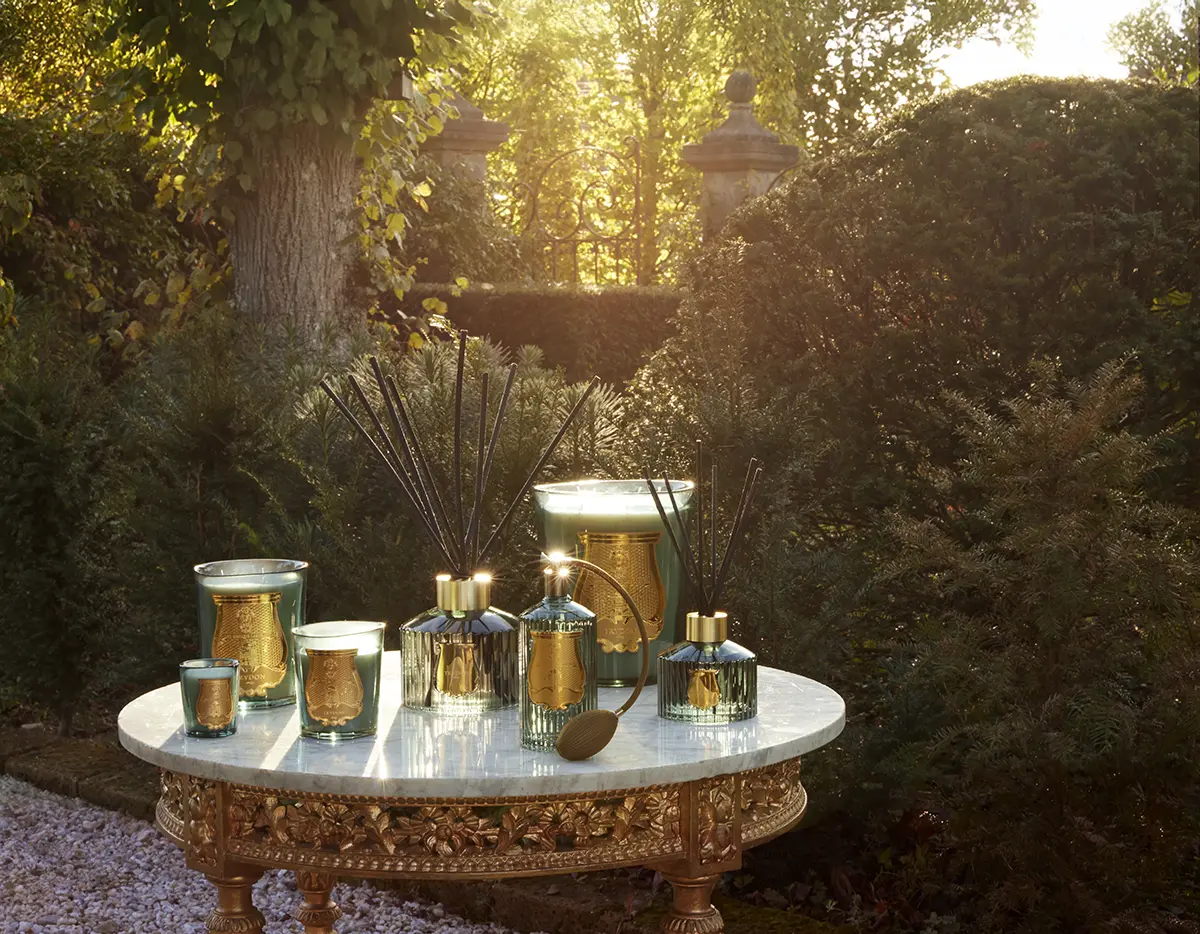
Historical archives often hide the most fragrant secrets. When Hugo Ferroux joined Trudon as the new Artistic director, he did not look toward modern trends for his first major project. Instead, he traveled back to the XVII century, scouring the records of the Château de Versailles to find a botanical wonder known as the King’s Figuerie. This spring, the heritage candle maker translates that royal atmosphere into the new Figuerie collection, a series of scented objects that smell of sun-drenched stone and damp earth.
| 📌 Key Facts |
|---|
| 🌿 Inspiration: Louis XIV’s royal fig greenhouses at Versailles 🏛️ Historical reference: XVII-century Potager Royal & Figuerie Royale 👃 Perfumer: Émilie Bouge 🎨 Design: Celadon-colored glass with hot-gold detailing 🕯️ Formats: Candles (4 sizes), room spray, diffusers 📅 Launch date: March 16th, 2026 |
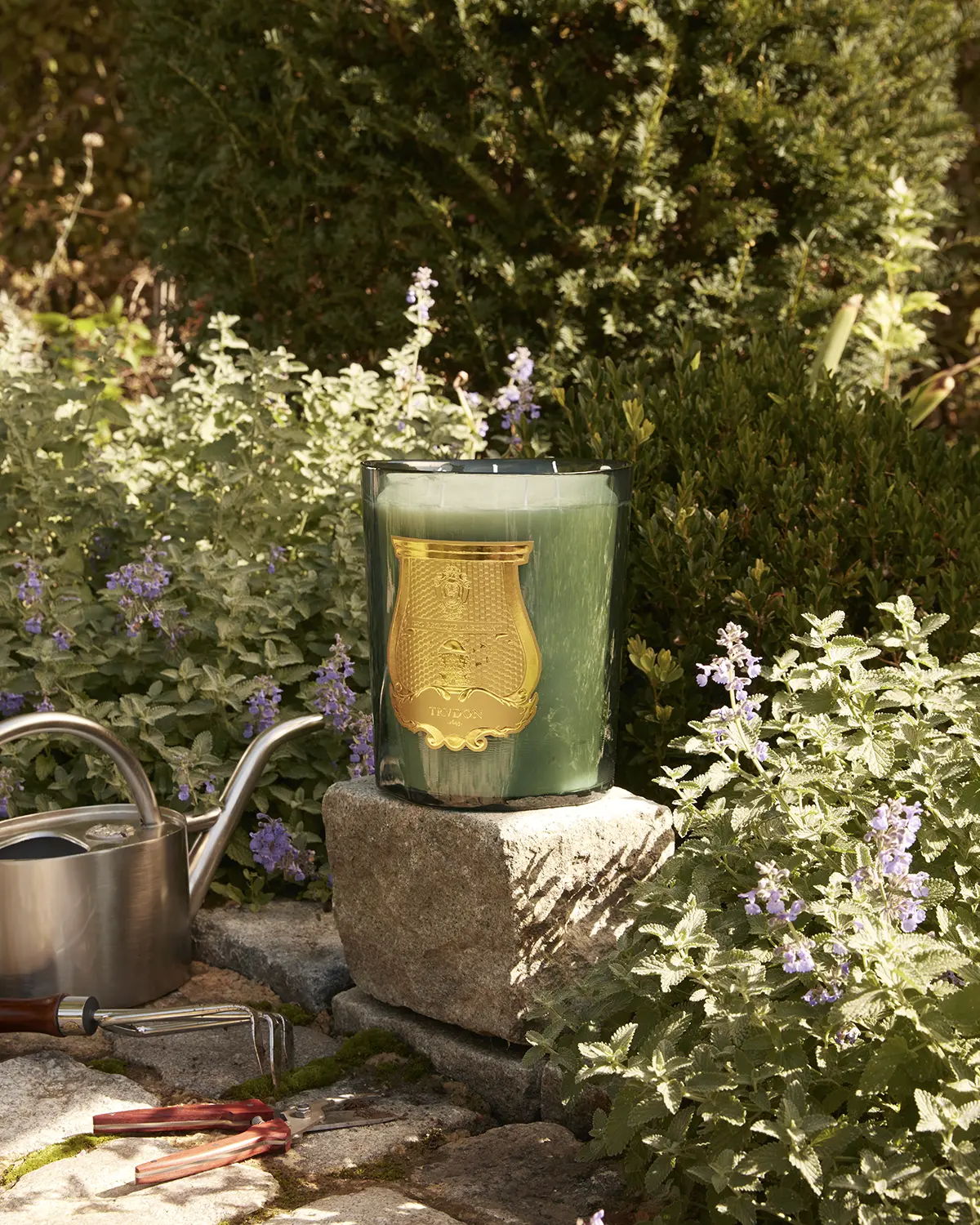
Louis XIV’s Figuerie: The royal greenhouses of Versailles
Versailles was not merely a palace of mirrors and gold; it was a site of intense horticultural innovation. Between 1678 and 1683, Jean-Baptiste de La Quintinie, a lawyer turned agronomist, constructed the Potager Royal on a marshy patch of land once called “the stinking pond“. Louis XIV had a particular obsession with figs, demanding they be served at his table regardless of the season. To satisfy this royal whim, La Quintinie collaborated with architect Jules Hardouin-Mansart to build the Figuerie Royale, a revolutionary greenhouse system.
By using a combination of clever architecture and refined gardening techniques, the King’s gardeners created a microclimate. The trees lived in pots, spending their winters in the protection of the greenhouses before moving outdoors to soak up the heat reflecting off the palace’s stone walls. This cycle allowed the court to enjoy fresh fruit all year. “In diving into the archives of Trudon and those of the Château de Versailles, I discovered the existence of the royal kitchen garden and its figuerie: an exceptional place,” Ferroux says of his inspiration.
Follow all the latest news from Fashionotography on Flipboard, or receive it directly in your inbox with Feeder.
You may also read

A fig tree fragrance inspired by shadow, stone and earth
To bring this historical site to life, Trudon collaborated with perfumer Émilie Bouge. The scent avoids the typical sugary sweetness often associated with fruit-based perfumes. Instead, it focuses on the tension between the dark, humid interiors of the 17th-century greenhouses and the bright, mineral quality of the French court. “What immediately seduced me was this notion of shadow and light, and how to translate it into scent,” Ferroux explains.
The fragrance opens with a sharp, green note of white fig that feels organic and woody. As it settles, it reveals a more complex side. Bouge utilized patchouli and a specific “humus” accord to mimic the smell of wet earth and the wooden crates used to transport the trees. To represent the architecture of Versailles itself, she added Ambroxan CX. “Luminous and mineral, like the ashlar facades heated by the sun,” the perfumer describes the effect. A touch of wormwood reinforces the feeling of a spring morning.
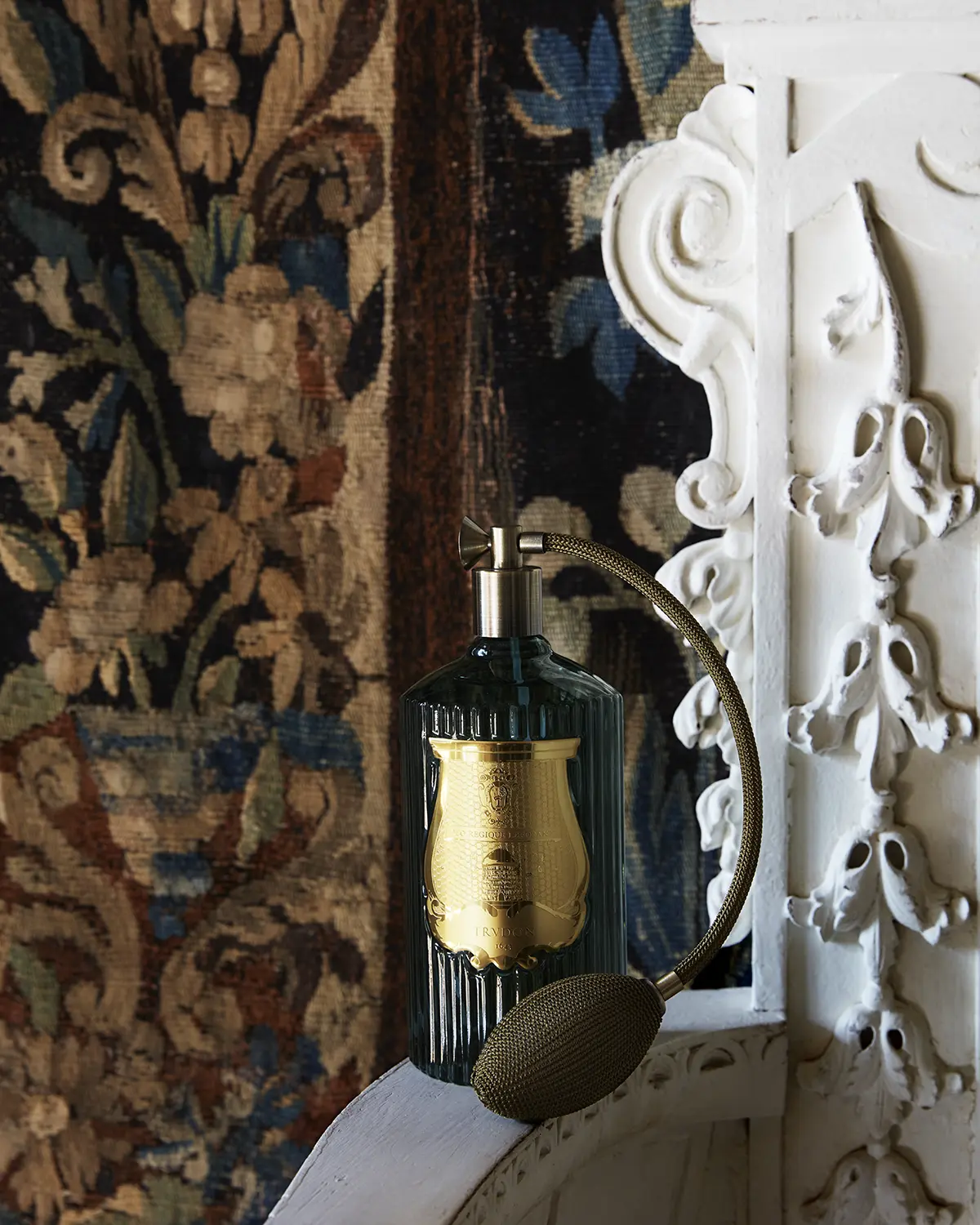
Celadon glass and royal aesthetics in Trudon’s new collection
The visual identity of the collection marks a return to the brand’s roots. The vessels are crafted in a new celadon-colored glass, a hue that holds significant weight in French cultural history. The name comes from Céladon, a character in Honoré d’Urfé’s XVII-century novel L’Astrée, who became a symbol of refined and gallant love. The color eventually moved from literature into the world of ceramics and fashion, becoming a staple of aristocratic taste.
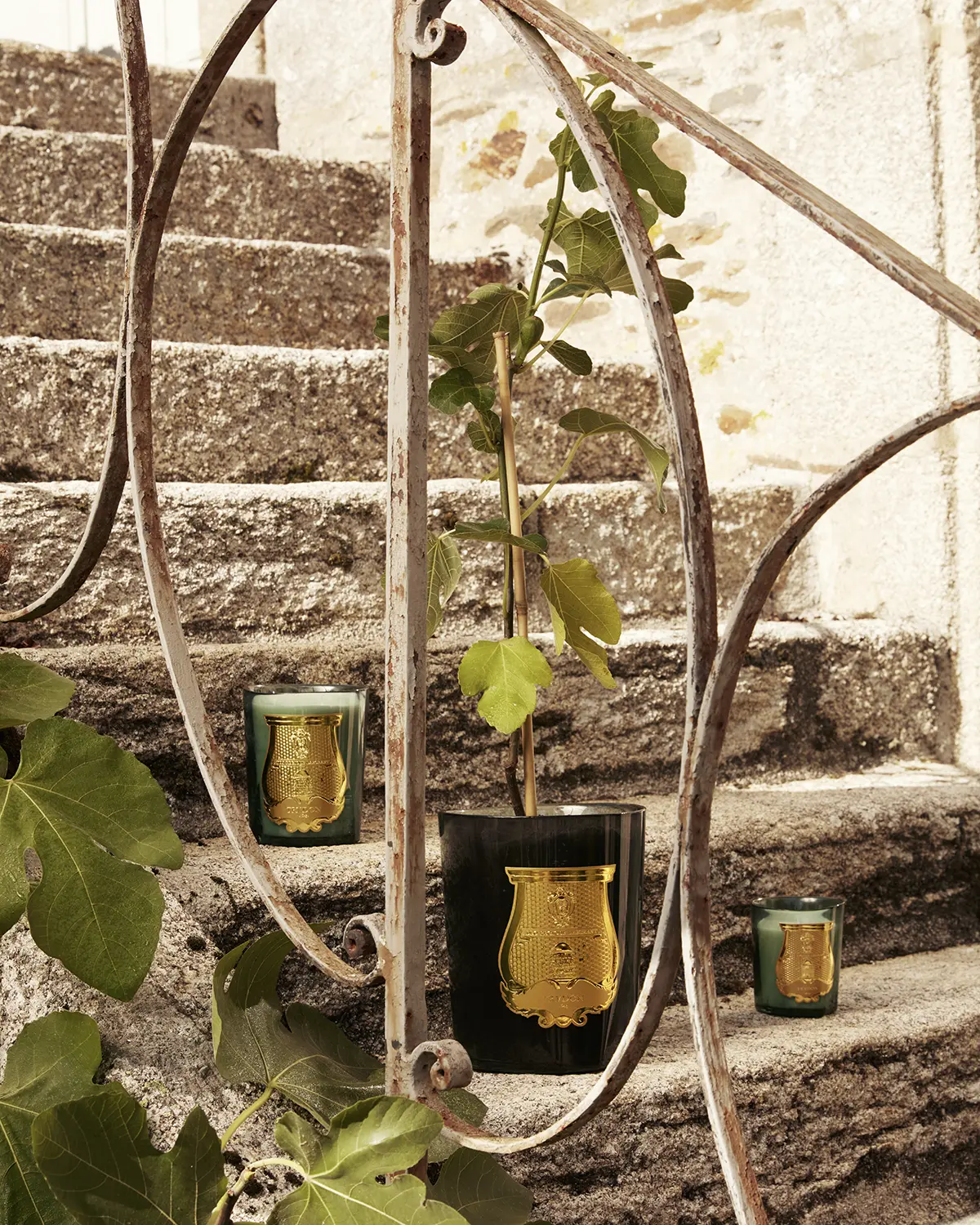
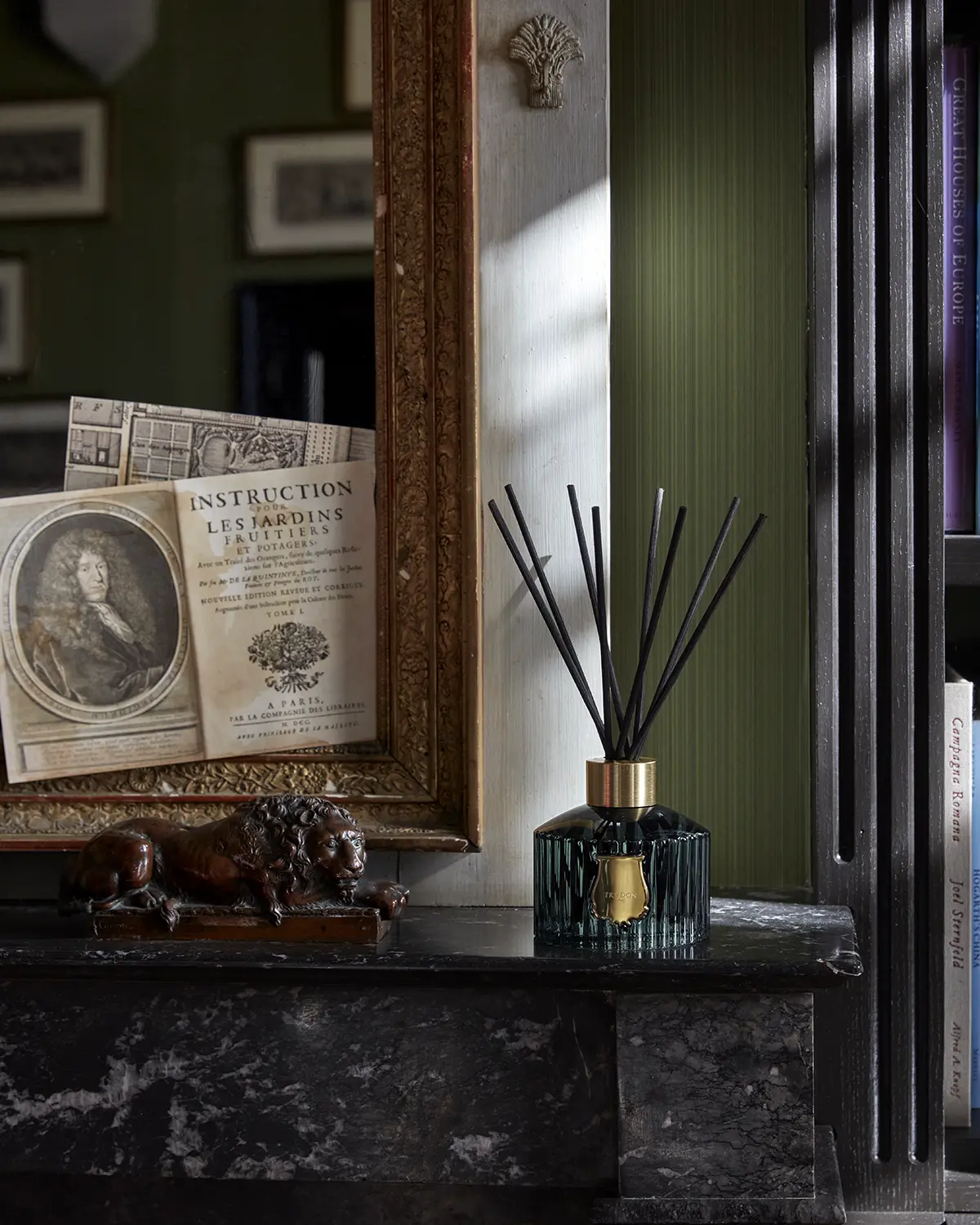
Trudon pairs this soft green glass with hot-gold leaf marking, a nod to the brocades and interior decorations found in royal residences. The collection, which launches on March 16th, 2026, includes four sizes of candles, a room spray, and two sizes of diffusers. Notably, even the smallest 70g candle now features the brand’s signature embossed gold shield label, replacing the previous screen-printed design.