
Paul Smith delivered one of his strongest showings at Milan Fashion Week, proving that looking backward can propel a brand forward. The collection demonstrated how a refreshed design team and five decades of stored garments can generate genuine excitement rather than mere nostalgia.
| 📌 Key Facts |
|---|
| 🧵 Collection: Fall 2026 Menswear 📍 Presented at: Milan Fashion Week 🗄️ Archive size: Nearly 5,000 garments dating back to 1970 🎨 Creative leads: Paul Smith, Sam Cotton, Helen Holmes 🧥 Key themes: Relaxed tailoring, archive reinterpretation, functional details 🧶 Materials: Donegal tweed, Harris tweed, herringbone, wool alpaca 🧠 Signature approach: Quiet design, longevity over trends 🏛️ Ownership: Independently owned for 55 years |
A new creative direction rooted in the Paul Smith archive
Sam Cotton, the recently appointed head of men’s design, brought new energy to the Paul Smith atelier after working at Valentino and Lemaire. Smith and his team made repeated trips to the brand’s Nottingham archive, which contains nearly 5,000 garments documenting Smith’s career since 1970. They didn’t just unearth old clothes, but rather blueprints for contemporary menswear. Cotton and design director Helen Holmes examined how Smith historically deconstructed tailoring, pulling references from 14 archive collections.
Quiet tailoring and relaxed silhouettes for modern menswear
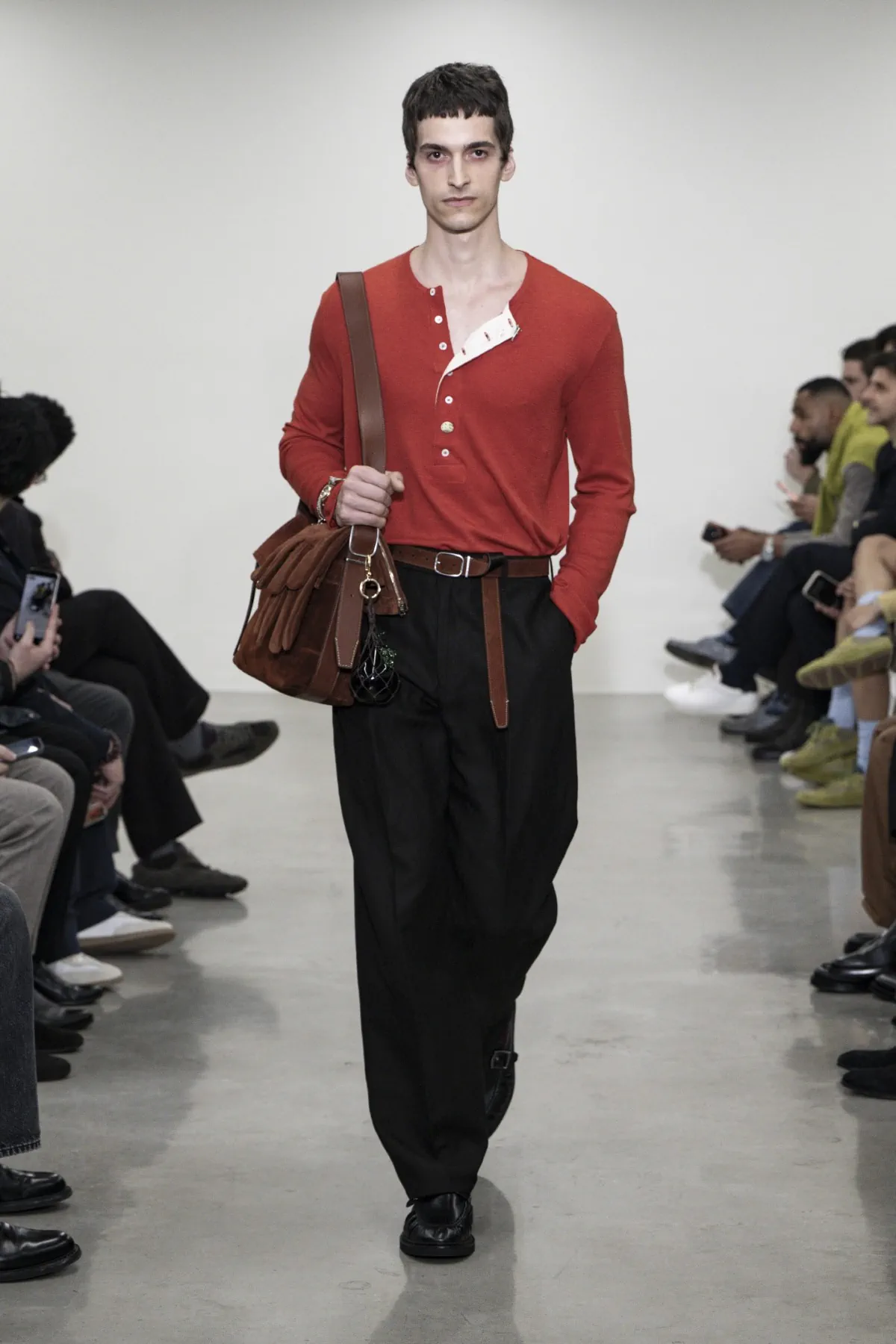
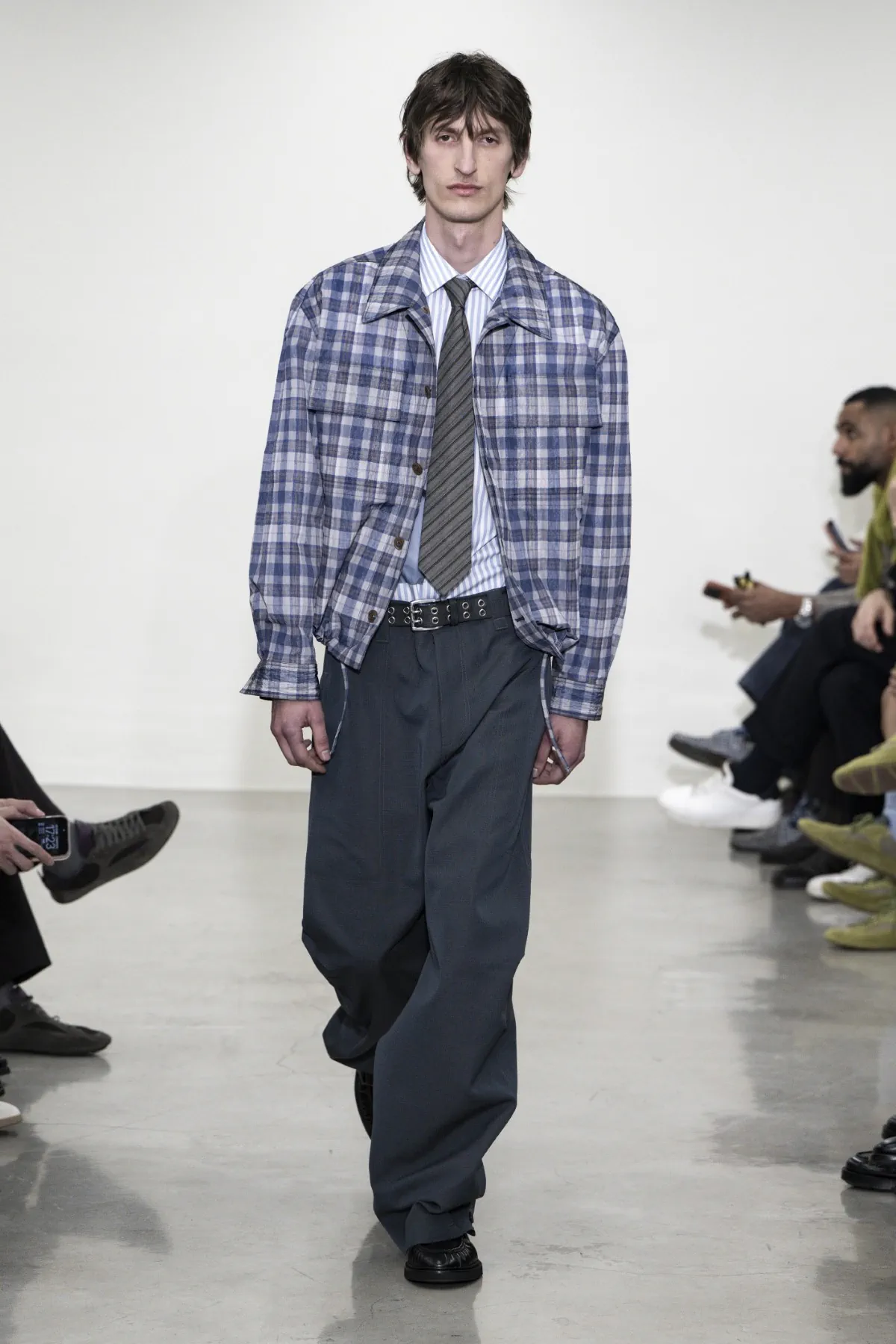
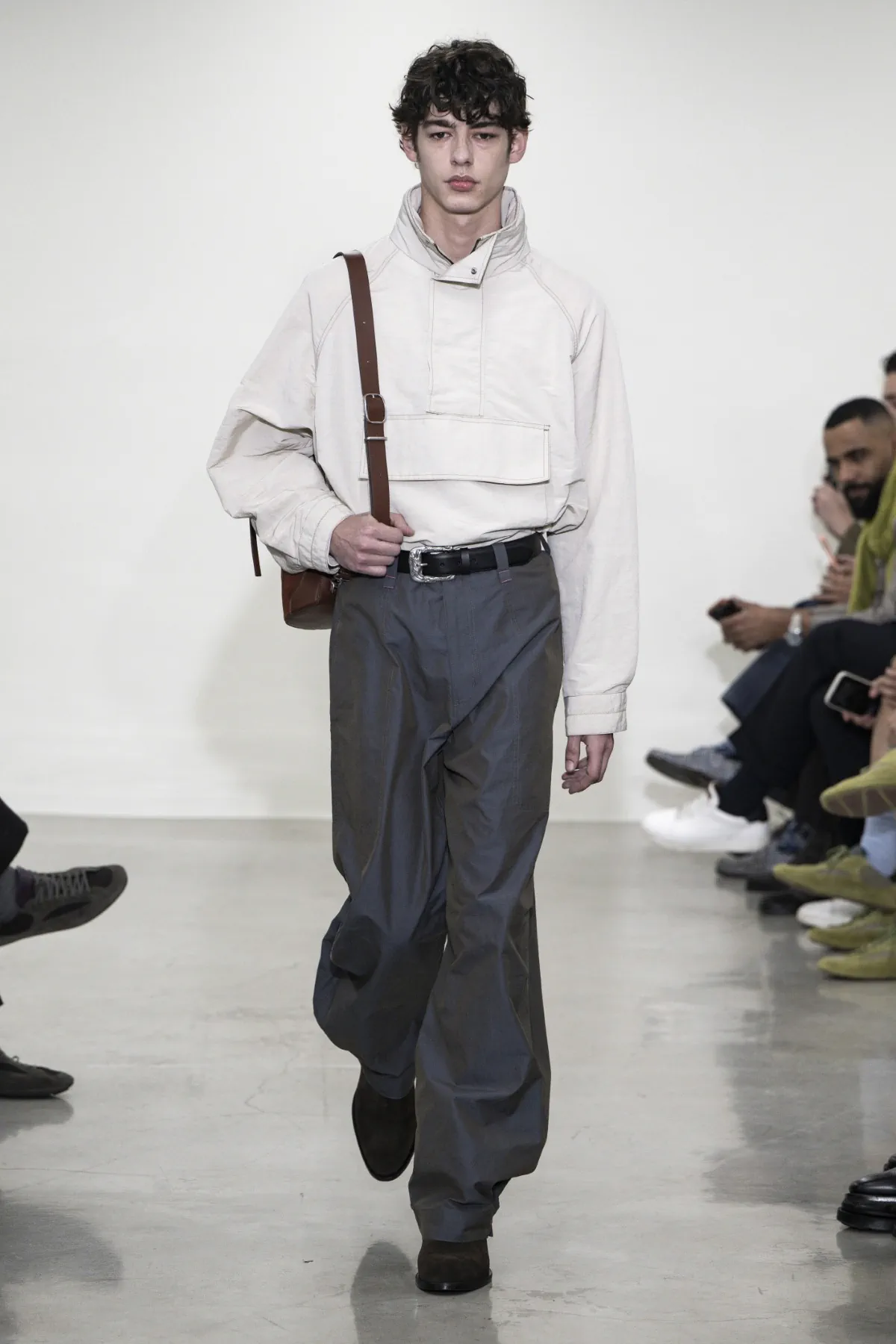
The collection featured slouchy, roomy cuts in muddy autumnal tones that were relaxed yet sophisticated. Smith revived his 1999 inside-out suit construction, which is now detailed with yellow topstitching that traces the garment’s internal architecture. Also returning to the lineup was a white Western shirt from 1989, distinguished by its angular pocket flaps with pearlescent buttons. The designer wore this very piece backstage and noted that it still fit him decades later.
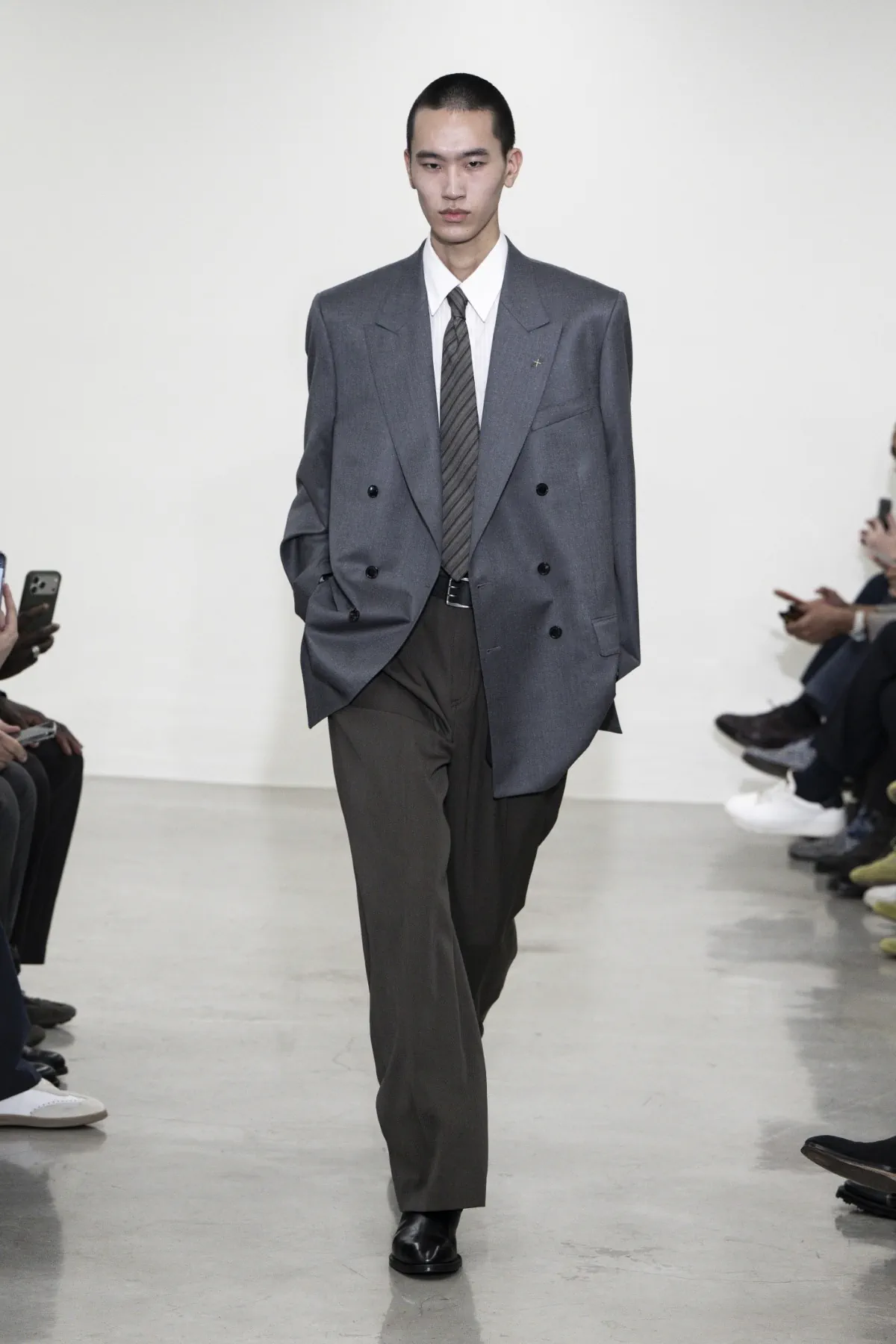
Double-breasted jackets with low-slung waists were paired with bib shirts, creating looks that were simultaneously formal and relaxed. Full-legged trousers with gentle pleats anchored many ensembles. Utility shirts and anoraks tucked into these generous pants offered practical alternatives to traditional suits.
Follow all the latest news from Fashionotography on Flipboard, or receive it directly in your inbox with Feeder.
You mgith also read
Archive textiles, craftsmanship, and functional details
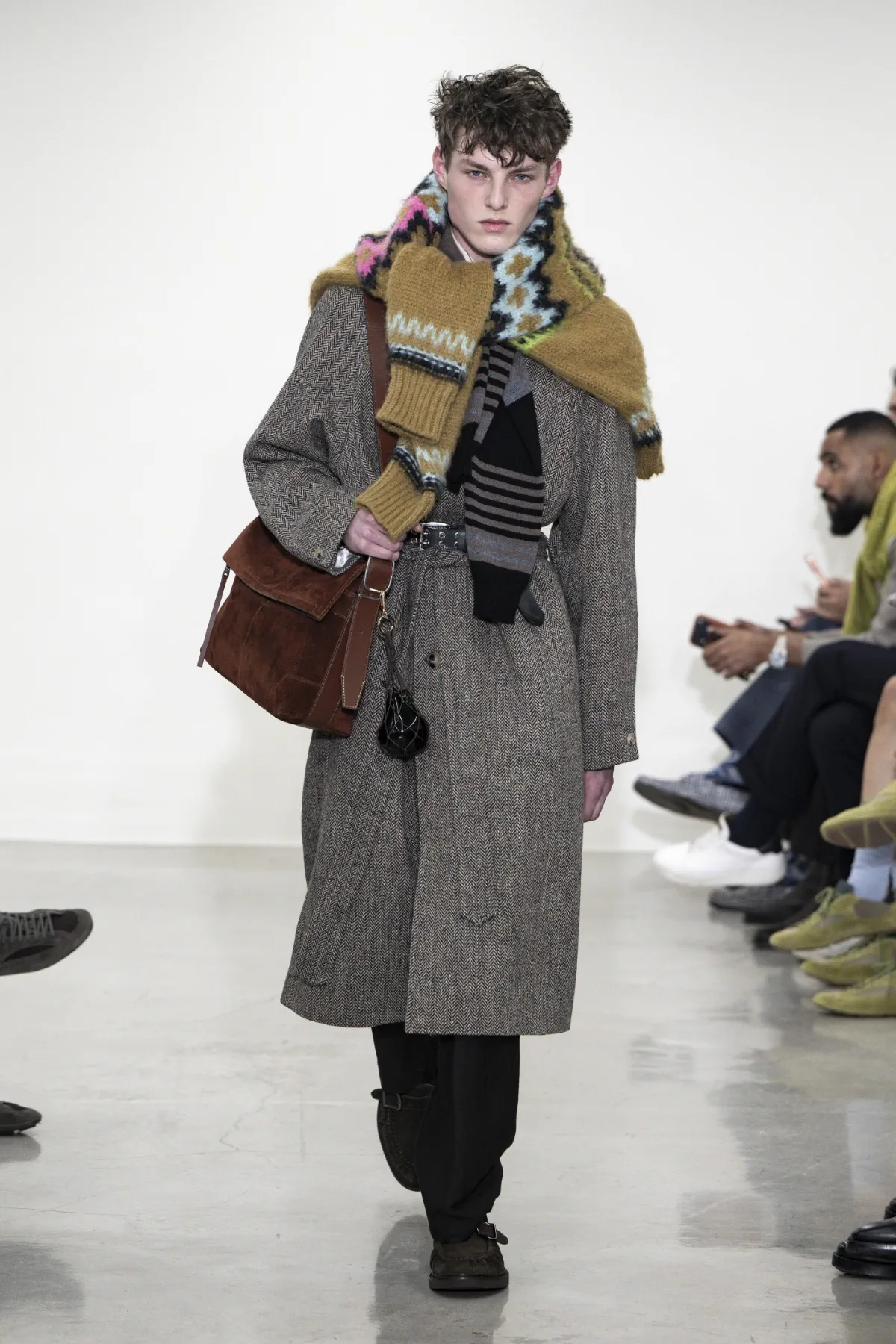
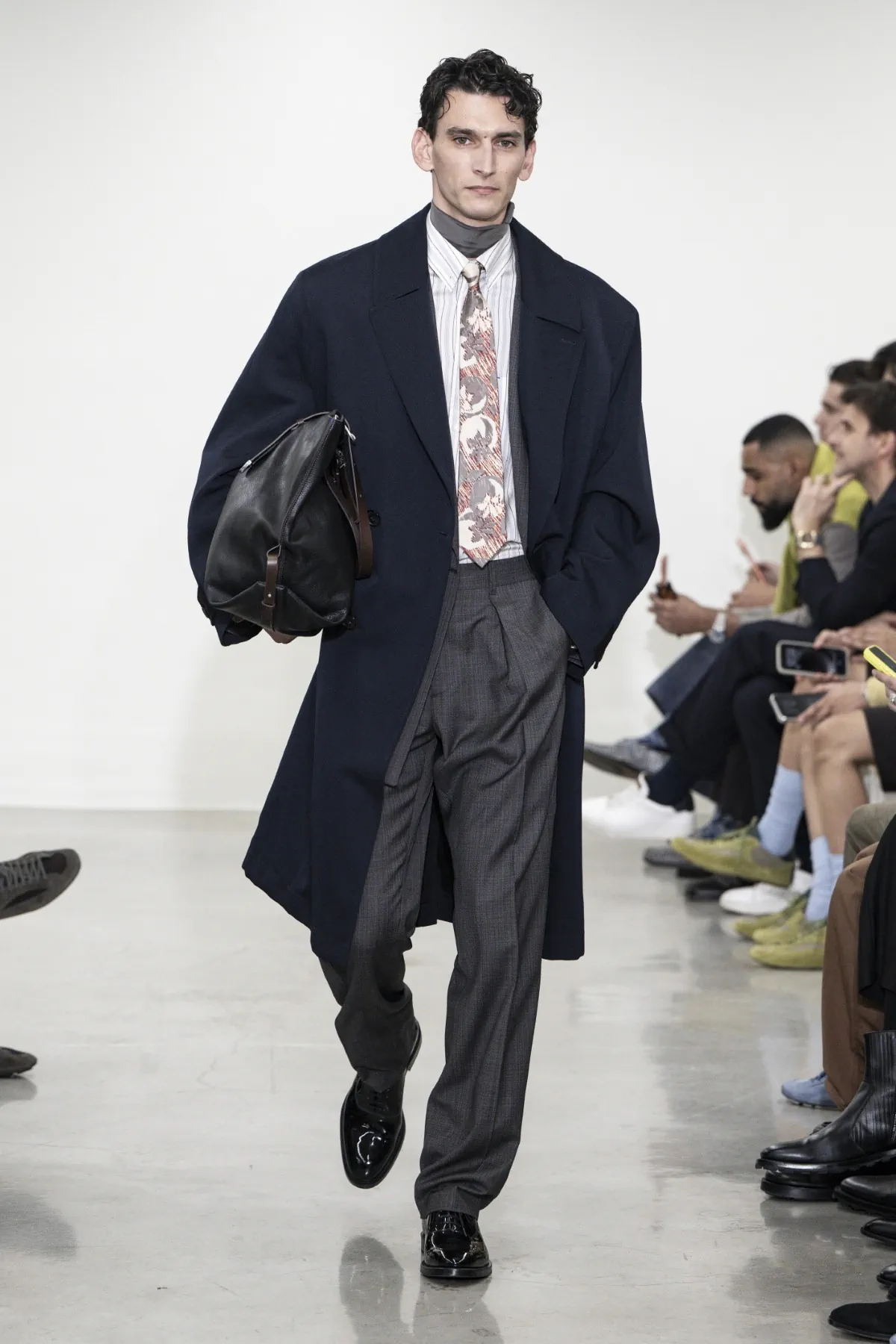
Donegal tweeds and herringbones formed the material foundation of the collection, while lightweight macs with caped backs caught attention without demanding it. Harris tweed overcoats were finished smooth rather than prickly — a technical choice that made luxurious fabrics more wearable. Fair Isle patterns from the archive were reworked in wool alpaca and sometimes styled as oversized scarves rather than traditional knitwear.
Several shirts featured Colin Barnes illustrations, referencing Smith’s 1978 show when the artist sketched the collection because no photographers had been booked. Photographs from Smith’s father’s amateur archive were printed on fabric, adding another layer of personal history—echoing prints rooted in his father’s photography. Hunting jackets in dark Donegal tweed featured map pockets at the hip – small details that prioritized function over decoration.
Creative independence as Paul Smith’s long-term advantage
Paul Smith has maintained control of his company for 55 years, an increasingly rare achievement. This independence allowed him to hire Cotton when the timing felt right, rather than when a corporate parent demanded change. The salon presentation unfolded on tightly spaced wooden benches printed with images of forgotten eyeglasses, spilled coins, and scissors. This playful approach extended to a mural by Barnes that greeted guests before the show.
Suede satchel totes from the 1980s were back, along with tie designs pulled from an archive substantial enough to outfit multiple advertising agencies. The accessories looked worn in rather than precious; the tumbled leather suggested years of use rather than showroom newness. Navy suits, white shirts, leather car coats, and Fair Isle sweaters rounded out the lineup – timeless pieces that looked correct again.