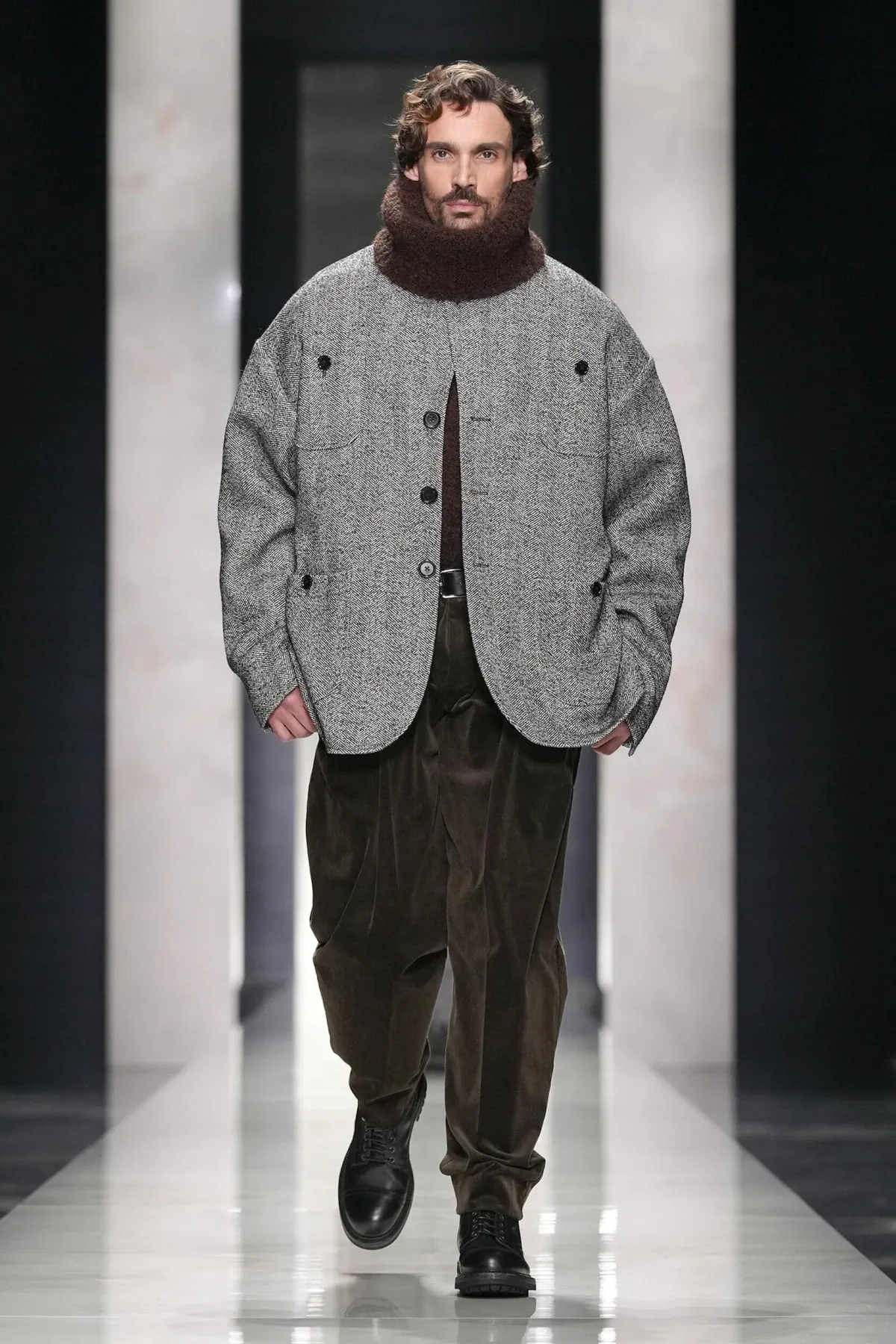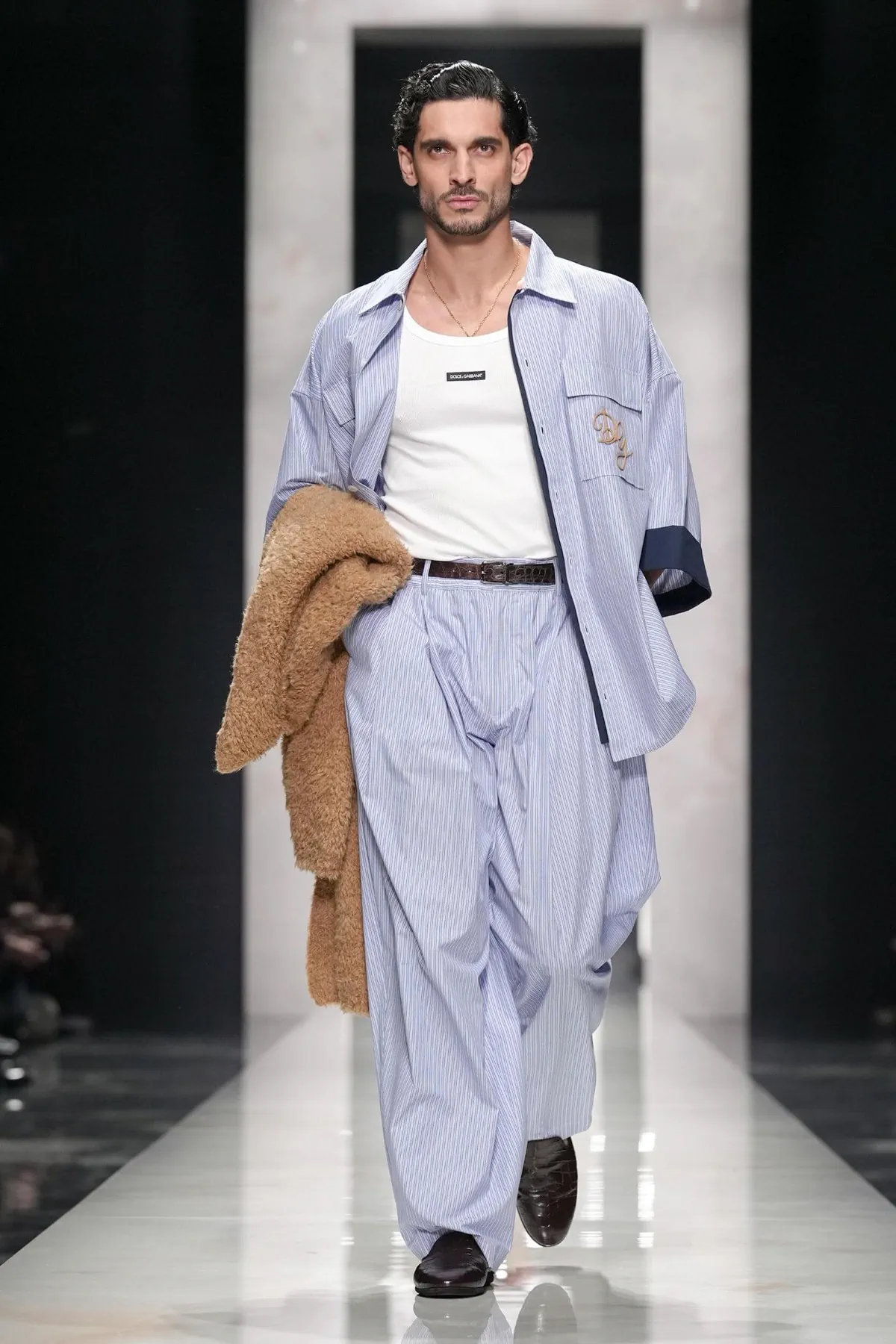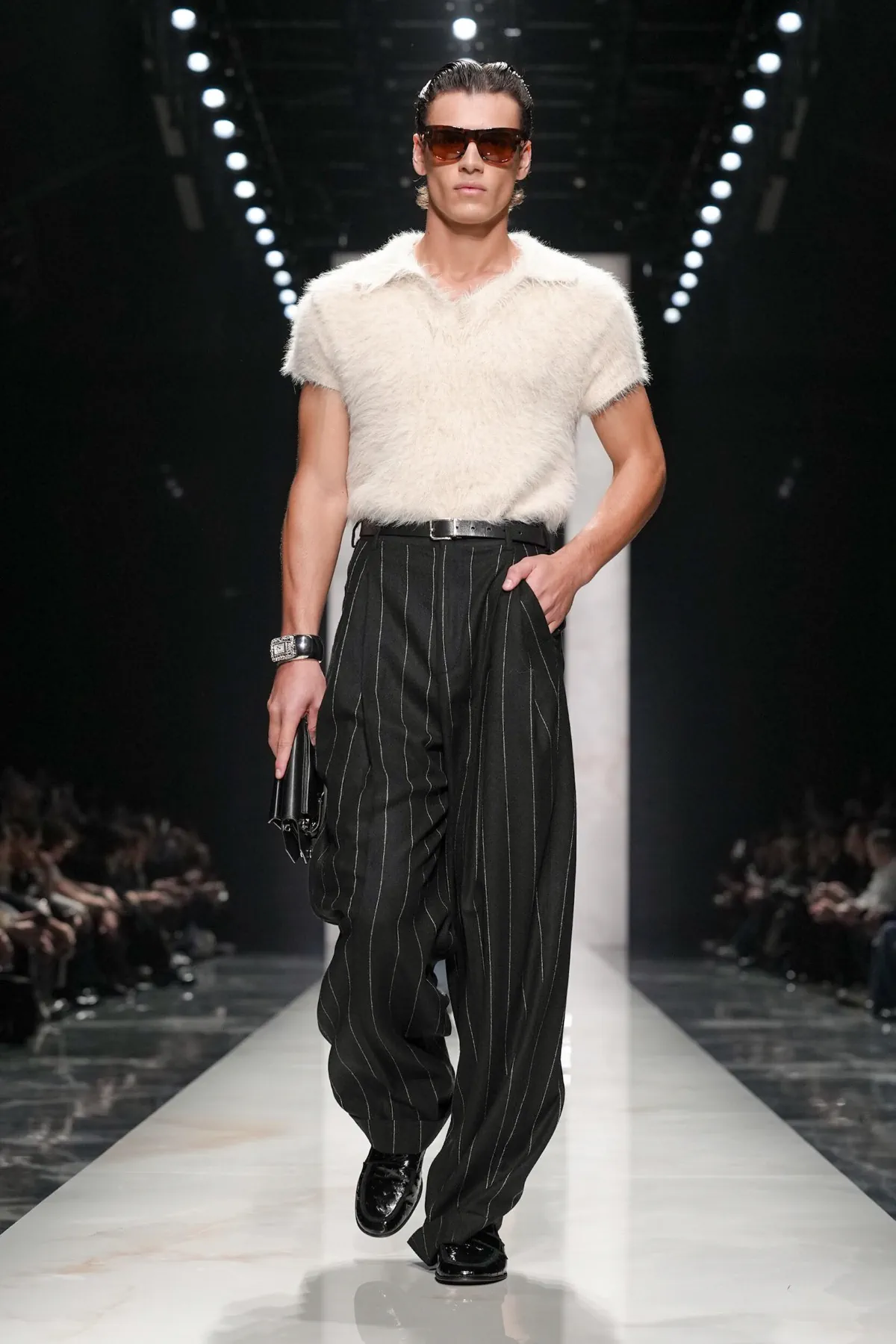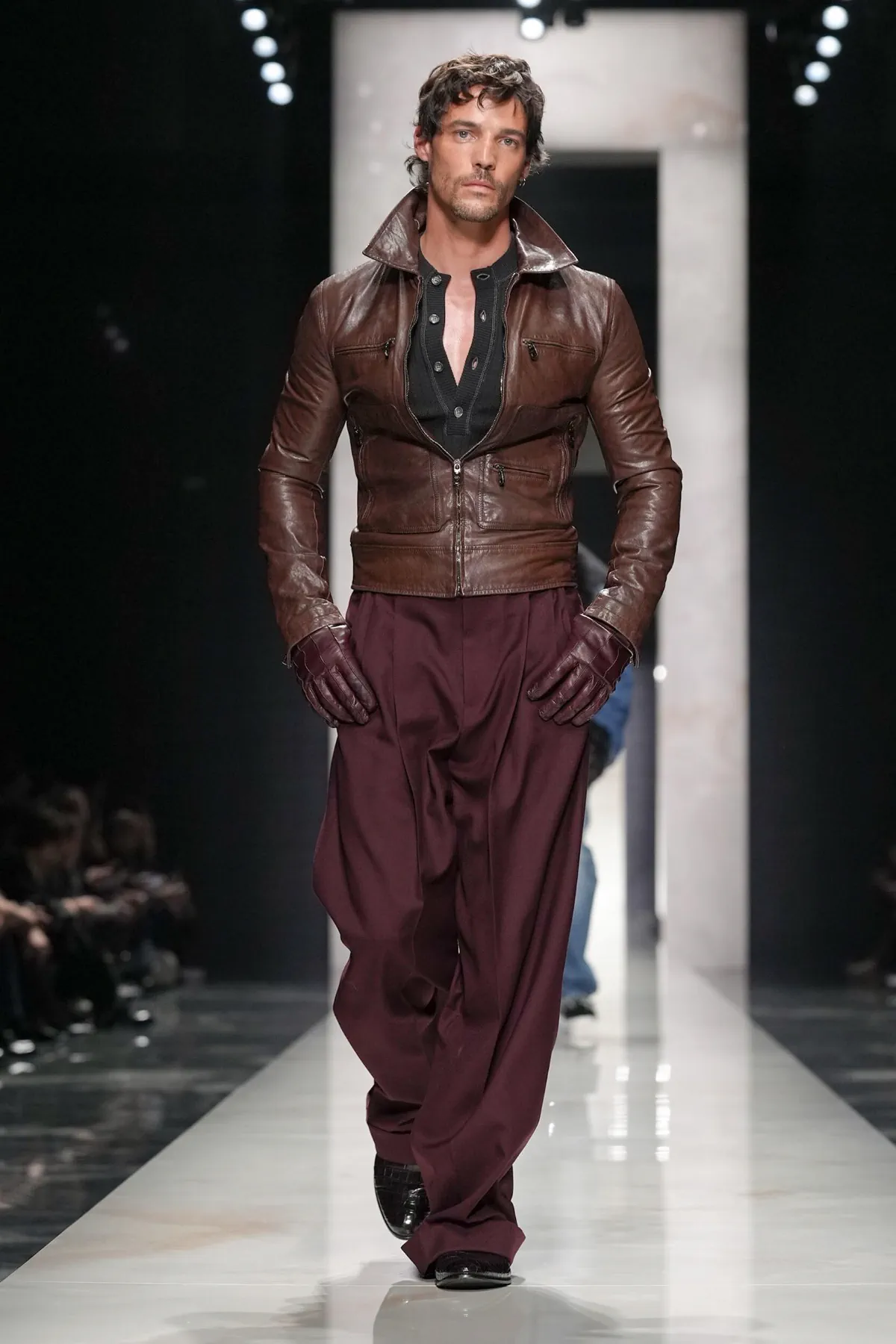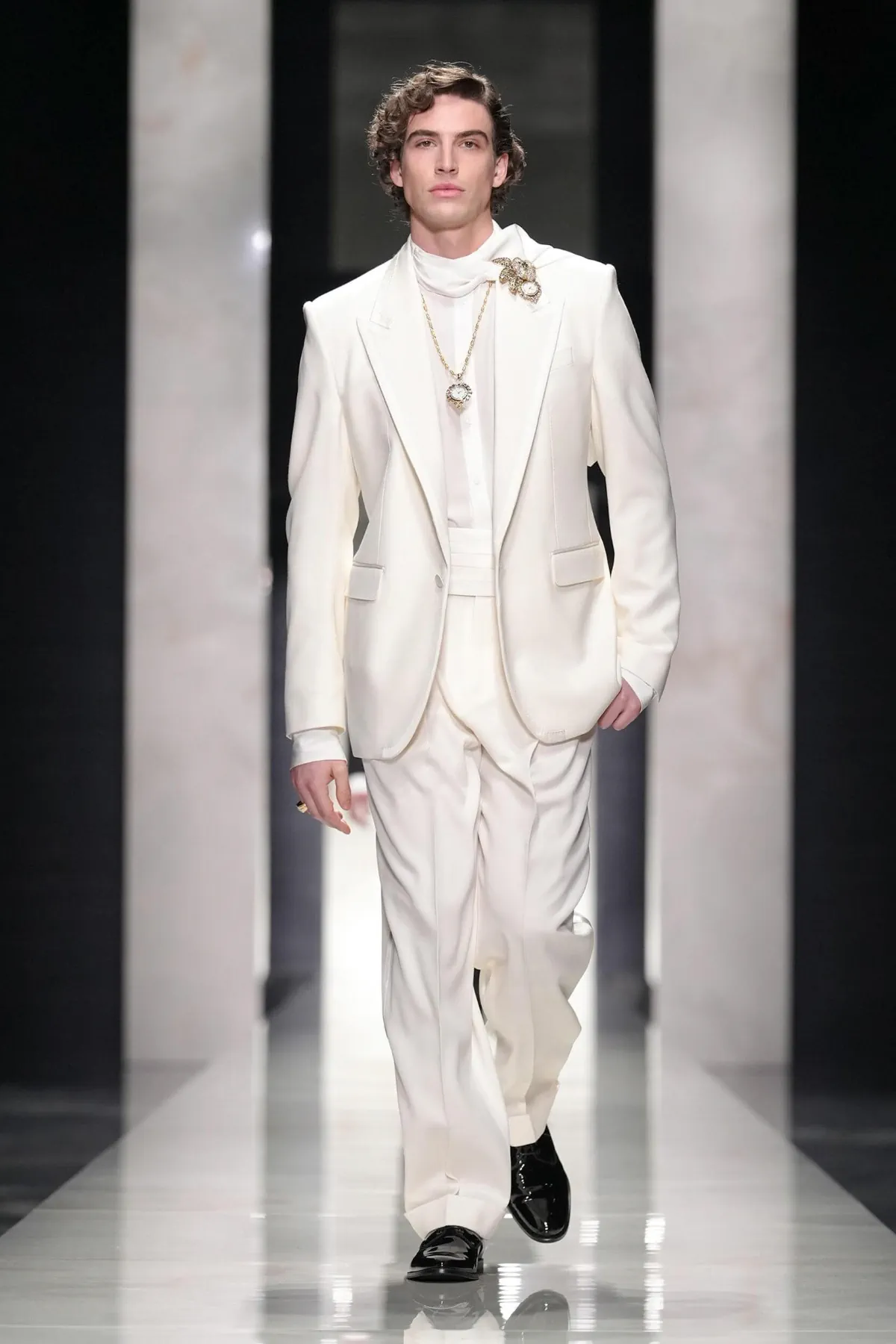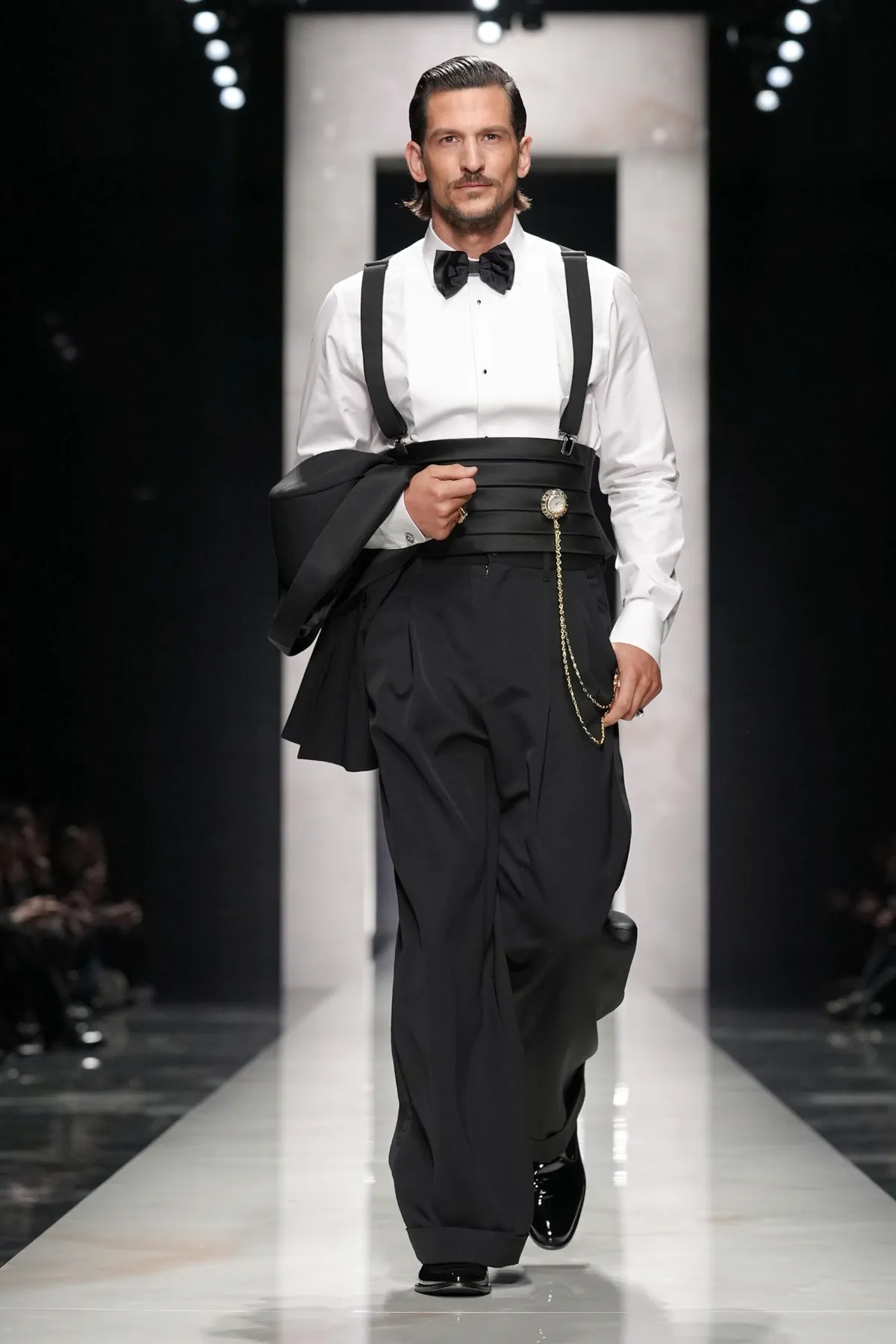

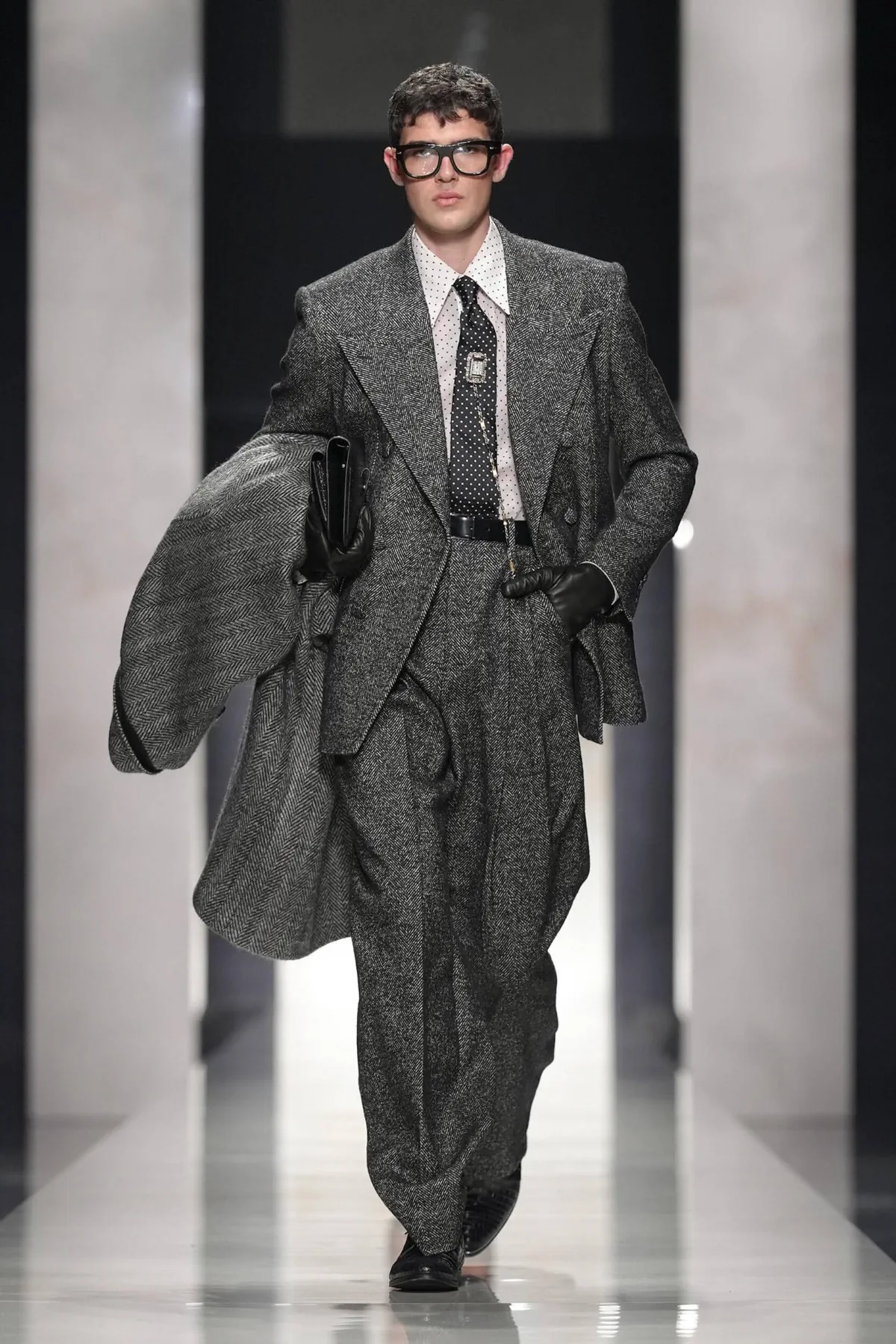
Last week, Stefano Dolce and Domenico Gabbana sent a pointed message down their Milan runway. Titled The Portrait of Man, the Dolce & Gabbana Fall 2026 collection arrived at a time when menswear seems caught between two extremes: sterile minimalism and logo-heavy excess. The Italian duo chose neither path. Instead, they offered a provocation: men may prefer clothing that reflects who they are rather than what algorithms suggest they should wear.
| 📌 Key Facts |
|---|
| 🎩 Collection Name: The Portrait of Man 🇮🇹 Brand: Dolce & Gabbana 📍 Location: Milan Fashion Week 📅 Season: Fall/Winter 2026 Menswear 🧵 Core Focus: Individuality through Italian tailoring 🖼️ Inspiration: Renaissance portraiture & brand archives 👔 Key Silhouettes: Soft-shouldered suits, high-waisted trousers, double-breasted coats 🧠 Main Message: Dressing for identity, not for algorithms |
Rejecting fashion uniformity in modern menswear
The designers framed their show around a simple observation about contemporary life. “There’s so much conformity in today’s society,” they noted before the models began walking. They weren’t wrong. Scroll through any city street or social media feed, and you’ll find men wearing variations of the same thing: oversized hoodies, tapered joggers, and chunky sneakers. Dolce & Gabbana proposed an alternative.
Their runway became a gallery of archetypes: the introspective intellectual, the Mediterranean sensualist, and the visionary entrepreneur. Yet these weren’t costumes or caricatures. The designers understand that men are complex individuals. A venture capitalist might harbor romantic tendencies. A creative director might crave structure. The collection acknowledged these contradictions.
Italian tailoring reimagined for contemporary men
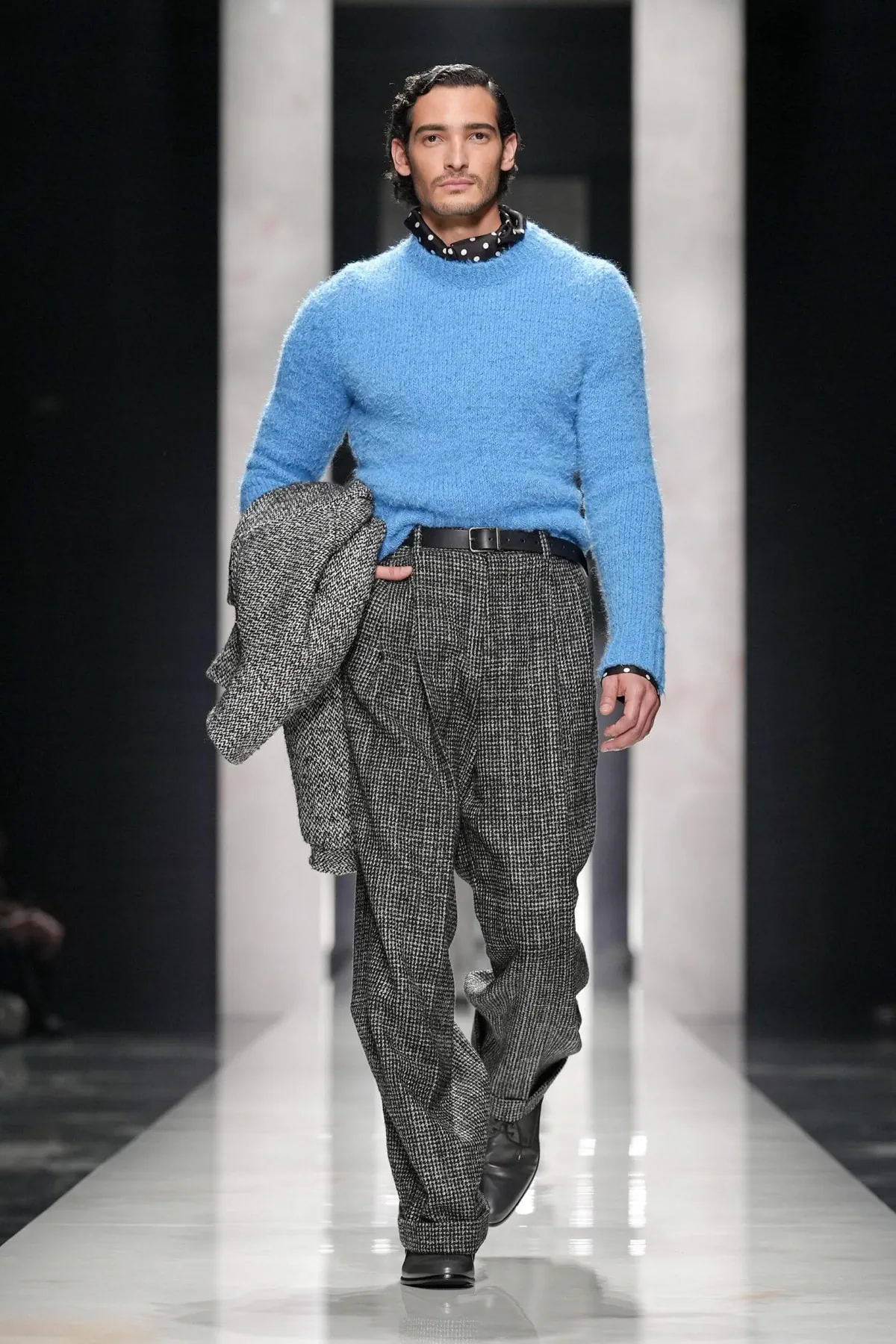
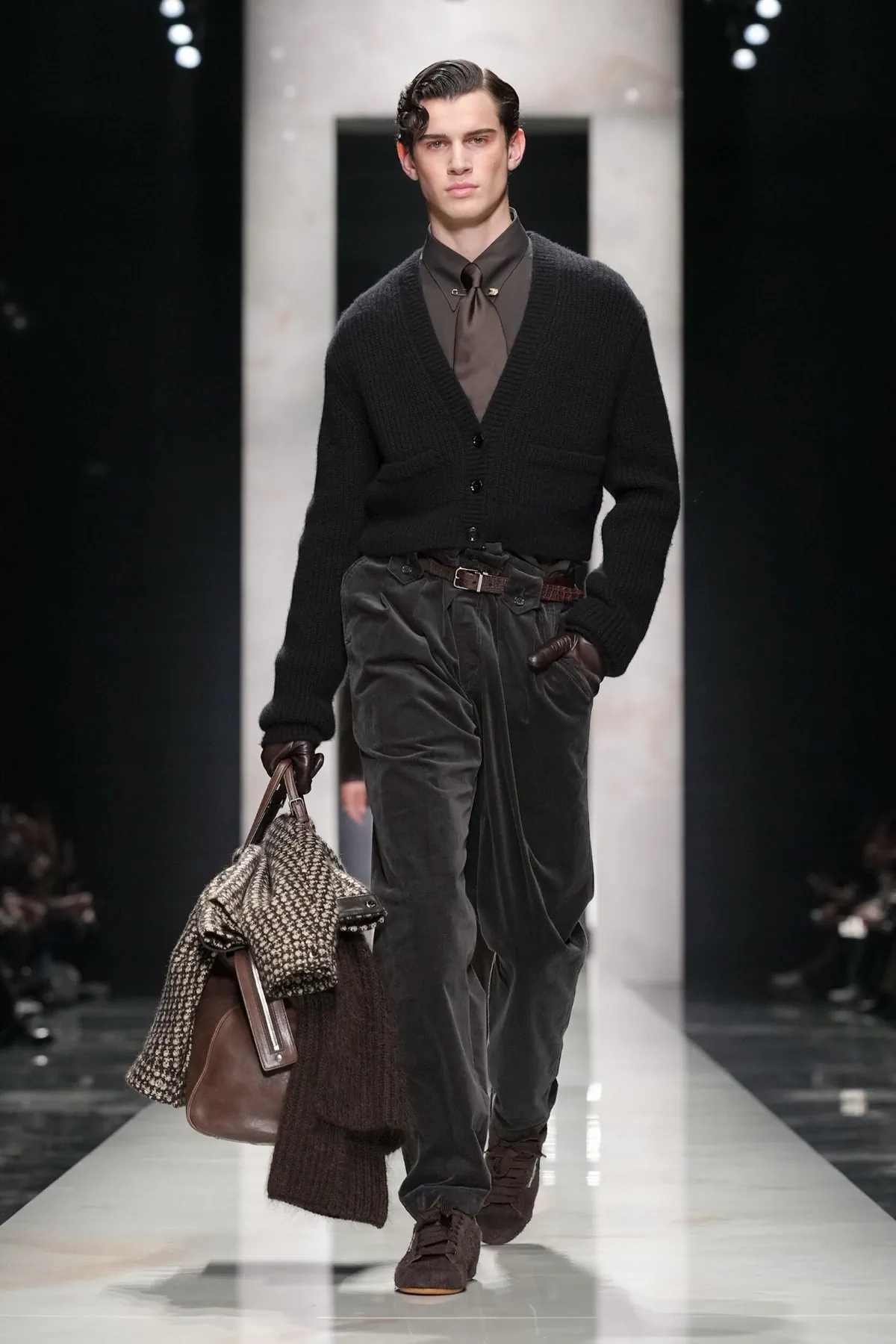
What set this show apart was the clothes themselves. Dolce & Gabbana have spent four decades mastering Italian tailoring, and that expertise anchored every look. Consider the salt-and-pepper wool suits with shoulders strong enough to command attention yet soft enough to allow movement. Or the double-breasted coats draped over slouchy, high-waisted trousers. This silhouette was borrowed from the 1940s, but updated for men who don’t want to feel constrained by vintage nostalgia.
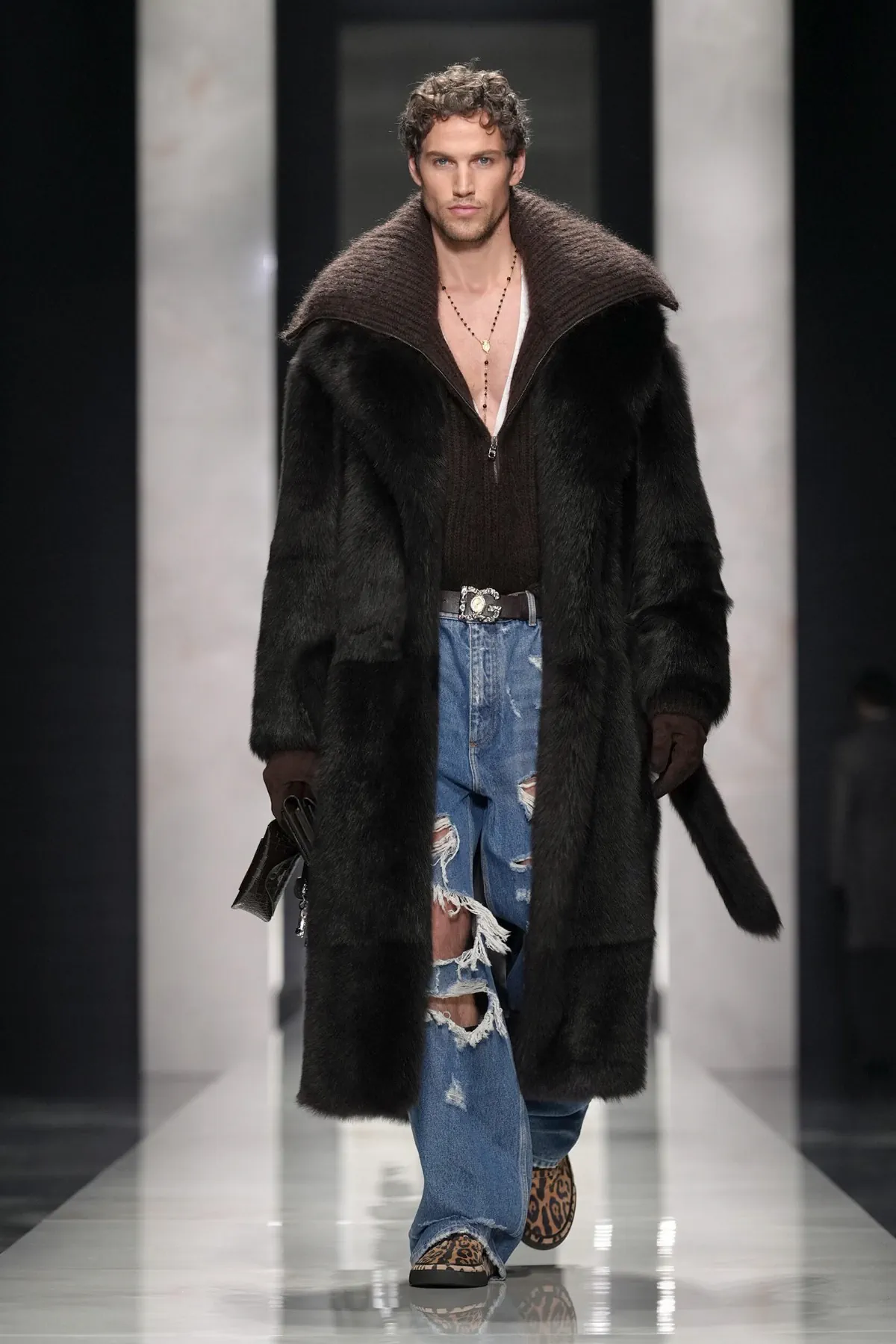
The designers pulled from their archives without simply reheating old ideas, a strategy already visible in earlier collections like Spring/Summer 2025. Faux-fur trench coats made an entrance rather than providing warmth. A black velvet robe de chambre suggested that the wearer might be the kind of man who reads poetry before breakfast. Biker jackets were layered over precisely distressed denim – the kind of calculated roughness that requires more thought than throwing on sweatpants.
Renaissance-inspired lighting gave the presentation an almost painterly quality, casting shadows that emphasized fabric textures and construction details. Velvet caught the light differently than wool. Silk moved differently than brocade. These weren’t accidental choices. The designers wanted you to notice.
Follow all the latest news from Fashionotography on Flipboard, or receive it directly in your inbox with Feeder.
You might also read
Why individual style is a risk – and a strategy – in luxury fashion
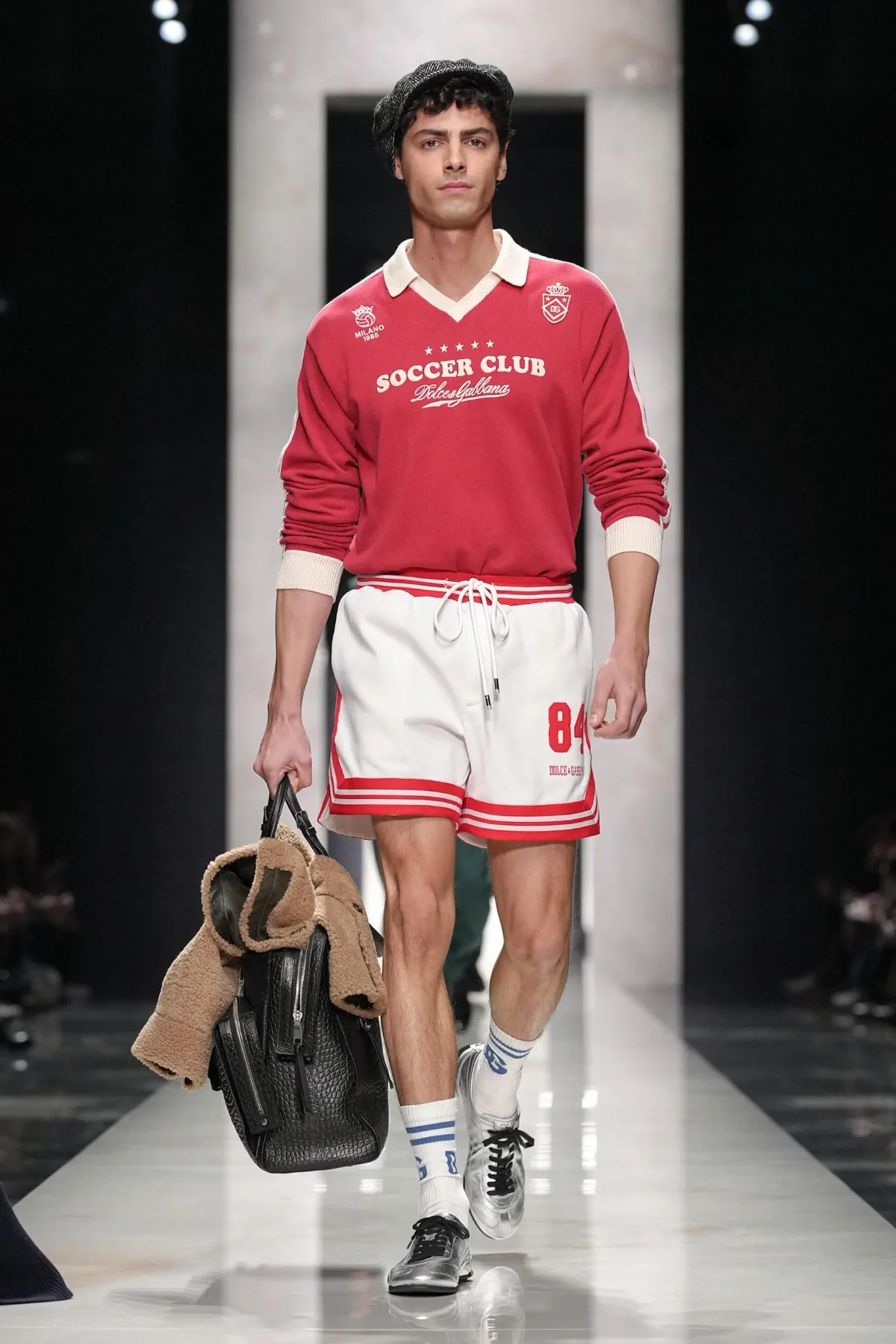
Dolce & Gabbana’s approach carries commercial risk. Fashion operates on trends because they are easier to manufacture and market, a logic the house had already challenged with a looser, more irreverent vision in its previous Fall/Winter 2025 show. Individuality is messier. It requires men to make their own choices instead of following influencers. It requires retailers to stock diverse inventories instead of betting heavily on a single silhouette.
Yet, over the past decade, the designers have watched fashion fragment. “There are no trends in today’s fashion,” they said. “Everything is so fragmented.” They remember launching their D&G diffusion line in the 1990s and spending hours studying how real people dressed on New York streets. This anthropological approach still informs their work.
In the front row were actor Lucien Laviscount, singer Benson Boone, and brand ambassador Jung Haein – men whose public images depend on differentiation rather than sameness. Their presence suggested that the collection might appeal to those who are tired of looking like everyone else.
Stefano and Domenico closed the show in dark tuxedos cinched by cummerbunds that almost functioned like corsets. The look was unapologetically theatrical – the kind of outfit that requires confidence to pull off. Which might be the point. Dolce & Gabbana weren’t selling clothes so much as they were selling permission to dress, think, and be differently. Whether enough men want that permission remains an open question.