


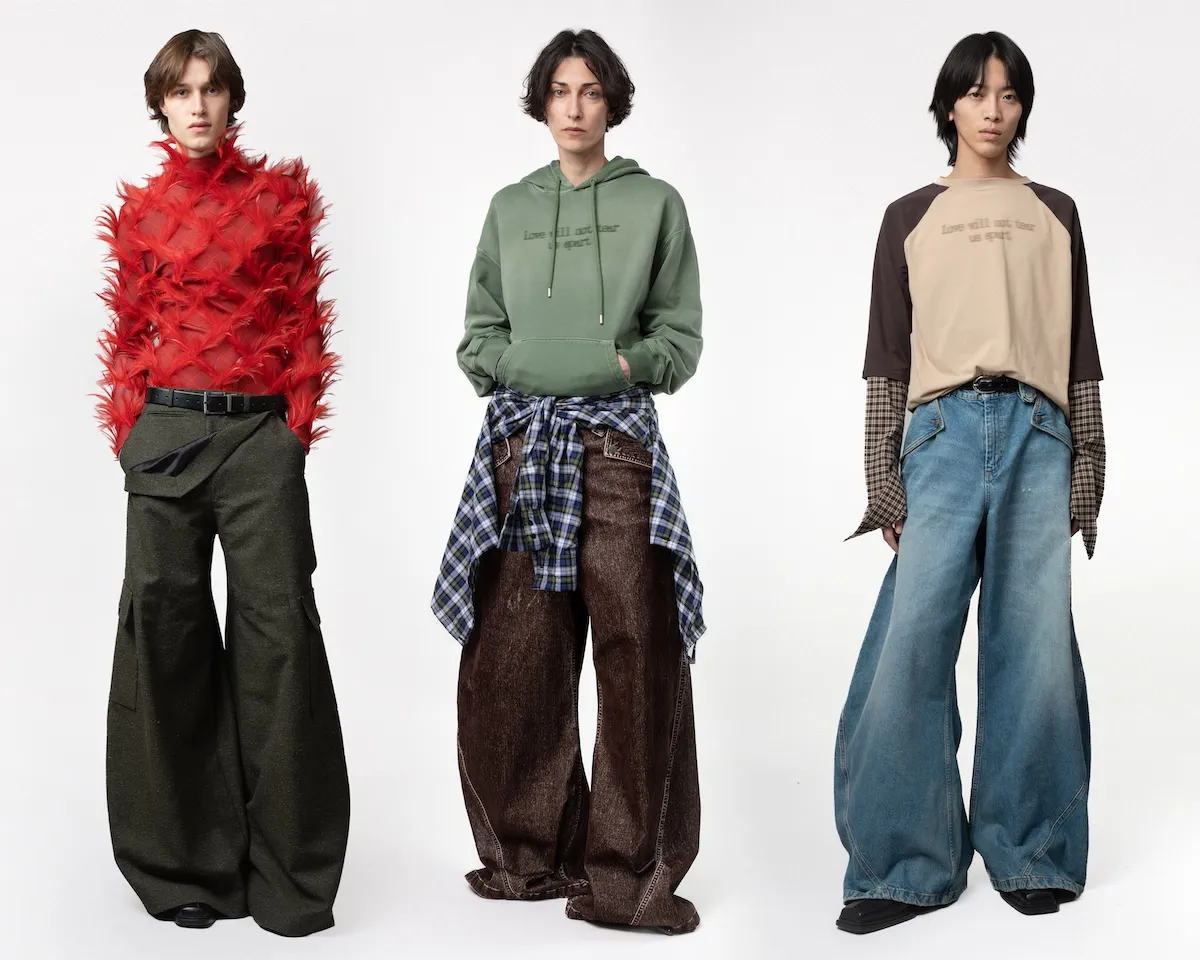
Parisian runways often serve as a mirror for society, but rarely do they reflect our digital anxieties with such literal precision. On a cold January evening at the Palais de Tokyo, the fashion crowd witnessed the collision of two worlds that usually only intersect on smartphone screens. Tinder and EGONlab came together for a capsule collection titled “LOVE WILL NOT TEAR US APART,” challenging the cynical view of modern romance. This collaboration coincides with Paris Fashion Week Men’s Fall/Winter 26 and marks a significant departure from typical branding strategies involving the mere placement of logos on cotton. This partnership feels less like a marketing stunt and more like a sociopolitical inquiry into how we connect in an era defined by algorithmic matchmaking.
| 📌 Key Facts |
|---|
| ❤️ Collaboration: Tinder x EGONLAB unveiled during Paris Fashion Week Men FW26/27 🧵 Concept: Fashion as a narrative of self-love, vulnerability and rebirth 💍 Signature Piece: A heart-shaped ring symbolizing commitment to oneself 🕊️ Couture Highlight: Feather-crafted garment by Maison Février 🏳️🌈 Social Impact: 30% of sales donated to Safe Place 📱 Cultural Shift: Dating apps positioned as sociopolitical actors |
A fashion manifesto for outsiders and radical inclusivity
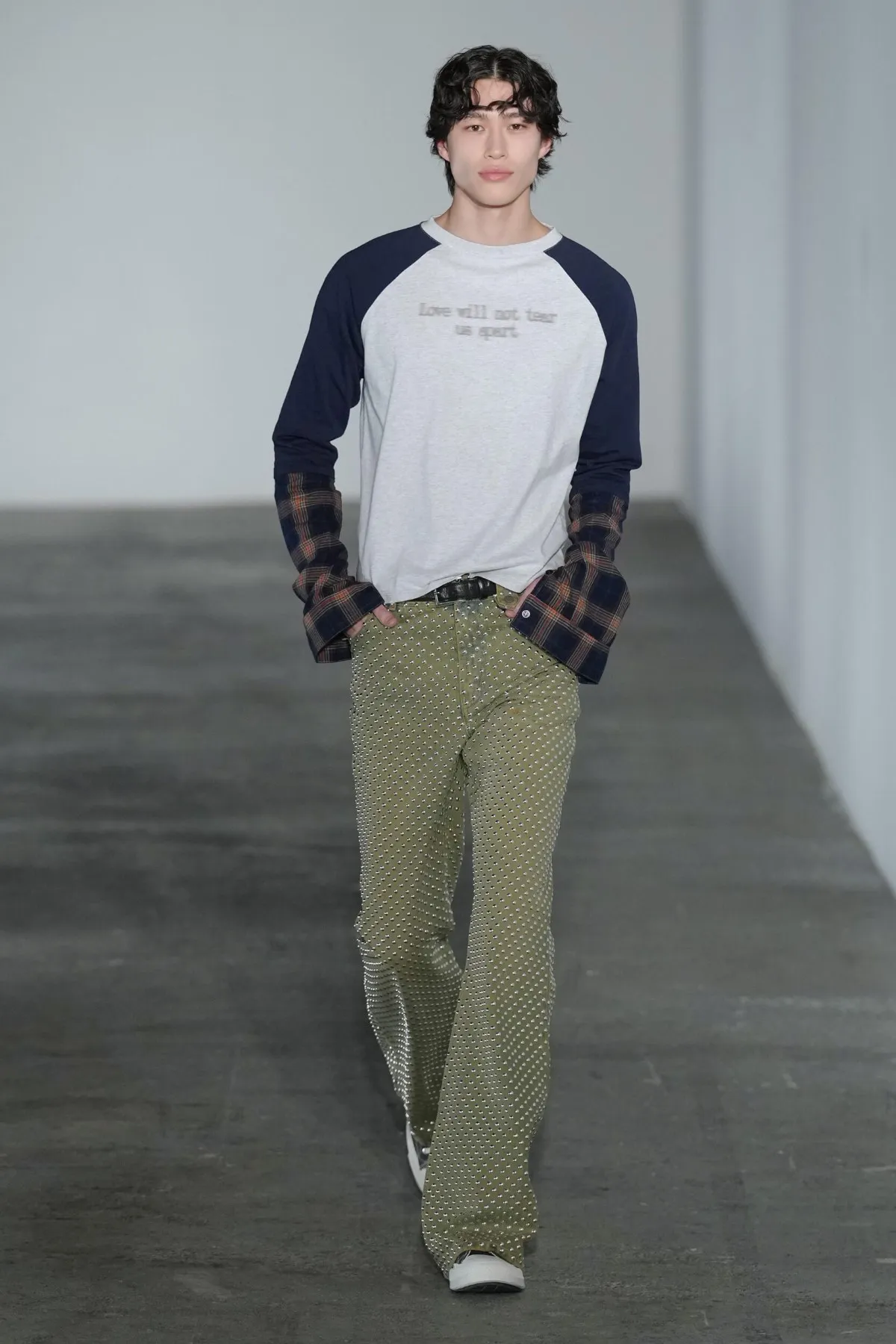
Florentin Glémarec and Kévin Nompeix, the creative minds behind EGONlab, have always used their platform to champion the outsider. Their decision to partner with the world’s most ubiquitous dating app may seem counterintuitive to purists who view high fashion as an exclusive realm. Yet, the project aligns perfectly with their ethos of urban-punk tailoring and radical inclusivity. The designers constructed a collection that functions as a psychic map of a relationship, tracing the path from isolation to self-acceptance. They presented four distinct pieces that serve as artifacts of this emotional journey, not mere commodities.
The collection opens with hybrid T-shirts that channel a grunge aesthetic to visualize the concept of being on the fringe. These garments engage with the idea of the “liminal space,” which is the place where identity is still forming and is often painful to inhabit. Next are hoodies that act as protective armor against a world that often demands conformity. This progression suggests that, before finding a partner on an app like Tinder, one must first endure the grueling process of finding oneself.
Follow all the latest news from Fashionotography on Flipboard, or receive it directly in your inbox with Feeder.
You might also read

Designing intimacy: fashion, psychology and self-love
The most compelling piece in this collection is not a garment, but a piece of jewelry. The heart-shaped ring is designed to symbolize an alliance or promise made to oneself. It creates a tangible symbol for the reconciliation between mind and body. The ring argues that the fractured self must be made whole before it can engage with another. It elevates the conversation beyond the simple mechanics of swiping right, entering the territory of psychological wellness.
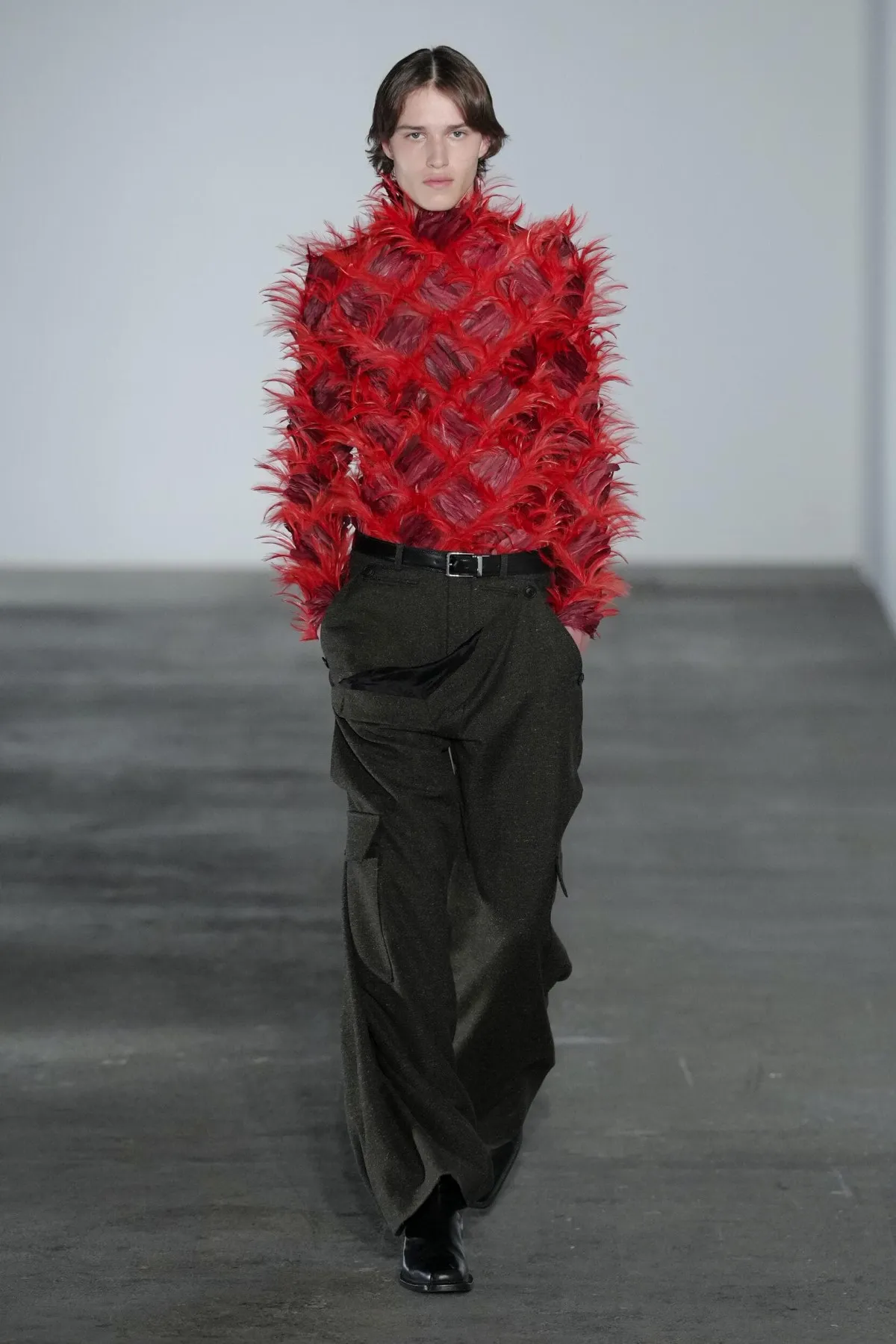
The culmination of this narrative is a couture piece crafted by Maison Février. Constructed from hand-assembled feathers in a tartan pattern, the garment suggests a kind of resurrection. The garment transforms the wearer into something celestial, offering an image of someone who has not only survived the trials of modern love, but has been elevated by them. This focus on elevation and rebirth ties directly into the broader “LAZARUS” collection, which explores the theme of creative rebirth.
When fashion becomes social and political action
The fashion industry often struggles to substantiate its claims of supporting social causes, but this project has built-in accountability. Thirty percent of sales from the capsule will go to Safe Place, an organization that fights against discrimination and violence targeting women and the LGBTQIA+ community. Safe Place fights against discrimination and violence targeting women and the LGBTQIA+ community. The funds will support their daily efforts to create spaces for dialogue and provide resources for victims of harassment.
Famous French influencer Lena Situations’s presence at the show amplified this message, bridging the gap between the insular world of high fashion and the broader digital public. Her presence underscored the fact that conversations about safety and inclusivity are urgent necessities for the younger generation, not academic theories.
How Tinder is redefining the meaning of brand collaboration
Since its inception in 2012, Tinder has facilitated over 97 billion matches. Its vast reach enables it to influence human interaction in ways once reserved for governments or religious institutions. By collaborating with a provocative brand like EGONlab, the tech giant acknowledges that its role extends beyond code and servers. The “LOVE WILL NOT TEAR US APART” tagline frames love as an act of resistance against domination and exclusion.
The collection refuses to be a mere celebration of romance. It acknowledges the fractures and pain inherent in vulnerability. Glémarec and Nompeix have managed to extract something raw and human from a corporate partnership. They have transformed a global tech brand into a patron of niche artistic expression. This venture proves that, even in a data-dominated landscape, our ability to feel, to hurt, and ultimately to heal remains the most powerful currency.