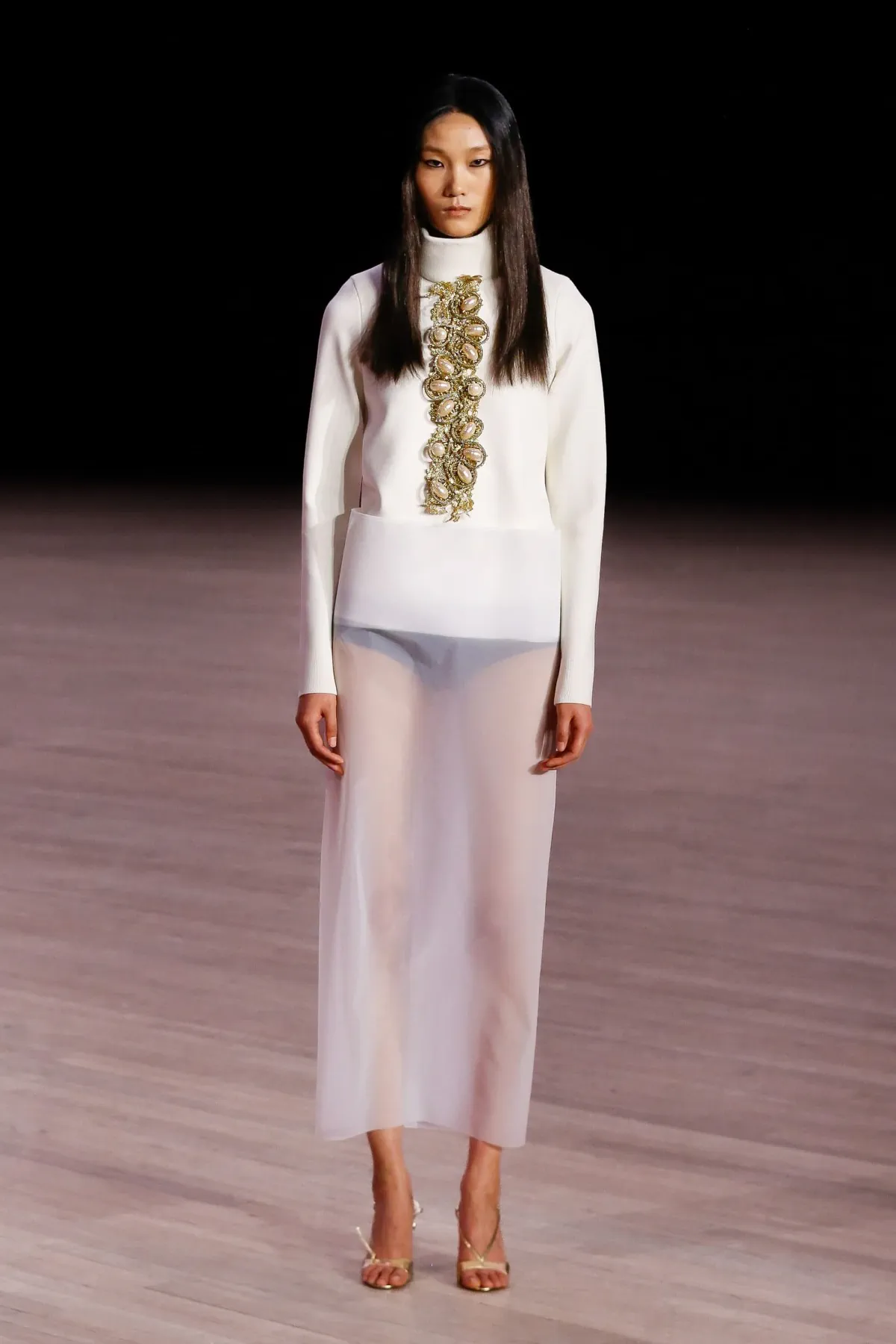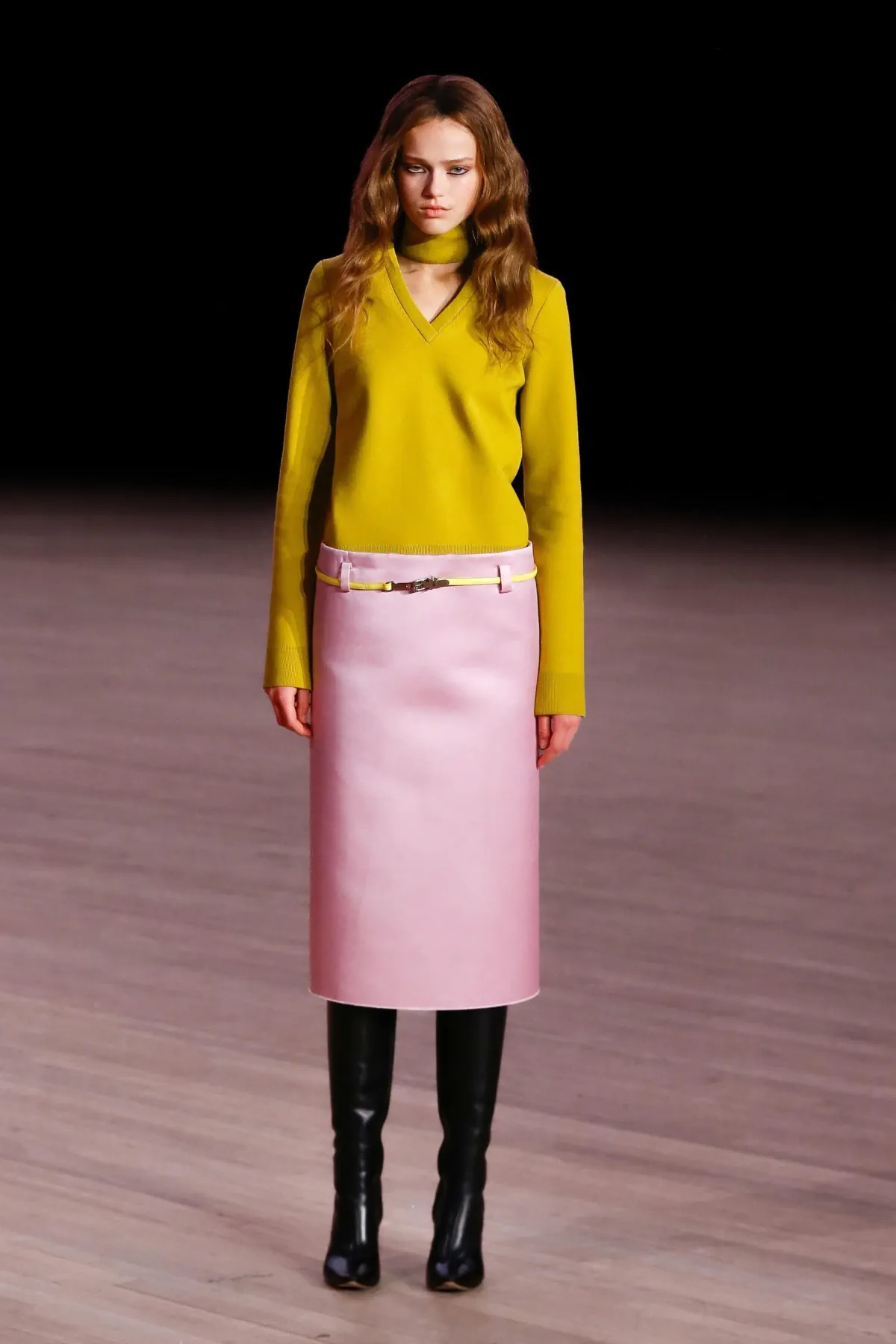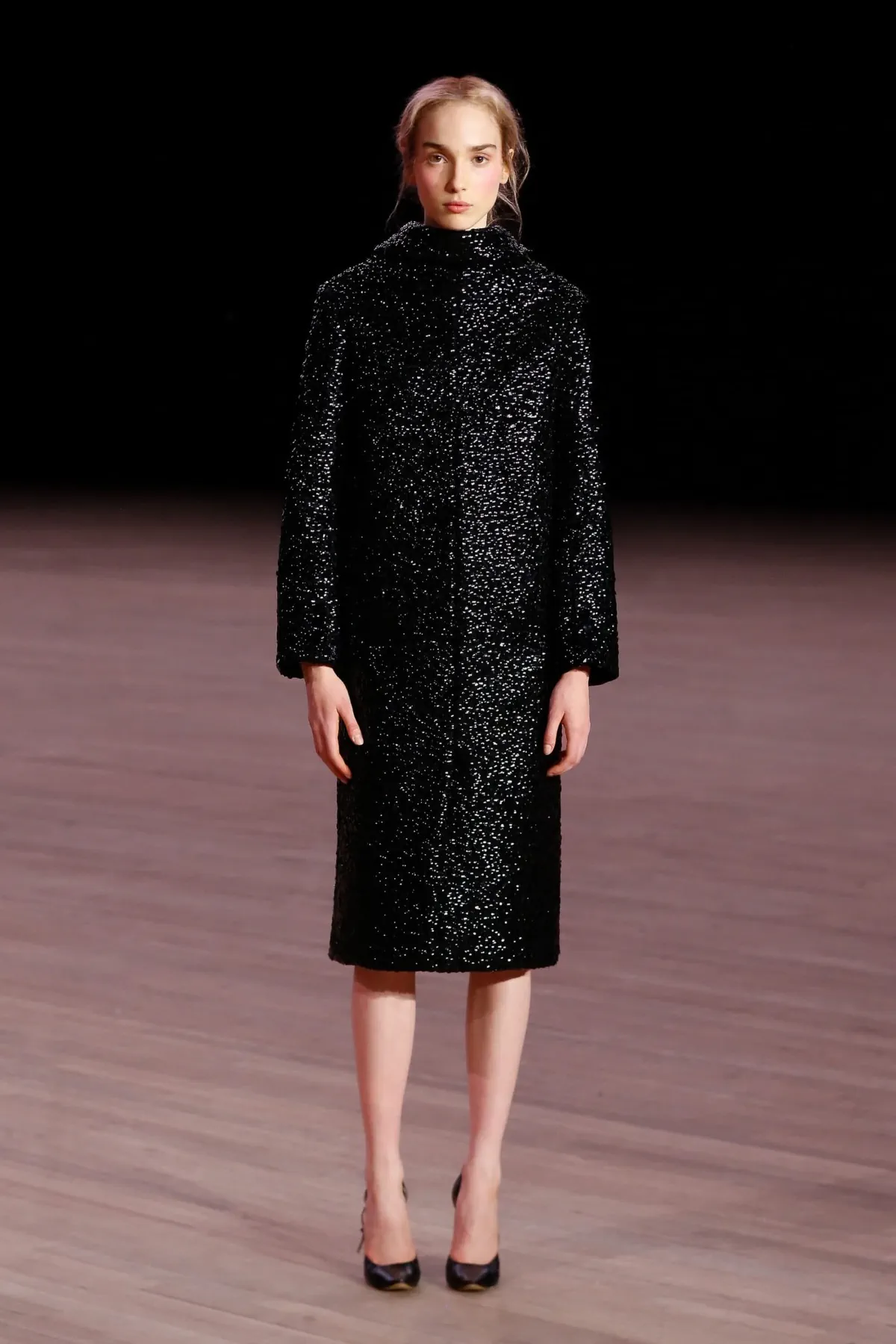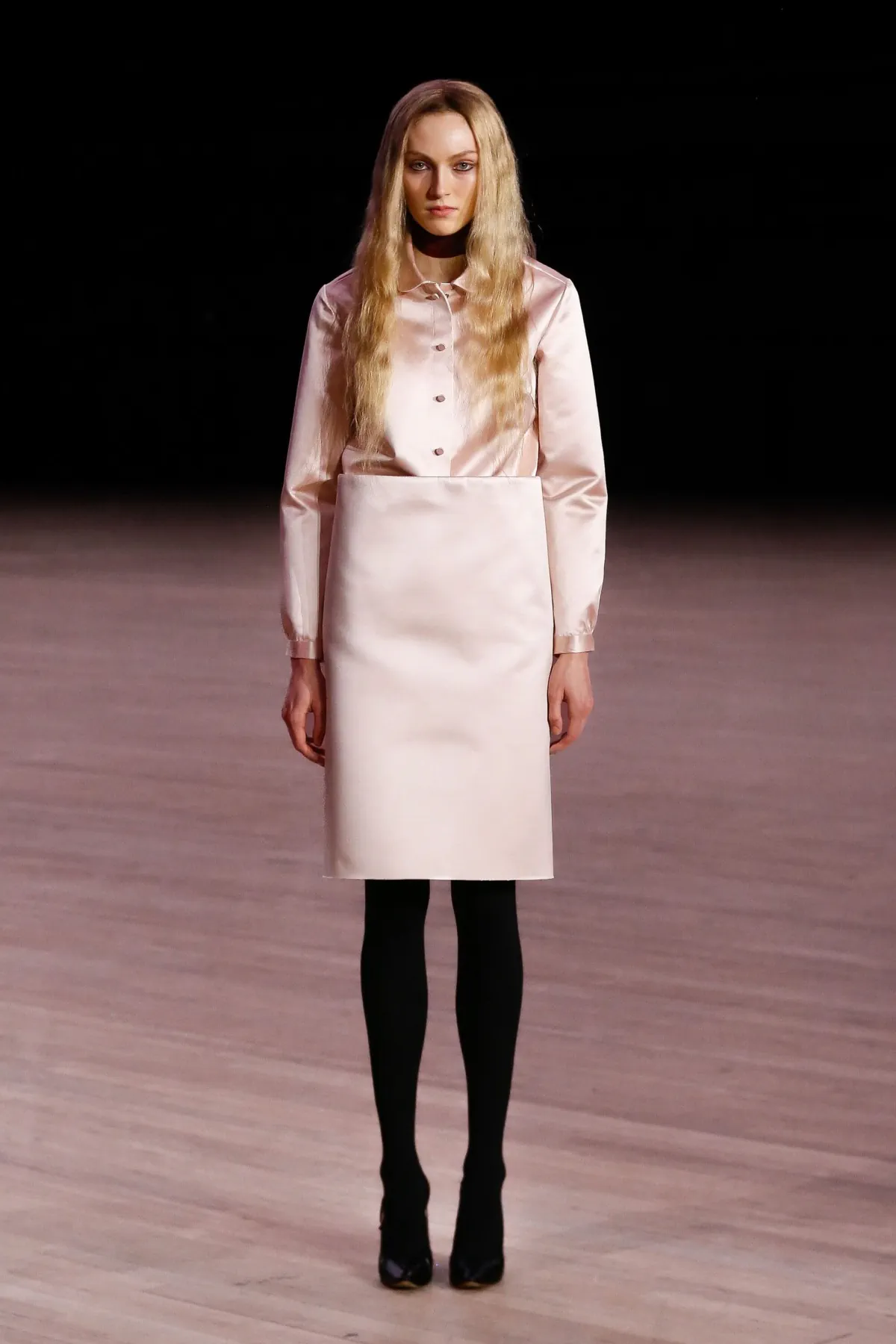

At the Park Avenue Armory, Marc Jacobs asked you to remember. His Spring 2026 collection arrived not with fanfare, but with restraint. The show notes read simply, “Memory. Loss.” The designer dedicated the presentation to his late friend, Louis, transforming what could have been another extravagant runway spectacle into something more measured, personal, and surprisingly relevant.
| 📌 Key Facts |
|---|
| 🗓️ Season: Spring 2026 📍 Location: Park Avenue Armory, New York 🎵 Soundtrack: Björk’s Jóga (1997) 🧵 Core Inspiration: 1990s minimalism (Prada, Helmut Lang, Calvin Klein) 📝 Show Notes Theme: “Memory. Loss.” 🏛️ Business Context: LVMH reportedly reinvesting after failed Authentic Brands talks 👗 Key Message: Return to wearable, commercially viable silhouettes 💼 Strategic Signal: Brand recalibration within the LVMH portfolio |
This return to the Armory after two years felt different. Gone were the oversized Therrien sculptures from Spring 2024. Instead, life-sized furniture anchored one corner of the vast space and was topped with a small Anna Weyant painting of a dissected daisy. You had to walk across the entire venue to see it properly. From the single row of audience chairs, the artwork appeared almost invisible. That distance seemed deliberate.
For the first time in his career, Jacobs included a “credits and receipts” page in his show notes. He cited Yves Saint Laurent couture from 1965; his controversial grunge Perry Ellis collection from spring 1993; Helmut Lang from the nineties; Miuccia Prada from spring 1996; and various Marc Jacobs and Marc by Marc Jacobs offerings spanning decades. Few designers dare to lay their influences so bare. Jacobs did it anyway. This transparency only amplified the power of the clothes that came down the runway.
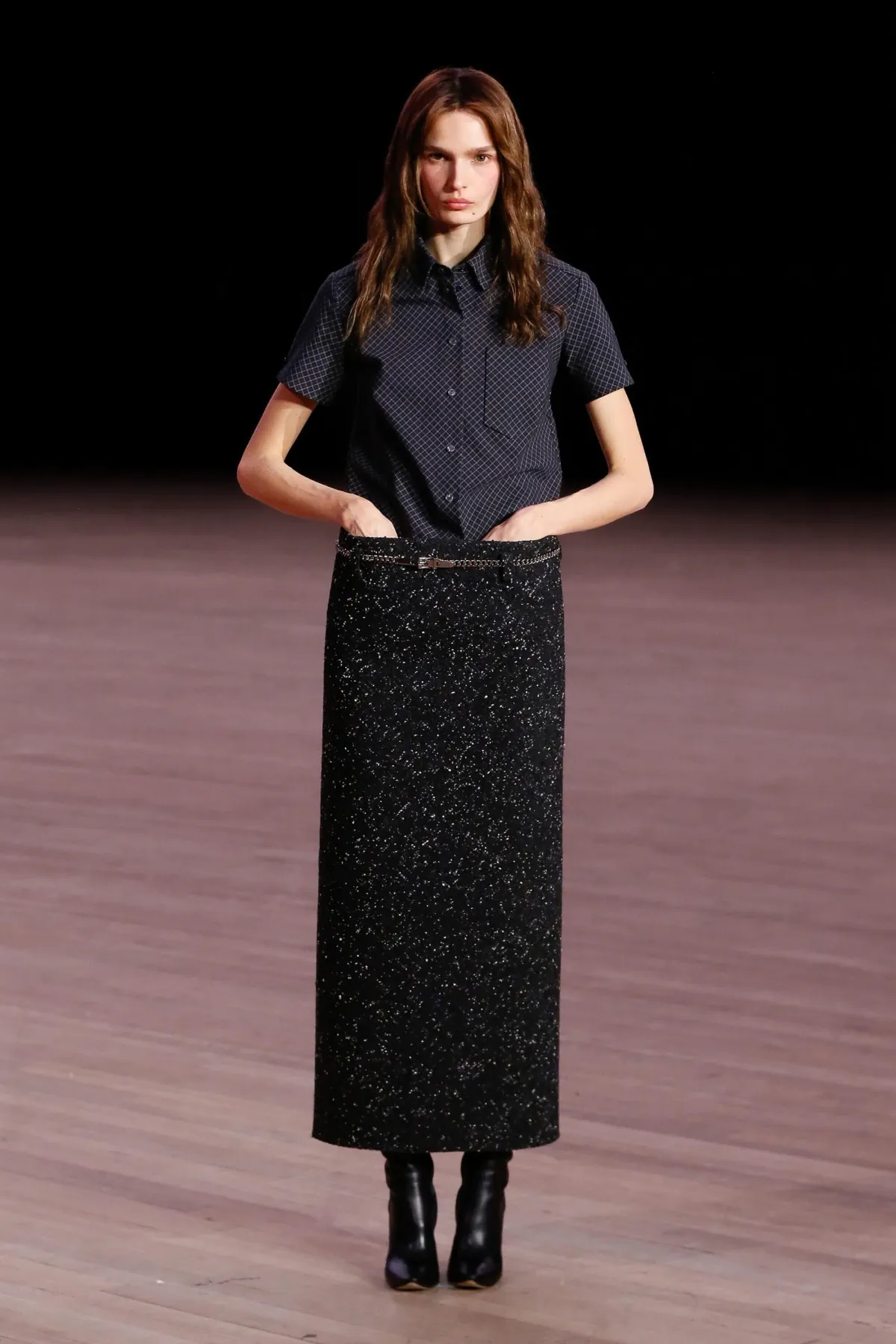
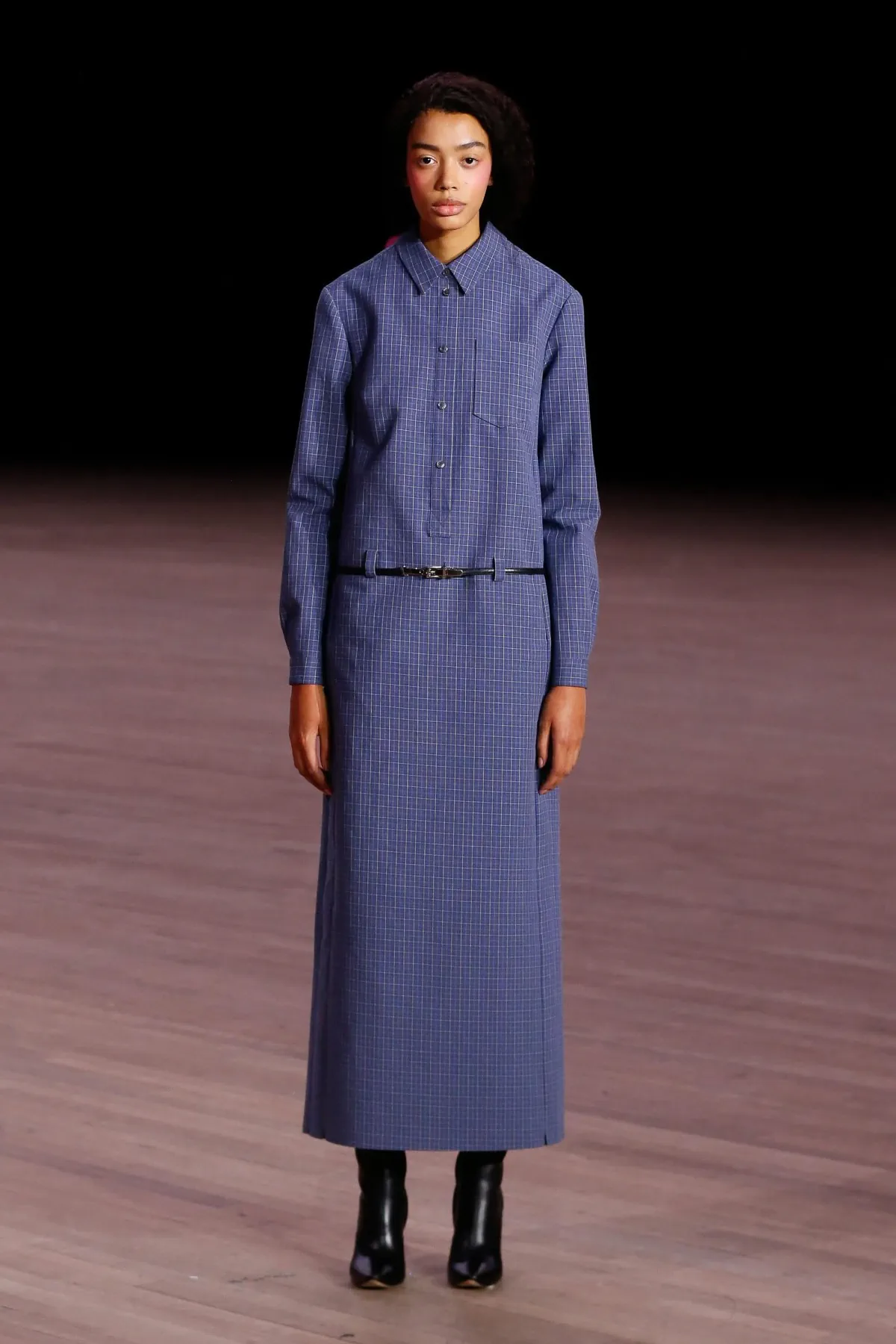
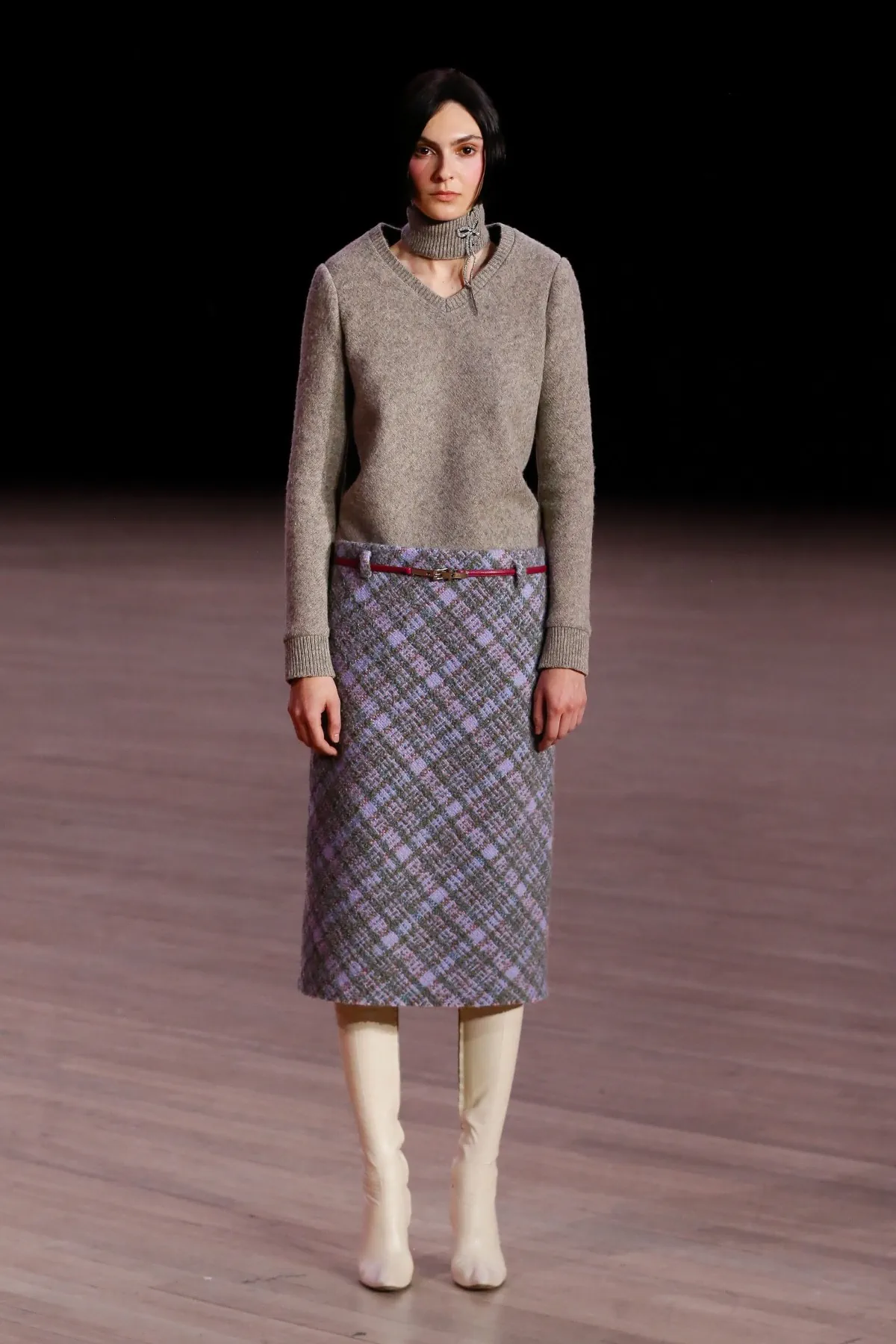
The clothes themselves read like a recalibration. V-neck knits paired with menswear checks and tweeds recalled Prada’s mid-1990s restraint, but Jacobs reworked the proportions. His ultra-straight, drop-waist skirts sat stiffly below the waist. The waistbands were loosened enough to slip your hands inside a straight skirt or hike a mini high above your hips. Coats appeared backward, with buttons marching up the spine. Jackets and shirts with frogging glittered with an almost artificial sheen.
These were not the exaggerated silhouettes that Jacobs has favored recently. After pausing during the pandemic, he returned to the runway with proportions inspired by Vivienne Westwood and Rei Kawakubo. This approach created striking images, but left little room for practical wear. After the show, designer Anna Sui summed up the shift perfectly: “Clothes we can wear.”
Follow all the latest news from Fashionotography on Flipboard, or receive it directly in your inbox with Feeder.
You may also read

LVMH executives Michael Burke and Sidney Toledano sat in the audience. Their presence carried weight. LVMH reportedly plans to reinvest in the Marc Jacobs brand after talks to sell to Authentic Brands Group collapsed last year. For now, Jacobs remains firmly within the LVMH stable. His timing proved impeccable.
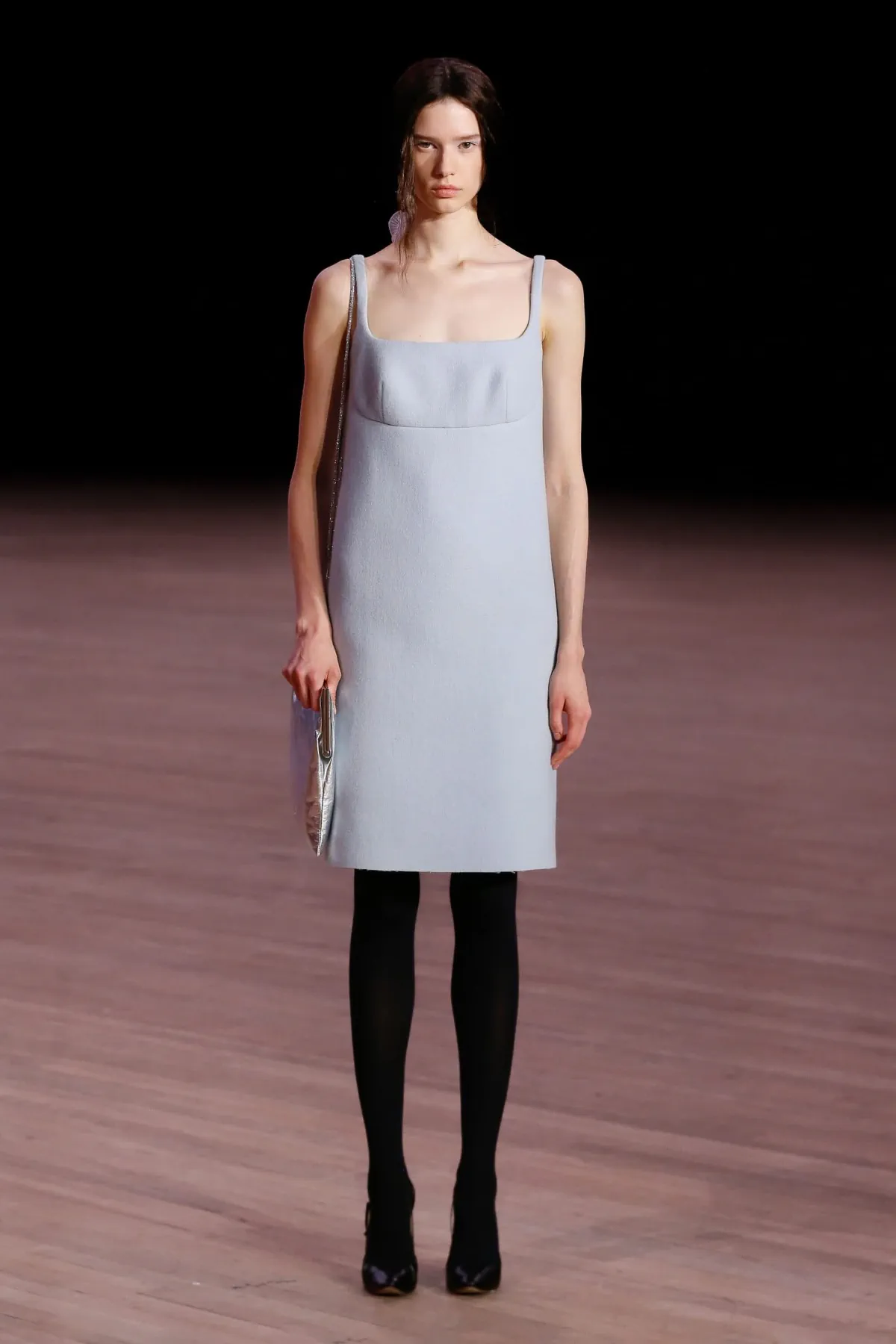
Nineties codes ran throughout the collection. Helmut Lang–esque minidresses appeared alongside Jacobs’s own archival skirt suits. Curly hair scrunchies and X-girl miniskirts were paired with shimmering, sequined tube tops. Ruffled blouses and sheer skirts offered bittersweet elegance. The designer clearly felt something when creating these pieces, yet the emotion never overwhelmed the wearability.
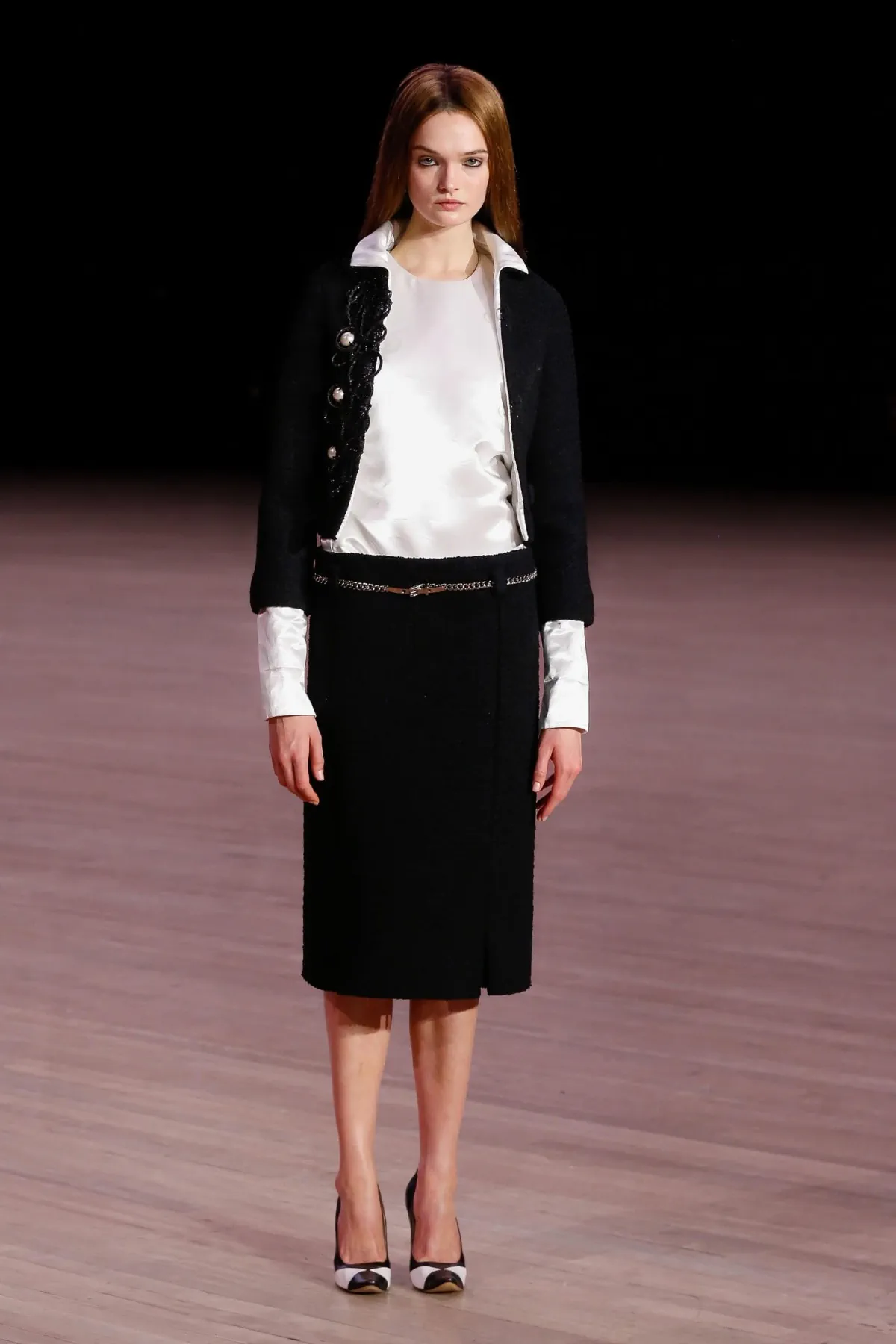
There is a generation that grew up with Jacobs but hasn’t shopped with him in five years or more. Those customers wore his V-necks, button-downs, and straight skirts like uniforms in the late ’90s. They adopted his prim little suits and shift dresses before the internet made nostalgia its primary currency. Fashion editors of that era understood what Jacobs offered. American sportswear elevated through precise proportions and unexpected details.
The nineties revival happening across culture right now might call those original pieces plain. Ryan Murphy’s upcoming series about JFK Jr. and Carolyn Bessette Kennedy will likely remind viewers why Calvin Klein’s minimalist style once dominated fashion. Jacobs recognized this moment and adjusted accordingly. He took familiar shapes and tweaked them just enough to feel current without losing their essential simplicity.
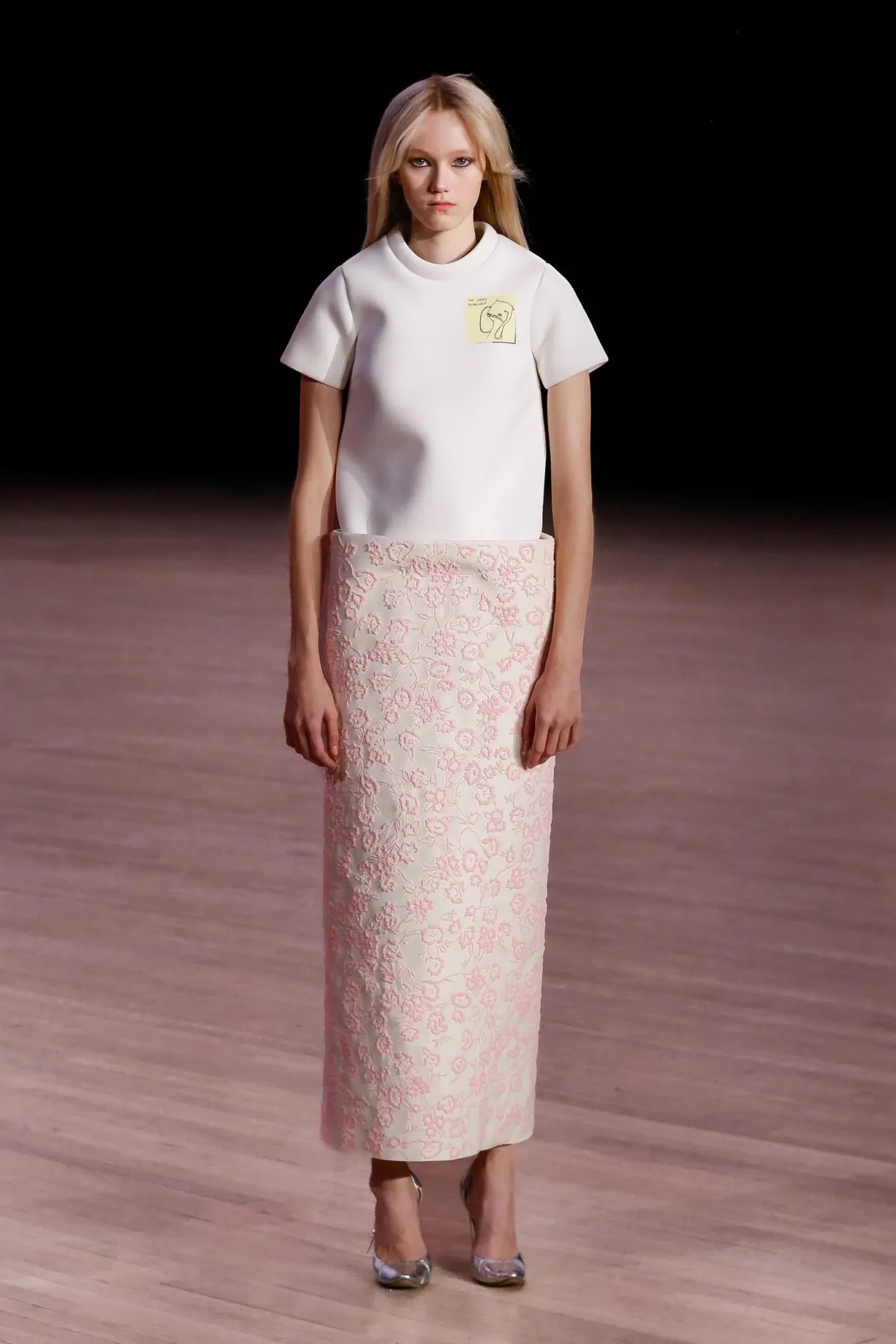
Björk’s “Jóga” played during the presentation. The song was released in 1997, the year that LVMH appointed Jacobs as the first Creative director of Louis Vuitton. This appointment marked a high point in his American sportswear era, before the internet changed how fashion operates. The music choice felt deliberate. Memories are interesting primarily to those who hold them, but they construct a life worth examining nonetheless.