


With the Pre-Fall 2026 collection, Maximilian Davis continues to recalibrate Ferragamo’s identity, choosing discipline over spectacle. Leather craftsmanship, nautical archives, and softened 1920s proportions converge in a collection that favors precision, functionality, and long-term relevance. Rather than chasing instant impact, Davis sharpens a quieter vision of modern luxury, one that values restraint as a creative strength.
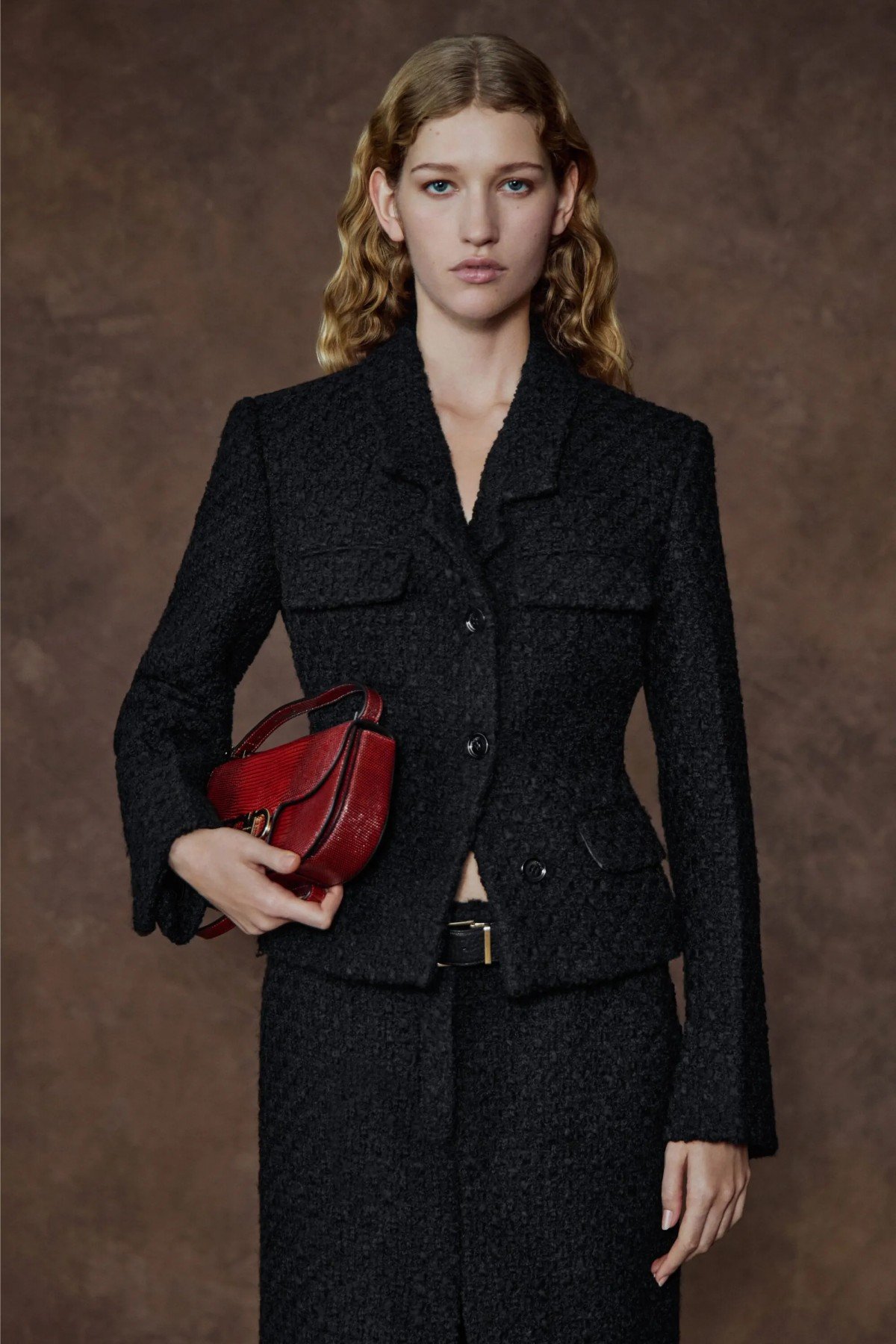
Davis has been at the helm of Ferragamo since 2022, and he’s still figuring out what the house means today. This collection suggests he’s getting closer. He opened with leather, a fitting choice for a brand built on craftsmanship. An early appearance was made by a deep burgundy reversible shearling jacket, followed by a fluid trench coat in the same saturated tone. These weren’t gimmicks. They were pieces that made you think about construction and quality rather than spectacle.
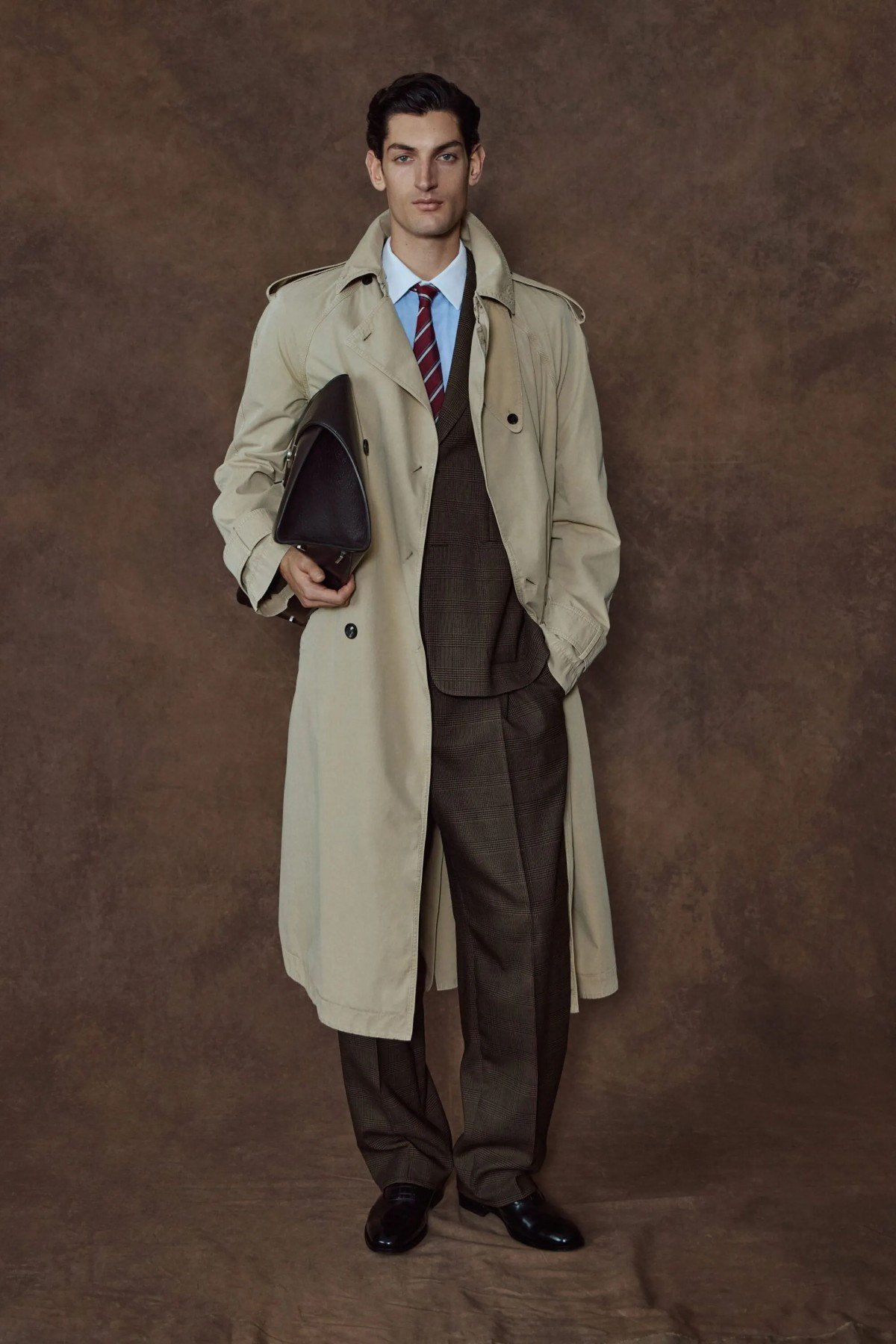
Davis pulled from the archives, specifically a nautical motif that he reworked without sentimentality. Sail-inspired prints appeared on silk skirts and scarf dresses. Maritime button placements adorned double-faced cashmere coats. Leather belts featured metal-edged eyelets and rope-like ties. The question was whether these references felt fresh or merely borrowed. Mostly, they worked. Davis avoided costume by keeping his silhouettes clean and his fabrics serious.
He also revisited 1920s proportions, a theme he had explored in earlier collections. High-waisted sailor pants in crisp cotton appeared alongside languid wool dresses with leather accents tied in knots. Wide, pleated trousers and low-slung, tube skirts spoke to different body types and moments. There was versatility here, though it required some effort to notice it.
Follow all the latest news from Fashionotography on Flipboard, or receive it directly in your inbox with Feeder.
You might also read

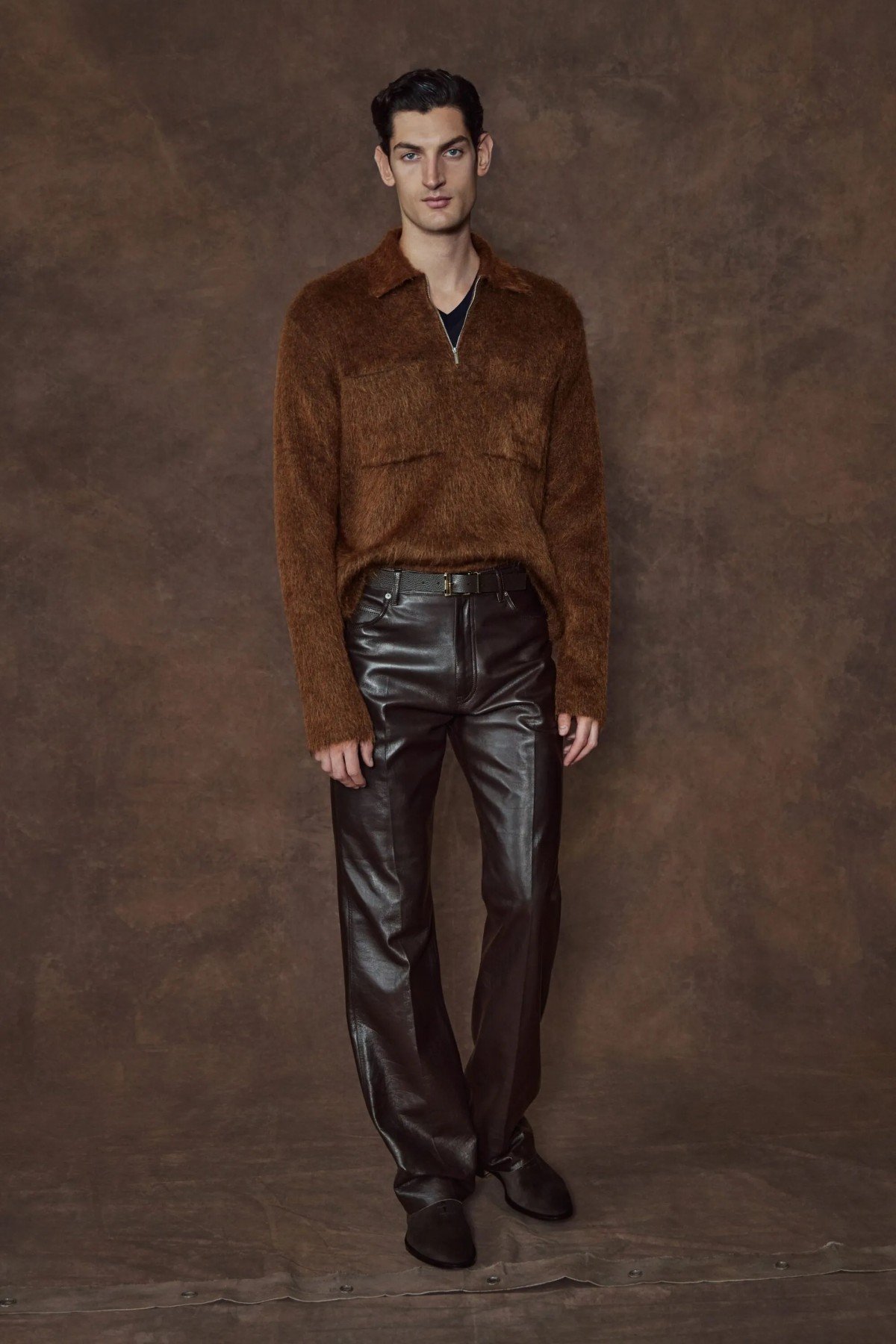
The knitwear offered some of the strongest pieces. Lightweight pieces marked by asymmetric stripes had real character. They felt modern without trying too hard. Davis also presented airy knitwear that evoked 1920s silhouettes without imitating them. He understood proportion and how a relaxed form can still feel controlled.
Accessories received serious attention, as they should at Ferragamo. Davis revisited the Hug bag and introduced variations of the Soft bag in grosgrain. The double-flap Gancini bag was elongated into sleek, horizontal proportions. Oversized totes designed for functionality grounded the lineup. These weren’t merely decorative objects; they looked like things women would actually use.
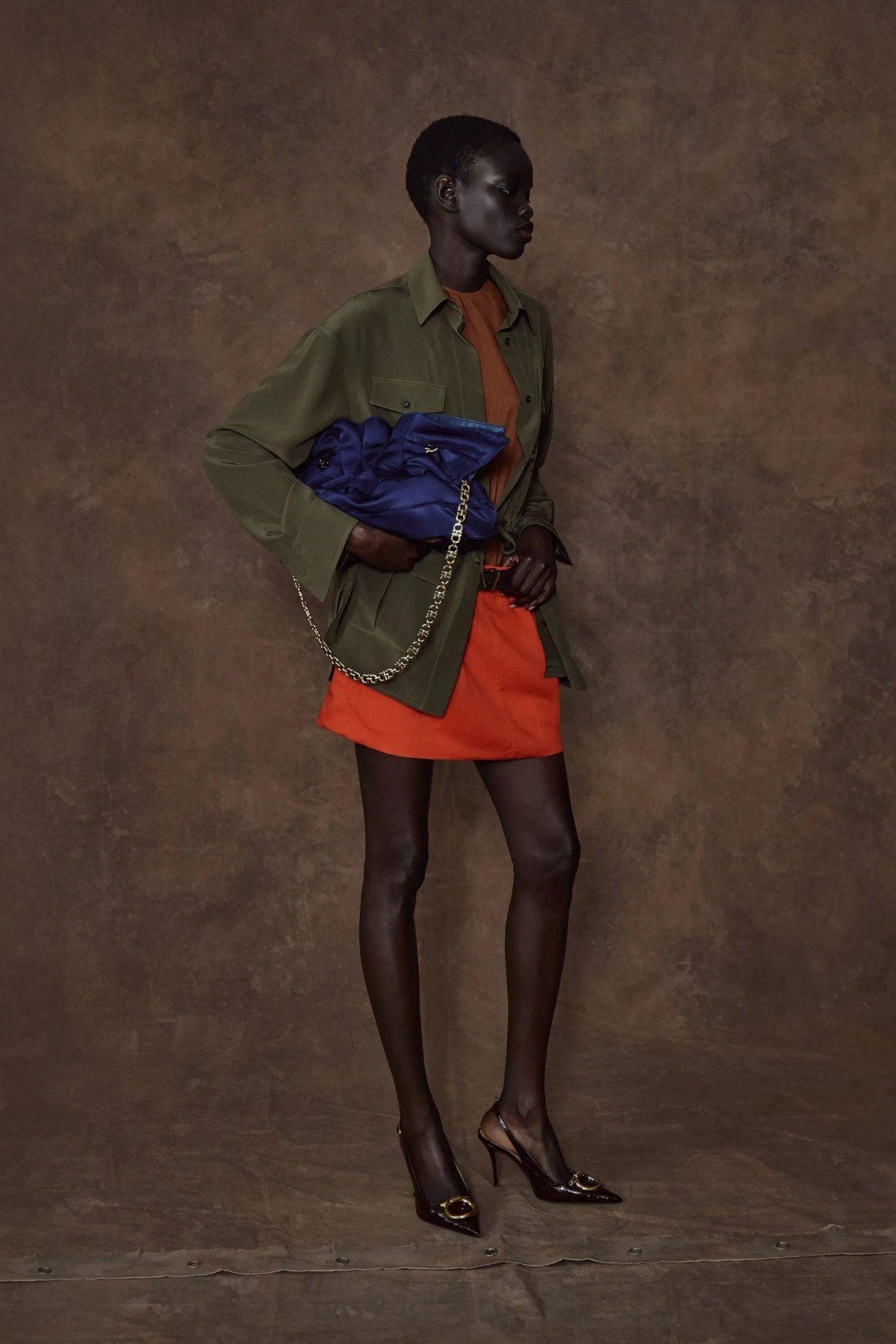
A color palette inspired by the Caribbean featured bold color blocking, which was unexpected for a brand associated with Italian refinement. Dégradé prints resembling watermarks added texture without excess. Davis took risks here, though the results felt measured rather than reckless.
What Davis seems to grasp, and what some designers miss, is that luxury today requires restraint. People want quality, not quantity. They want functional clothes, not just clothes that perform. His military-green suede safari jacket for men exemplified this idea. So did the linear cotton dresses and crisp shirting that appeared in new proportions throughout the collection.

Did everything work? No, some pieces felt tentative, as if Davis were still testing ideas rather than fully committing to them. The collection lacked the kind of singular vision that elevates a show from competent to compelling. However, he’s moving in the right direction. He’s asking the right questions about what Ferragamo can become under his guidance, rather than what it was.