


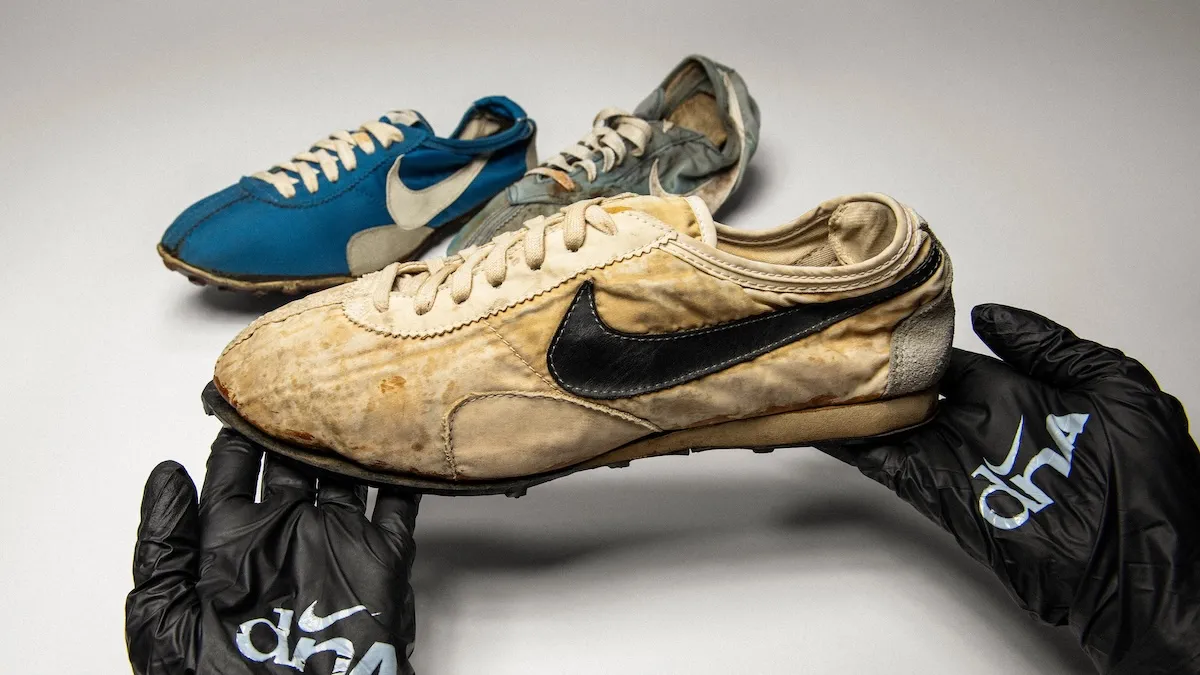
Bill Bowerman was not a man who accepted problems quietly. When a new urethane track installed at the University of Oregon in 1969 began injuring his runners, he took it personally because, in a way, it was his problem to solve. He had chosen the surface. So, the Nike Moon Shoe emerged not from a lab or a product team, but from his obsessive tinkering. It came from a kitchen, a ruined wedding gift, and a stubborn refusal to settle for second best.
| 📌 Key Facts |
|---|
| 🏃 Created in 1971 by Bill Bowerman in Oregon 🧇 Inspired by a Bersted Model 251 waffle iron 🥇 First tested in competition at the 1972 U.S. Olympic Trials 👟 Led directly to the 1973 Oregon Waffle and 1975 Waffle Trainer 📦 Waffle Trainer orders surpassed 100,000 pairs 🏛 The original waffle iron is preserved at Nike World Headquarters |
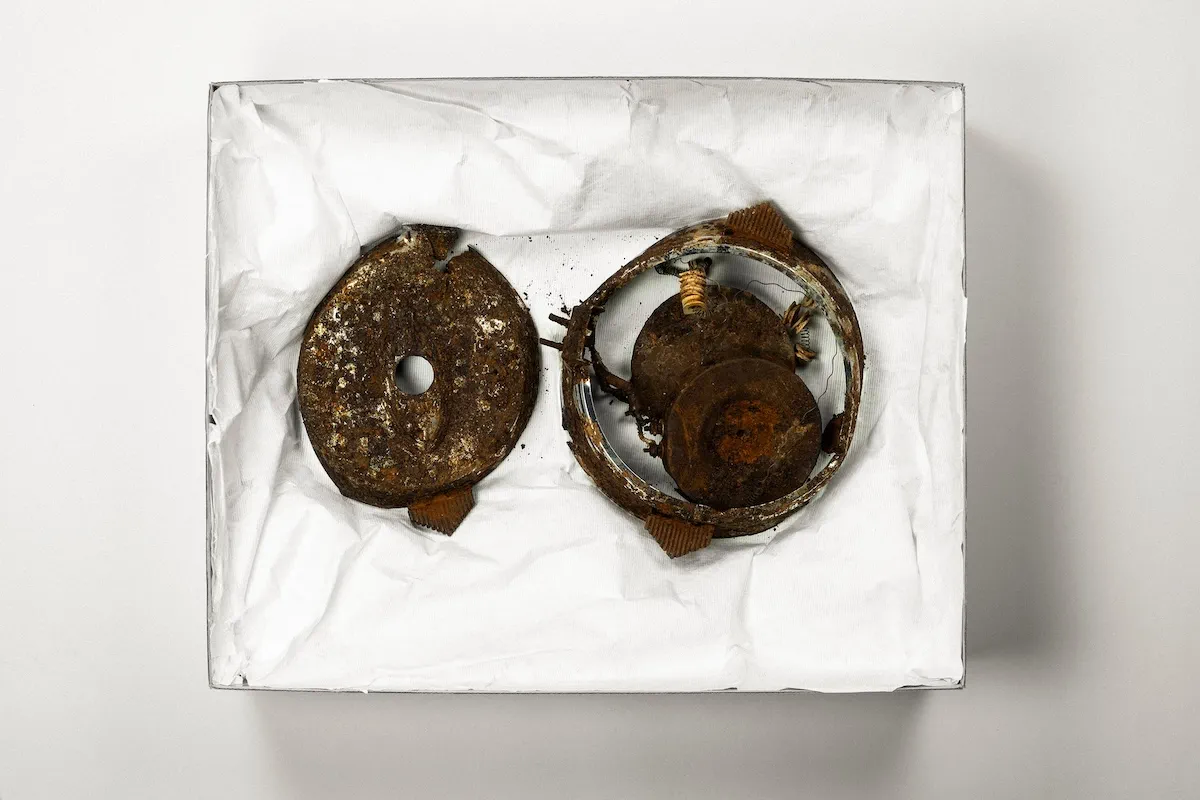
The year was 1971. Spikes gripped the new track too aggressively, while flat-soled shoes barely held at all. Bowerman needed something new. One morning, while staring at his wife Barbara’s waffle iron – a Model 251 by Bersted Manufacturing Company and a wedding gift from 1936 – he saw it: the grid pattern. The raised squares suggested the exact kind of lightweight, multidirectional traction he had been searching for.
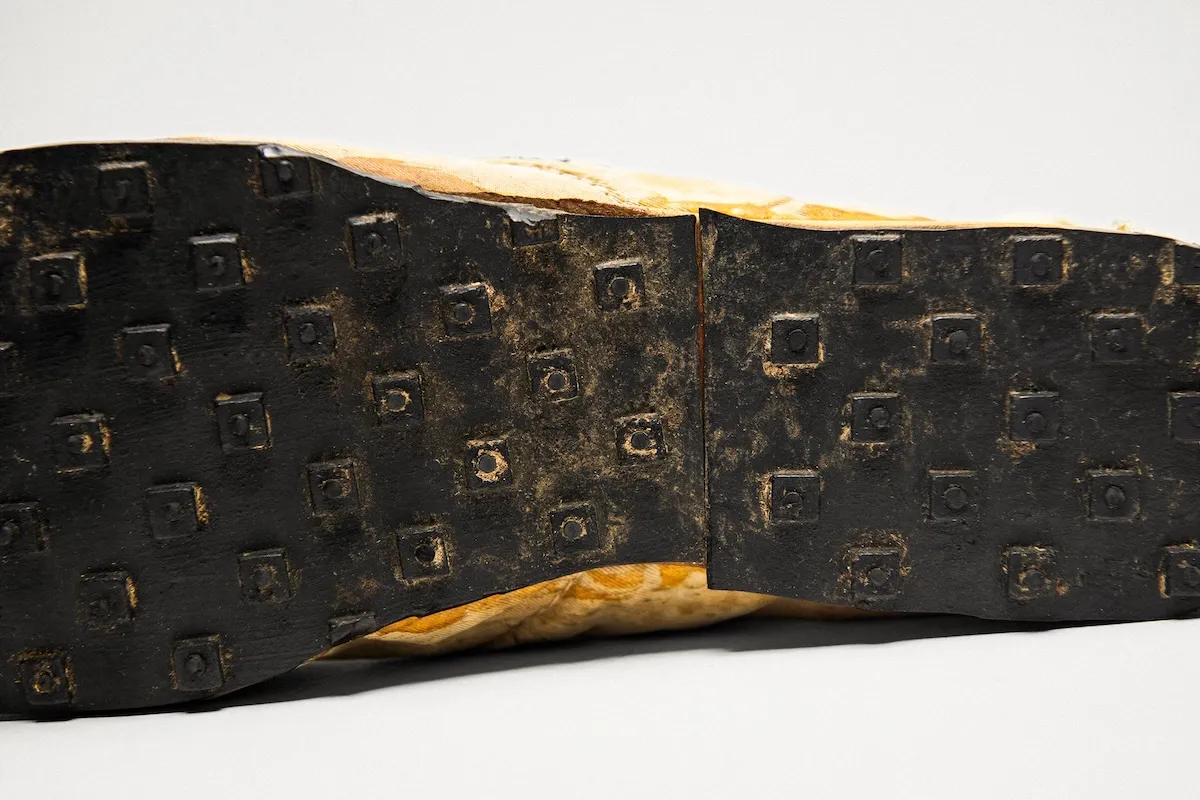
He poured liquid urethane straight into the iron. The iron seized shut permanently, destroying the 35-year-old kitchen appliance. Bowerman didn’t pause to mourn it, though. He drove to town, bought a stack of secondhand waffle irons, and kept going. The first imprints came out inverted, with concave bumps rather than raised nubs, but the concept was sound. He enlisted tire shops, machinists, and cobblers to help refine the molds. Early prototypes fell apart after a few minutes of use. Some left athletes bleeding from embedded wire in the rubber. Still, the idea kept inching forward.
“The waffle sole changed everything,” says Nike running historian Rick Lowery. “It transformed how runners thought about traction and cushioning, and it showed people what Nike was about: solving problems in new ways.“
At the time, Nike was still operating under the name Blue Ribbon Sports as an importer of Japanese running shoes and had not yet established itself as a force in athletic footwear. Bowerman, the co-founder and coach, was the restless engine behind its ambitions. He approached the football field with the same curiosity he brought to the track. At Autzen Stadium, Oregon Ducks players struggled to get a grip on the wet Astroturf and often switched to basketball shoes with herringbone outsoles. This issue prompted Bowerman and his collaborator, Jeff Johnson, to develop the Astrograbber, a prototype created in 1972. Traction quickly became his obsession.
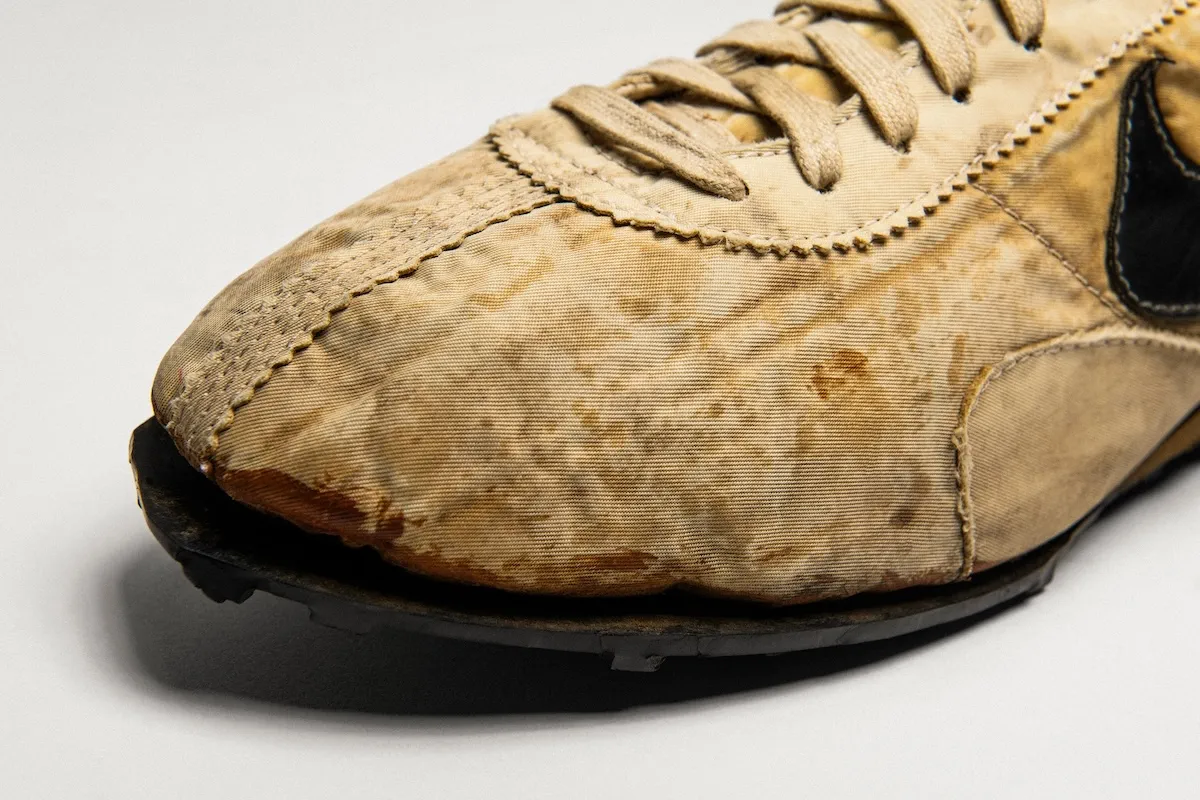
“There had been no real innovation in outsoles for decades,” says Nike running historian Rick Lowery. “Running shoes were basically just a sheet of rubber to protect your feet from the road, and traction and cushioning were secondary. Bowerman wasn’t willing to accept that.“
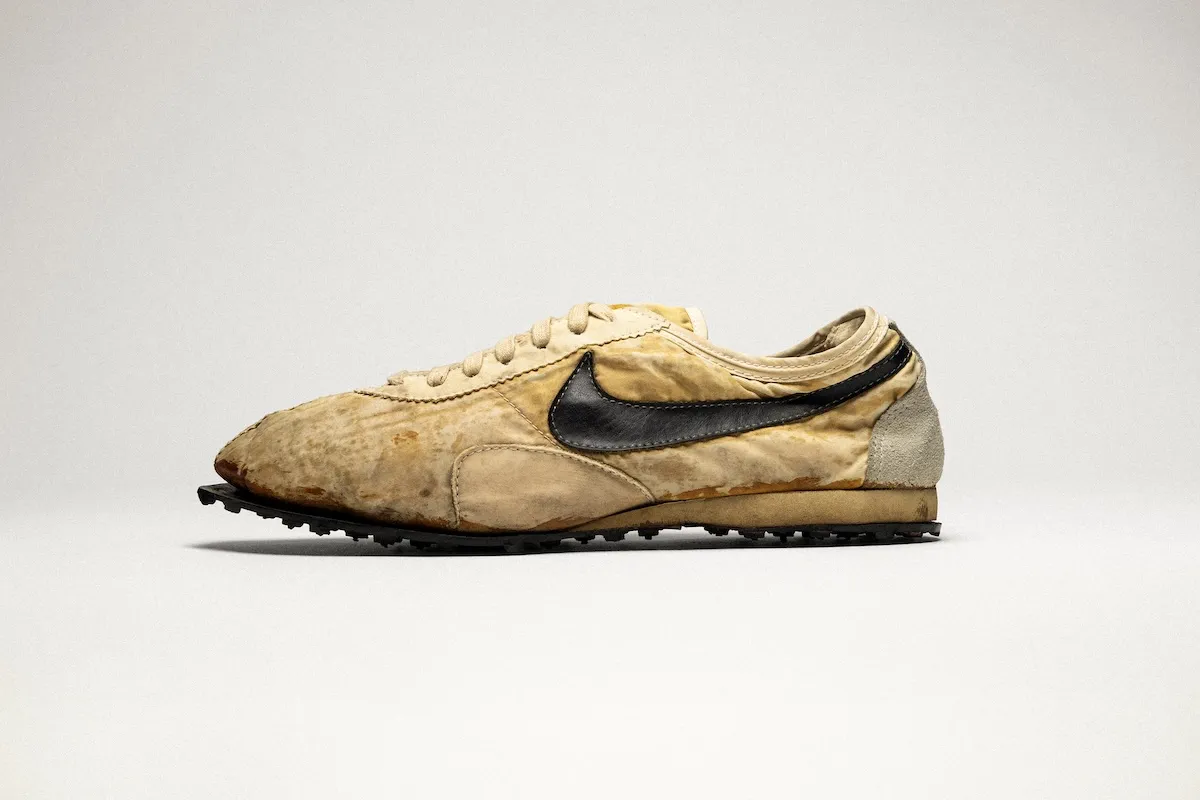
By November 1971, the waffle sole underwent its first competitive test when Oregon’s cross-country team wore early versions and won the NCAA title. Throughout the winter and into the spring of 1972, college athletes and local South Eugene high school students quietly ran in prototype pairs. That summer, Bowerman and Geoff Hollister hand-built a small batch for the U.S. Olympic Trials in Eugene.
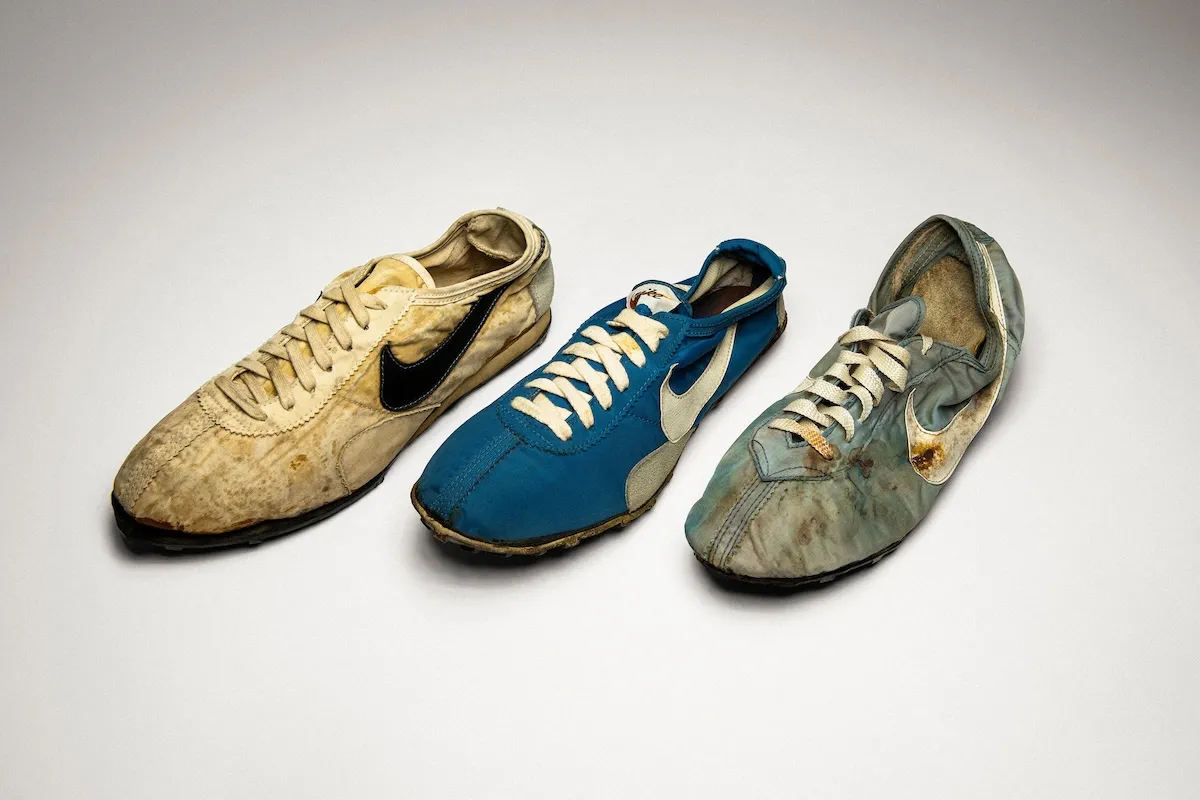
What those runners wore at the trials was basic. “It was basically just an upper stitched to a thin sheet of waffle,” Lower says. “It was so minimal that it was like running barefoot.” Some athletes noticed that the waffle-patterned footprints their shoes left in soft ground resembled the tracks astronauts had left on the lunar surface. This visual similarity gave the prototype its enduring nickname: the Nike Moon Shoe.
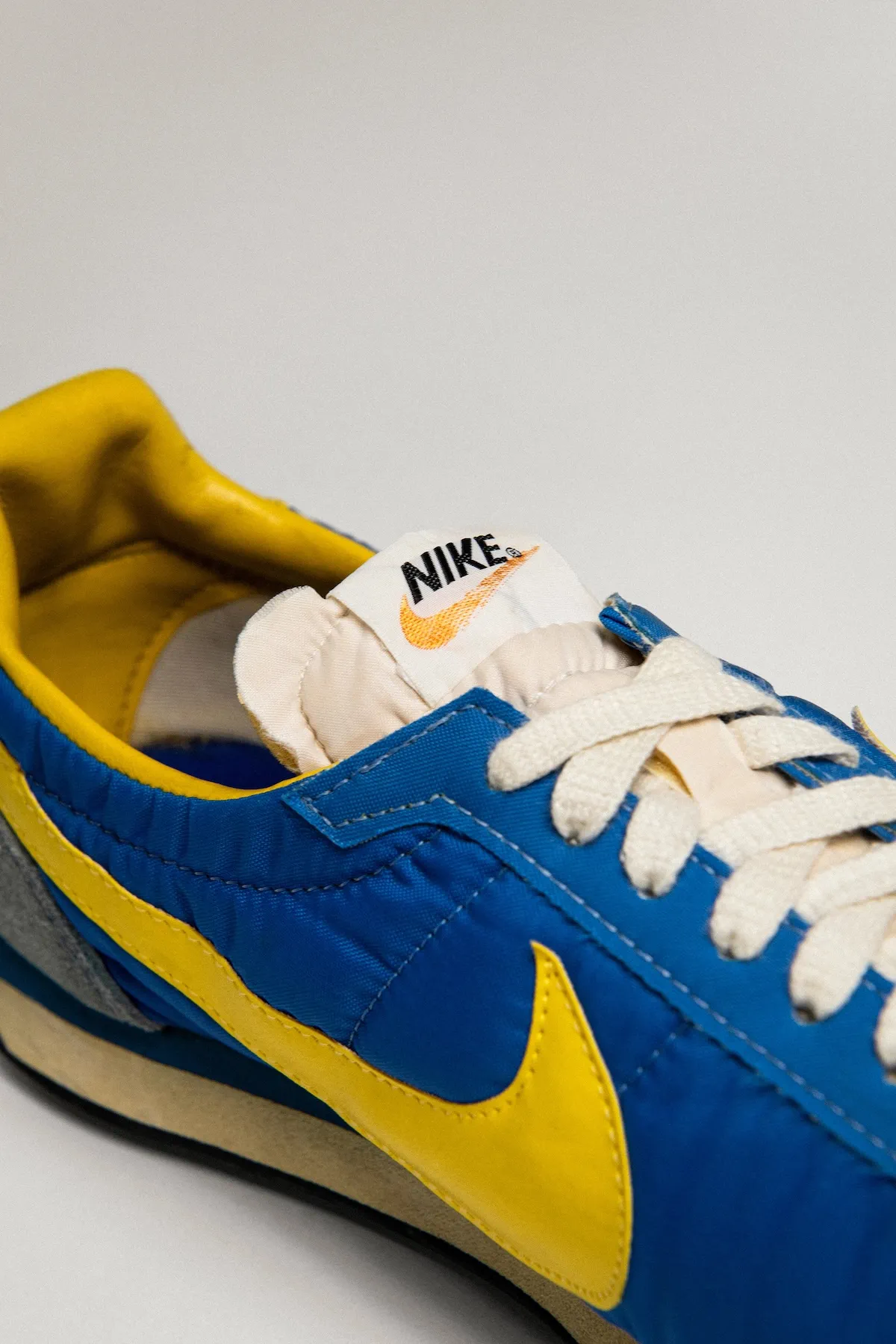
Though the shoe never reached mass production, a handful of pairs are believed to have been sold through Nike’s Eugene retail store. But its influence spread quickly. By 1973, Nike had released the Oregon Waffle. Two years later, the Waffle Trainer was released. It was designed by Bowerman and Hollister alongside orthopedic surgeon Stan James and podiatrist Dennis Vixie. Built at the request of runner Jon Anderson, the Waffle Trainer became the best-selling training shoe in the United States. Orders surpassed 100,000 units, and the blue upper with the yellow Swoosh became Nike’s visual shorthand in the 1970s.
Follow all the latest news from Fashionotography on Flipboard, or receive it directly in your inbox with Feeder.
You may also read

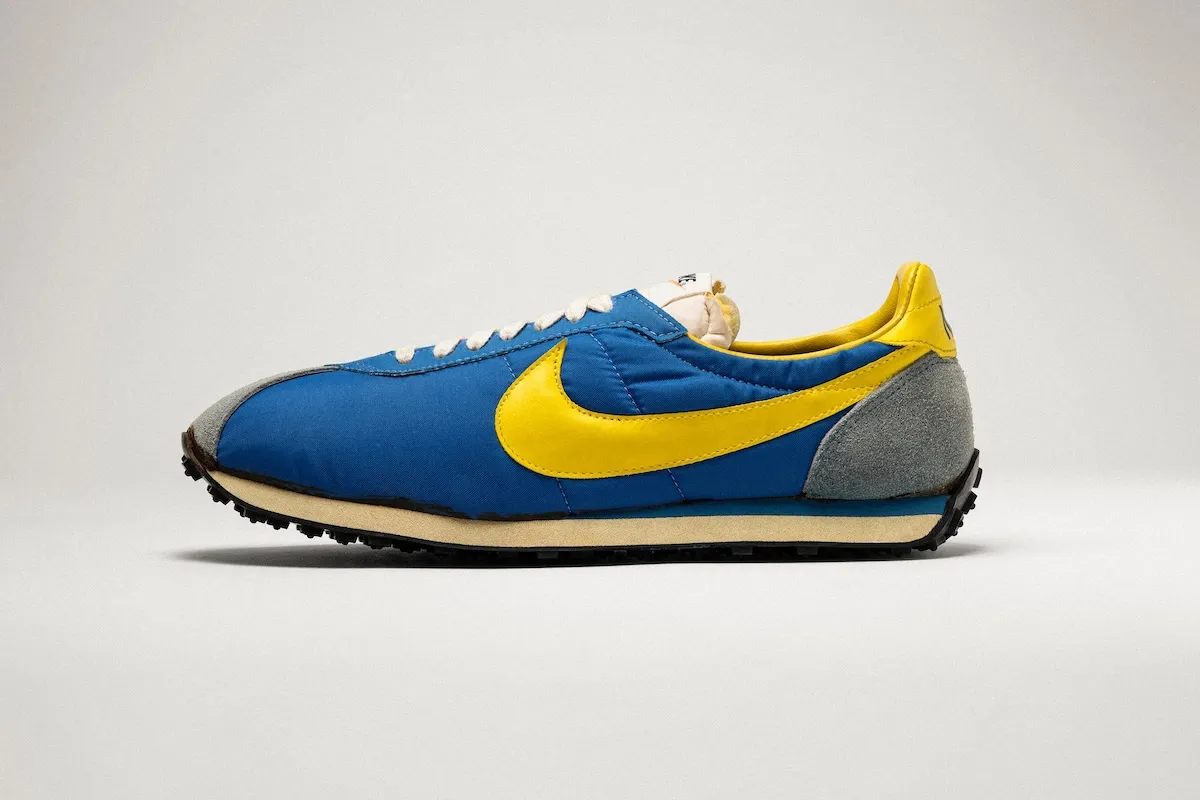
“That shoe was the bridge,” Lower explains. “It took the Moon Shoe’s experiment and turned it into a global product. From there, Nike’s reputation as an innovator was cemented.“
Decades later, the origin of the Moon Shoe gained a physical anchor when Tom Bowerman renovated the family property in Coburg, Oregon, and uncovered a rubbish pit near the carport. Inside were discarded molds, failed prototypes, and the rusted shell of Barbara Bowerman’s waffle iron. Today, the waffle iron sits in the Nike Archives at the Nike World Headquarters in Beaverton, Oregon.
The Moon Shoe itself has recently stepped back into the cultural spotlight. After appearing on Jacquemus’ runway in January 2024, the silhouette is being reimagined for a new generation – sleek, fashion-conscious, and grounded in the same drive that sent Bowerman to a hardware store to buy another waffle iron after destroying the first one.
Some things don’t start with genius. They start with a broken appliance and someone too determined to quit.