



The Piet x KidSuper collaboration wasn’t born from a marketing brief or a seasonal trend forecast. It grew out of years of trust, shared football references, and hands-on collaboration between Pedro Andrade and Colm Dillane, long before fashion entered the conversation.
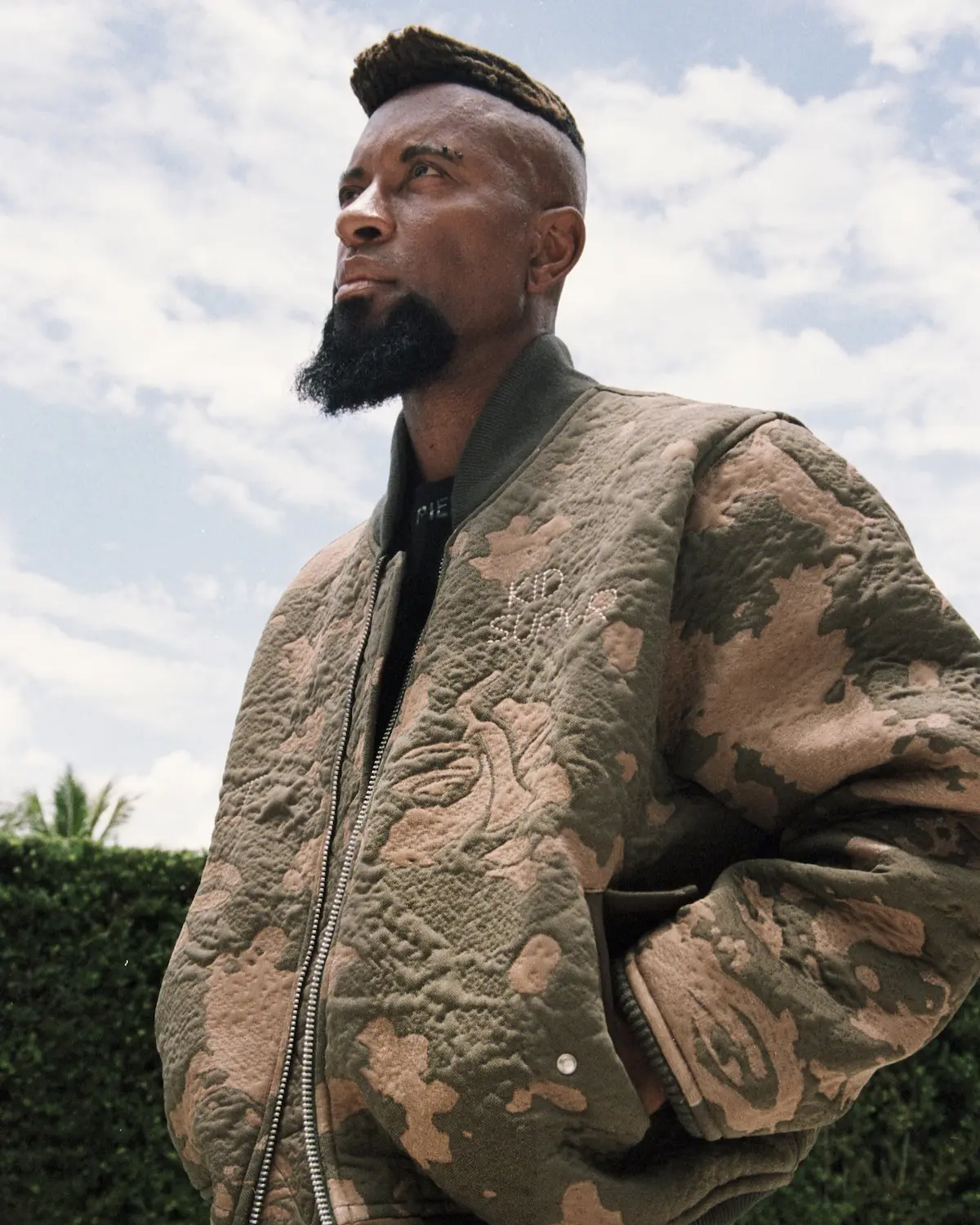
Their collaboration, which debuted in Paris this past January, represents a shift in how emerging brands approach partnerships. Forget the typical collaboration model where two labels slap logos together and call it innovation. Andrade and Dillane spent years building their relationship at Viga, a footwear brand founded by Caio Nakane, where they produced shoes for KidSuper’s regular line. This experience taught them how to work together without the performative aspects that often plague fashion collaborations.
The collection centers on craftsmanship, though not the kind that luxury houses tout when they want to justify their prices. Piet contributed manual crocheting, 3D knitting technology, and embroidered designs. KidSuper contributed its recognizable hand-painted illustrations, expressive faces, and camouflage patterns that have become Dillane’s signature. The integration feels genuine because the technical development happened organically.

What strikes me about this partnership is the production process. Dillane shared artworks and visual references from New York, and Andrade’s team in Brazil conducted material tests and constructed prototypes. Decisions were made remotely, bypassing the usual rounds of approvals and brand committee meetings. Dillane saw the finished garments just one day before the Paris runway show. That level of confidence can only come from a genuine understanding of how someone works.
The football connection provides context for why these two designers clicked. Dillane came to Brazil years ago to pursue a professional soccer career. Although he didn’t make it as a player, the experience created a lasting bond with the country. Andrade shares similar references tied to the sport. When they decided to shoot the campaign, they chose Zé Roberto, a Brazilian soccer icon known for his career achievements and demeanor, both on and off the field. This decision makes sense when you understand their relationship.

The first release includes two pairs of cargo pants, a cap, two pairs of shoes, and an exclusive T-shirt for the Piet flagship store. These pieces are an initial drop before a more extensive collection arrives next year. Examining the garments reveals how KidSuper’s artwork is translated through Piet’s technical processes. The finishing, patternmaking, and textile construction bear Andrade’s imprint while maintaining Dillane’s visual language.
This collaboration raises interesting questions about how brands should expand internationally. KidSuper has been expanding in Brazil, and Dillane’s connection to the market isn’t manufactured for business purposes: he lived there. He lived there. He trained there. His partnership with Piet emerged from that existing relationship rather than from a marketing department identifying Brazil as a strategic opportunity.

The decentralized development process also challenges the notion of centralized creative control. Fashion collaborations usually involve elaborate mood boards, multiple fittings, and countless revisions. Andrade and Dillane operated differently. They trusted their instincts and each other’s expertise. Piet handled the technical solutions. KidSuper provided the artistic vision. Neither tried to micromanage the other’s area of expertise.
It remains to be seen whether the collection will resonate beyond the established audiences of both brands. Piet has built its reputation on textile innovation and precise construction. KidSuper appeals to people who want art and personality in their clothing. There is some overlap between these audiences, but it’s not automatic. The cargo pants and footwear must stand on their own merits, not just on the novelty of the collaboration.
Follow all the latest news from Fashionotography on Flipboard, or receive it directly in your inbox with Feeder.
You might also read


The broader collection scheduled for next year will reveal whether this partnership has staying power. Initial releases often generate excitement through scarcity and timing. Sustaining that interest requires delivering garments that people want to wear repeatedly. The foundation of craftsmanship gives them a chance. Manual crochet and 3D knit technology aren’t gimmicks. They are labor-intensive techniques that result in unique textiles.
Andrade’s approach to collaboration feels refreshingly straightforward. He didn’t chase a big name for credibility. He worked with someone he knew and respected. Dillane didn’t treat this as a quick licensing deal. He invested his artwork and reputation in garments that he didn’t see until the day before the Paris show. That kind of mutual respect can’t be manufactured through contracts.
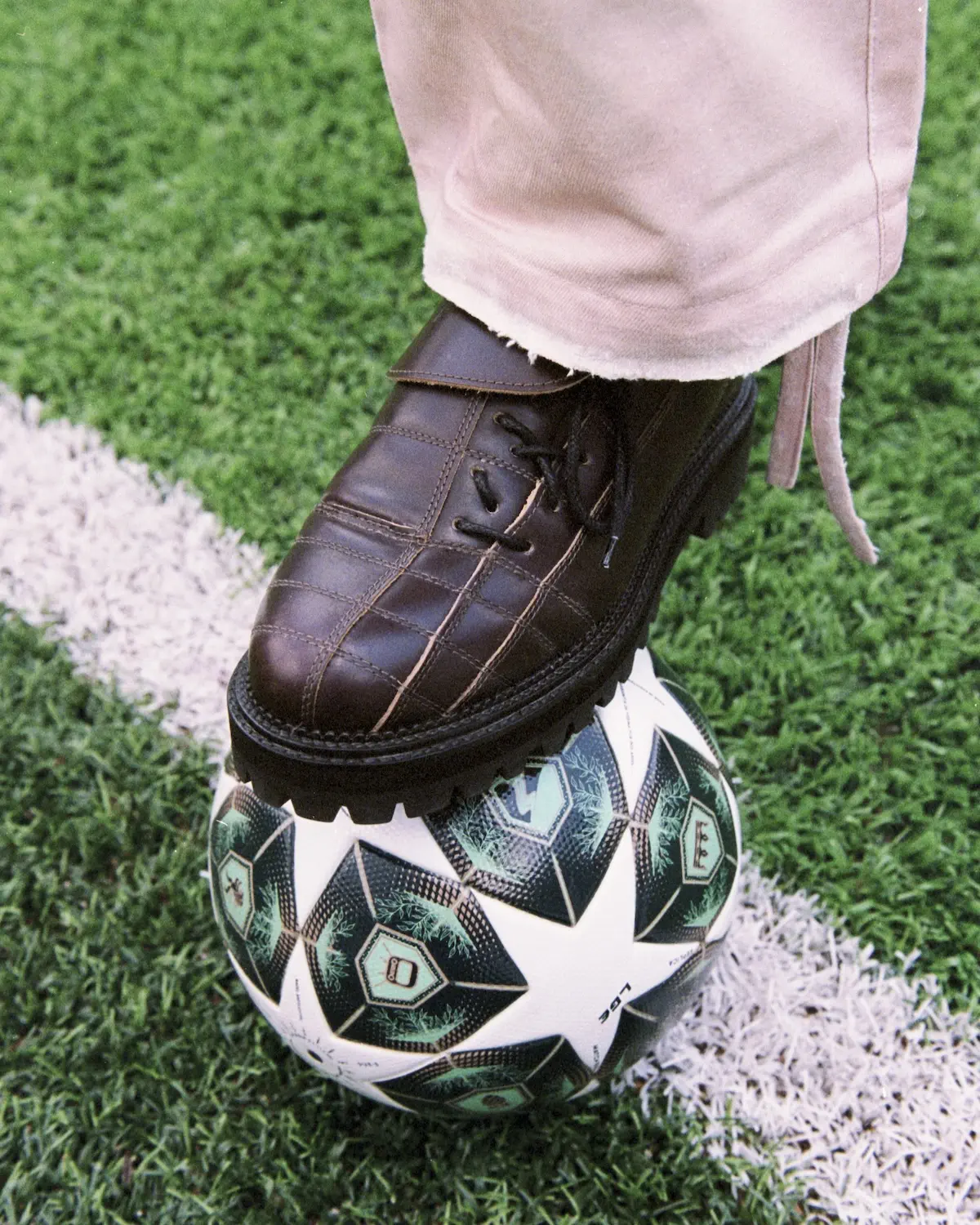
The football references throughout the collection and campaign add texture without taking over. Zé Roberto’s presence in the campaign photography grounds the partnership in reality. You aren’t being sold a lifestyle or an aspiration. You’re seeing garments worn by someone who embodies the shared experiences that brought these designers together.
Whether this collaboration succeeds commercially depends on execution and distribution. But the foundation looks solid. Andrade and Dillane built their partnership the old-fashioned way: through repeated collaboration and shared references. The garments reflect that history. You can see it in how KidSuper’s illustrations sit on Piet’s constructed textiles and how the technical and artistic elements support rather than compete with one another.

The fashion industry loves to talk about authenticity but rarely demonstrates it. Piet and KidSuper might have found a model that actually works: trust first, contracts later; garments that reflect the relationship rather than obscure it. They trust first and sign contracts later. Their garments reflect their relationship rather than obscuring it. We’ll know more when the full collection arrives next year.